In both dating and television, first impressions are everything. The Changeling begins with a meet-cute between used book dealer Apollo (LaKeith Stanfield) and librarian Emma (Clark Backo). She initially rejects Apollo, only for him to return continually to her workplace to ask her out again. The Apple TV+ show’s omniscient male narrator insists that while some would consider this “stalking,” he, gallingly, sees it simply as “persistence.”
The Changeling flashes back to the story of Apollo’s mother, Lillian (initially played by Alexis Louder and later by Adina Porter), who’s similarly pursued by Brian (Jared Abrahamson), a man who struggles with accepting the word “no.” She also, for some reason, finds this characteristic endearing. The series predominantly focuses on Apollo and Emma as they fall in love, move in together, and have a child, returning intermittently to Lillian’s story as she struggles to raise Apollo single-handedly after Brian disappears.
The romance between Emma and Apollo takes a dark turn after their son is born and she begins to display signs of postpartum depression. Apollo is compassionate but soon begins to fear what she might do to their baby, especially after she reaches out to an occult-ish online group called the Wise Mothers for help. His worst fears come true when Emma does something unspeakable and then vanishes, leaving him to pick up the pieces of his broken family.
Stanfield’s best roles to date have been more inward-looking—namely the ever-mumbling, philosophical Darius from Atlanta and his petulant hanger-on from Uncut Gems. He initially struggles to play the loud, corny Apollo, but he manages to find his footing, and hauntingly so, once the character is reduced to a shell of his former self. Similarly, Backo’s ferocious performance only gets more entrancing as Emma is pushed into increasingly dark places.
The opening episodes of The Changeling are strewn with hints that there might be something supernatural to this sad, gruesome tale. Apollo has mysterious childhood memories of his father in a strange blue mask, while Emma meets an old woman (Teca Pereira) in the Brazilian rainforest who promises her three wishes with, of course, a sinister cackle. Incessant talk of fairies, ghosts, and witches permeates the series (a strange scene of Apollo and his father is repeated again and again without imbuing it with any additional meaning).
The series revolves around the question of whether there truly are magical forces at work in the characters’ lives or if these supernatural elements are just the mind’s attempts to explain things that it can’t otherwise understand. This ambiguity is alluring, but it also begins to distance us from the characters because their story hinges on whether or not Emma is dealing with psychological problems or fantastical ones. Rather than allowing our sympathies to oscillate between characters based on which interpretation seems true at that moment, The Changeling’s insistent ambiguity leaves us hanging hazily in the middle, unable to fully connect with anyone.
The way in which the show’s central mystery unfolds is also often aggravatingly stilted. Each episode hops freely between different points along the show’s timeline, dancing back to the ’70s for Apollo’s childhood and skittering between various periods in his and Emma’s relationship. In doing so, The Changeling continually teases the reveal of some key piece of information only to skip away again before anything significant is actually uncovered. At first this is intriguing, but the endless teases quickly become frustrating, like listening to someone tell a story while continually promising that they’re just about to get to the good part.
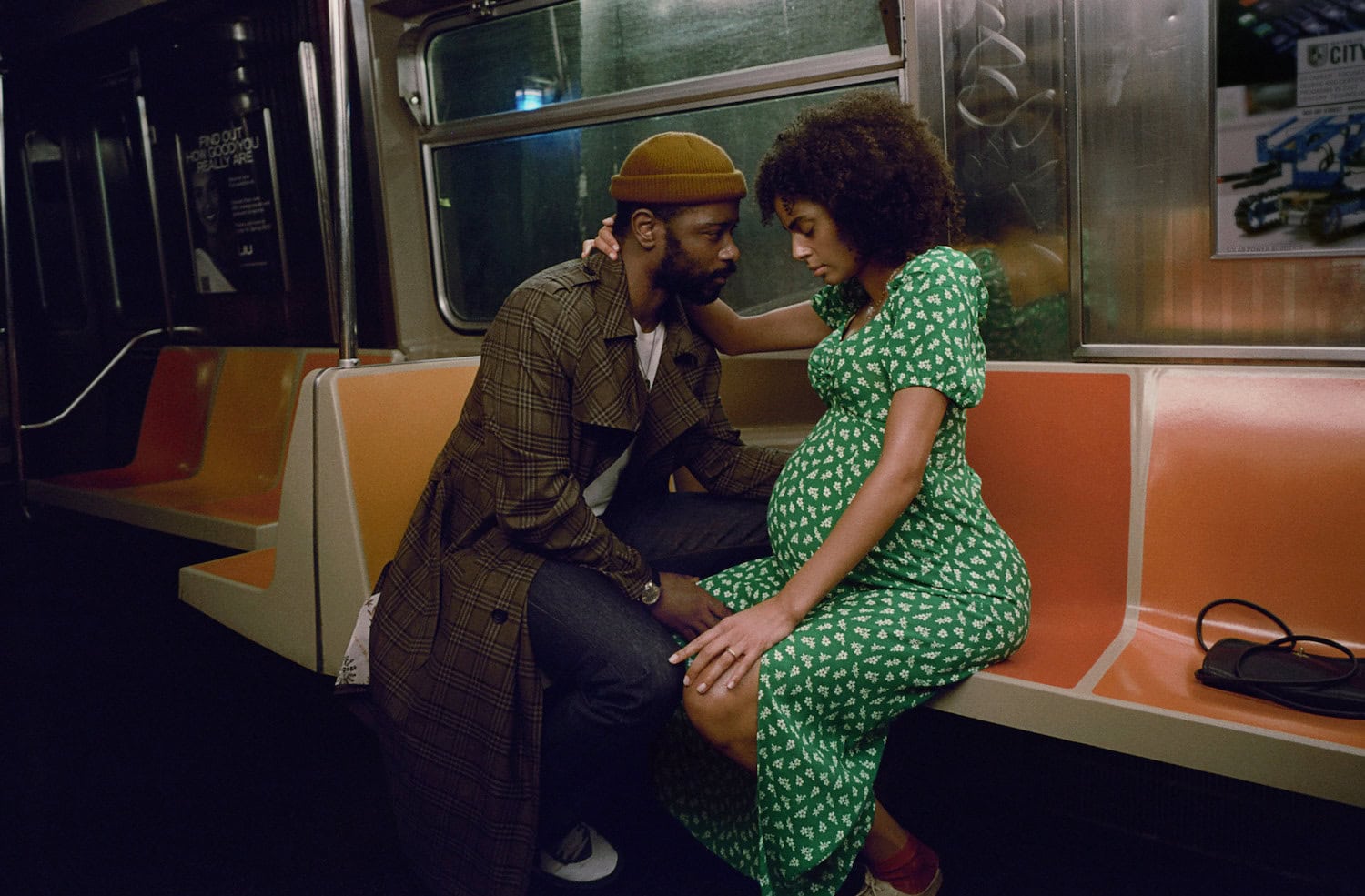
When The ChangelingThe Changeling culminates with an intense sequence in which Emma gives birth on a New York subway train. It ends with the striking image of her huddled on the grimy floor, holding close to Apollo and their new baby as the electric lights flicker above them. In its opening hour, the series hasn’t given us anything definitive to really grab on to, but there’s an intrigue to it, a sense that something magical might be just around the corner. Sadly, that initial mystique isn’t enough to keep the viewer fully under its spell.
Since 2001, we've brought you uncompromising, candid takes on the world of film, music, television, video games, theater, and more. Independently owned and operated publications like Slant have been hit hard in recent years, but we’re committed to keeping our content free and accessible—meaning no paywalls or fees.
If you like what we do, please consider subscribing to our Patreon or making a donation.