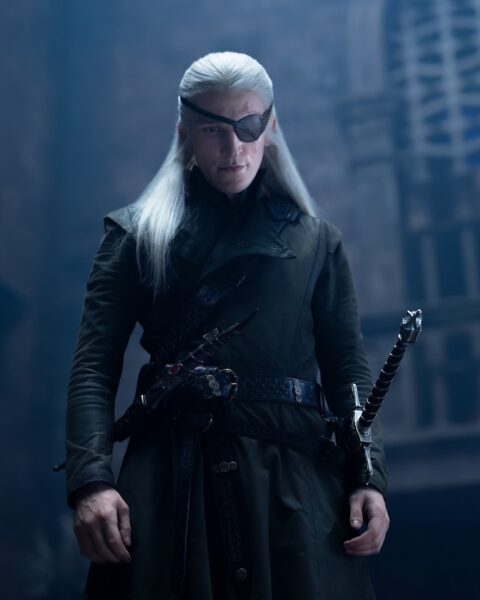
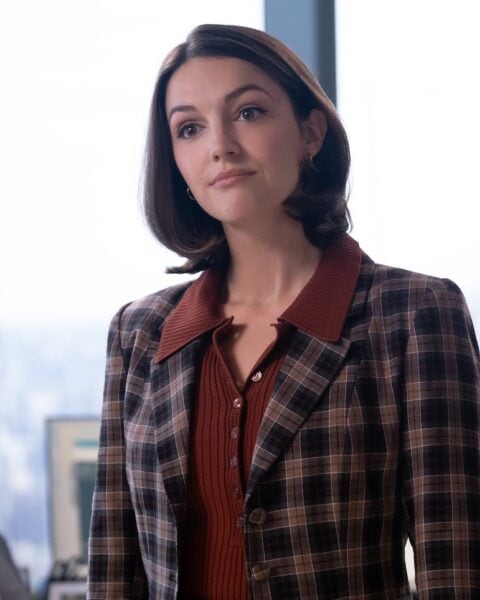
In its final season, the series struggles to cook up something fresh, but it’s still hard to resist.
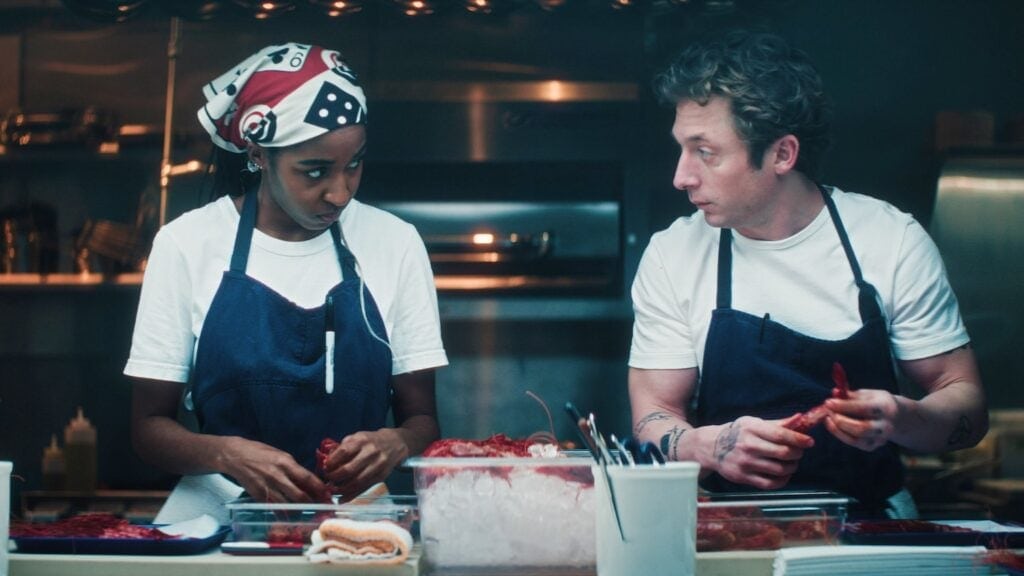

In its final season, the series struggles to cook up something fresh, but it’s still hard to resist.

The show’s fourth and final season finds it in full Shakespearean tragedy mode.

In its second season, the deliciously twisty thriller continues to draw much of its strength from its confident ambiguity.
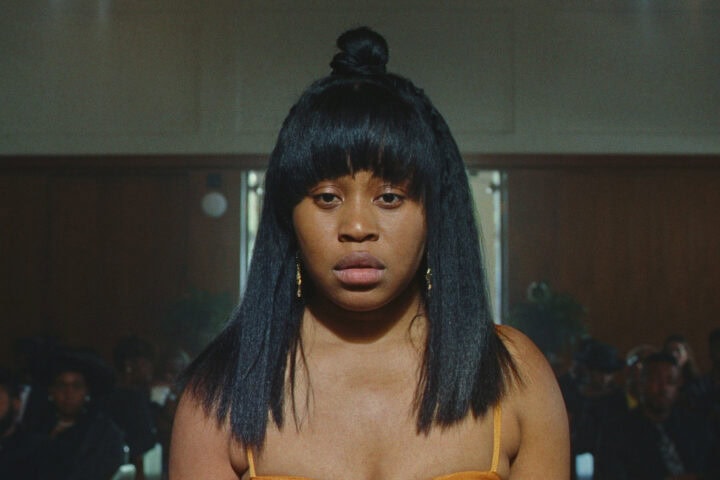
Only sporadically does the series explore the absurdity of transposing online interactions to the physical realm.
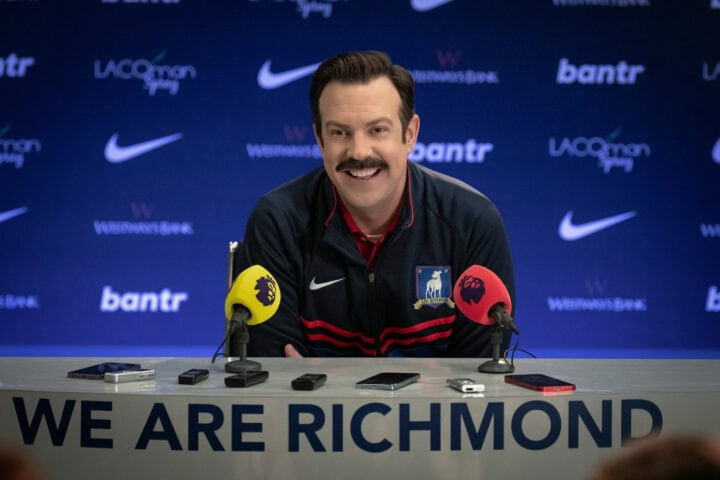
The series returns to its original formula of silly plus tender, multiplied by wickedly smart.

Like its bristly protagonist, the series has some work to do to turn things around.

In spite of its best intentions, the show’s reach ultimately exceeds its grasp.
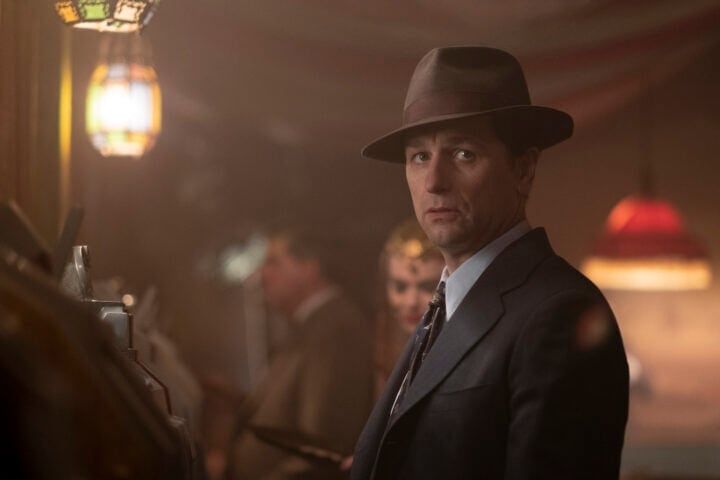
The show’s second season may be watchable, but it’s so much louder about saying so much less.

With its heart caught between a daytime soap and a gritty superhero drama, the series never feels as potent or as focused as it could.
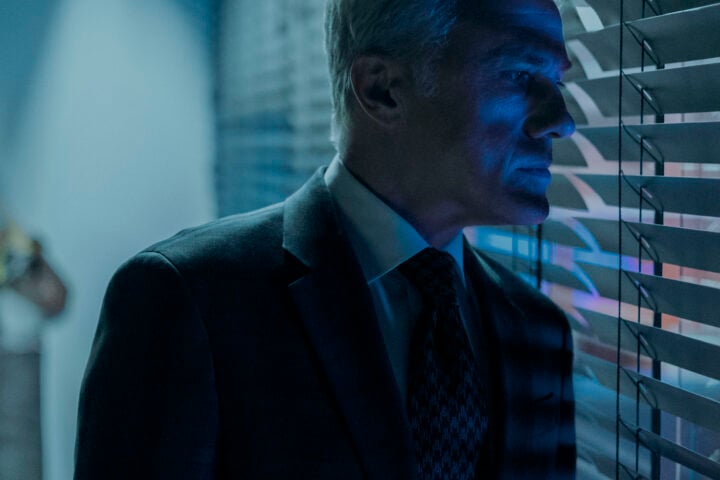
In its rush for buzzy, batshit absurdity, the Amazon series neglects to establish any semblance of normalcy to play against.
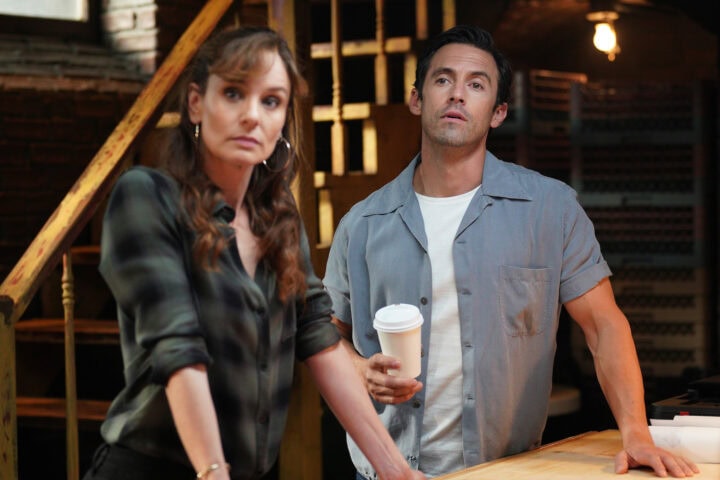
The show’s insistence on shunning moral ambiguity takes a bit of the danger out of its liaisons.

The series returns with a sharp third season that mines immense humor from the Sisyphean pursuits of its characters.
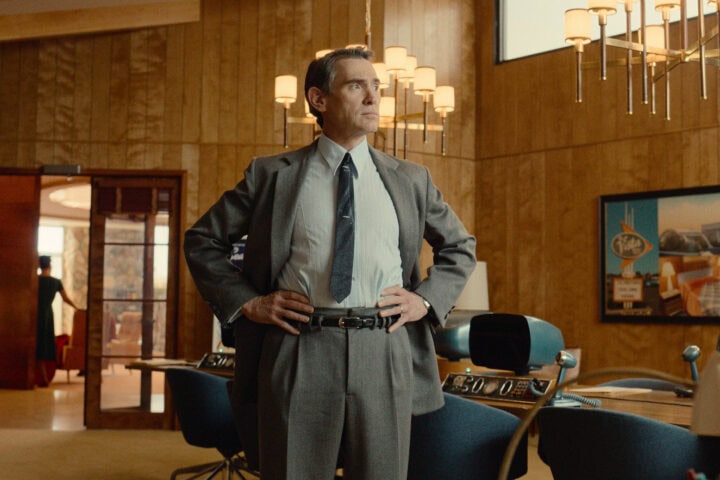
The closer the series gets to its destination, the more it invites skepticism of whether there’s really much there at all.

The quasi-Victorian urban fantasy continues to prioritize uncomplicated politicking over cohesive storytelling.

Liaison lacks an inventive approach or even a satisfying character-driven angle.
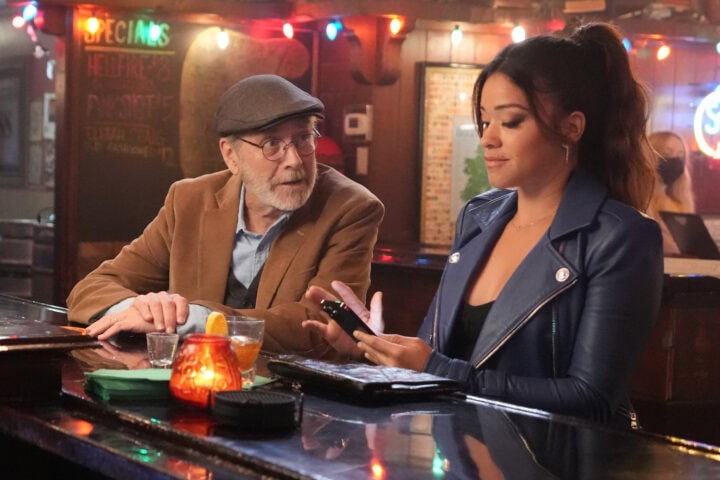
The supernatural can’t enliven a series that meanders through its first five episodes.

The series gives Natasha Lyonne room to rasp and shamble her way through murder mysteries populated by a murderers’ row of guest stars.
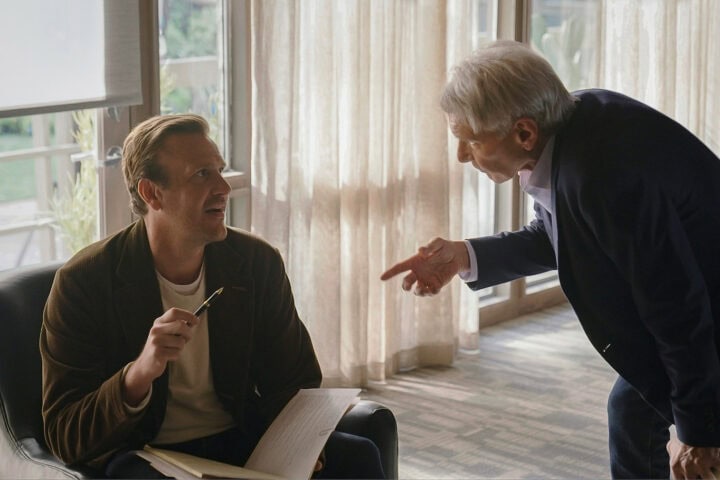
As much as it loves a good zinger, the show’s greatest weapon is its essential kindness.
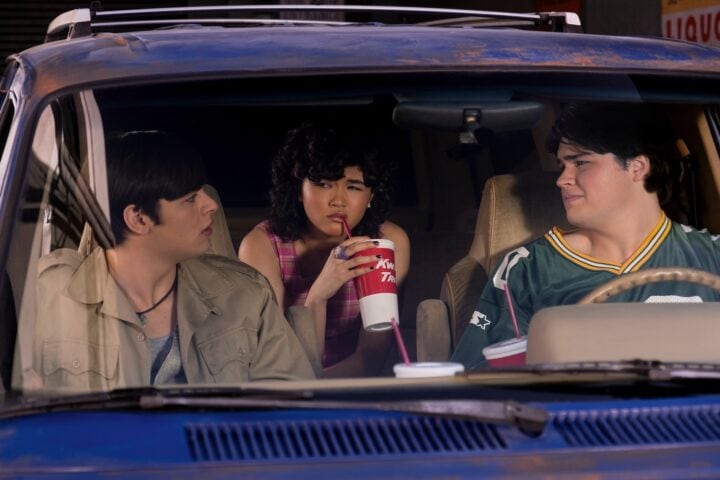
The series attempts to recapture That ’70s Show’s winning mix of dry humor, parody, and slapstick, and mostly succeeds.

By stripping the gameplay out of a game that’s fleshed out by televisual tropes, the series ends up as mostly just the latter.

At its best, the show’s second season is a frustrating reinforcement of the previous season’s problems.