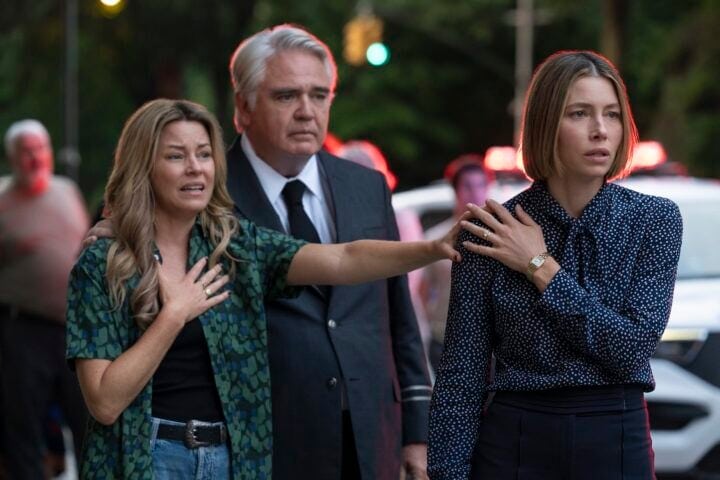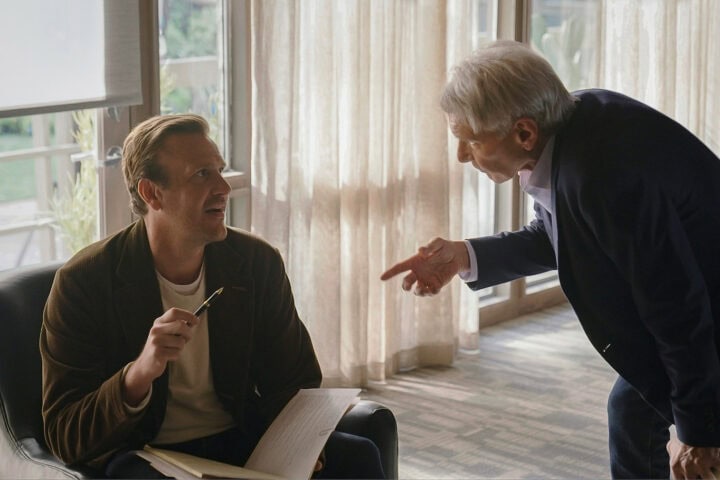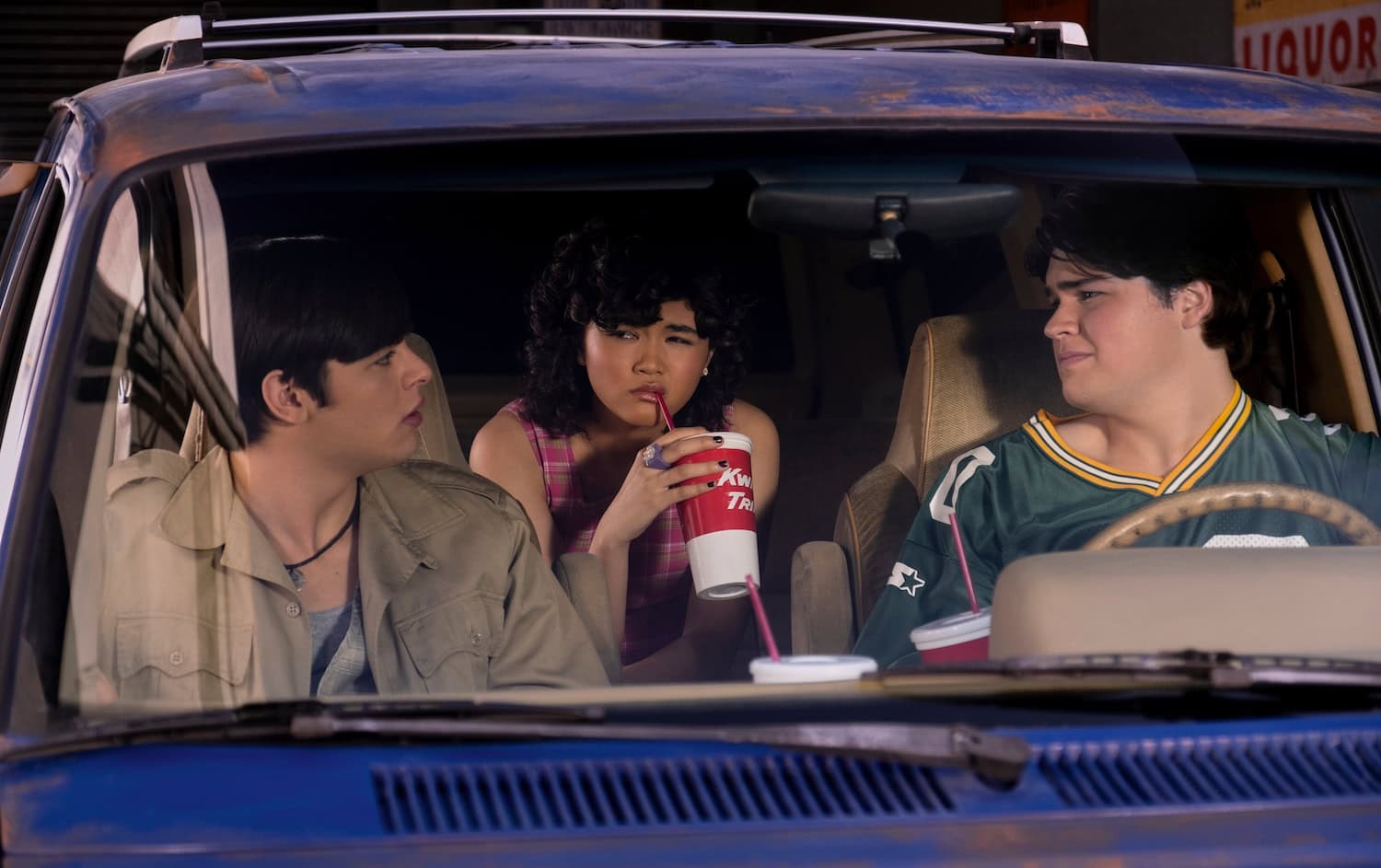
A sitcom is often only as endearing as its characters, and That ’70s Show was driven almost entirely by the ensemble play between Eric, Jackie, Kelso, Hyde, Donna, and Fez. Netflix’s new spinoff of the Fox series, That ’90s Show, is a disarmingly effective follow-up that doesn’t take the easy route by, say, focusing on the earlier show’s main characters, instead acquainting us with a new set of teen friends, smartly relegating Topher Grace, Mila Kunis, Ashton Kutcher, Laura Prepon, and Wilmer Valderrama to guest spots. (Danny Masterson, who played Hyde in the original series, is notably absent.)
The first few episodes work hard to recapture That ’70s Show’s winning mix of dry humor, parody, and slapstick, and the writers mostly succeed as they set out to tell a story of their own. Like its predecessor, the series establishes the Forman family—specifically Eric and Donna’s 14-year-old daughter, Leia (Callie Haverda), and her grandparents, the lovable curmudgeon Red (Kurtwood Smith) and Kitty (Debra Jo Rupp)—as the center of its universe. Entering and exiting at any given time are an ever-revolving door of idiosyncratic Point Place residents. But while the Pinciottis and Kelsos are always in the mix, the Formans remain the heart and soul of the show.
As they did in the original series, Red and Kitty continue to offer asylum, advice, and ass-whoopings (or at least the promise of them) to a gaggle of youngsters, in this case Leia and her friends: Gwen Runck (Ashley Aufderheide) and her brother Nate (Maxwell Acee Donovan), as well as Jay Kelso (Mace Coronel), Nikki (Sam Morelos), and Ozzie (Reyn Doi).
And the Forman basement remains a sanctuary where the kids make sense of the world, each other, and themselves. Then and now, it’s a place for the counterculture to exist without fetters.
If fans of the original show can get past the weirdness of not finding Eric and his friends hot-boxing the basement or causing trouble at the water tower, they’ll find plenty to latch onto here, particularly the perpetually grumpy patriarch at his surliest and silliest. It’s tough not to share in Red’s fleeting pleasure as he enjoys a new massage chair, or revel in his petty rivalry with Bob Pinciotti (Don Stark) as they both try to out-grandpa each other on Leia’s 15th birthday.
So much of what made That ’70s Show such a bingeable show is gleefully intact here: the humor, the heart, and, perhaps especially, the nostalgic, era-specific plots. But what really solidifies That ’90s Show as good television is its cast of newcomers, who quickly earn their spots on that legendary—and, by now, moth-eaten—basement couch.
Since 2001, we've brought you uncompromising, candid takes on the world of film, music, television, video games, theater, and more. Independently owned and operated publications like Slant have been hit hard in recent years, but we’re committed to keeping our content free and accessible—meaning no paywalls or fees.
If you like what we do, please consider subscribing to our Patreon or making a donation.