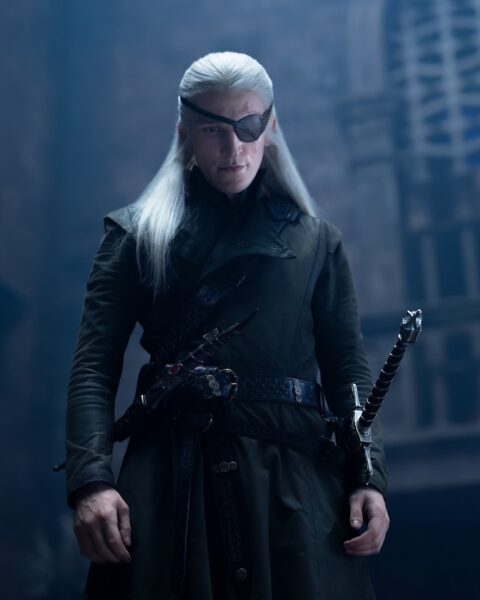
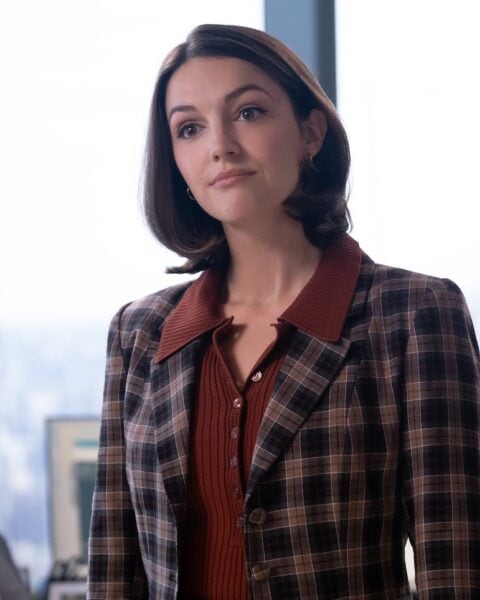
The series is a polished genre exercise with characters that feel like predigested tropes.


The series is a polished genre exercise with characters that feel like predigested tropes.

The series draws one of the most nuanced portraits of sexual assault ever depicted on TV.
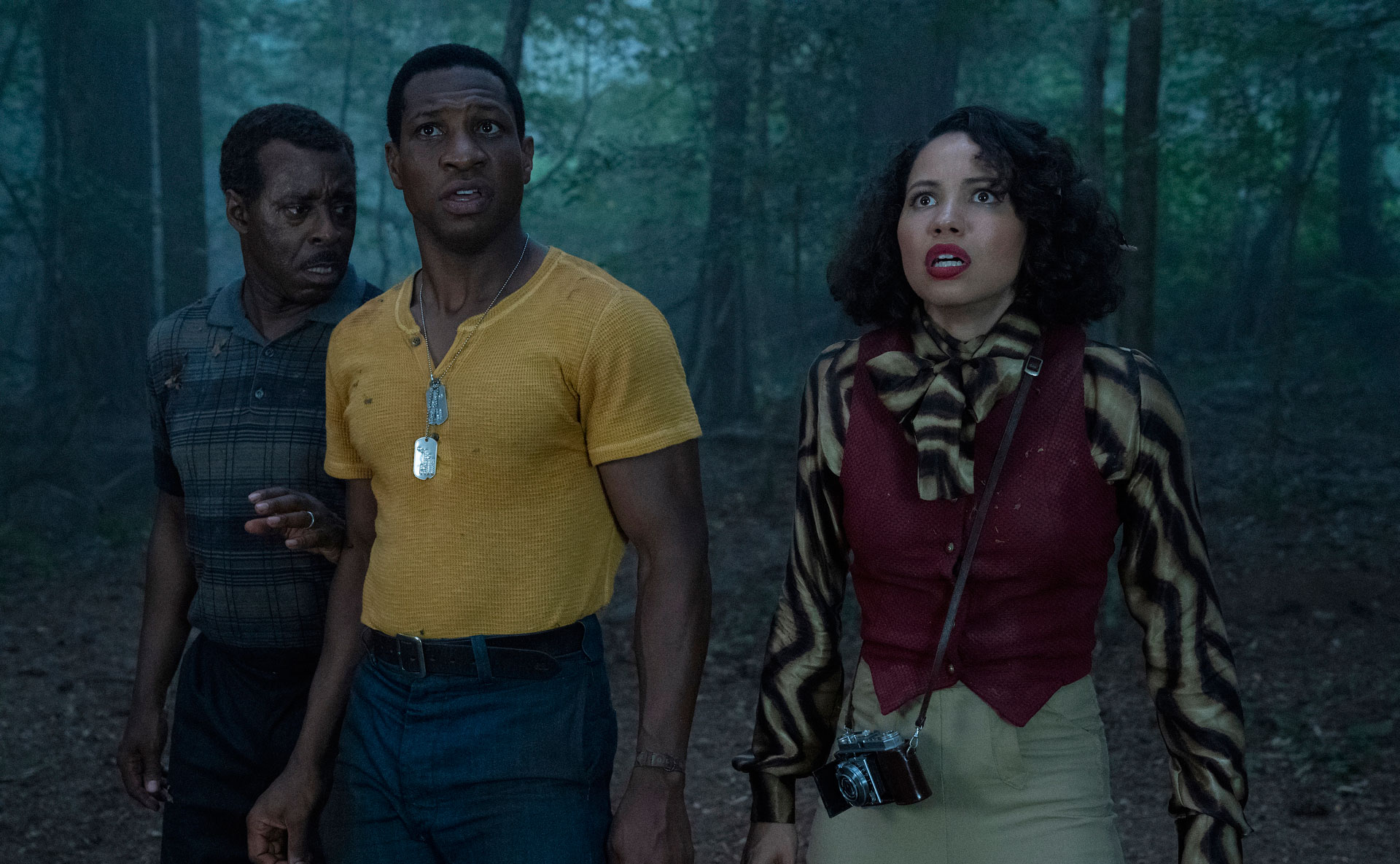
The series eclipses its source material in capturing the omnidirectional dread of Lovecraftian horror.

Though it doesn’t provide room for a fully formed character arc, the series is driven by its performances and mordant humor.

The series sucks the juice out of its pop-cultural reference points, failing to mine our current nightmares on its own terms.

The show’s reticence to dig into hopelessness and pain leaves its admirable optimism to feel strangely artificial.
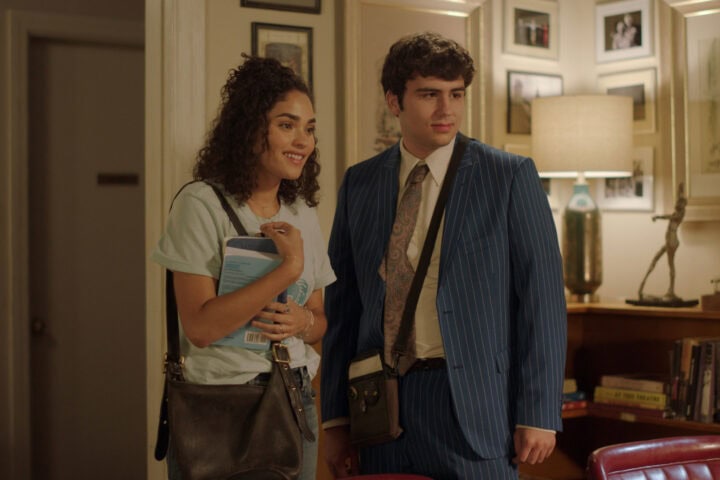
Created by Sara Bareilles and Jessie Nelson, the series positions its protagonist as a bastion of artistic purity.
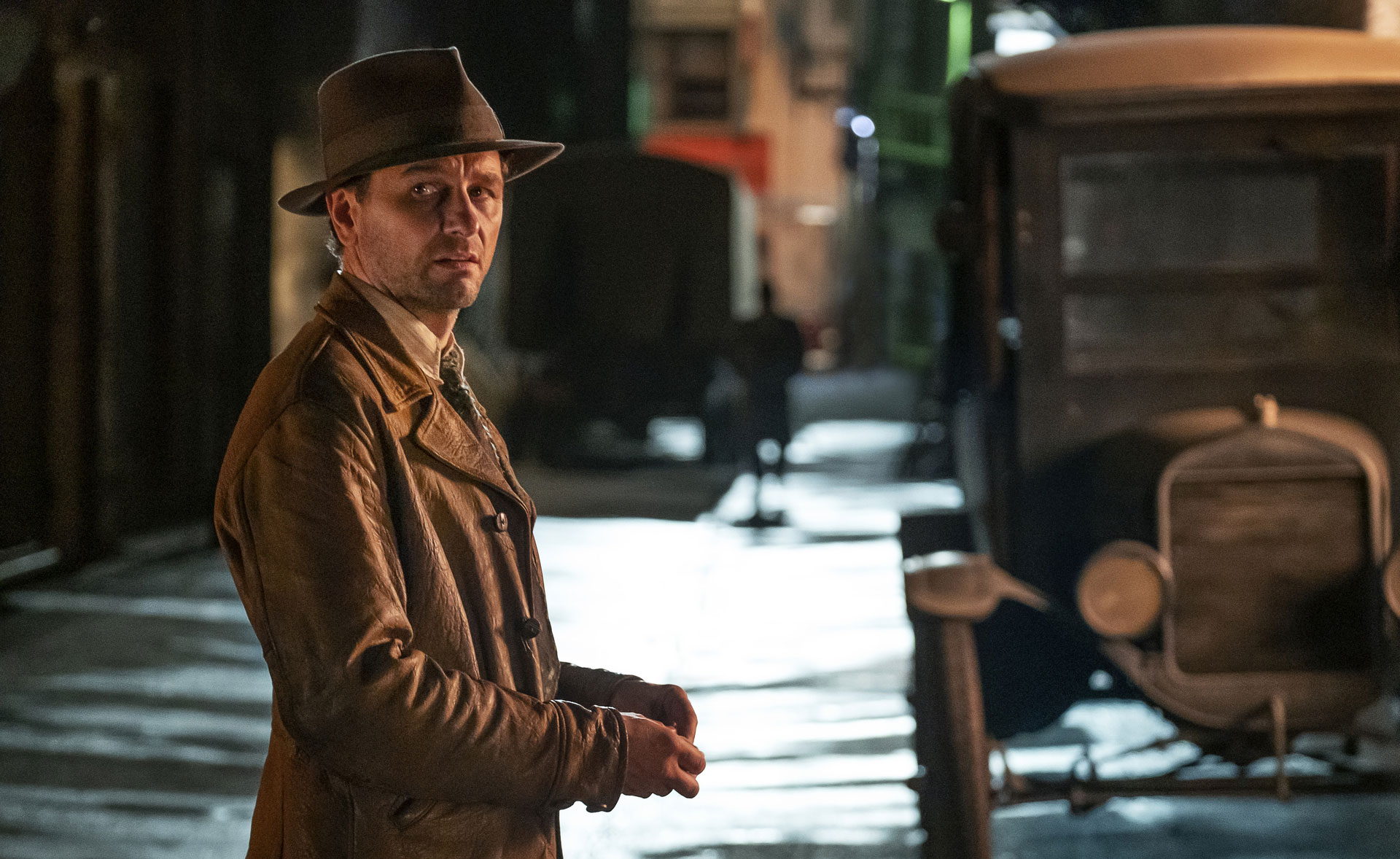
The series is gory and dour with a bone-deep cynicism, but it’s also optimistic in its own small way.

Season three rivals its predecessors in its intoxicating blend of bleak cynicism and irreverent comedy.

The show’s episodic sitcom rhythms allow for an easier access point to the narrative about identity and prejudice.

The story’s rush of exposition can be dizzying, but the pieces fall into place in ways that aren’t entirely unbelievable.
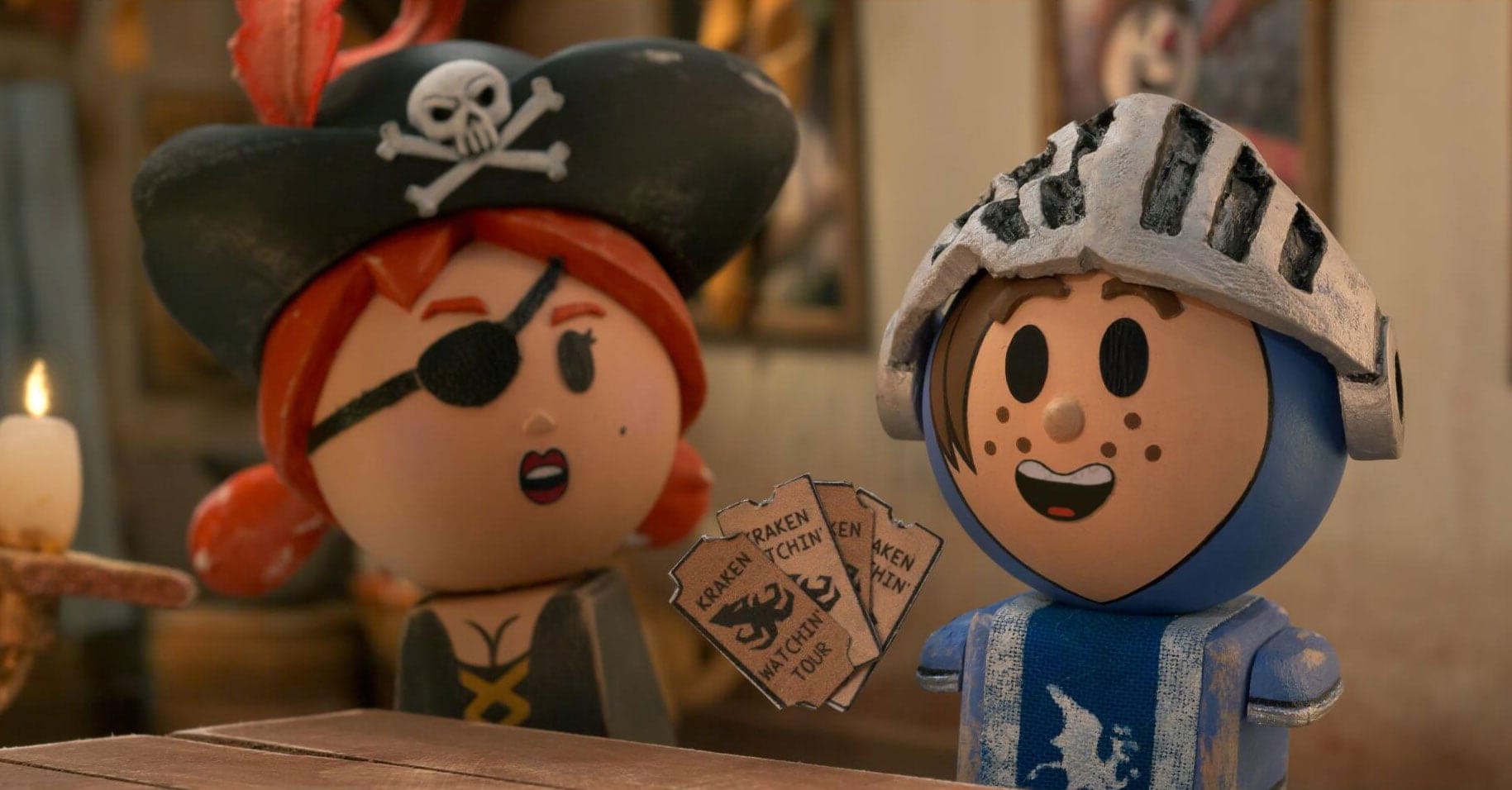
Even the jokes that land mostly emphasize how complacent the series is to coast on its crassness.

The series informs sitcom hijinks with a bit of political tension, but the punchlines are diluted for the sake of likability.

The series takes on Catherine the Great with off-kilter comedy and startling poignancy.

The limited series is a carnival of horrors weighed down by moralizing, hysteria, and cross-associations.

Though it needlessly withholds certain details for dramatic effect, the film resists embellishment or caricature.

Billed as a “live documentary experience,” the film has the feel of a PowerPoint presentation.

The series suggests that winning hearts and minds is a naïve pipe dream, a strategy more fit for TV than for electoral politics.
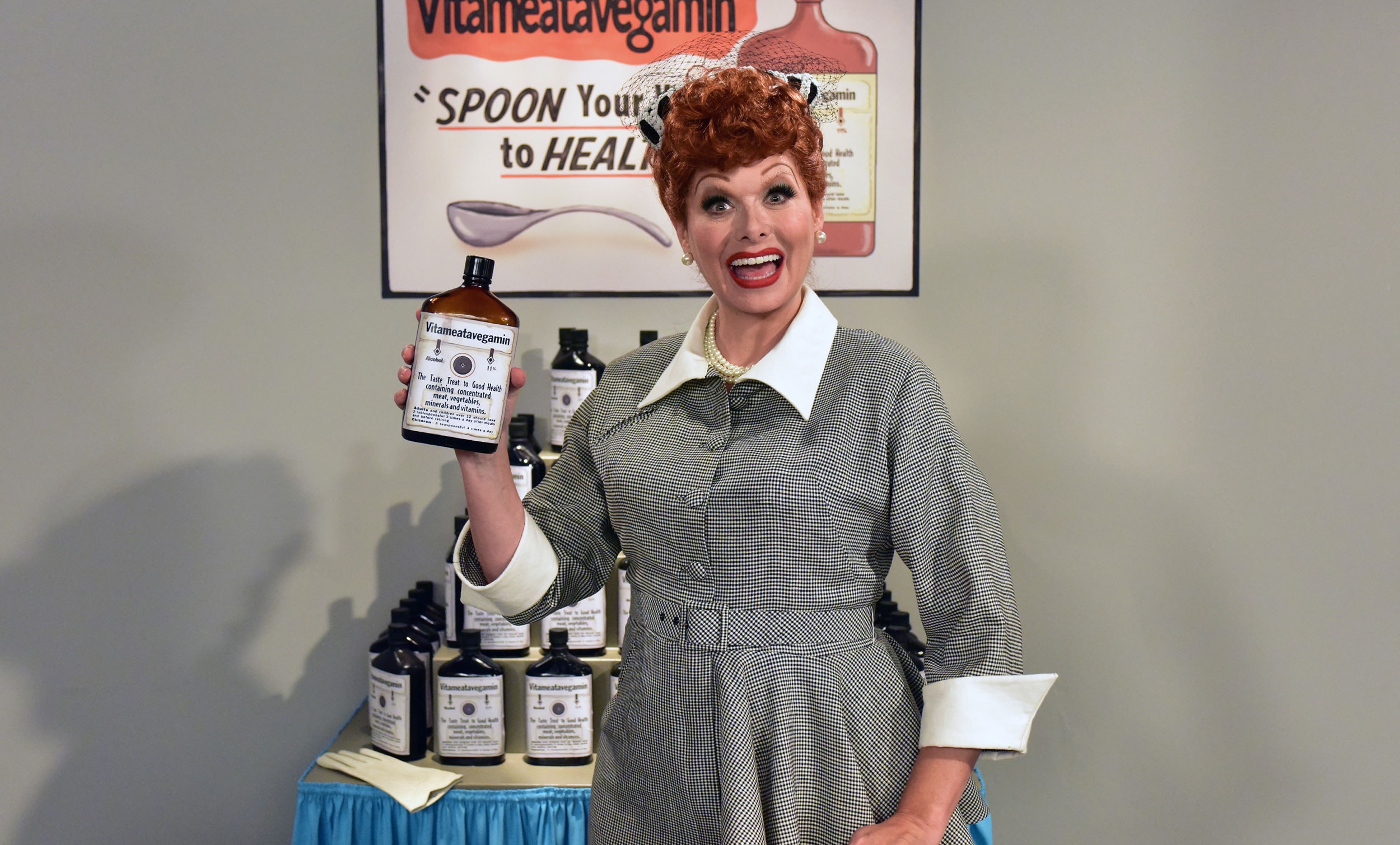
The episode is a reminder of just how influential I Love Lucy still is, and a testament to Will & Grace’s own legacy.
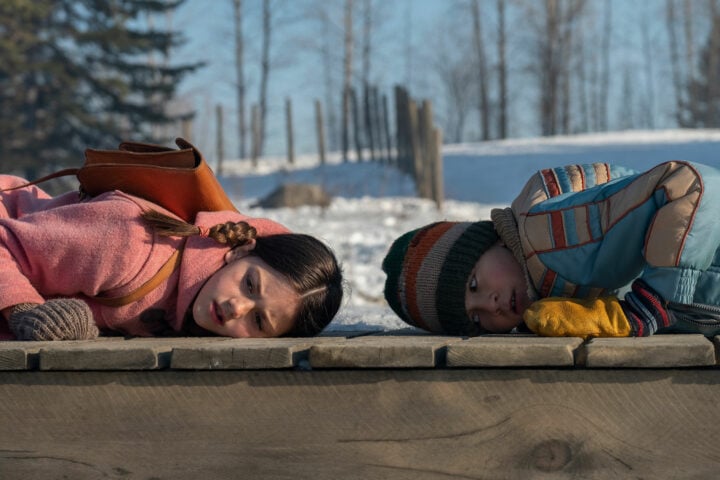
The series is a character study in which wounded introverts wrestle with their inability to connect with others.
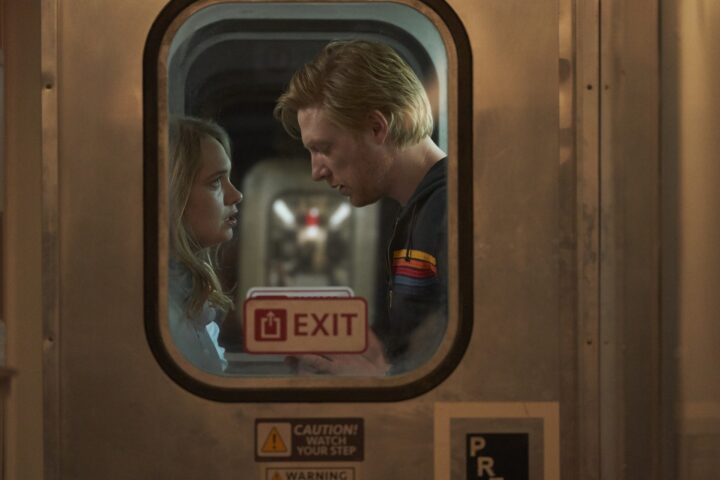
The long-form storytelling obligations of a TV series soon overwhelm this simple but compelling premise.