The singer has yet to discover a sound or sensibility that truly distinguishes her.


The singer has yet to discover a sound or sensibility that truly distinguishes her.
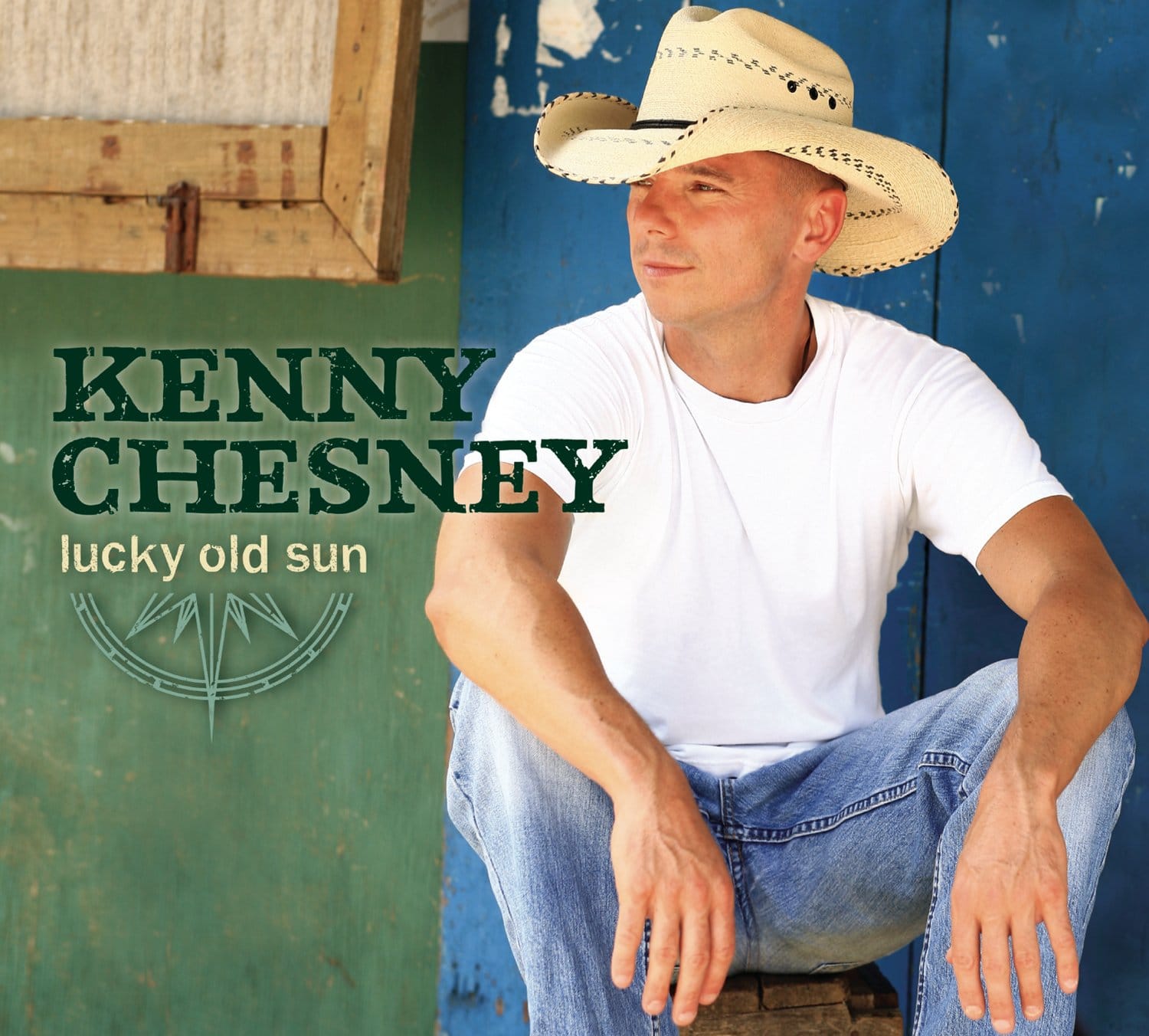
Albums about breakups don’t have to be downers.
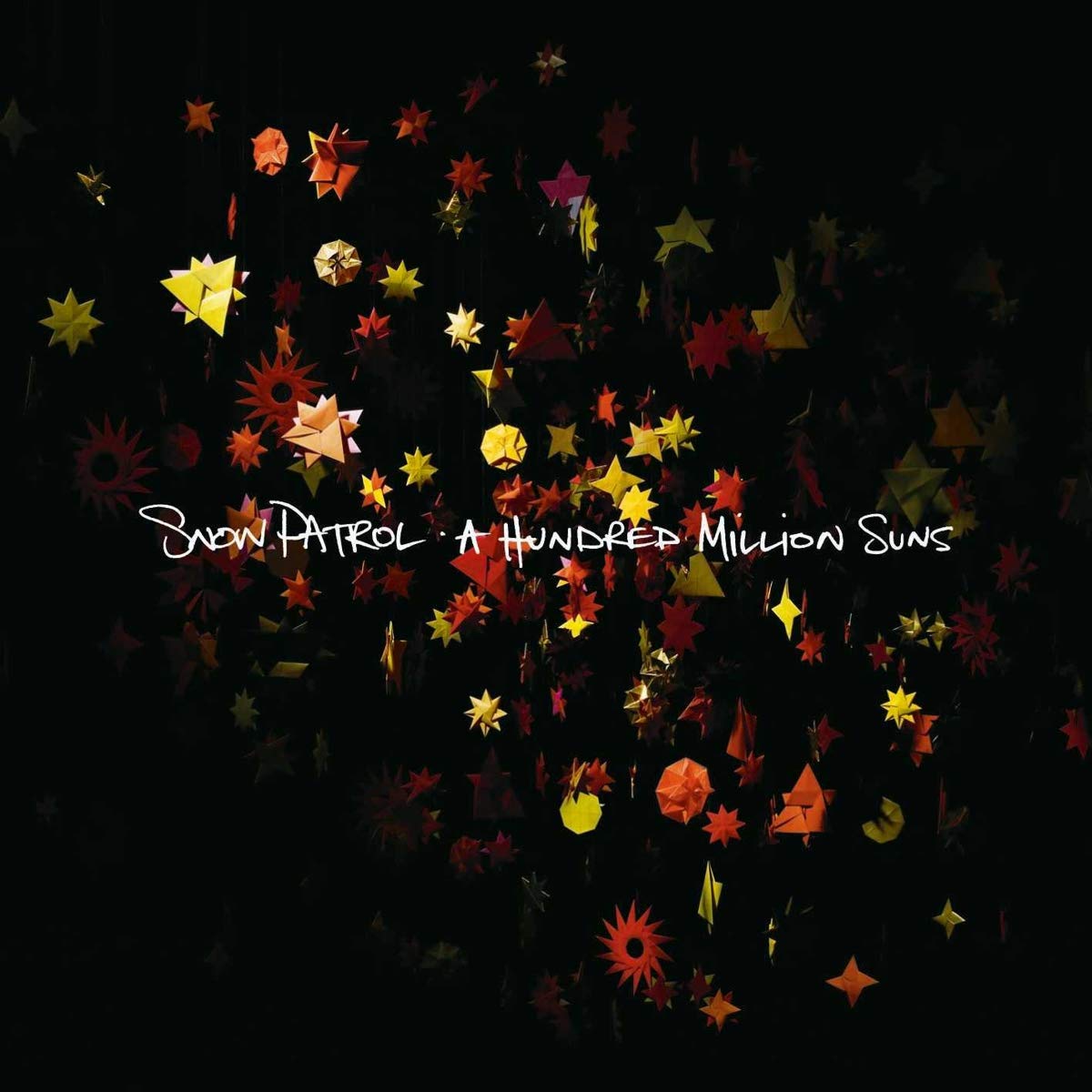
A Hundred Million Suns, unlike Snow Patrol’s previous two releases, focuses on the giddy start of a relationship rather than its end.
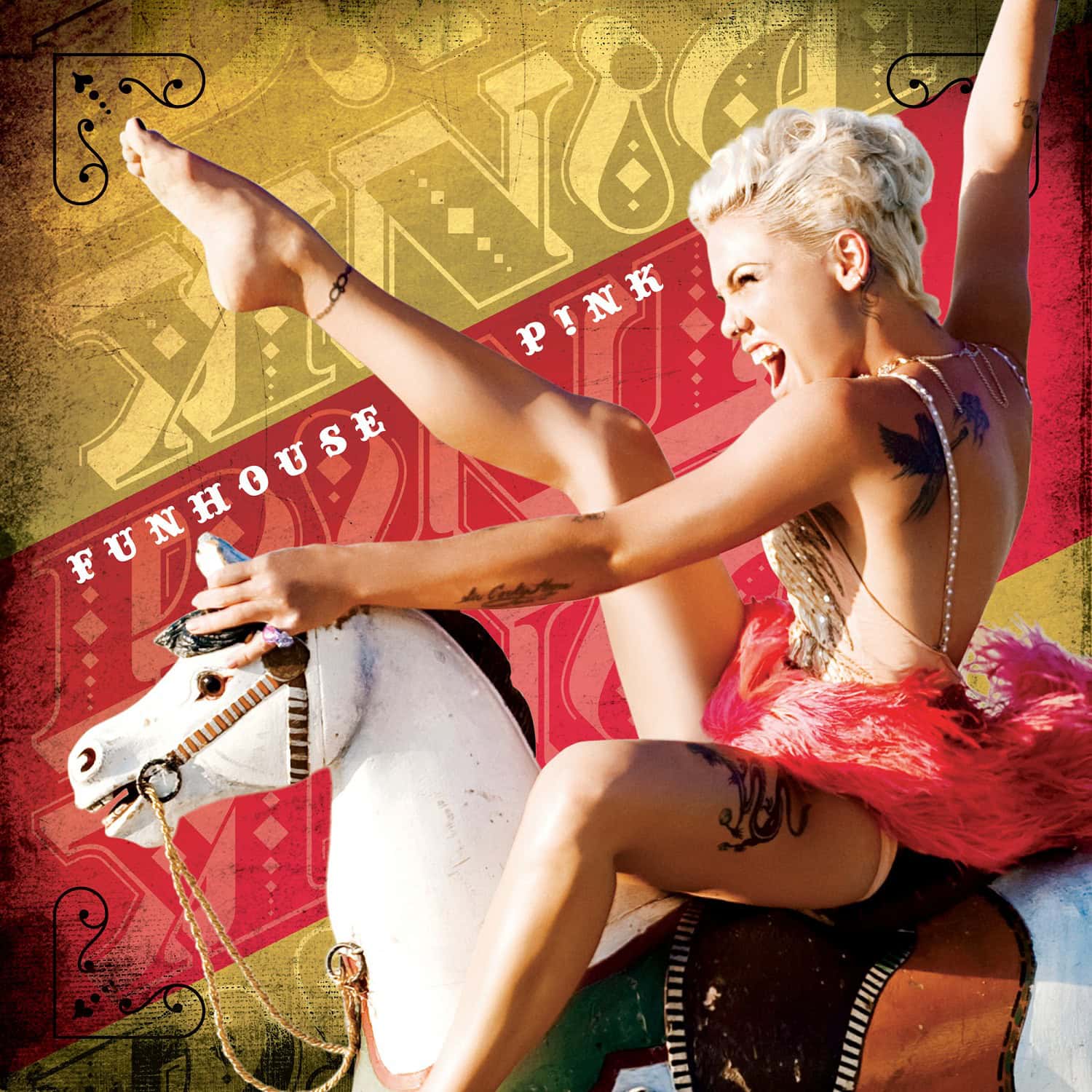
As divorce albums go, no one will mistake Funhouse as a Blood on the Tracks-style emotional bloodletting.

The songs that work reveal Gaga to be the Xtina/Gwen/Fergie hydra monster that she is.

Gossip in the Grain clearly shows Ray LaMontagne can do more than the typical singer-songwriter navel gazing.

Much of Does You Inspire You veers a little too far into silly terrain to elevate it above a well-made and well-performed oddity.

Frankly, Róisín Murphy ought to be bigger in the United States than she is.
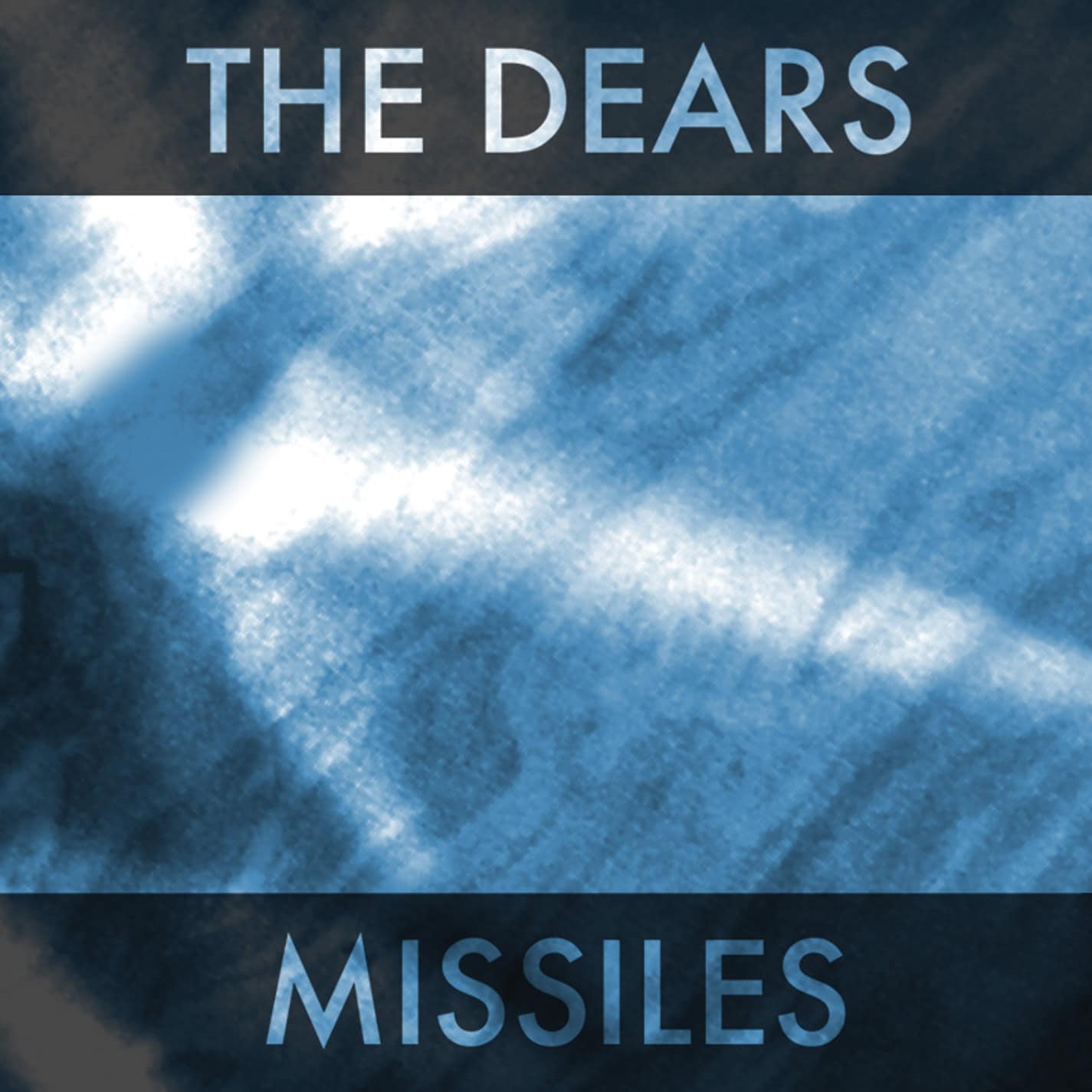
The Dears’s fourth album, Missiles, is a confession of turmoil and collapse.

Think of Japanese Motors’s self-titled debut as a West Coast response to Vampire Weekend’s.
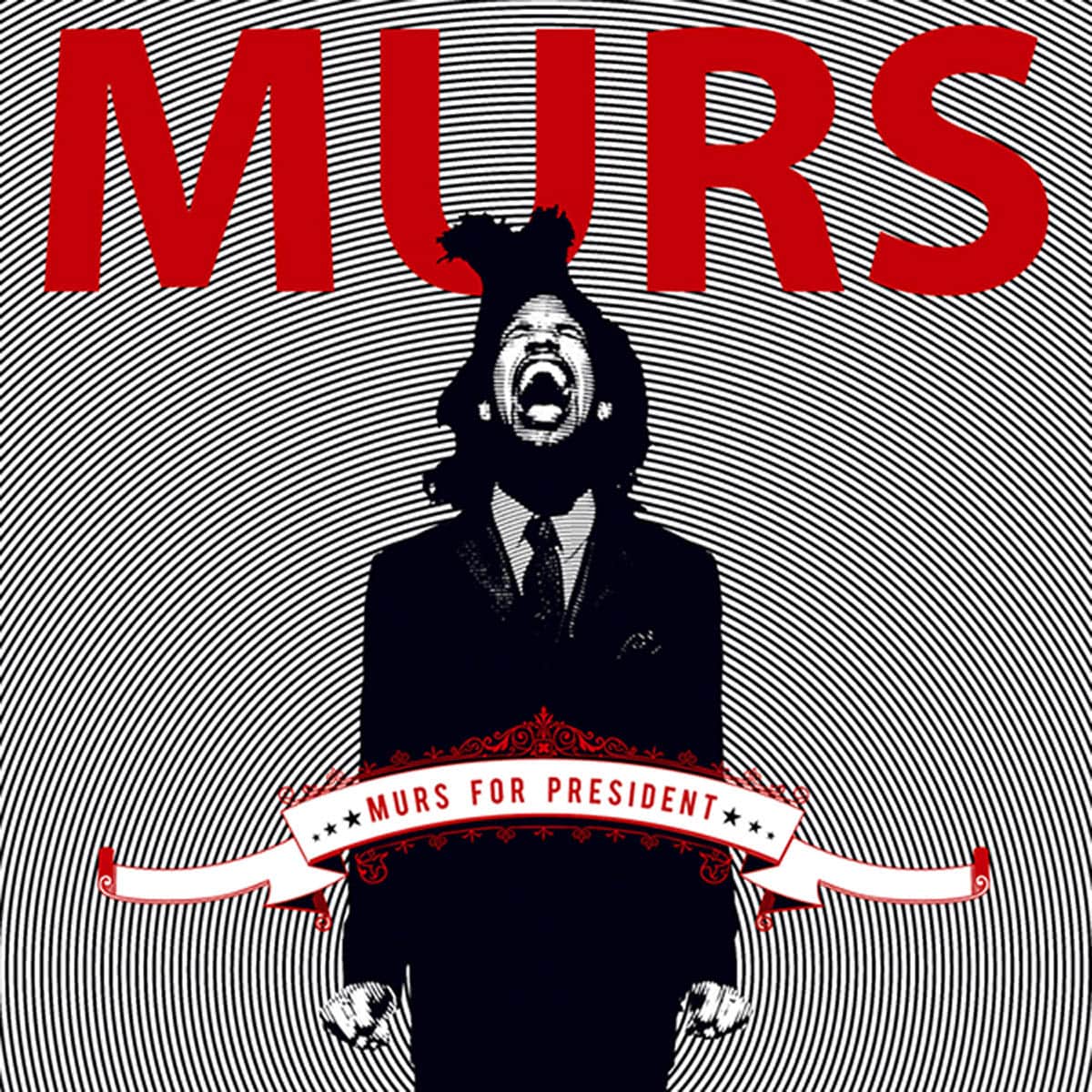
Murs’s major label debut, Murs for President, is also the rapper’s first attempt at mainstream appeal.
Aside from an increased guitar presence, Offend Maggie is standard Deerhoof fare.

It reaffirms that it’s far more than just his name that makes Williams one of the genre’s most vital artists.

Acclaimed vocalist Lee Ann Womack’s seventh studio album, Call Me Crazy, is aptly named.

On Skeletal Lamping, Kevin Barnes offers something of a treatise on modern sexual politics.

On Car Alarm, the Sea and Cake continue to prove that being a breezy post-rock band is not an oxymoronic impossibility.

The band’s sunny and melodic exuberance ensures that Such Fun is, above all else, a lot of fun.
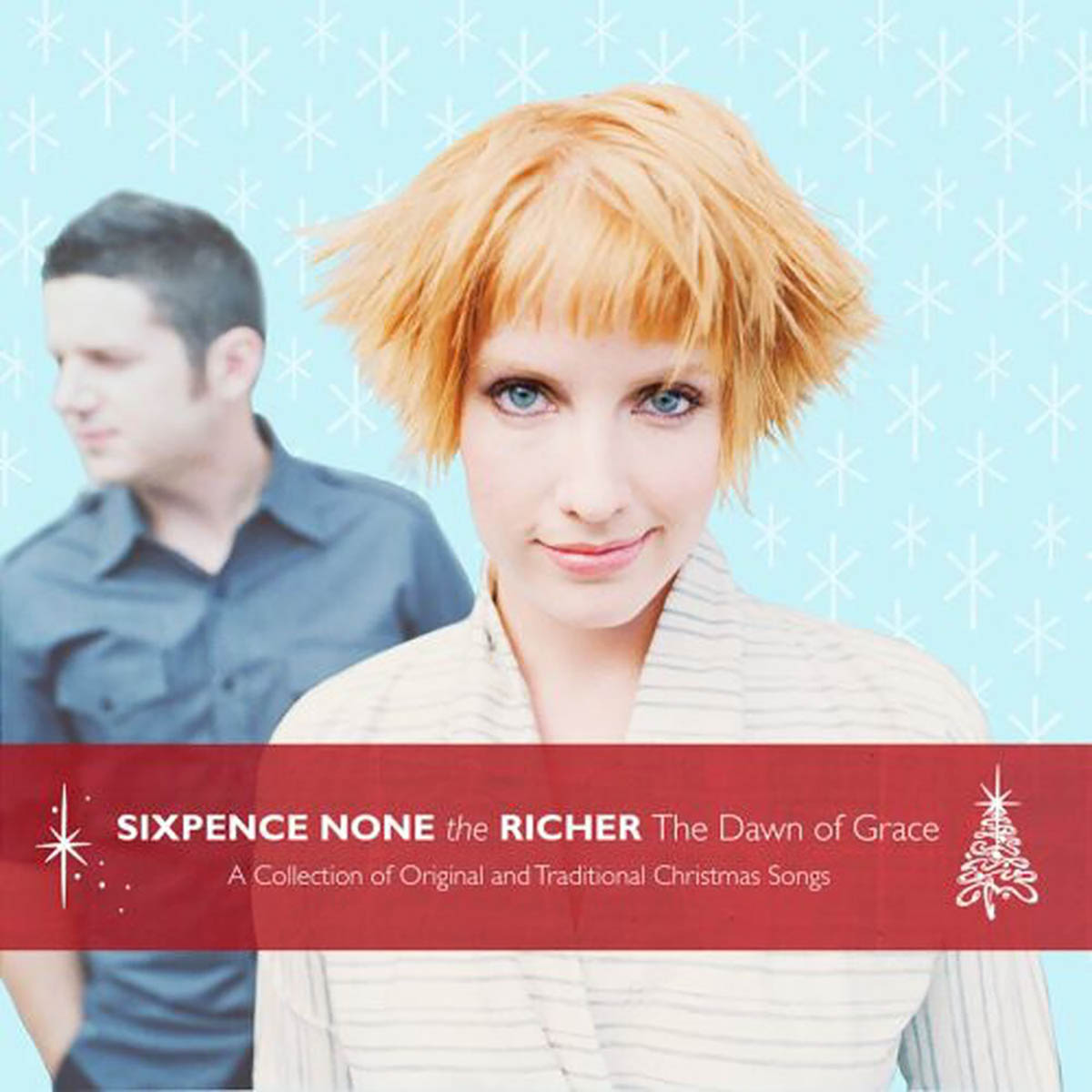
The album just doesn’t work—even for a sentimental bastard like me.
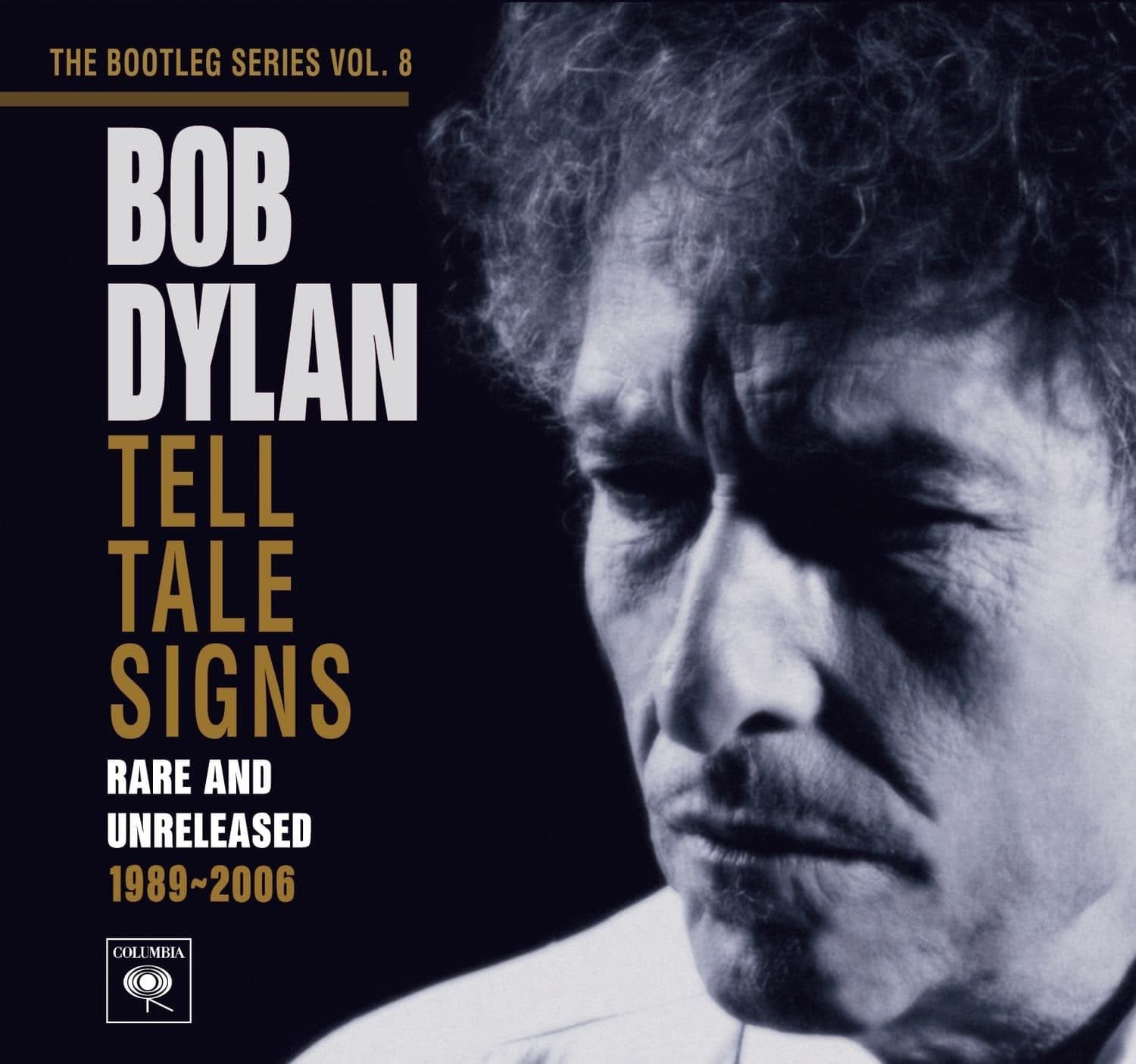
Tell Tale Signs is not the second coming of Self-Portrait, but it’s a hell of a head-scratcher.

There isn’t much emotional weight to Brun’s detailed but oddly unspecific lyrics.

It’s Costa’s performances that compensate for the album’s occasionally uninspired songwriting.