The anti-climactic climax, though, rescues the film from obnoxious whimsicality.


The anti-climactic climax, though, rescues the film from obnoxious whimsicality.

Quentin Tarantino’s second feature is at once ridiculously entertaining and remarkably weightless.

Robert J. Siegel’s film is that rare coming-of-age tale that doesn’t scream Afterschool Special.
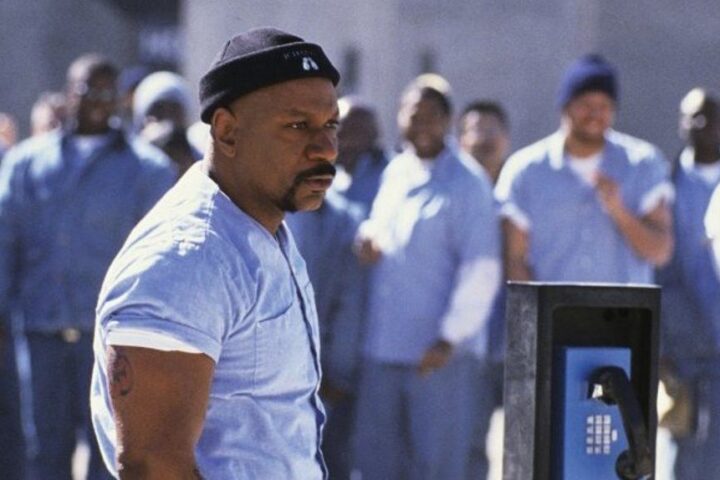
In the end, there’s nothing hiding beneath all the brio.

It remains one of the genre’s homelier entries, there’s no faulting a film this lovingly and aptly arcane.

The film is more Divine Secrets of the Blue Crush Sisterhood than Powerpuff Surfgirls.

As if Drop Dead Gorgeous wasn’t enough, the equally derisive Slap Her…She’s French is fixated on the spectacle of small-town competition.
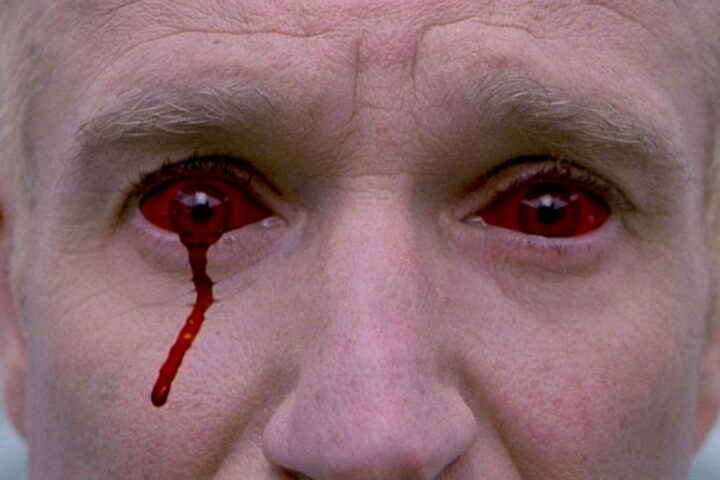
Robin Williams as a disgruntled-photo-lab-employee-cum-creep-with-a-heart-of-gold?

Paul Schrader’s Cat People is more of an erotic reinvention of the DeWitt Bodeen story.

Not unlike the New York of Ferrara’s many films, Asia’s very tangible world is one that seemingly welcomes self-destruction.
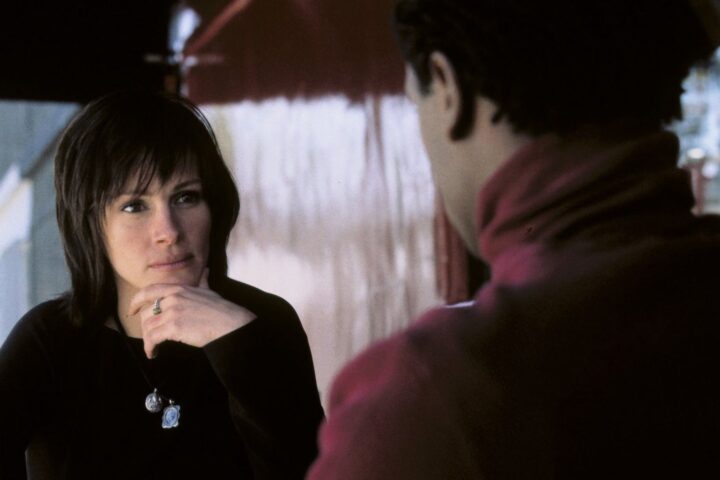
The film is too fixated with its own self-reflexivity to ever be about anything in particular.

By film’s end, it’s clear that family values are every bit as important to this kiddie empowerment saga as the inventiveness of its gizmos.

xXx is more expertly-made trash from director Rob Cohen.

This tale of heated passions and broken dreams was noticeably compromised by an insufferable shooting schedule.

M. Night Shyamalan has created a New Age horror flick that’s as earnest as it is eye-rolling.

Luis Buñuel embraces the mysteries of spiritual faith while damning a spiritual healer’s refusal to move with the times.

The film works neither as a parable for crippled male/female relationships nor as a study of isolation and fatal attractions.

Claude Chabrol’s camera has a way of gently swaying back and forth as it cradles its characters, veiling tension beneath otherwise tender movements.
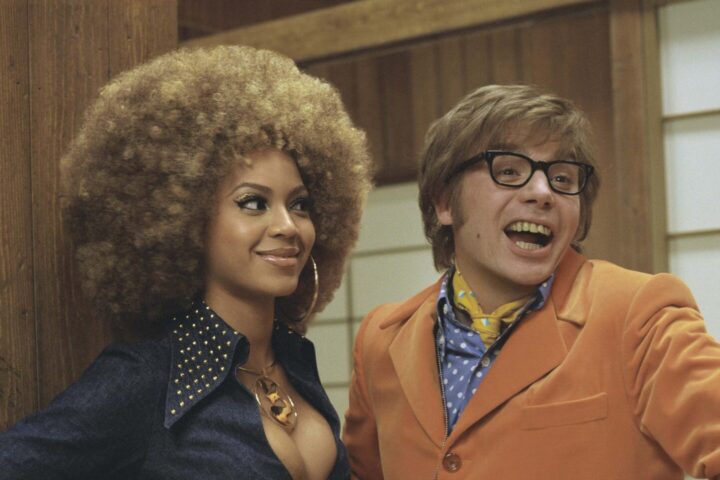
For the most part, Mike Myers puts on a good show.

If the film is any indication, the PTA Fan Club has collected enough fees from its members to buy itself a film camera and make their own movies.

The film seems to say less about the power struggle between its main characters than it does about S&M as therapy session.