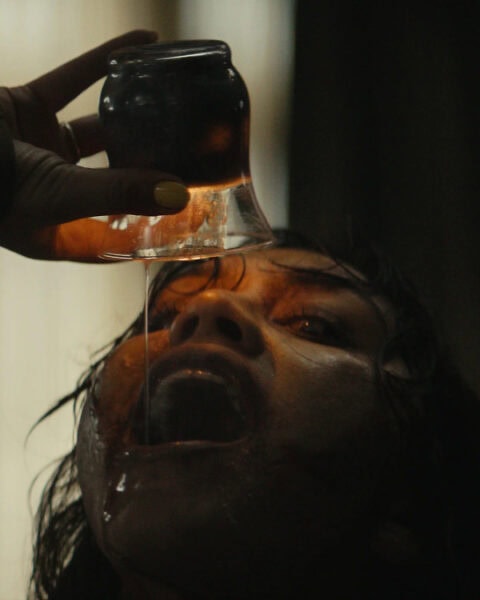
The anti-climactic climax, though, rescues the film from obnoxious whimsicality.


The anti-climactic climax, though, rescues the film from obnoxious whimsicality.
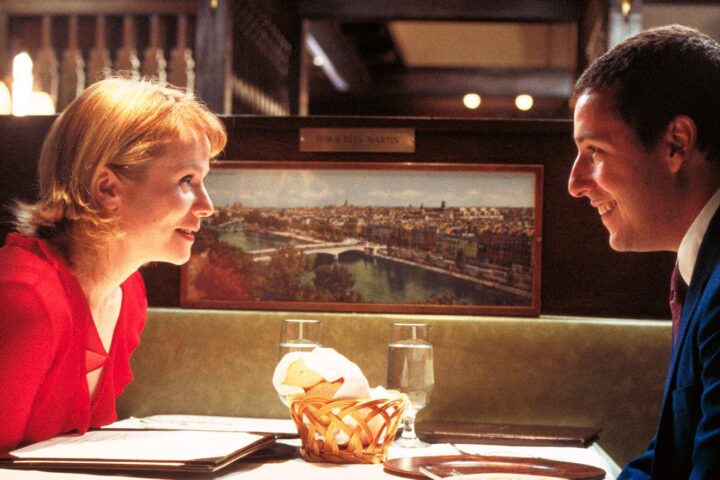
One could say it resembles punch-drunk love.

Though any number of scenes from the film could count as some of the wittiest of the year, the overall patchwork lacks emotional resonance.

Like Wiseman, Nicolas Philibert allows the subject matter to speak for itself.

Jia Zhang-ke’s haunting follow-up to Platform tracks various stages of underdevelopment.

The film’s intelligence is provocative and playful.
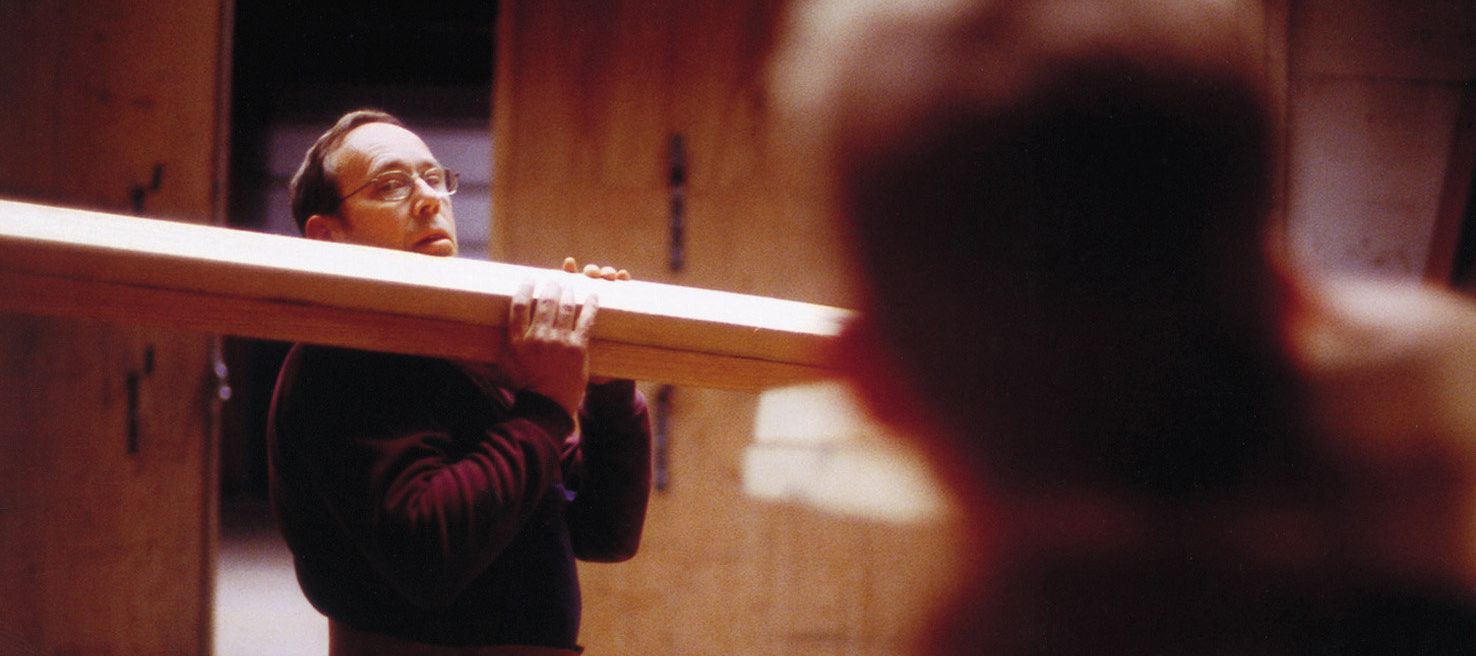
The latest film by Jean-Pierre and Luc Dardenne is not without allegorical implications.

You’ll laugh, you’ll cry, but you may also fall asleep.

If Alexander Payne’s snide sense of humor went hand-in-hand with Election’s political context, here it condescends to the Midwest pastoral.

If the EPA is ill-equipped to protect our drinking water from deer piss and biological attacks, neither is the film’s fictional CSA Corporation
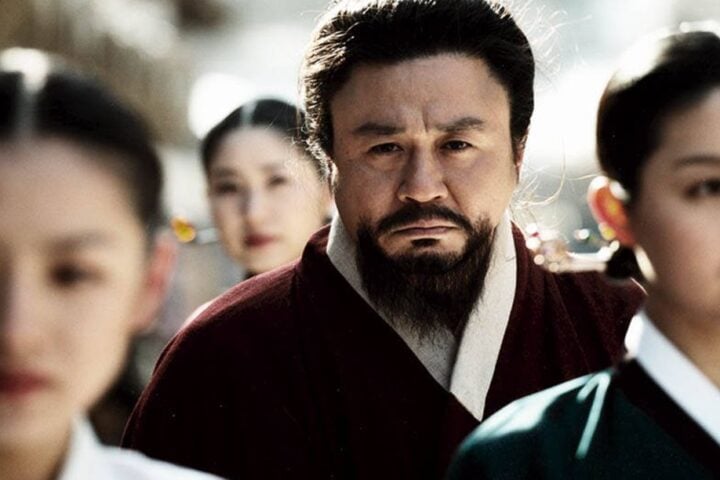
Im’s humanism is unmistakable but his recollection of Ohwon’s life feels cold at times.

What isn’t predictably unpredictable here just ends up making you yearn for last year’s Serendipity.

The film is possibly Kiarostami’s most rigorous to date.

That the film arrives stateside with the full censure of the Vatican more or less confirms Peter Mullan’s job-well-done.

The New York Film Festival turns 40 this year with more style and grace than its Toronto and Cannes counterparts.

François Ozon’s compositions suggest a man schooled on Sirk, yet there’s no real relationship between the film’s eight women and their surroundings.

Its earnest and undeniably tender touch couldn’t have come at a better time.
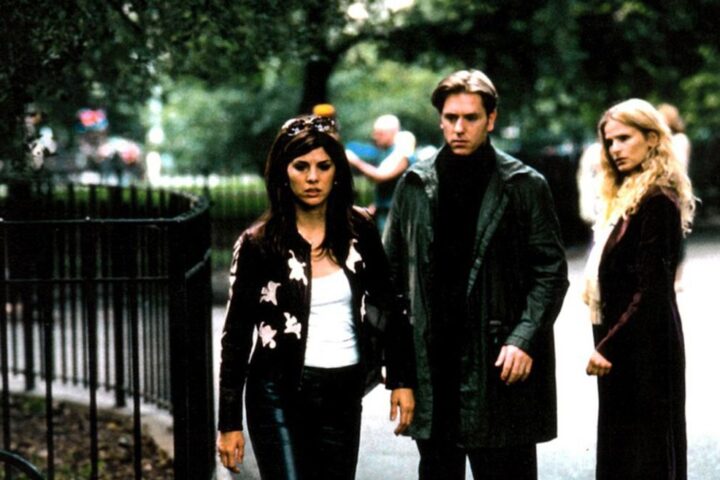
As if Igby Goes Down wasn’t enough, here’s more cruel behavior disguised as boldness.
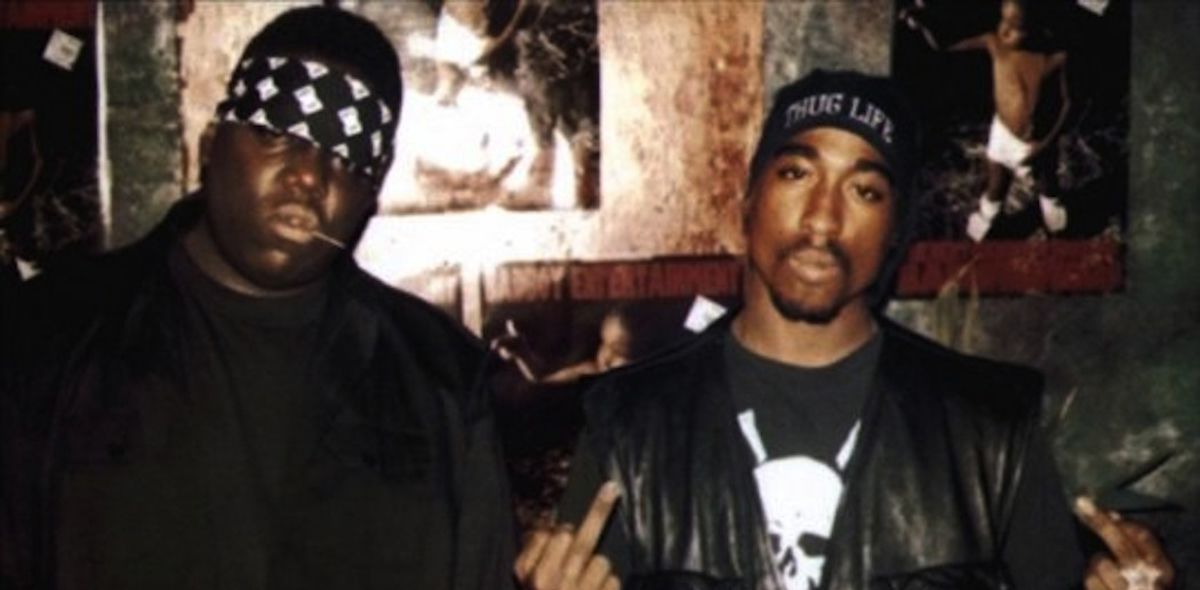
Nick Broomfield reveals an ironic manifestation of institutionalized slavery that ties a black-owned record label with a white-empowered police force.

The film is tedious and overblown even at a surprisingly short two hours.

Just as strong then as the Hermitage’s smell of antiquity is the possibility of liberation.