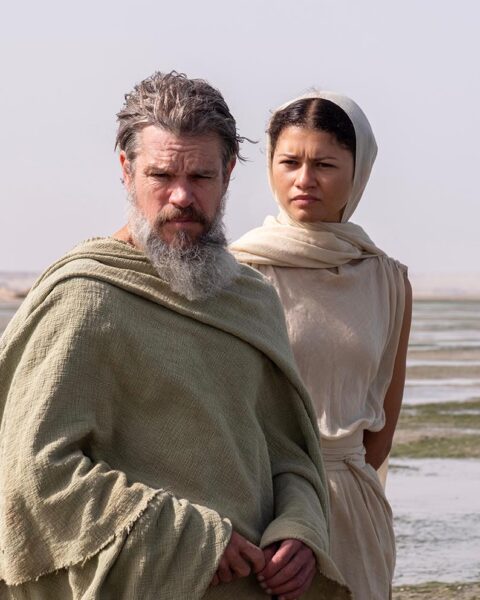
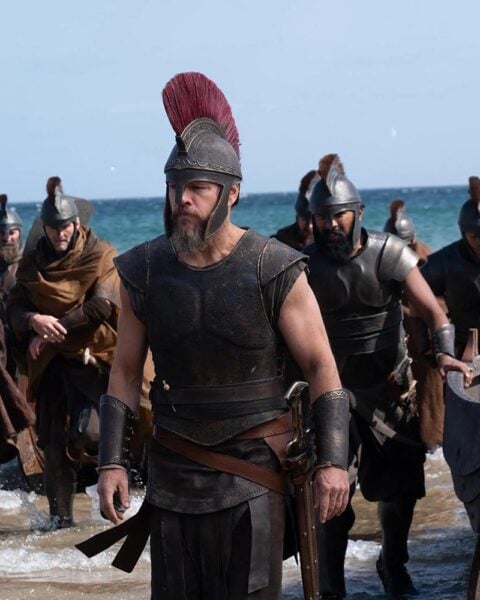
Colony essentially approaches Train to Busan’s setup from a 90-degree angle.
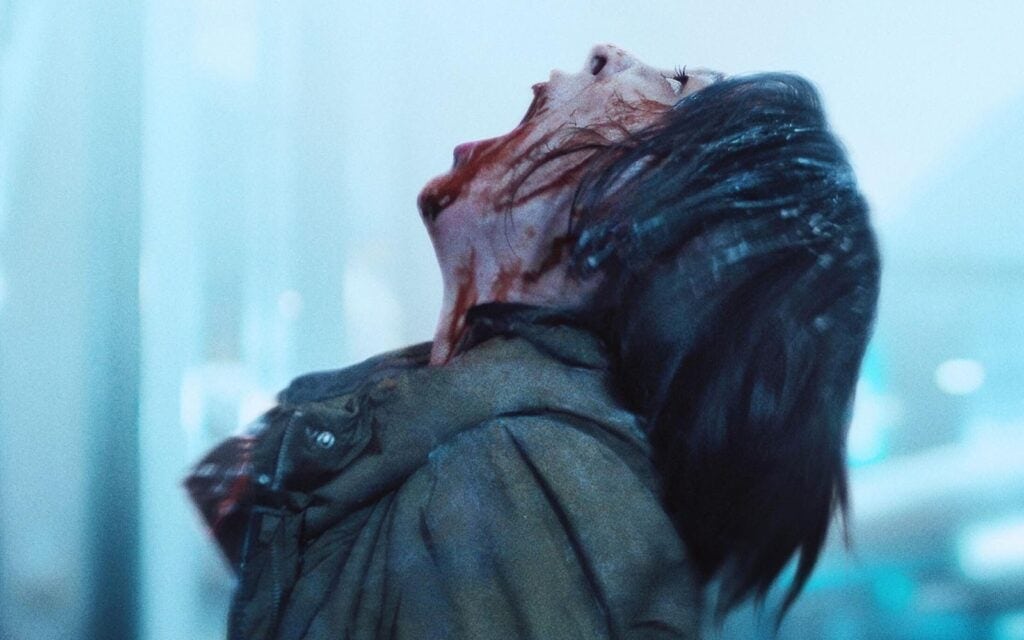

Colony essentially approaches Train to Busan’s setup from a 90-degree angle.

By resolving its story around a mano-a-mano, the film narrows its understanding of a system in which exploitation is privatized.

The film abounds in honest and at times disarmingly off-the-cuff moments that are borne out of character contrasts.
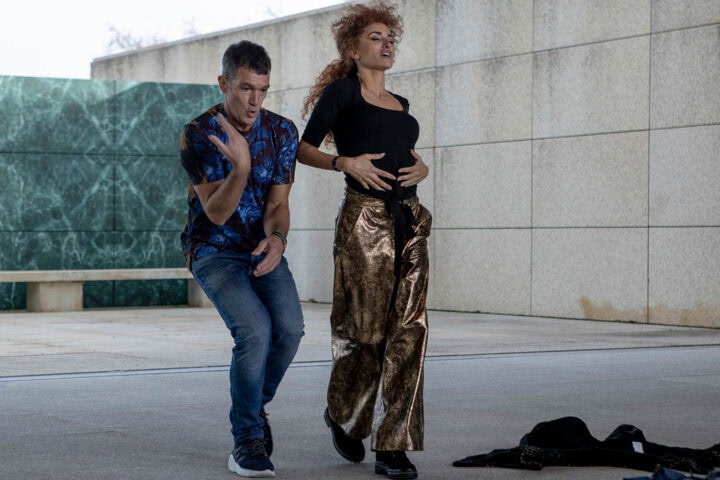
Official Competition is another film about filmmaking, but it escapes hermeticism by homing in on actors and acting.

The original Brian and Charles short focused entirely on its titular characters, and it’s clear that was for the best.

When the film isn’t suffocating itself with world-building, it gives itself over to corny fan service.

Hustle doesn’t seem to know how its characters fit into the complicated web of sports, media, and finance that defines the NBA.

Mad God offers a dense cornucopia of genre-fueled outrageousness that’s gradually united by a concern with cycles of warfare.
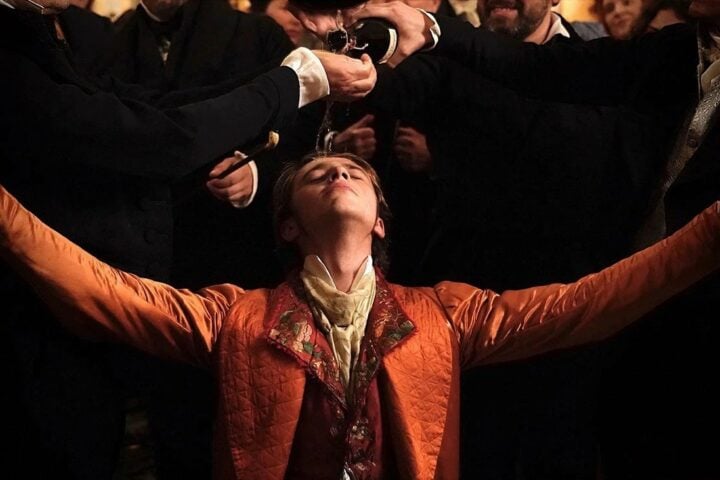
Lost Illusions leans heavily on voiceover narration that, for better or worse, draws attention to its novelistic mode of its storytelling.
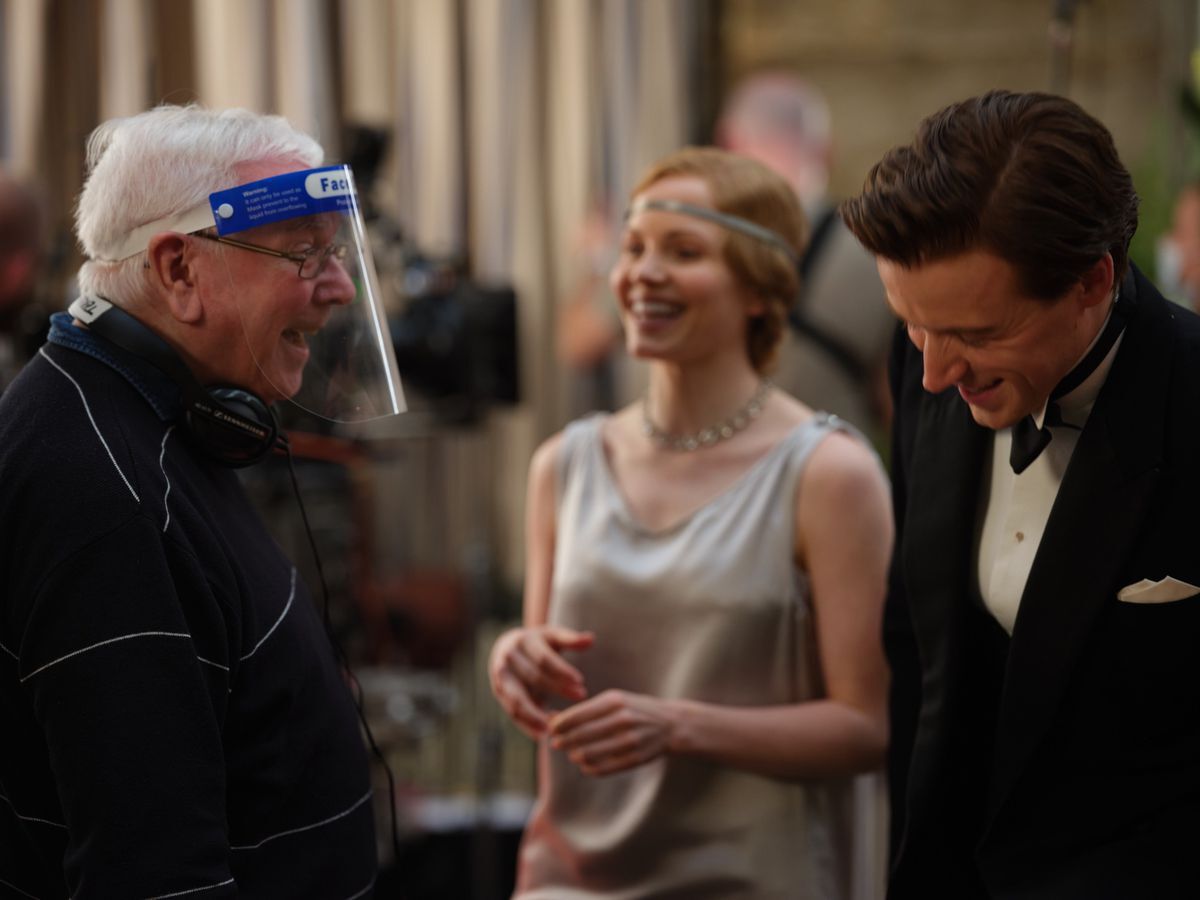
Davies discusses the autobiographical elements of Benediction, and Lowden his charge to feel every moment rather than act it.

Patricio Guzmán’s documentary leaves open the possibility of a future for Chileans that isn’t beholden to the trauma of history.
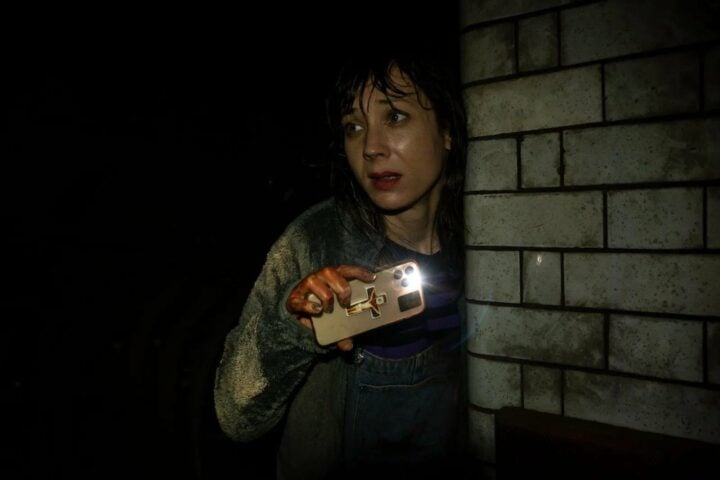
Dashcam is every bit the empty provocation as the troll at its center.

The film loses its satiric edge as it begins to melodramatically detail how Maurice Flitcroft inherited the mantle of folk hero.

The film is filled with a subtextual nostalgia for a fleeting youth and the urgency of figuring things out before it’s too late.

David Cronenberg stares upon humanity’s need to evolve toward some kind of survival with a serene, godlike assurance.

The Tsugua Diaries is something like Memento for an age of isolation and listlessness.

At its best, Alfonso Pineda Ulloa’s film gleefully embodies the grungy spirit of classic exploitation cinema.
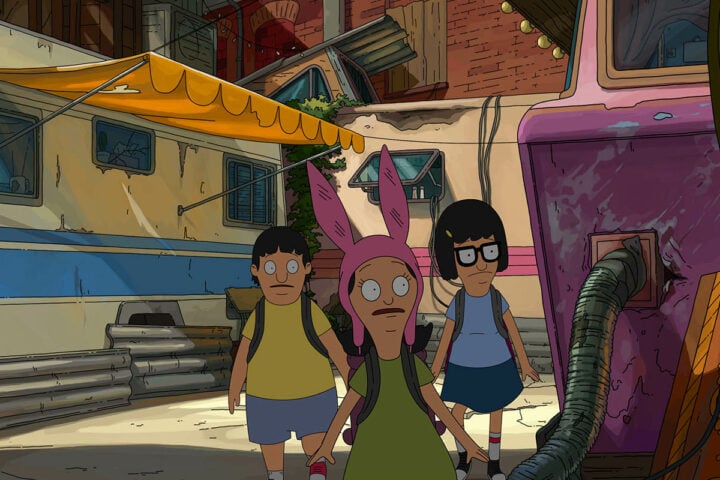
Throughout, the quick-hit jokes from the show’s rich cast of oddballs serves to suggest a vibrant world outside of the Belchers.

Hayakawa Chie reveals a culture that seems almost mobilized to destroy its own soul.

Unlike One Cut of the Dead, this ode to low-budget resourcefulness often rings false.

Emergency is uneven, but it’s grounded by dynamic performances and a vivid portrayal of the minutiae of friendship.