The Japanese auteur’s latest shows nothing more clearly than its untapped potential.


The Japanese auteur’s latest shows nothing more clearly than its untapped potential.
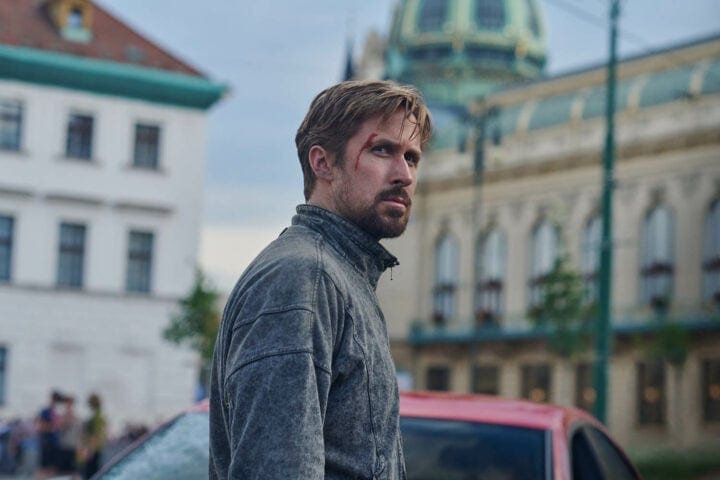
The Gray Man is a noisy, flashy spectacle that piles clichés atop ludicrous plotting and sprinkles it all with half-funny quips.

The film spins a soapy yet dramatically inert and often tone-deaf yarn about societal rejection and female empowerment.

There’s no surprise to recognize that FIDMarseille’s most obvious qualities are its lack of pretense and penchant for experimentation.
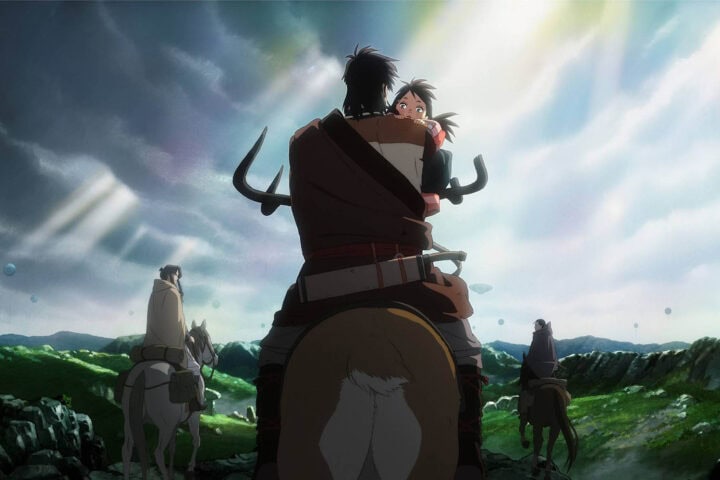
The Deer King leaves one with the impression that it hasn’t given itself enough room to truly soar.

The film’s ominous atmosphere derives less from the mystery of a disappearance and more from the scary business of getting older.

She Will can’t decide if its horror or comedy, nor does it strike the balance that would harmoniously hybridize them.

Pacifiction uses its thin narrative elements as a pretense to explore the texture of uncertainty, suspicion, and inaction.

The film proves again that the modern-day veneration of Jane Austen as the patron saint of the rom-com is also an act of simplification.

Marco Bellocchio uses his film, a delicate mix of biography and autobiography, as the catalyst for long-delayed therapy.

Dosa discusses her connection to Katia and Maurice Krafft as filmmakers and people and how the film has shaped her thinking of time.

Paradise, as Antoneta Alamat Kusijanović’s film shows, is hell for those without the freedom to leave.

Across Taika Waititi’s Thor: Love and Thunder, a war against the gods feels like an afterthought to a bad rom-com.
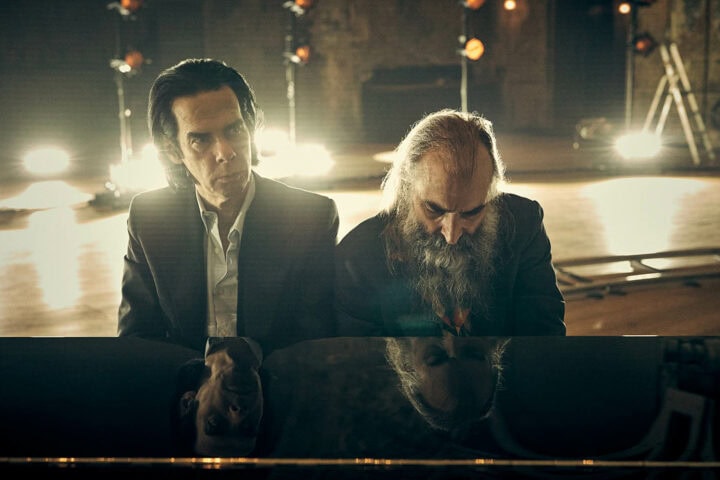
The accumulating effect of this airy and resonant film’s formal devices is that of a heartbroken artist learning to reengage with society.

The film appears to be torn between honoring the personal ambitions of its creators and playing by the rules of formula.

Though the film is initially hamstrung by a clash of creative visions, its class-consciousness is a welcome twist.

Strickland discusses Flux Gourmet’s depiction of “sonic catering” and why his Greek heritage features prominently in the film.

The films on our list prove that modern culture is currently obsessed with nostalgia, the very lifeblood of cinema.

The Black Phone suffers from a repetitive structure, over-stuffed mythology, and under-explored ideas.

Dean Fleischer Camp’s Marcel the Shell with Shoes On convincingly proves that bigger sometimes is better.

At its best, Baz Luhrmann’s Elvis taps into the frenzy that the King ignited in the world.