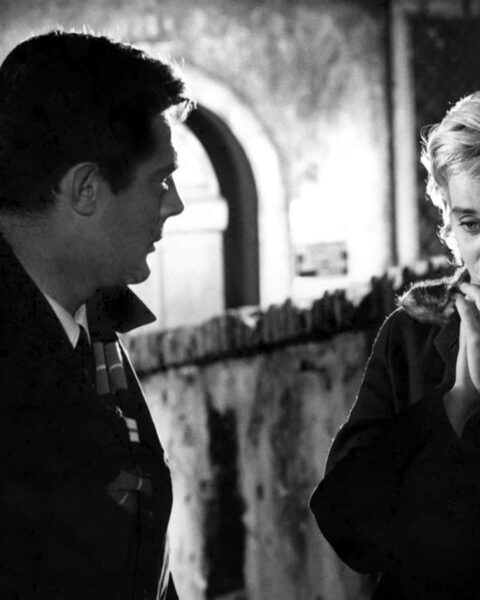
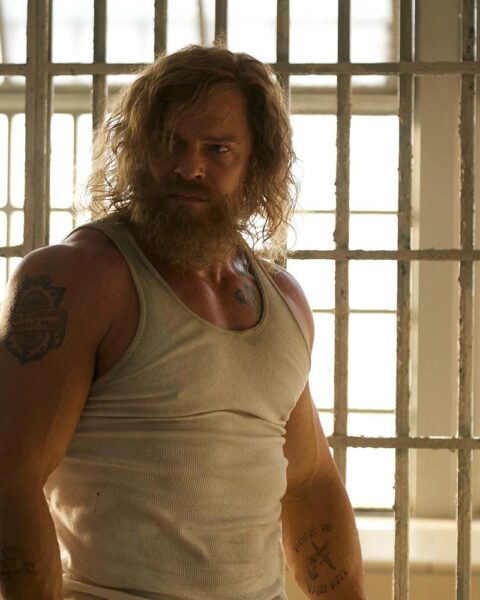
Refn discusses his love of fairy tales, falling through the rabbit hole of streaming, and more.


Refn discusses his love of fairy tales, falling through the rabbit hole of streaming, and more.
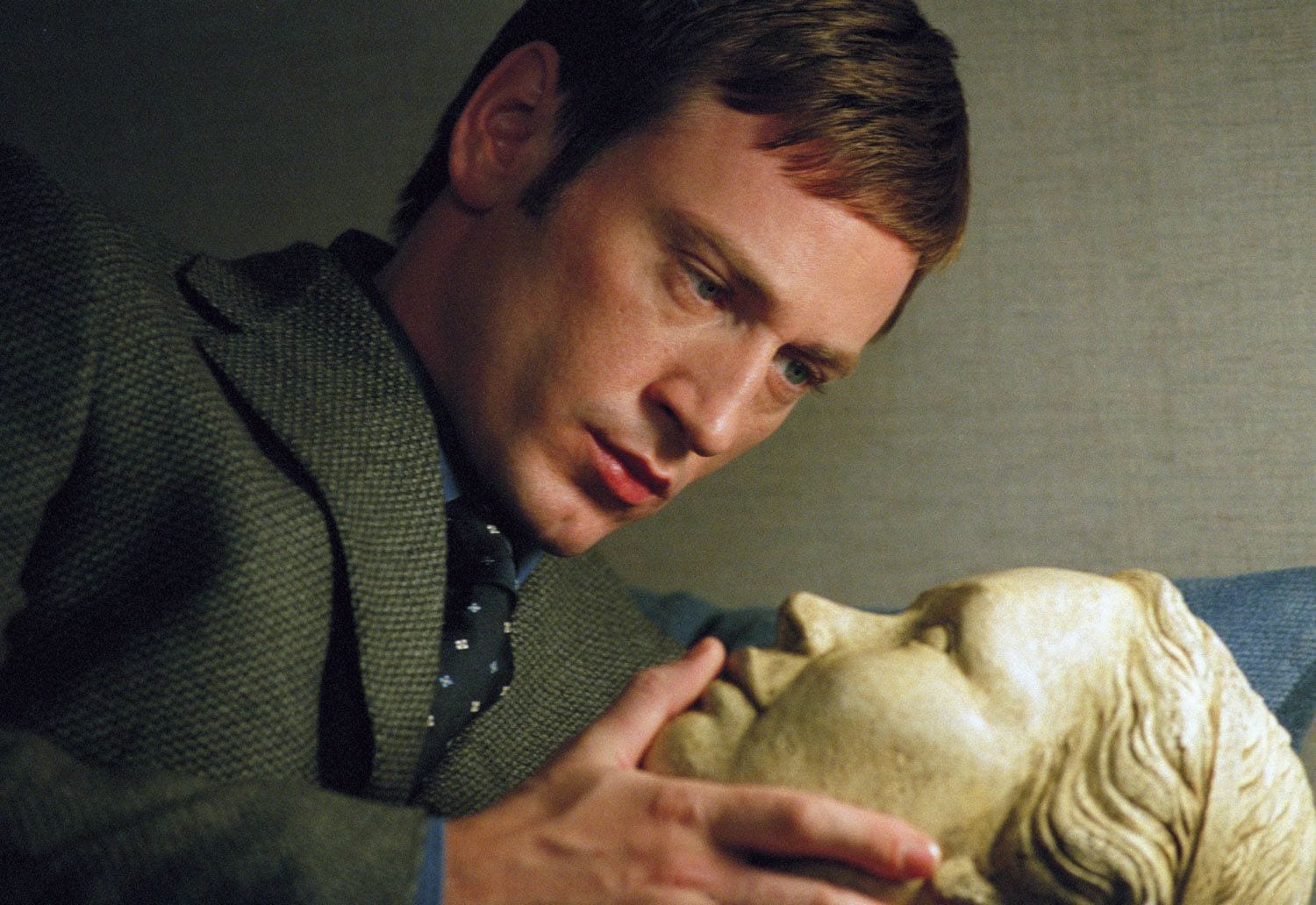
It’s a gripping lark that finds Claude Chabrol lithely sorting through the serpentine snarl of bourgie behavior.

Where Little Man really soils itself is in its calculated attempt to achieve so-bad-it’s good status.

The only relief here is that Ed Burns doesn’t conclude the story with a group of sensitive men cathartically crying.

It’s tempting, one must admit, to mangle the title of Woody Allen’s latest trifle and let it stand as a review.

The film’s account of authorial deception certainly benefits from its parallels to the recent outing of JT Leroy as a fraud.
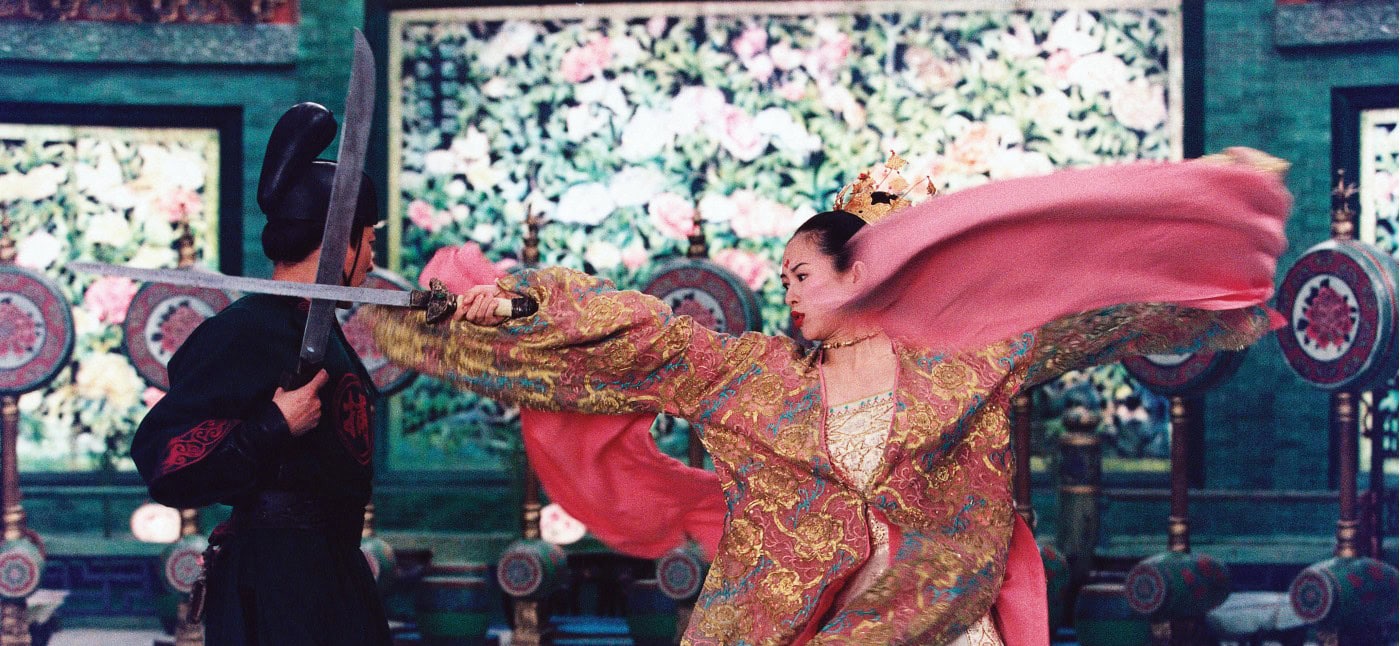
Certainly, these films do appear to be bridging some form of cultural gap.
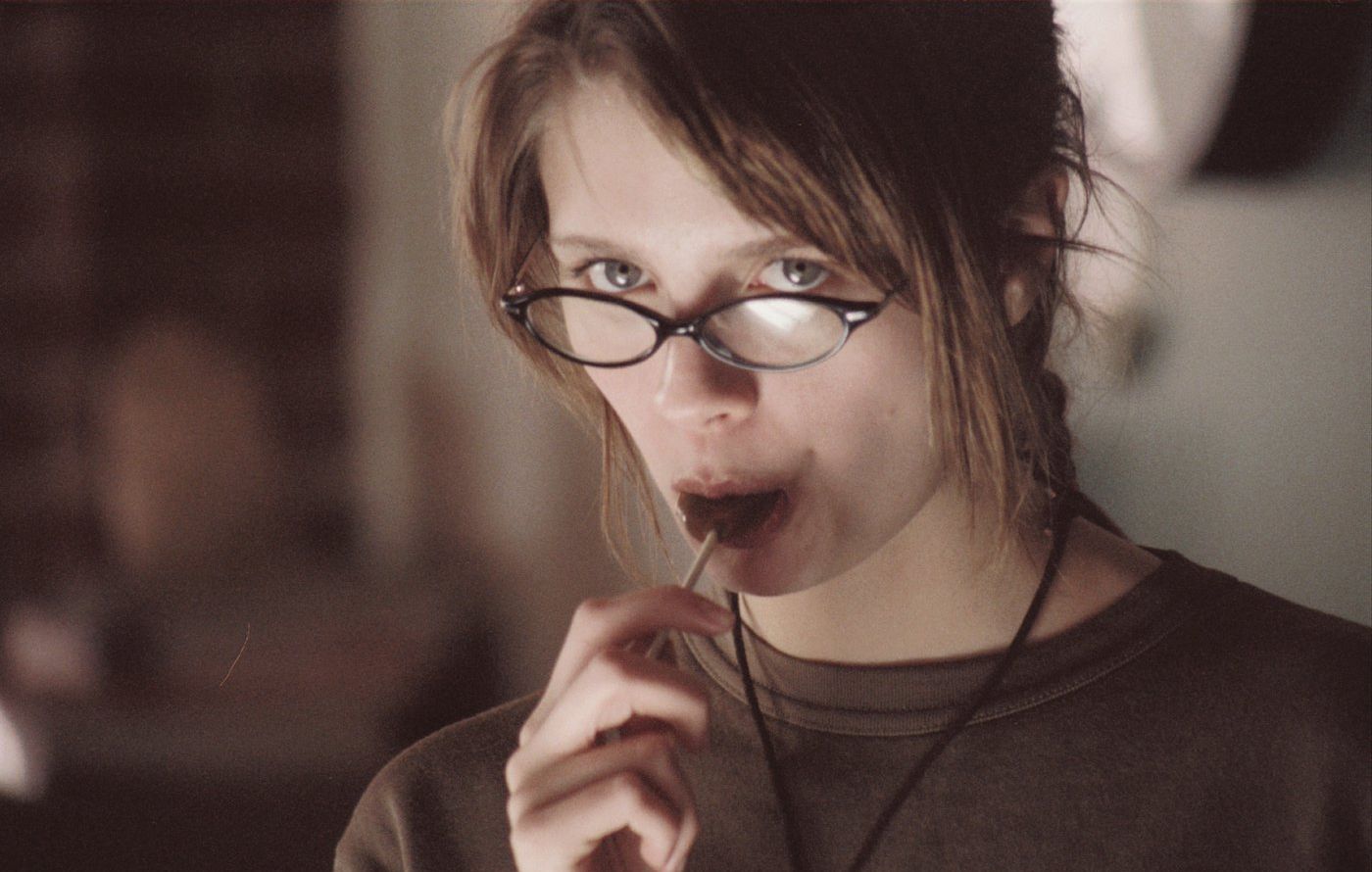
The whole thing has the dreary feeling of a bottom-of-the-barrel, clammy ’70s sex comedy.

The Color of Olives is another wartime political documentary that explores its subject from the gut, rather than the heart or the mind.

The double pleasure of the film’s aesthetic is how it reflects both Sri Mata Amritanandamayi Devi’s pull and the sense of spiritual growth she rouses.
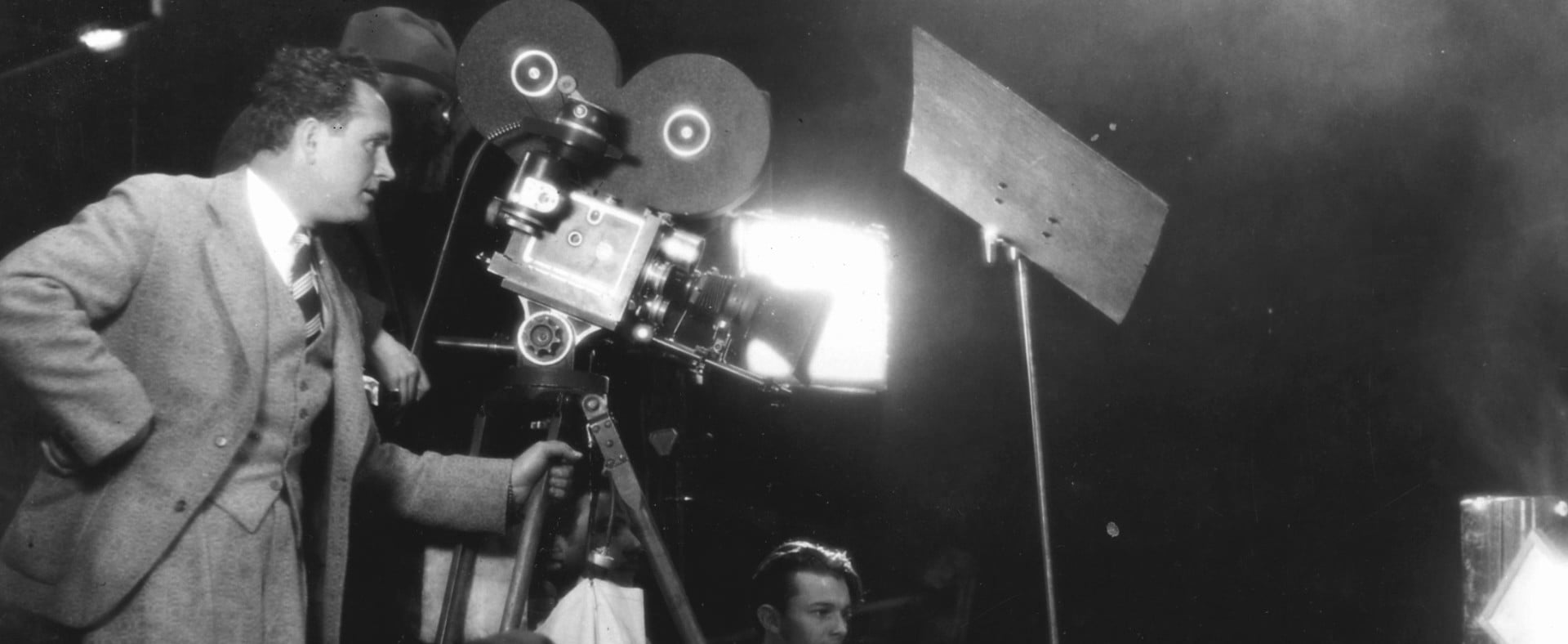
He is as abstract a fantasist of romance as Jacques Demy, who he surpasses through the sheer duration of his obsession.

The most clever aspect of You, Me and Dupree is its rhyming title.

Heather Lyn MacDonald’s documentary is a familiar mix of taking-head interviews, archival material, and accident simulation.
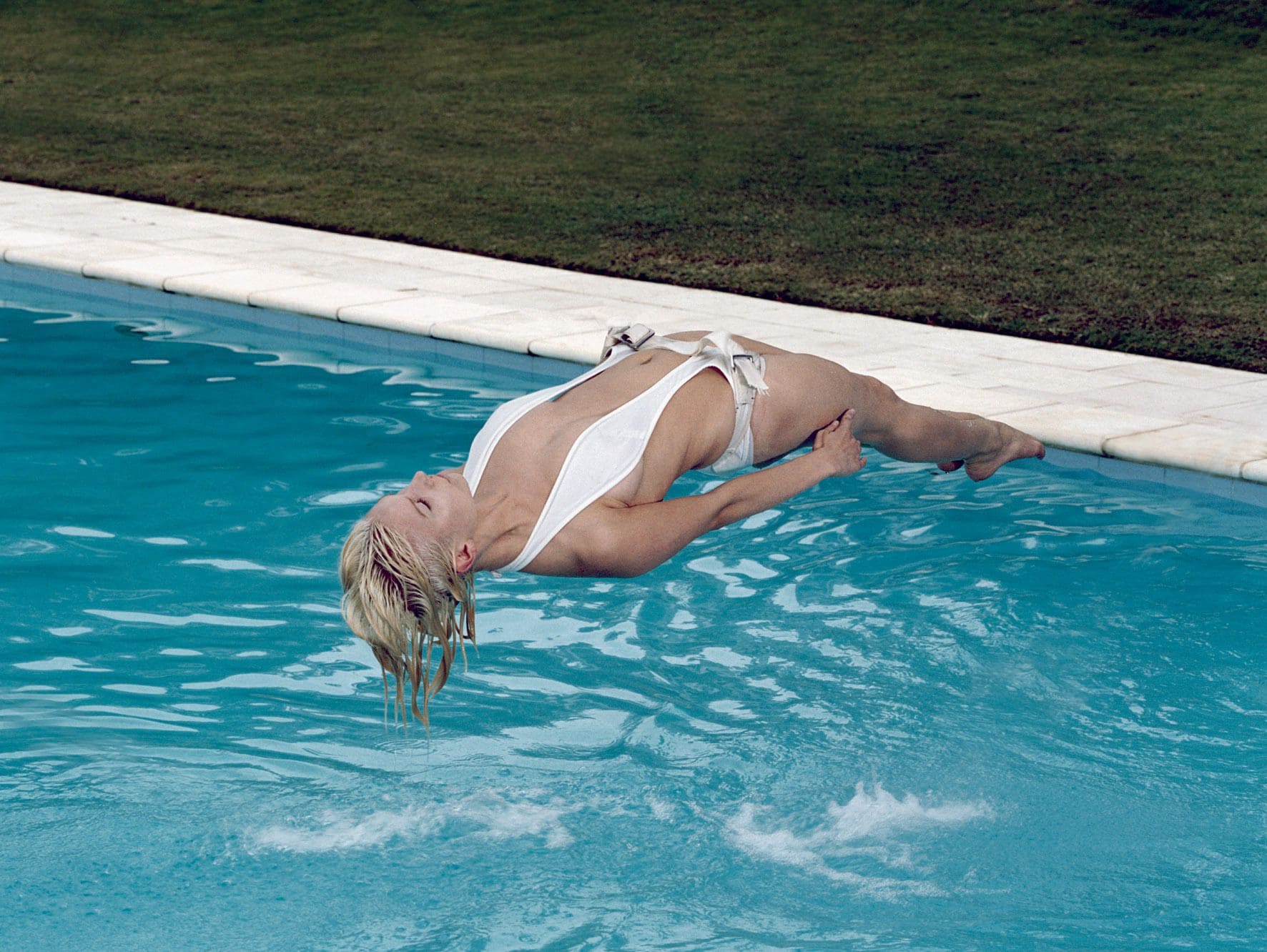
The world according to these far-flung shorts will only appear familiar to patrons of the BAMcinématek.
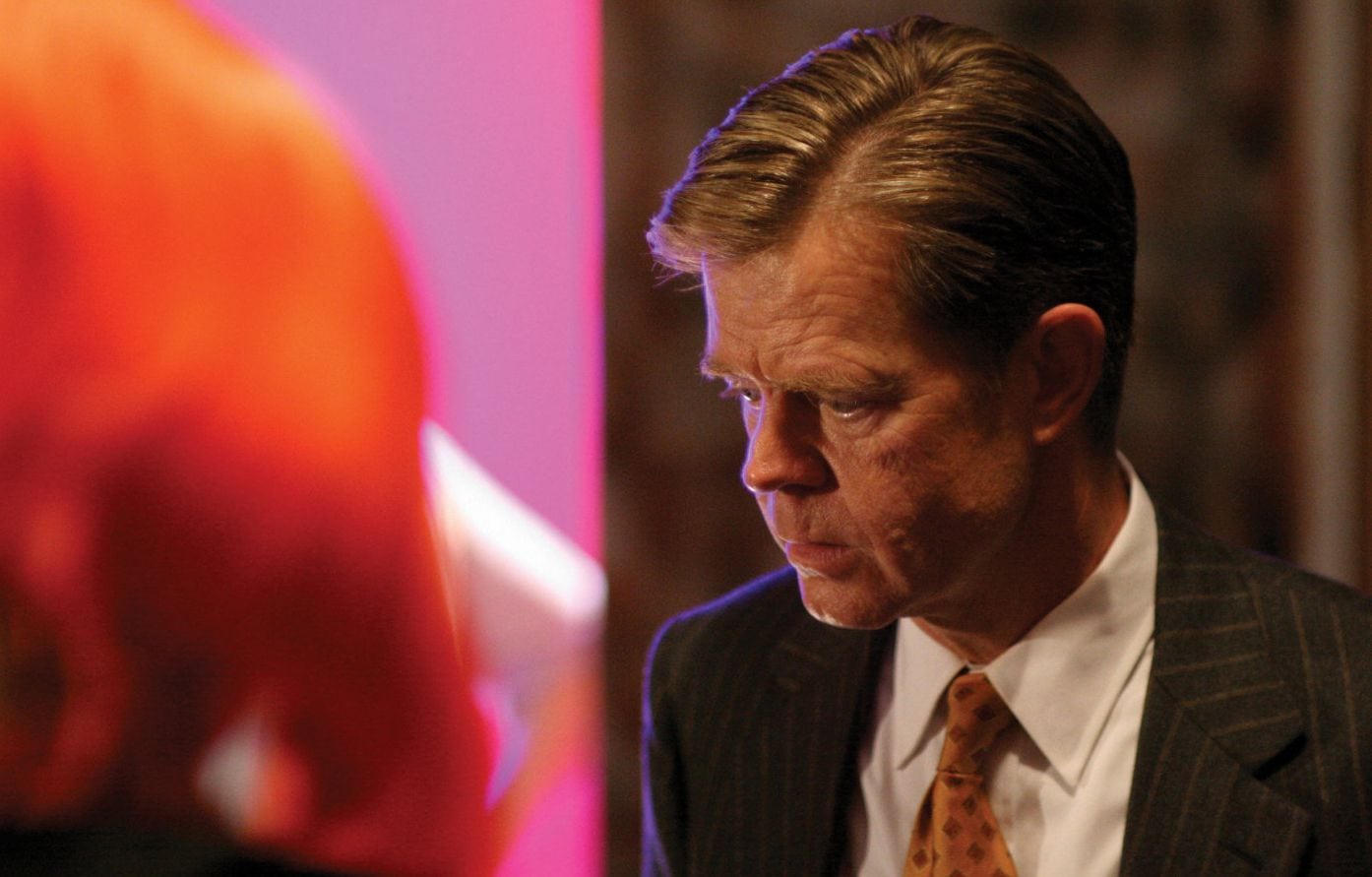
David Mamet’s macho prose pares down the world to blowjobs, power, and God.
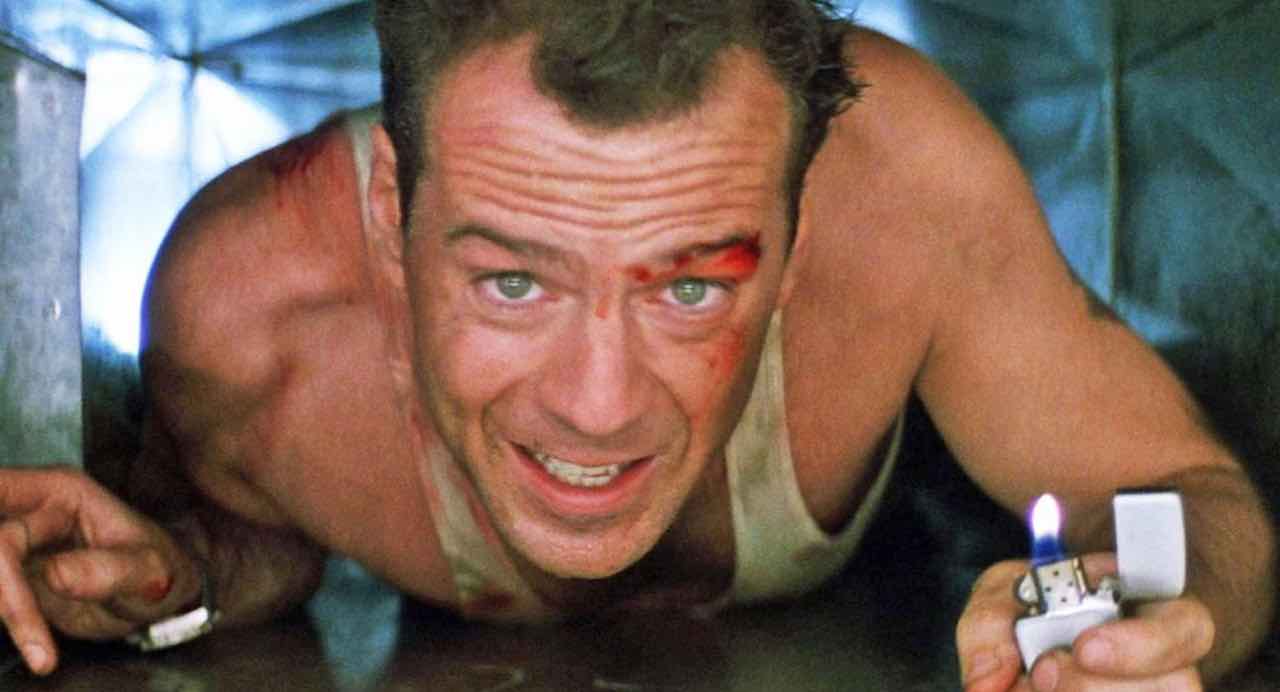
Die Hard is, in a way, three movies in one.
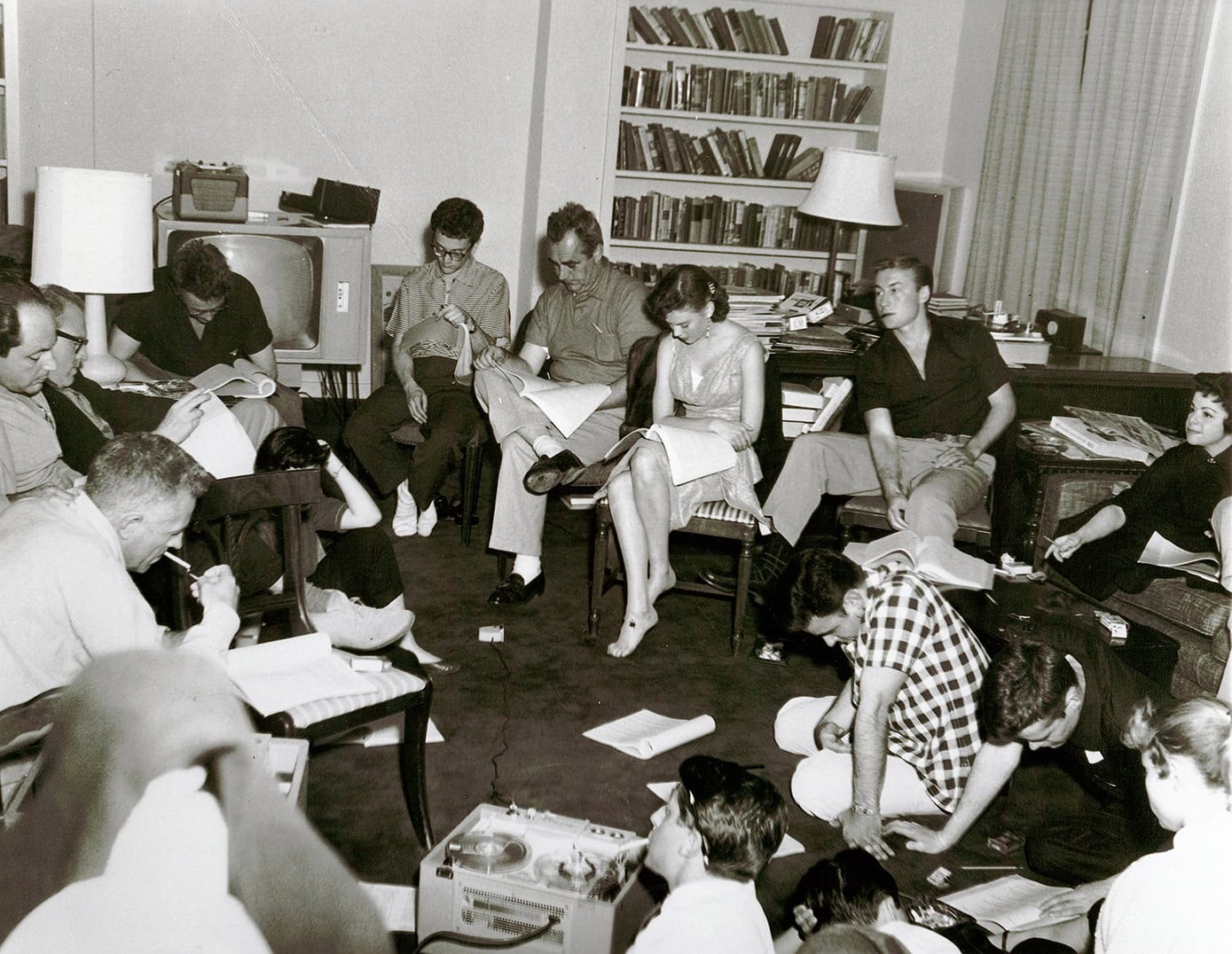
Stewart Stern is best known for writing the screenplay to the seminal American classic, Rebel Without a Cause.
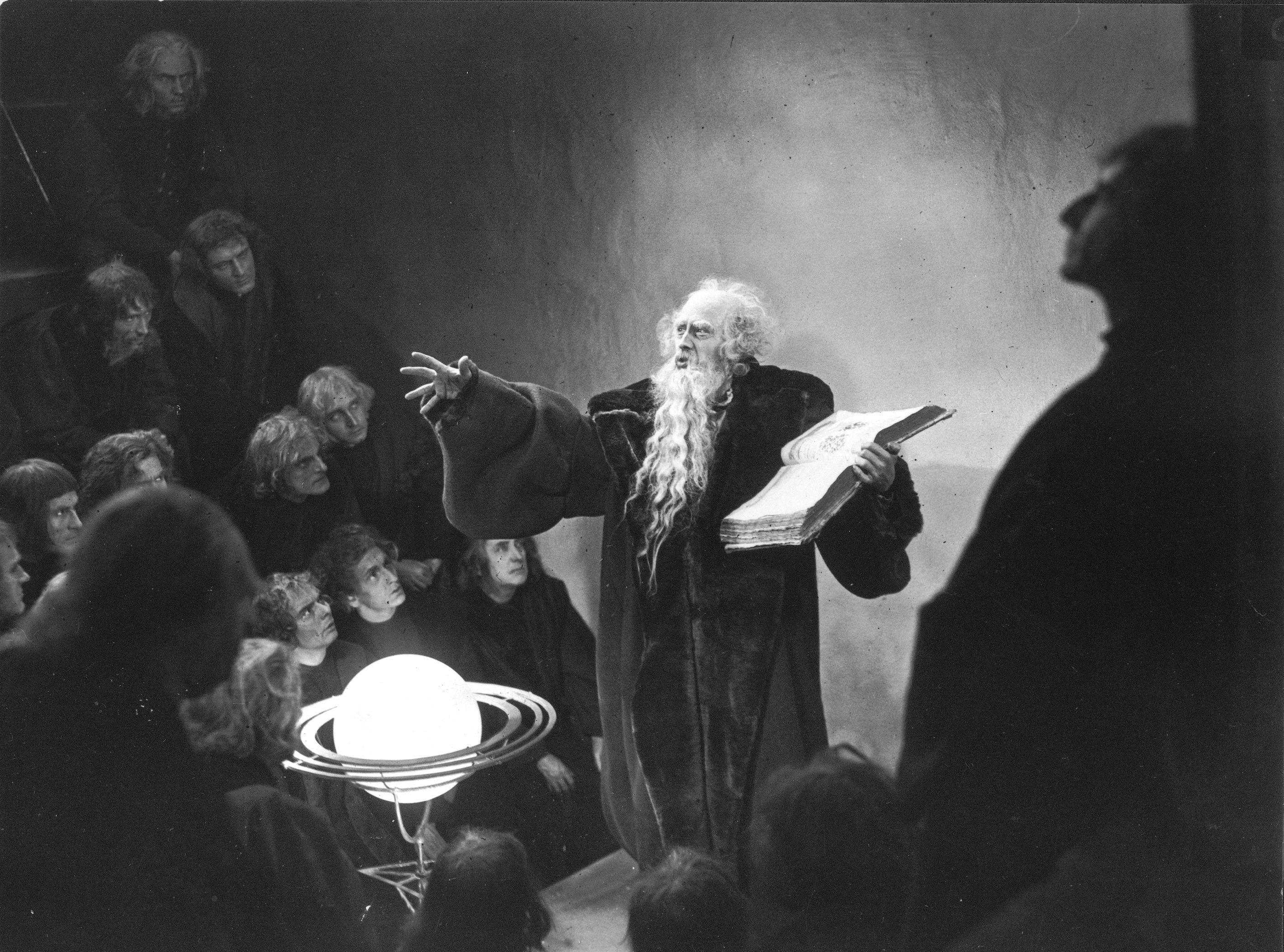
It’s no coincidence that a book-length study of its stylistic wonders of was later written by another believer in cinema’s theatricalization of reality, Eric Rohmer.

Laurent Firode’s romantic comedy only manages to progress from plot point A to B thanks to the witlessness of its unbelievably naïve protagonists.

Director Sturla Gunnarsson is only partially up to the challenge posed by his illustrious source material.
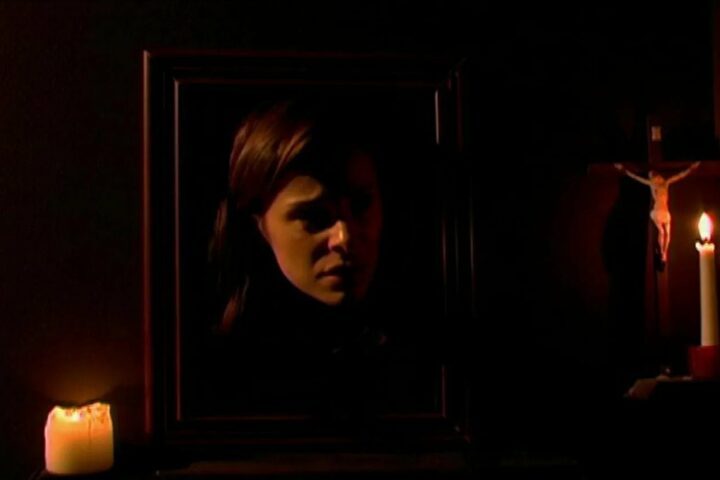
The film is heavy and nutty, which is apt given that its subject is the sponge-like effects of mad cow disease on the brain.