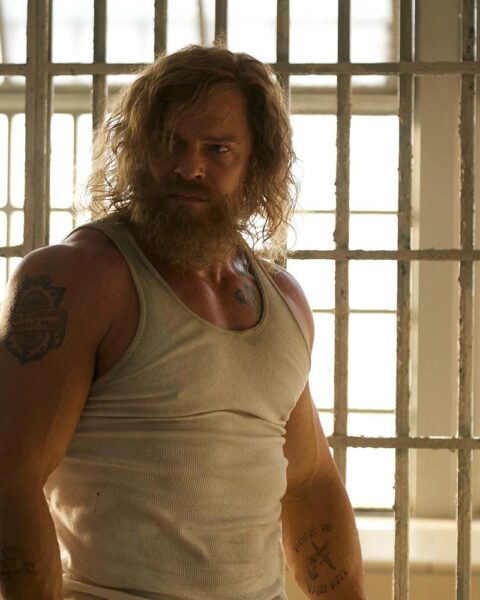
Refn discusses his love of fairy tales, falling through the rabbit hole of streaming, and more.


Refn discusses his love of fairy tales, falling through the rabbit hole of streaming, and more.

You really have to wonder what exactly made the Friday the 13th series so wildly successful.

Friday the 13th Part 2 never aspires to be termite art.

Even if people wanted to vote for a critics darling like Josh Brolin (Milk) in this category, to do so might seem akin to failing one of the Joker’s social experiments from The Dark Knight.

Politically, sexually, and spiritually, Stamp is an icon of the most idealistic side of the ’60s.

The finale is an extended tour de force equal parts Bruce Lee, Tony Jaa, and Donkey Kong.

Life might very well lack purpose, and it might very well be a struggle, but that doesn’t mean you have to be an asshole about it.

The brouhaha over The Dark Knight’s eligibility has been settled and found irrelevant.

Cox’s heartfelt take on the true-life relationship between Sid Vicious and Nancy Spungen could easily have been just another rock biopic.

There’s something almost quaint about JFK now.

Memorial Day is little more than a pointless exercise in brutality.

The film envisions a city kept artistically alive by people willing to offer not just aesthetic objects, but pieces of their lives.

Henry Selick’s Coraline offers a steady diet of artful, kinetic stimulation.

The film leaves the audience with perhaps the most ill-fitting coda in the annals of dumb youth comedies.

Jonas Mekas has often said that he considers himself a “filmer” rather than a “filmmaker,” but what he’s actually saying is that he’s not an editor.

Oliver & Company is as out-of-touch as anything ever made by Disney.
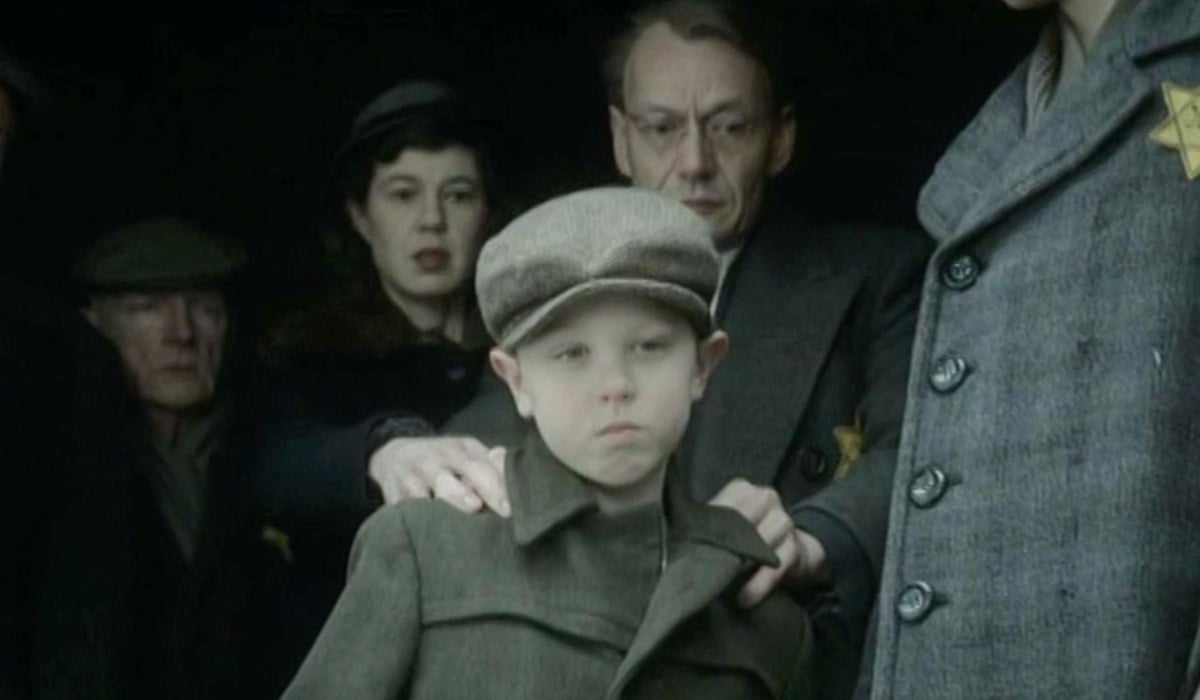
Manon on the Asphalt is a whimsical evocation of a woman’s life flashing before her eyes, but On the Line is the real standout here.

Strange that the only time Pixar won here was the same year it lost—and tragically so—in the race for Animated Feature.

We’re betting that Guillermo del Toro’s Oscar goodwill continues here.

In Serbis, sex, like everything else, is first and foremost a question of economics.

Marlon Riggs’s end-of-life presence anchors the project’s themes.