The film suggests David Lynch’s masterful mindfuck Inland Empire for the influencer set.
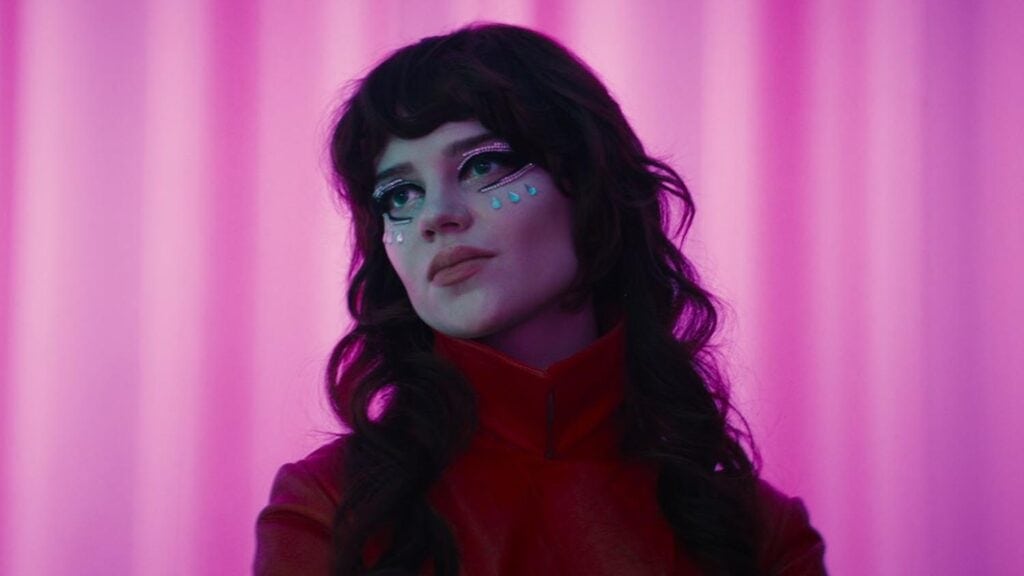

The film suggests David Lynch’s masterful mindfuck Inland Empire for the influencer set.
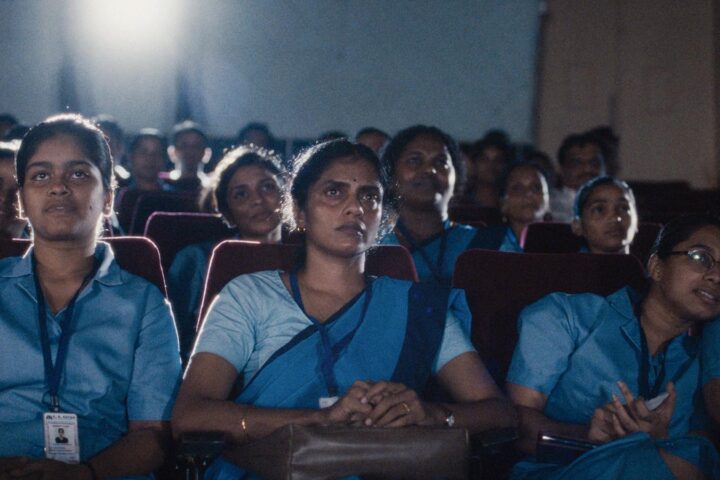
Kapadia discusses her influences, her exploration of language, and more.
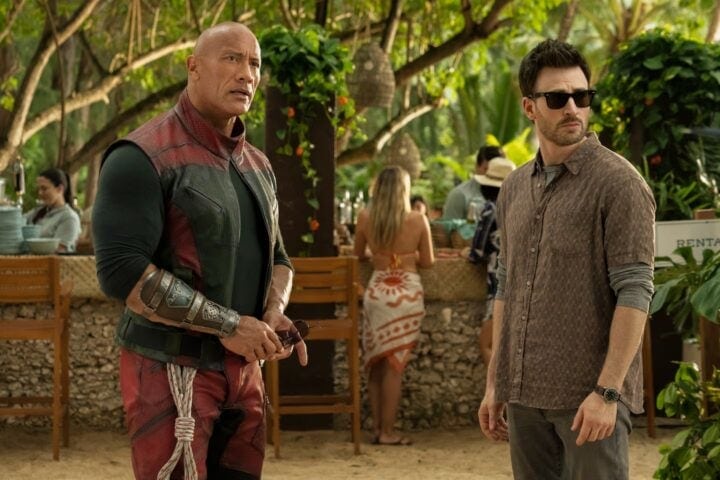
Red One tries to straddle the line of naughty and nice, and ends up being nothing as a result.
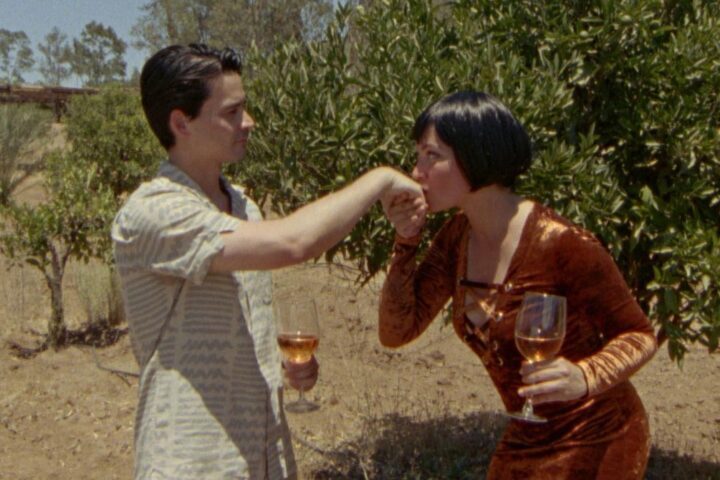
Dream Team’s absurdist brand flirts with art-for-art’s-sake disengagement.
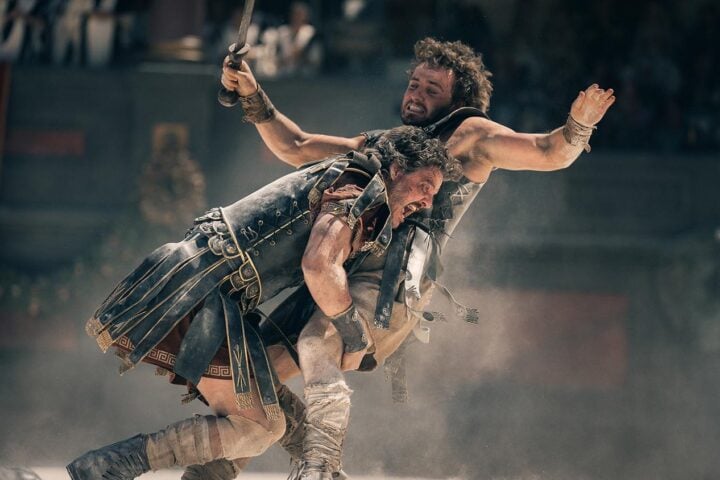
Like so many latter-day Scott films, Gladiator II at once feels half-baked but overstuffed.
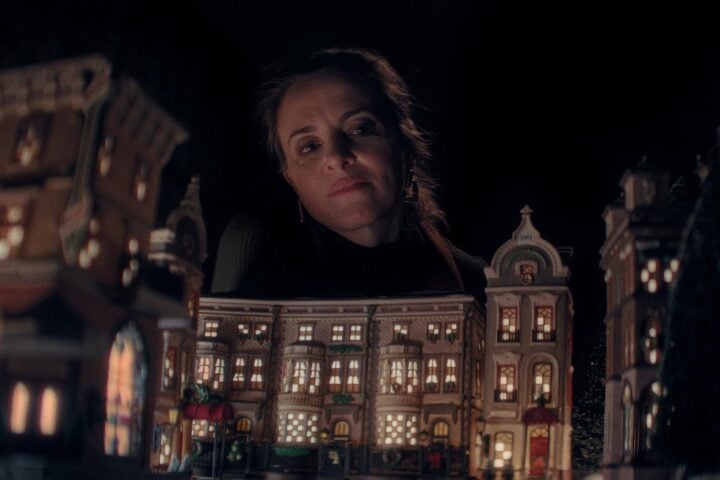
Taormina discusses how “sonder” informs the shape and texture of his work.
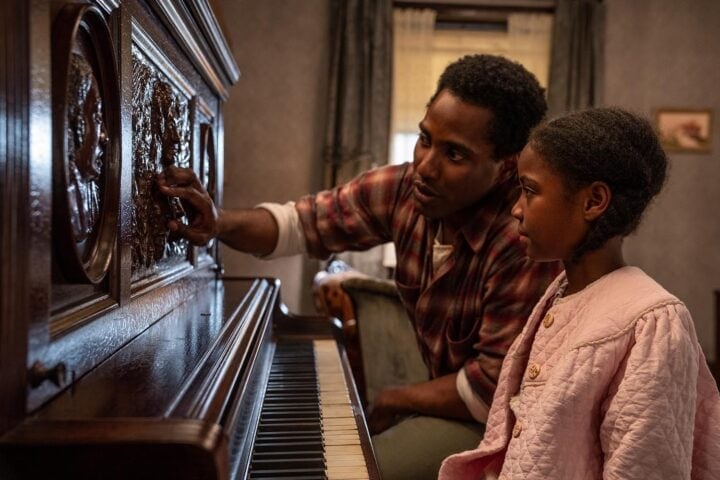
The film, at times, strains for visual dynamism at the expense of the play’s natural rhythms.
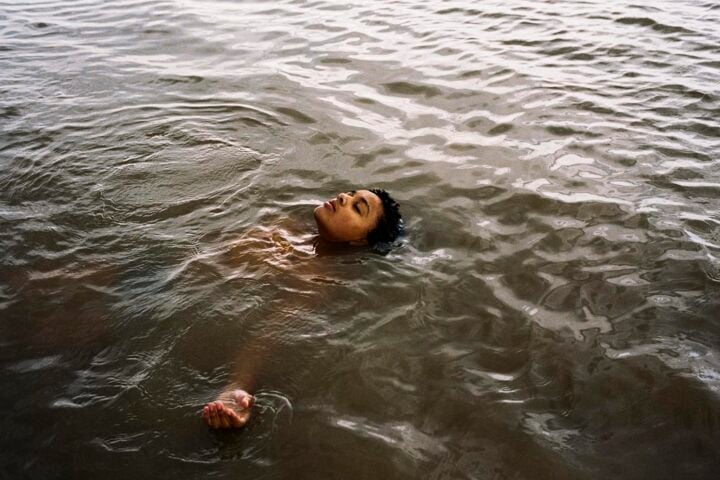
Arnold’s artful indulgences often detract from the film’s purported authenticity.
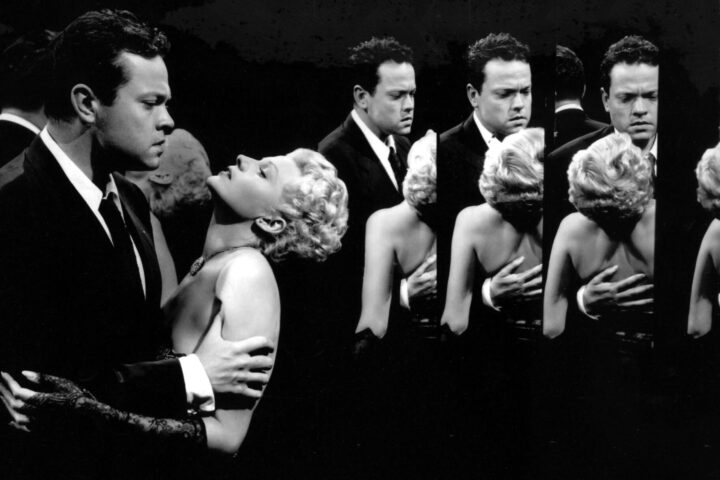
The best examples of this genre continue to evoke humanity’s eternal fear of social disruption.
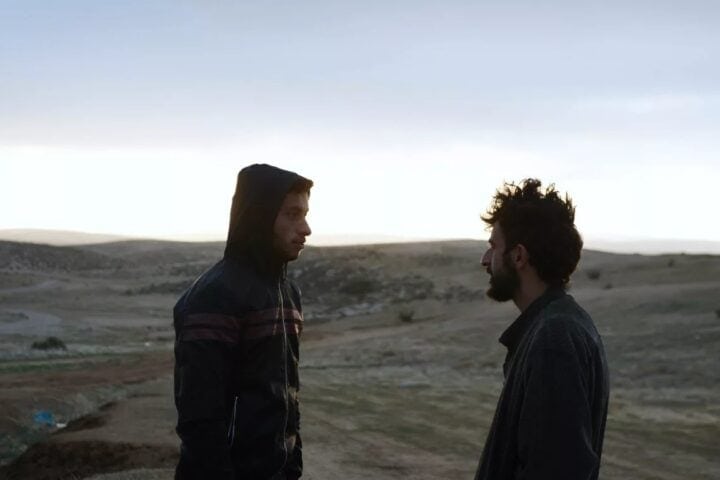
The filmmakers discuss what making the documentary taught them about the nature of power.
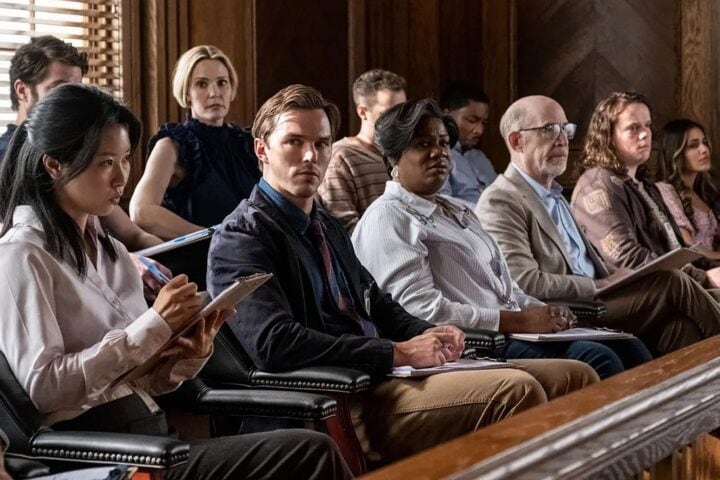
Eastwood’s film casts a morally inquiring side-eye at the American legal system.

Writer-director Hannah Peterson effectively suffuses the film with a mournful absence of life.
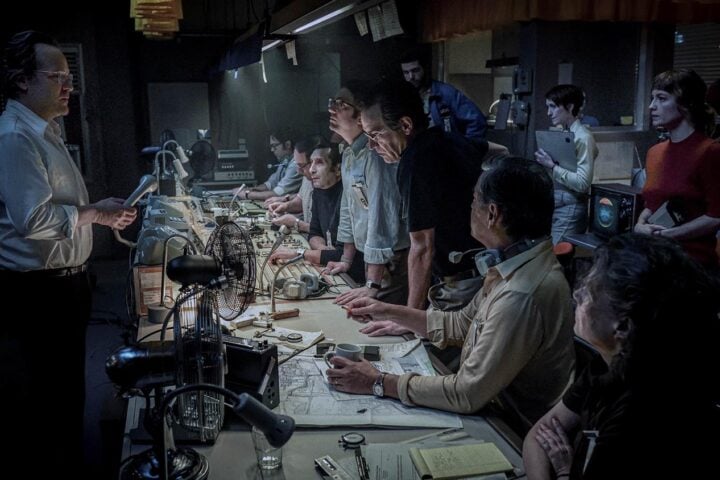
Here, the thrills of the journalism procedural come at the expense of ideological nuance.
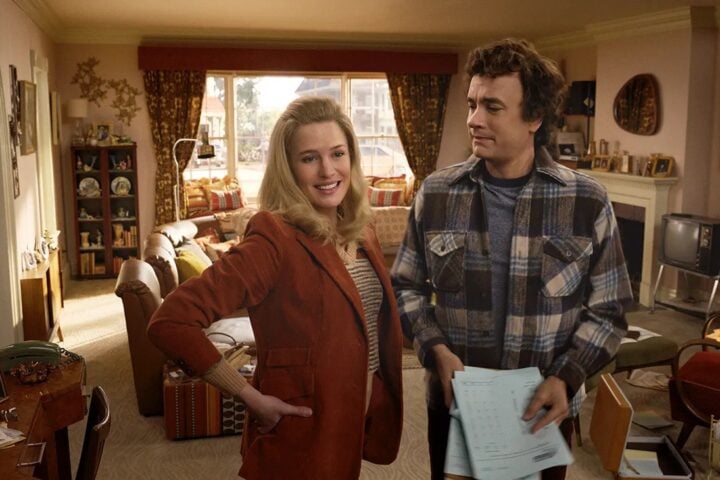
The film is a woefully misguided VFX-aided odyssey through mid-20th-century America.
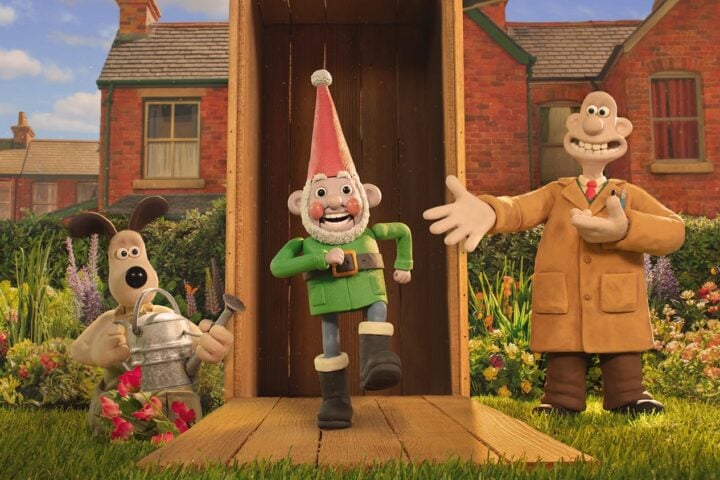
As ever, the loving textures of Aardman’s claymation practically warm the heart.

At once intimate and maximalist, it suggests a mix of Thelma & Louise and Starship Troopers.
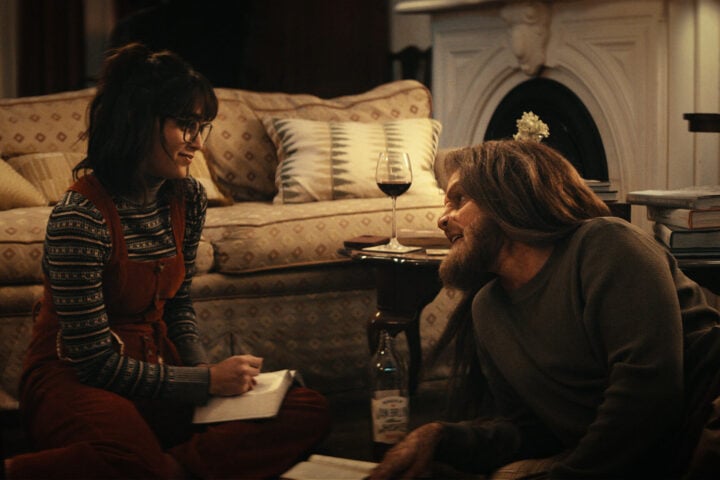
Caroline Lindy’s rom-com is a delightful beauty until it decides to be a beast.
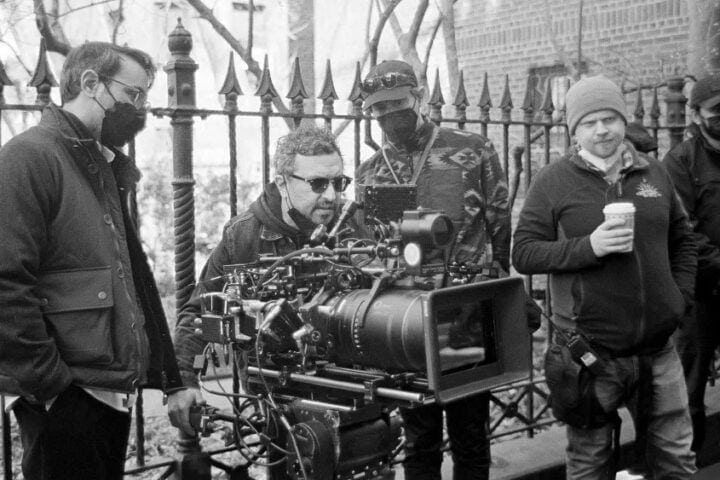
Ruizpalacios discusses the immigrant experience, working in kitchens, and his own dreams.
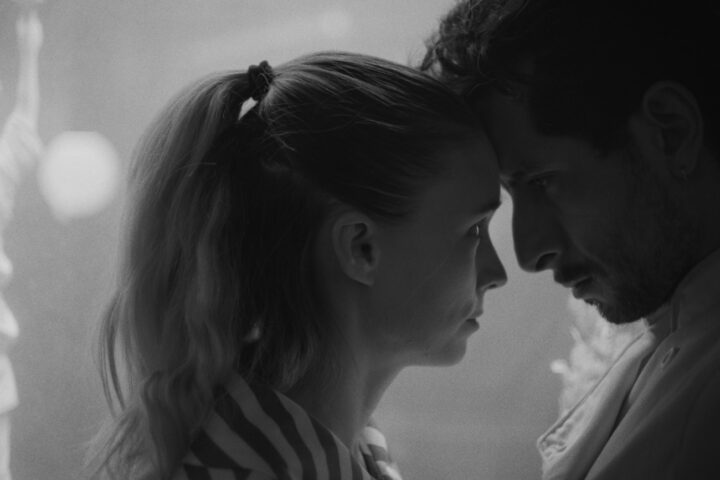
In Ruizpalacios’s latest, a Times Square kitchen becomes a microcosm of American capitalism.
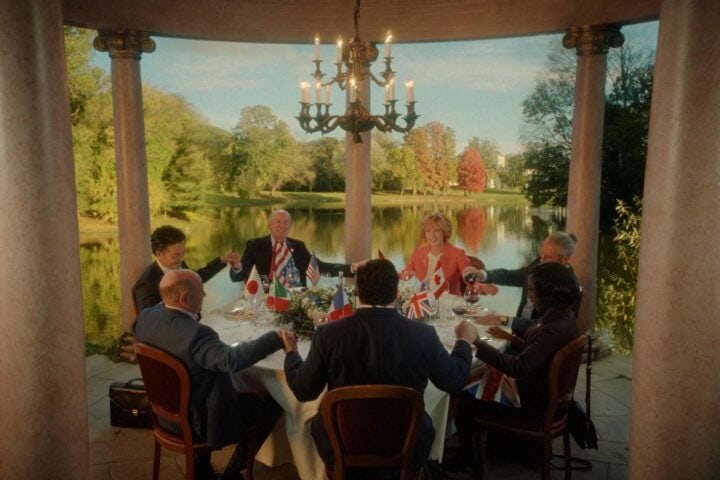
The trio discuss how their Canadian identity informed their view of international relations.

Adam Elliot’s latest feature is an evocative feat of visual storytelling.