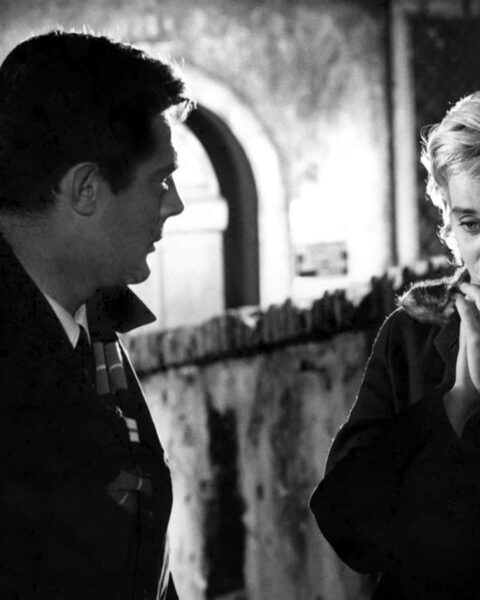
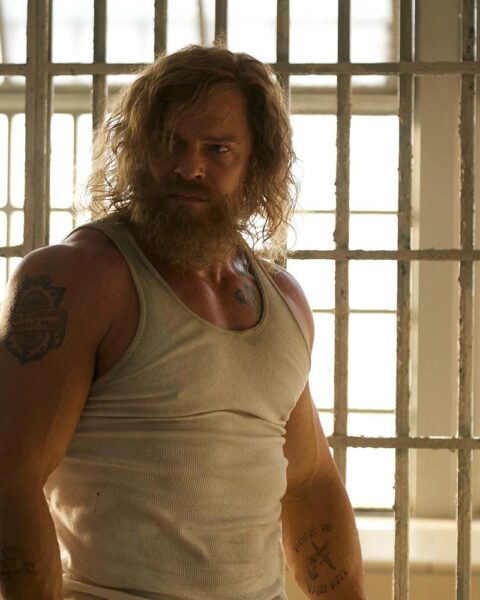
Refn discusses his love of fairy tales, falling through the rabbit hole of streaming, and more.


Refn discusses his love of fairy tales, falling through the rabbit hole of streaming, and more.
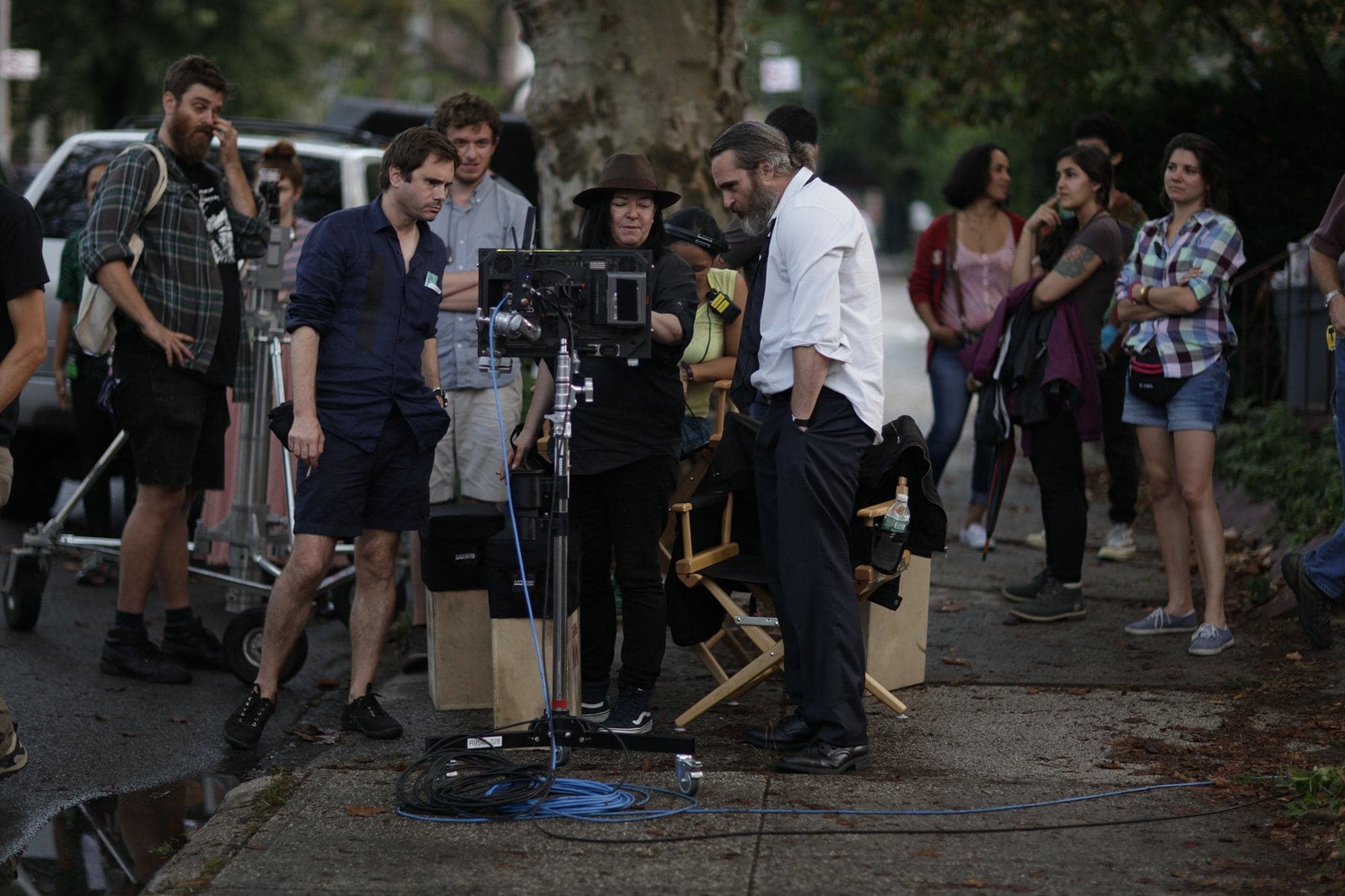
Ramsay likens Joaquin Phoenix’s mesmerism to that of Samantha Morton in Morvern Callar.

It abandons its fruitful investigation of belief systems in favor of a simplistic articulation of Mary’s inspiration.
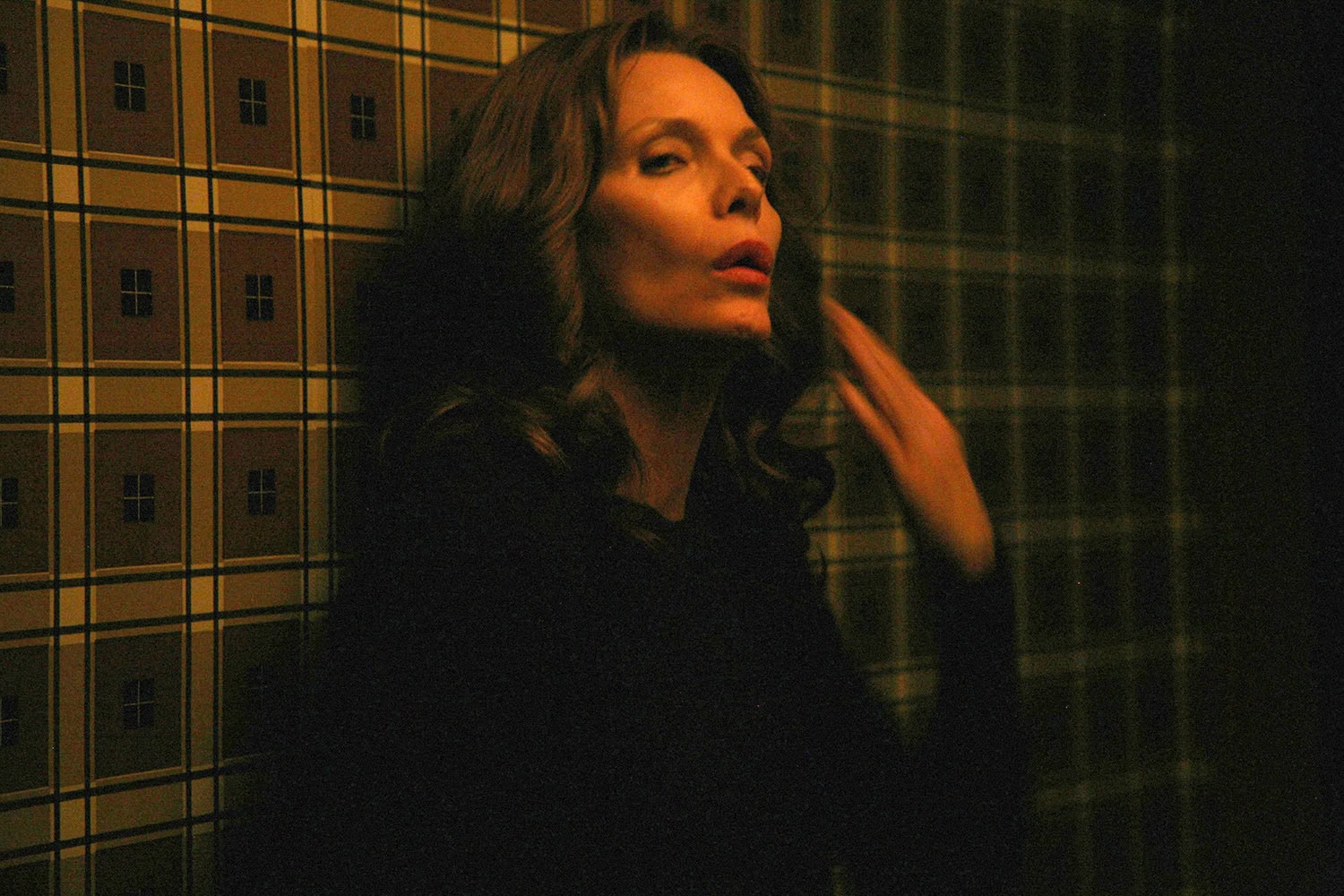
Terror gradually leaks into the narrative, transforming Where Is Kyra? into a haunting non-traditional thriller.

John Curran creates room for his characters to think and feel and an environment that encourages us to do the same.

Lynne Ramsay’s You Were Never Really Here is rather minimalist, offering slivers of story and characterization.
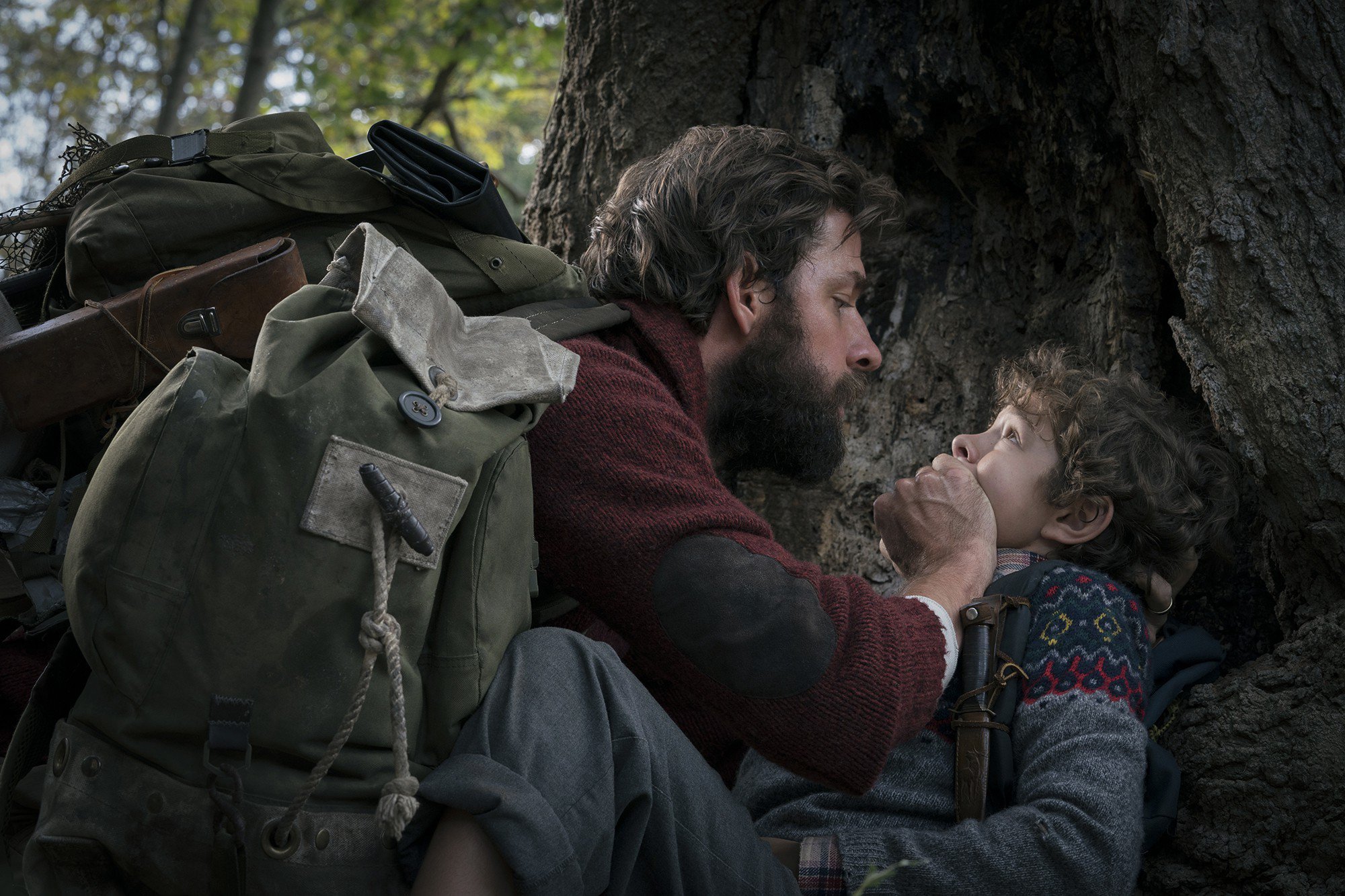
The film turns the act of survival into a powerful statement of defiance against the vagaries of the unknown.
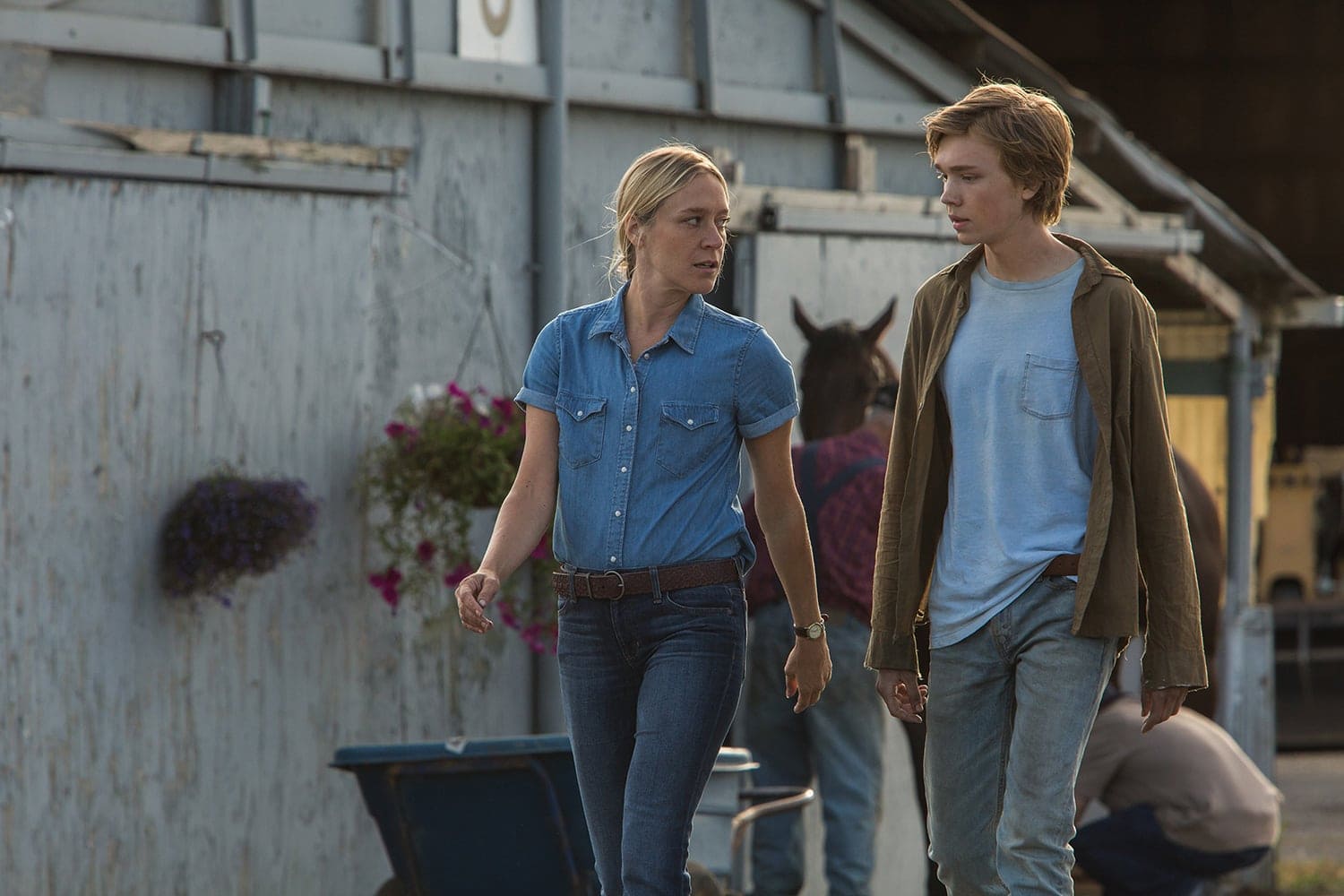
Sevigny discusses her early work and navigating the male-dominated world of her profession.
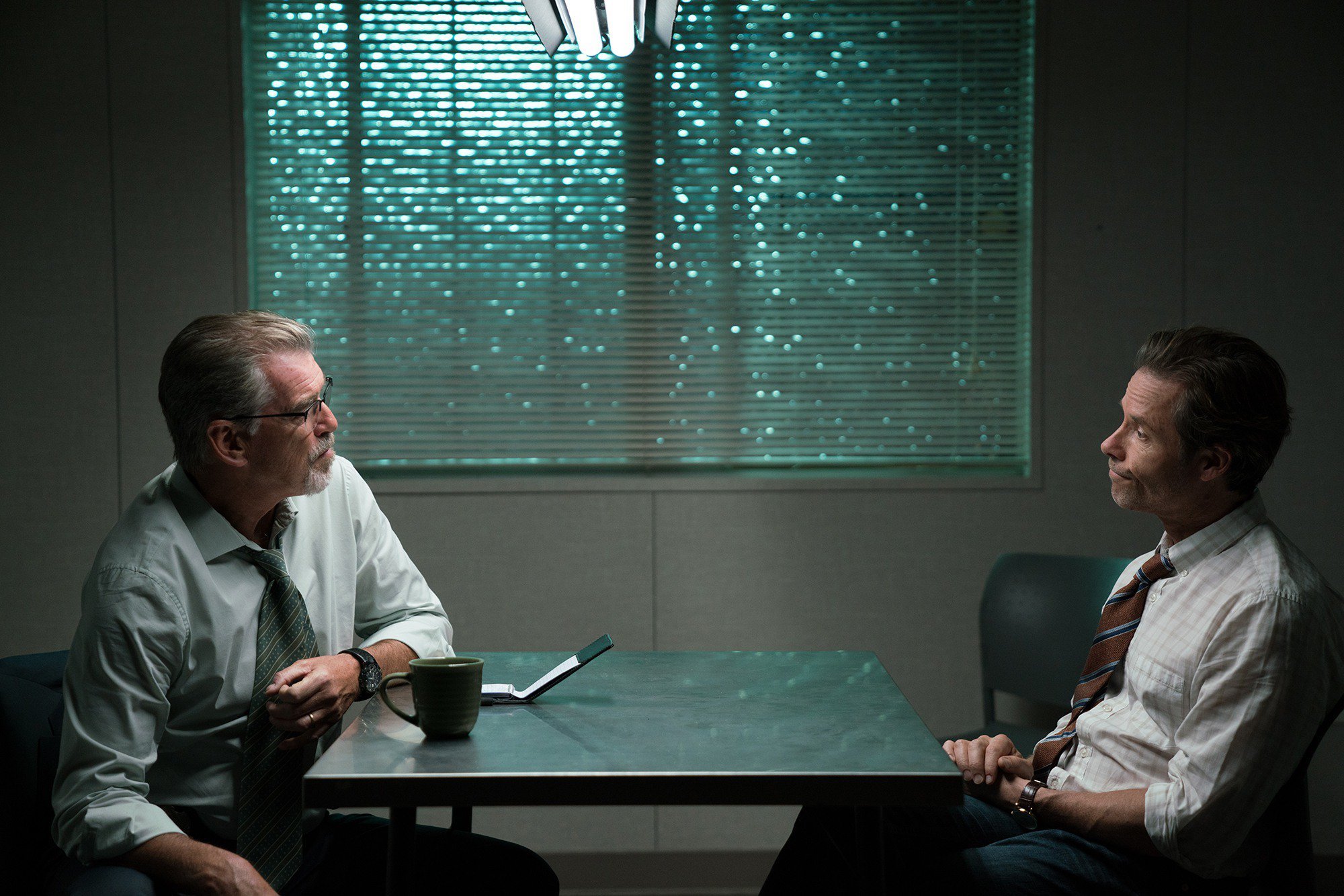
The filmmakers don’t bring the main characters’ contrasting methods of divining truth into total opposition.
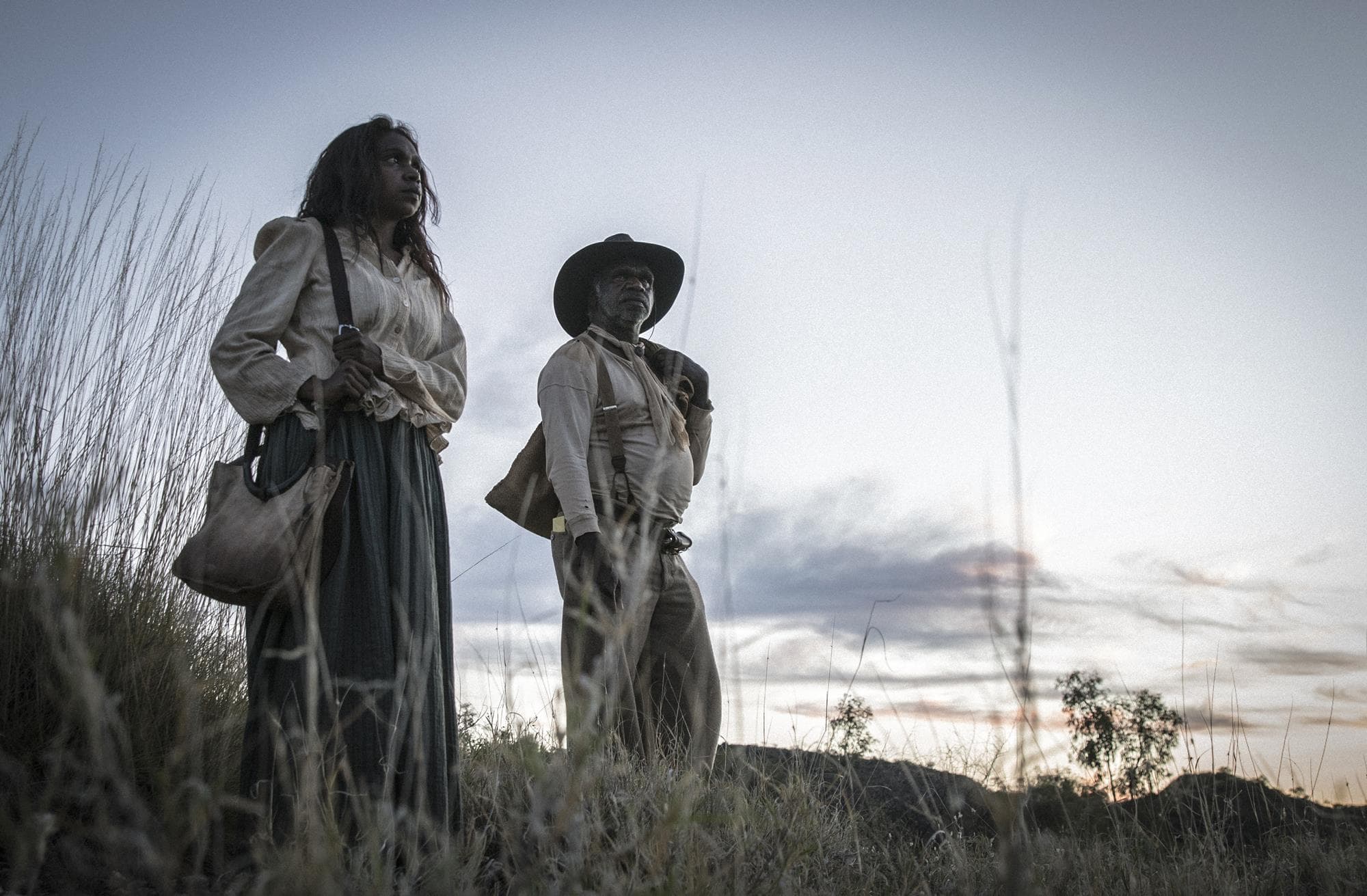
The film is a meticulous examination of how the dehumanization of Australia’s native population bred an environment of cyclical violence and mistrust.
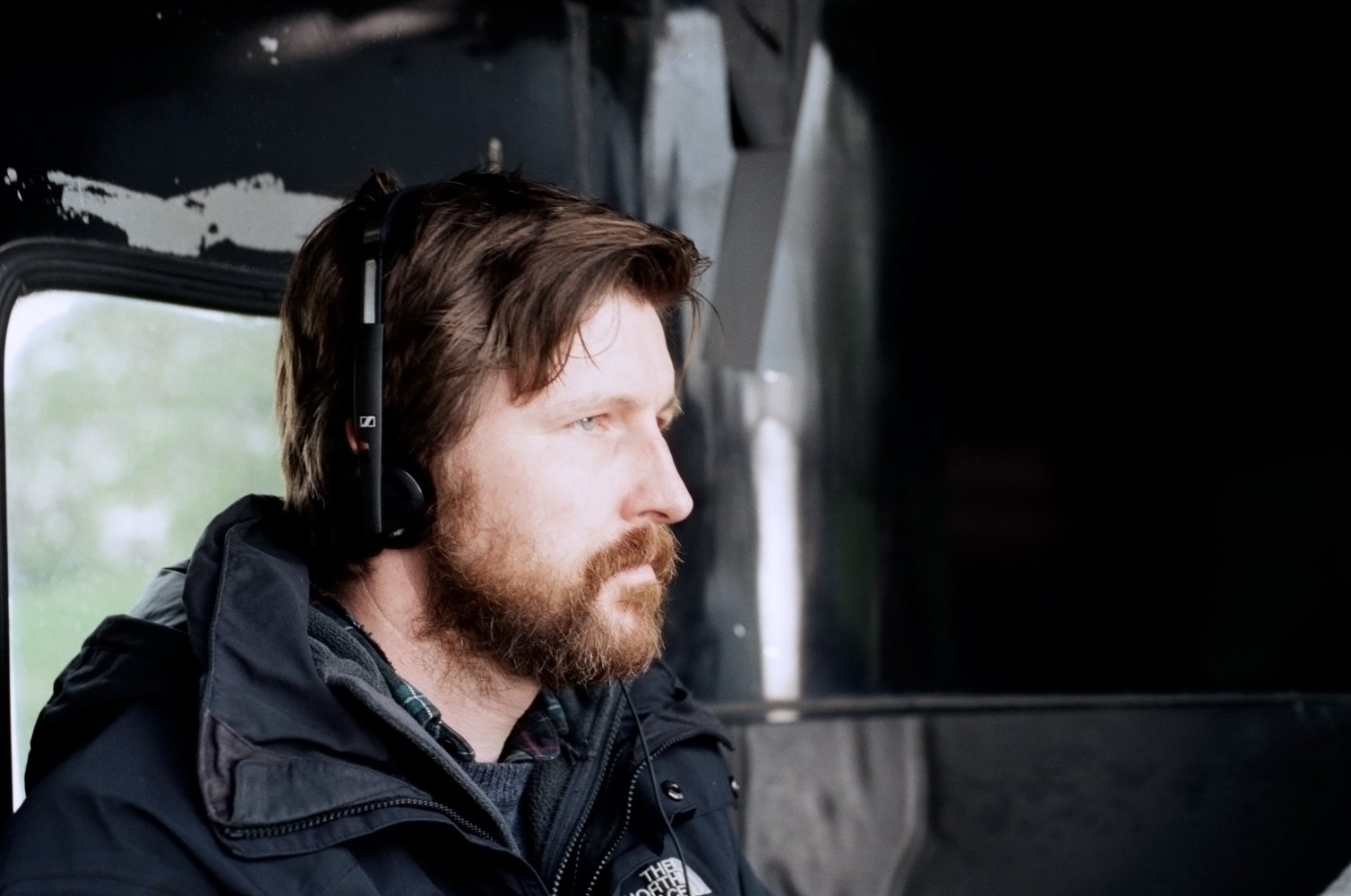
Haigh discusses the theme that runs through all of his work: our struggle to feel less alone.
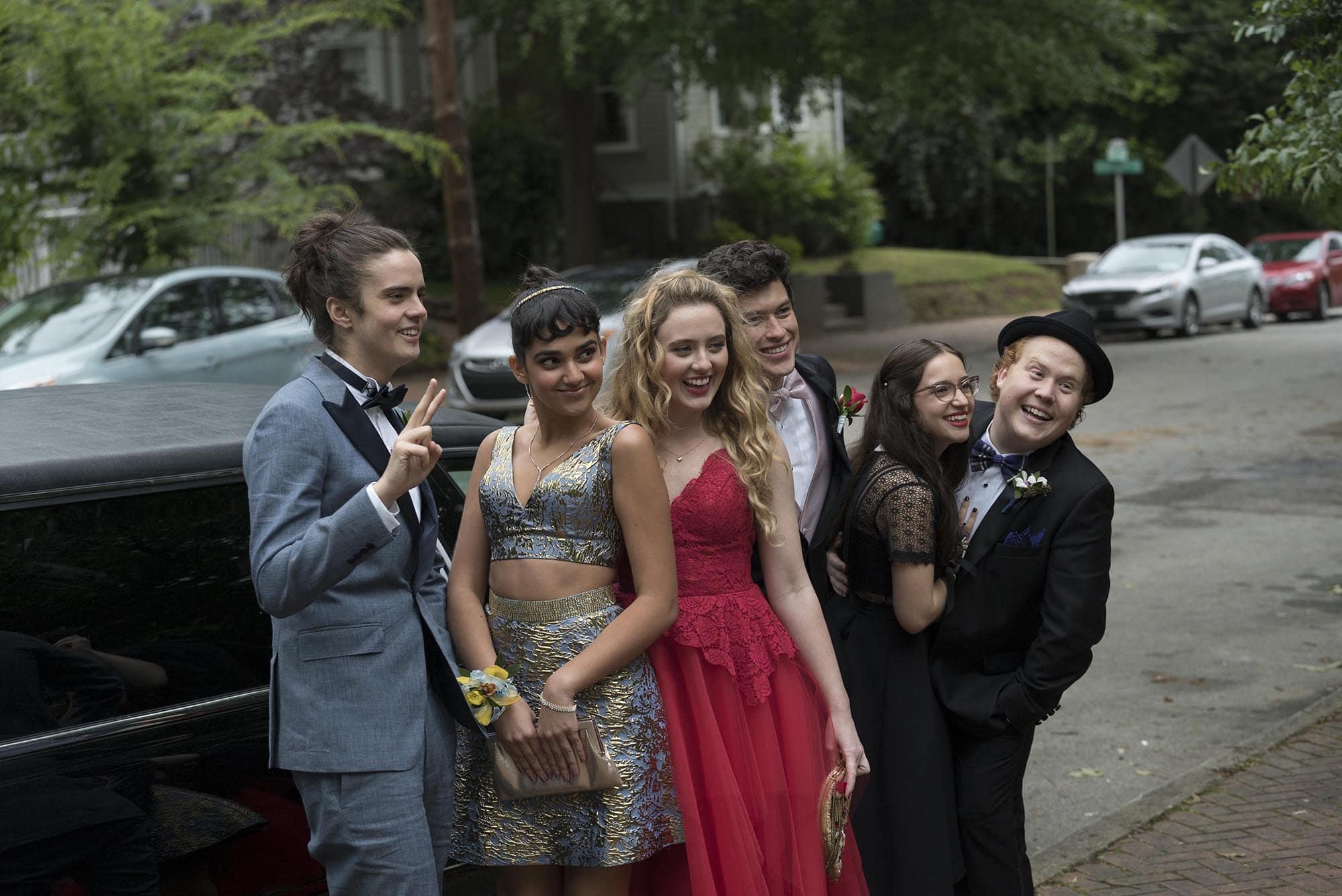
Director Kay Cannon approaches the randiness of her female characters with unvarnished frankness.
Ben Russell’s film is a thought-provoking snapshot of humanity reduced to a pale shadow by economic discontent.

Writer-director Andrew Haigh’s Lean on Pete exudes a quiet but self-evident sense of struggle.

In the sly exchanges between the teenage protagonists and their elders, the film reflects a nation’s shifting tides.

Justin Benson and Aaron Moorhead veer away from the deeper, even meta-cinematic, implications of their plot.
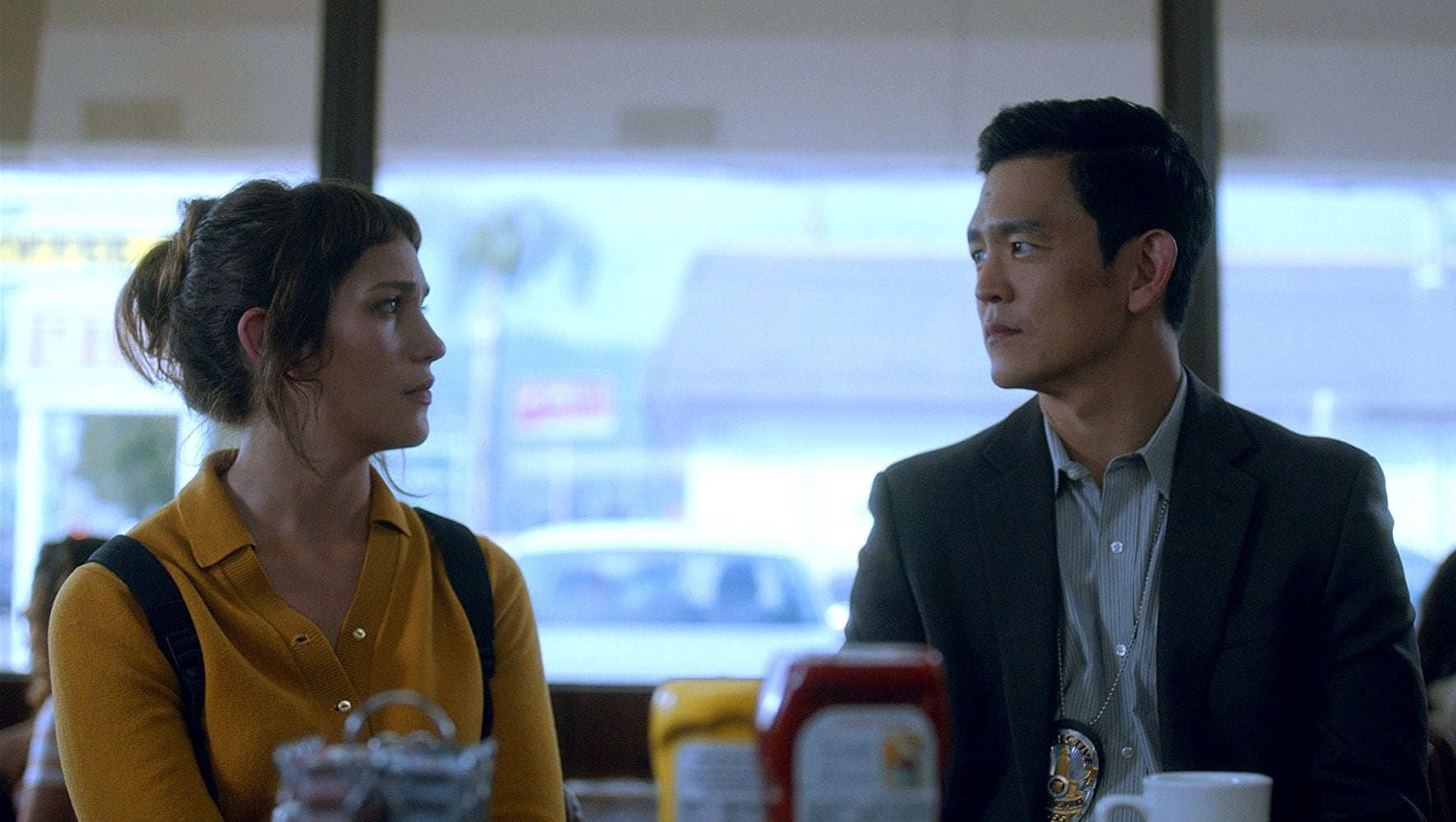
Our talk was rich in segues and digressions that illustrate how they weave their lives into their art.

In every scene, the film’s cutting is dictated by the turbulent pace of the characters’ inner lives.

The film’s constant cruelty is so inescapable that it starts to feel unfair not only to the protagonist, but to Iran itself.
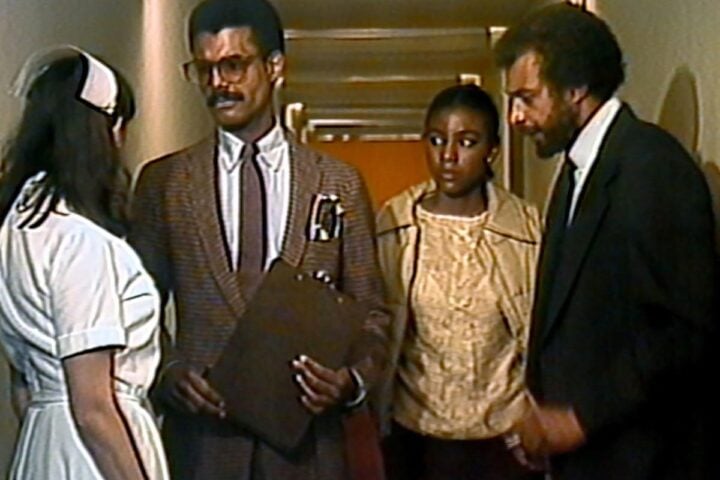
The miniseries derives its politics less from platitude than from an uncompromising sense of emotional irony.

Its cerebral approach works better during sequences that are less dependent on narrative and more essayistic in nature.