This relentlessly cruel rejiggering makes every Evil Dead film before seem like Sunday school.
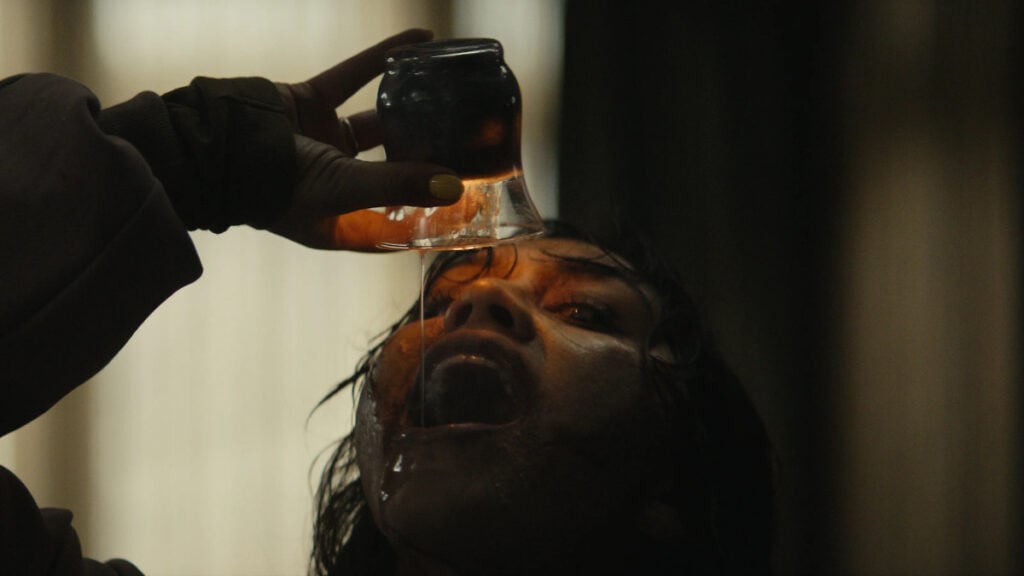

This relentlessly cruel rejiggering makes every Evil Dead film before seem like Sunday school.
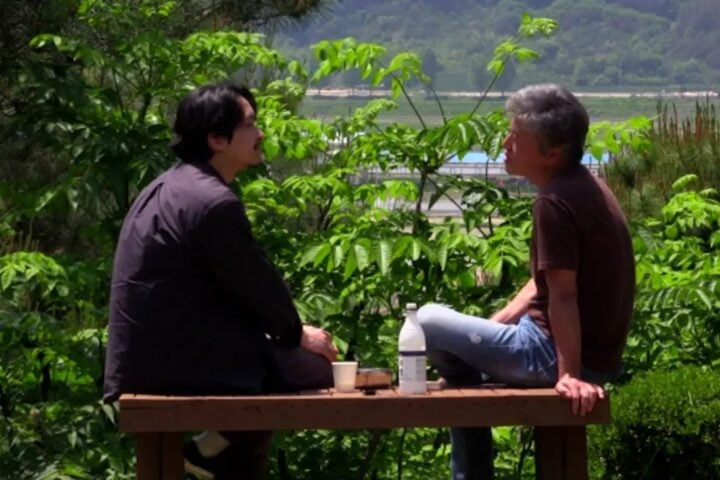
Hong’s aesthetic is key to the resonance of his latest examination of an artist’s life.
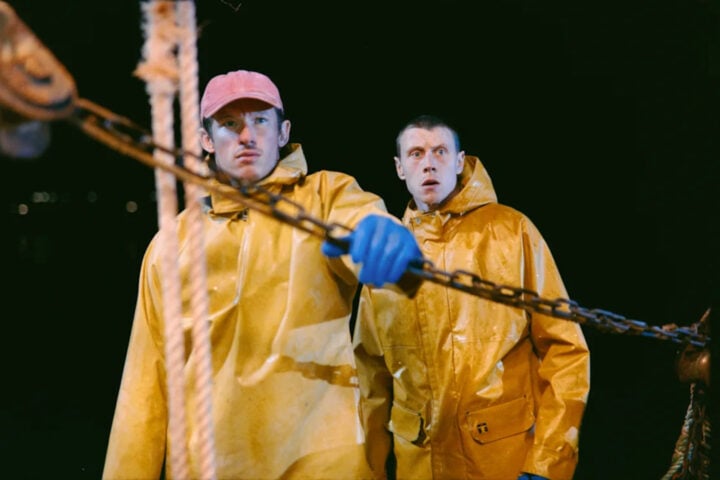
The film plunges us into a world that feels simultaneously naturalistic and otherworldly.
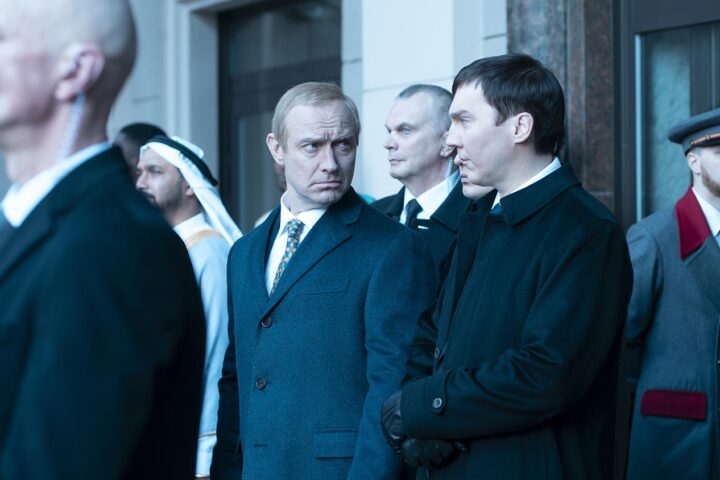
Assayas’s knack for fostering insight through irony is nowhere to be found in the film.
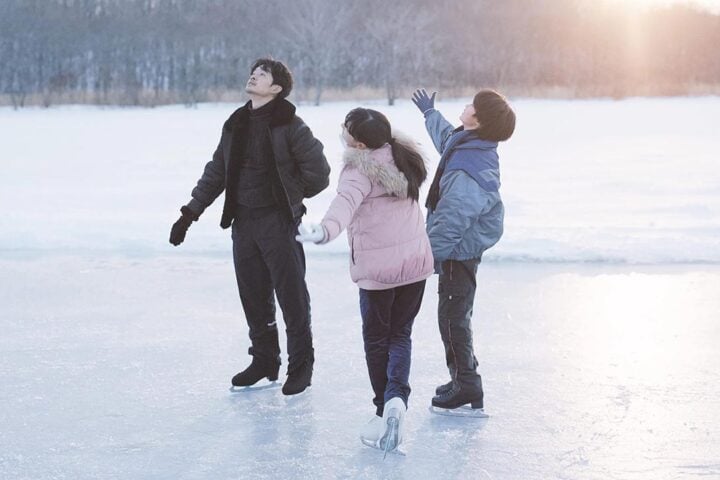
Throughout the film, Okuyama spins poetry from seemingly inconsequential moments.
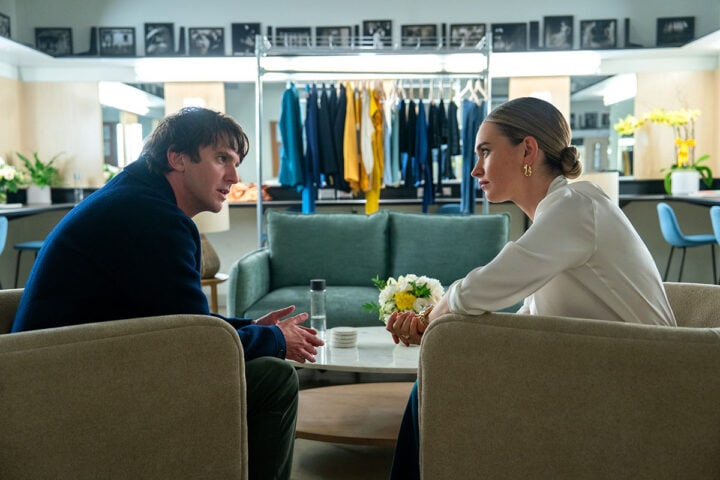
This biopic about Whitney Wolfe Herd can’t escape the shadow of The Social Network.
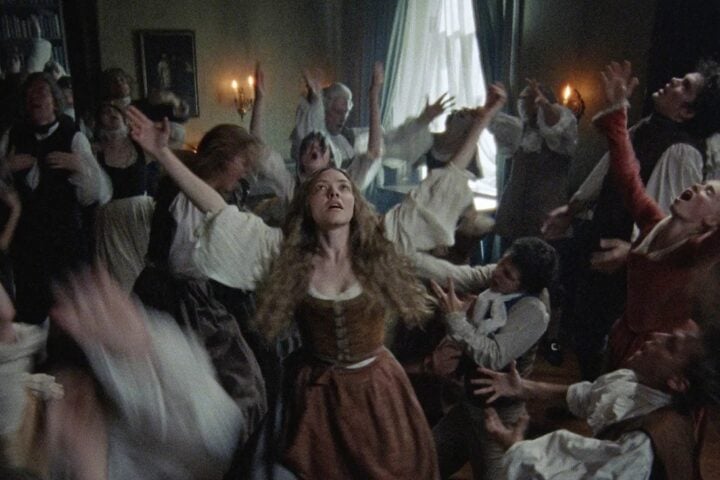
This protean fable is tremulous, tricky, and intrepid, much like its pious protagonist.
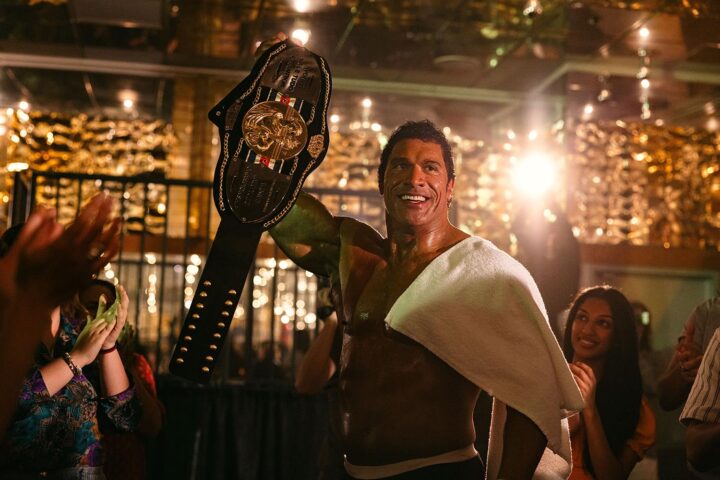
The film follows too closely in the footsteps of John Hyams’s documentary of the same name.
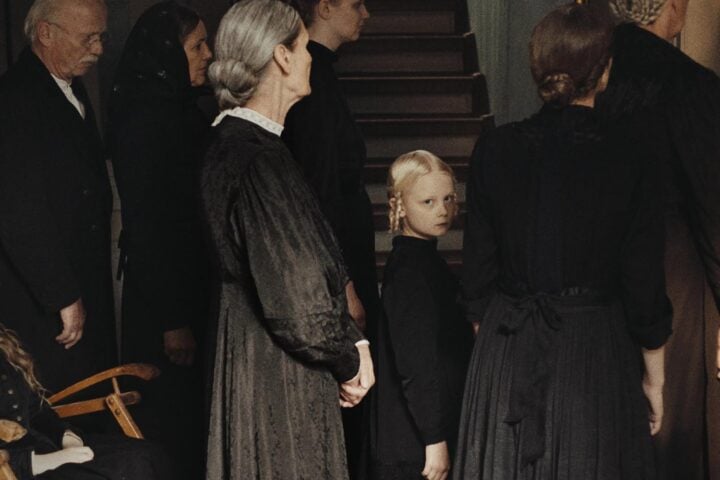
The past comes off in Mascha Schilinski’s film as an onerous, if unseen, weight on the present.
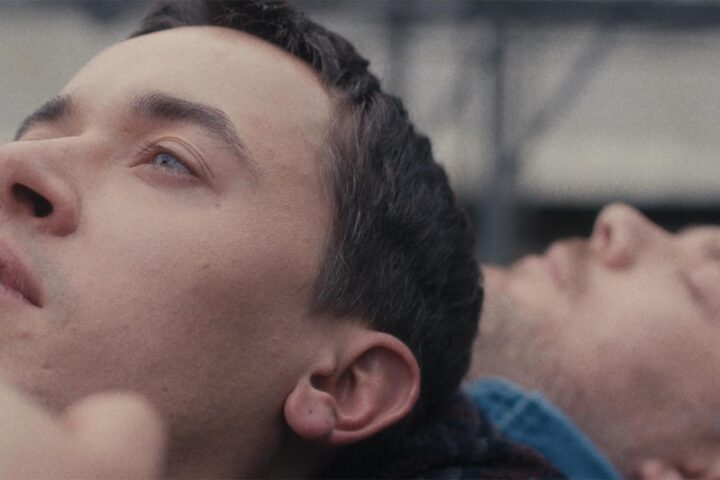
The actors discuss the film’s richly fragmentary style, its frank sex scenes, and more.
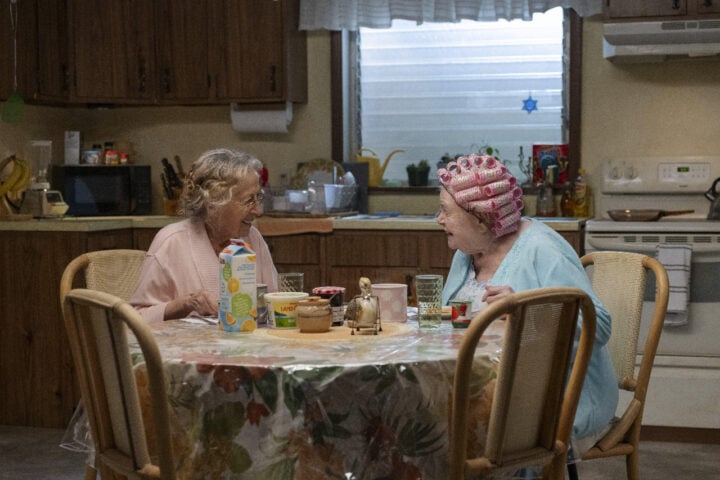
Johansson’s direction keeps things simple in a way that the hurried screenplay doesn’t.
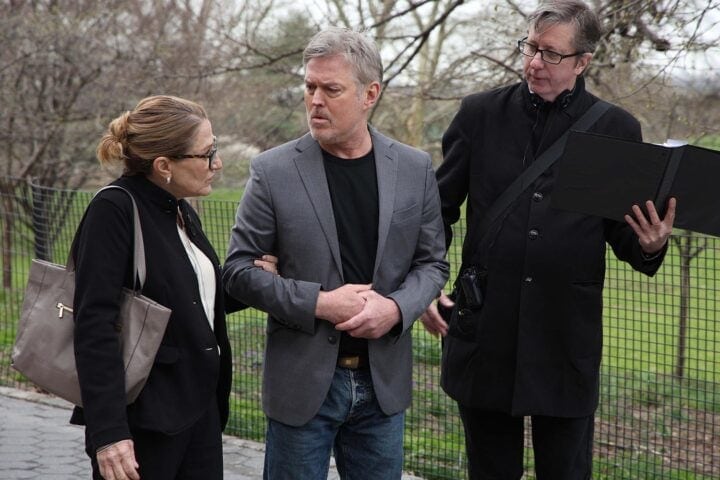
Hartley discusses Where to Land’s origins, fundraising, and drawing from his own life.
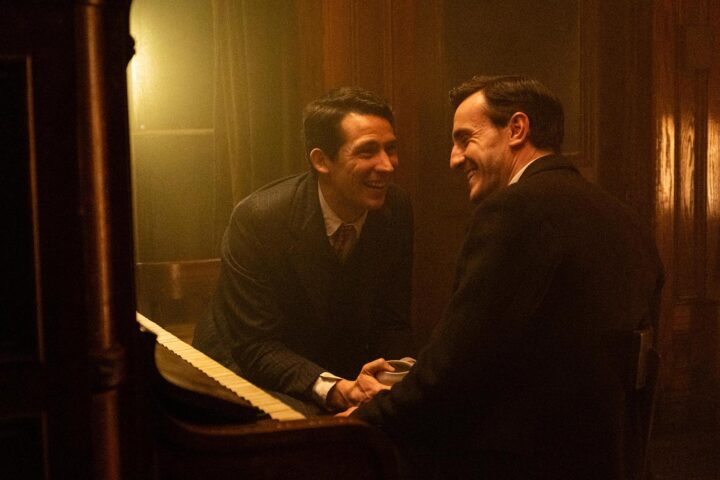
The film movingly conjures the feeling of music’s creation of a suspended present tense.
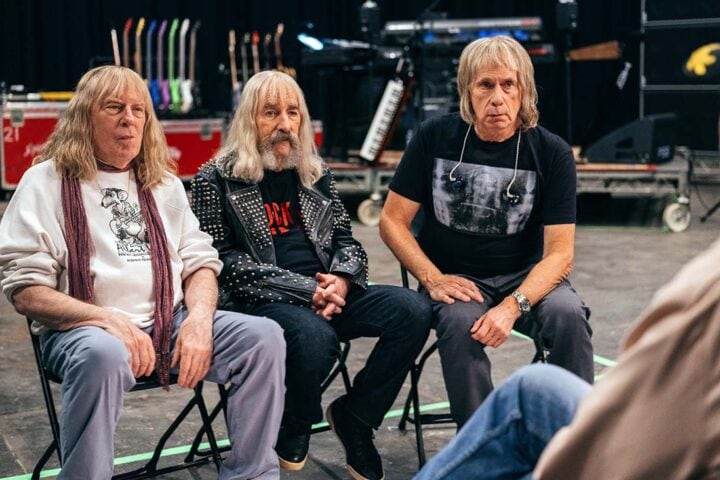
The careful balance of “stupid and clever” that made the first film a classic is less steady here.
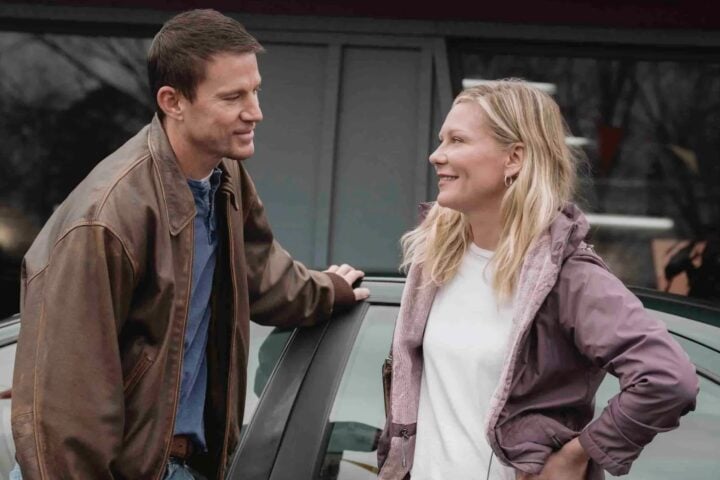
For better and for worse, the film breezily keys itself to its main character’s demeanor.
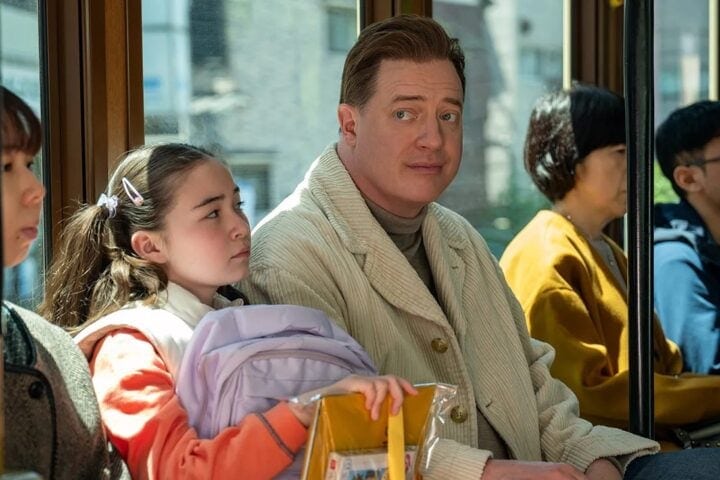
The setup of Hikari’s film is milked for all its humor and pathos—and then some.
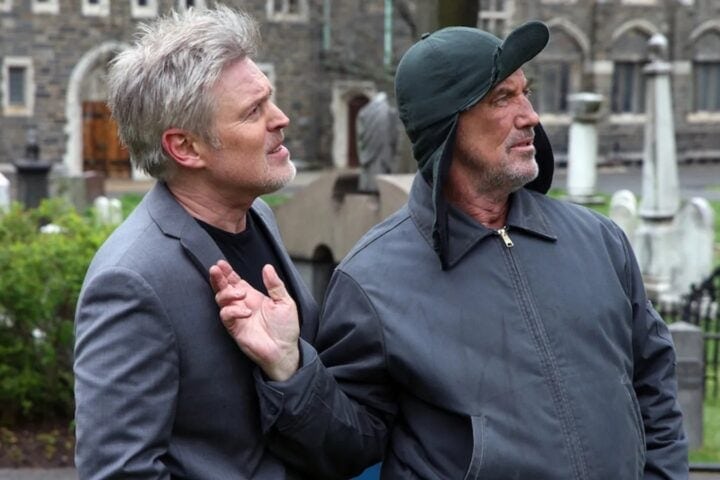
The film proceeds in a gently anecdotal mode, recalling Hartley’s Meanwhile from 2011.
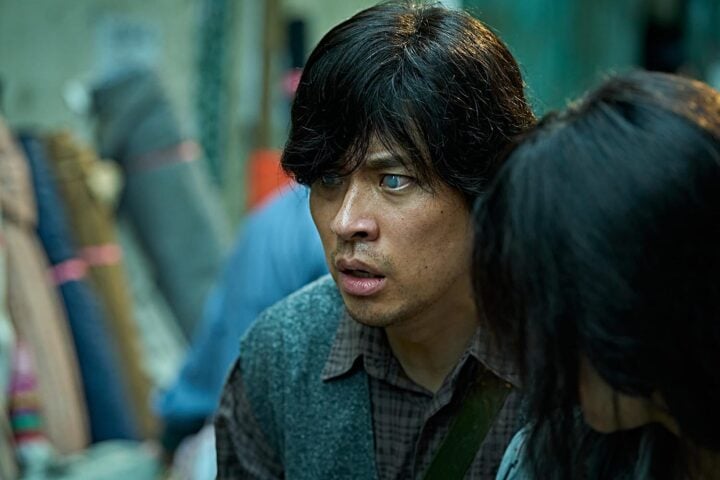
The film plays a long game with audiences that frustrates far more than it illuminates.
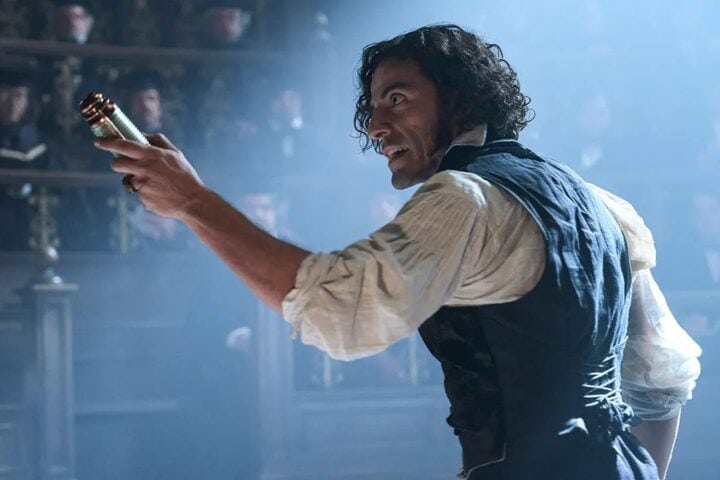
Del Toro’s adaptation resonates most profoundly on a mythic, archetypal level.
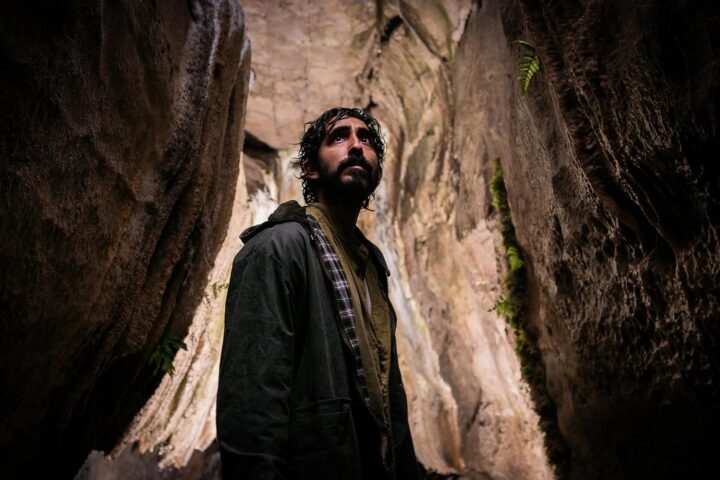
Horror is a genre perfectly suited to Chainey’s soundtrack-forward style of filmmaking.

The film leaves us with a haunting sense of life in Naples existing in a liminal state.