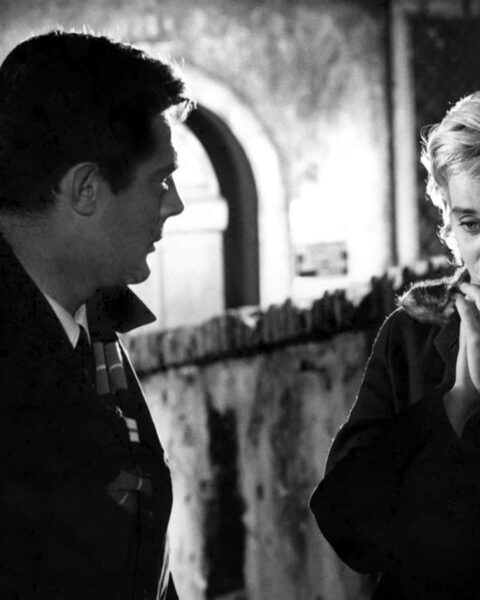
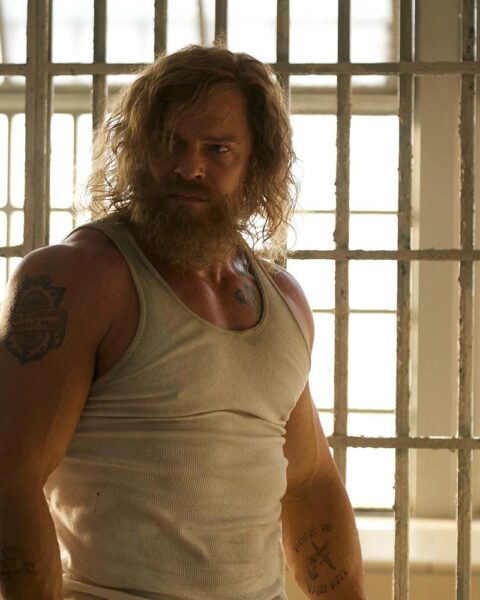
Refn discusses his love of fairy tales, falling through the rabbit hole of streaming, and more.


Refn discusses his love of fairy tales, falling through the rabbit hole of streaming, and more.

The documentary shrewdly illustrates how media savvy can turn a fledgling protest into an international cause célèbre.

The Chinese filmmaker himself appears not to suffer any pressure to separate the experience of the film from his own visual ideas.

Its most amusing moments are in the interplay between the central characters as they adjust to an abruptly shifting reality.

The trailer for the photorealistic remake of the 1994 film is hellbent on proving that you can indeed step in the same river twice.
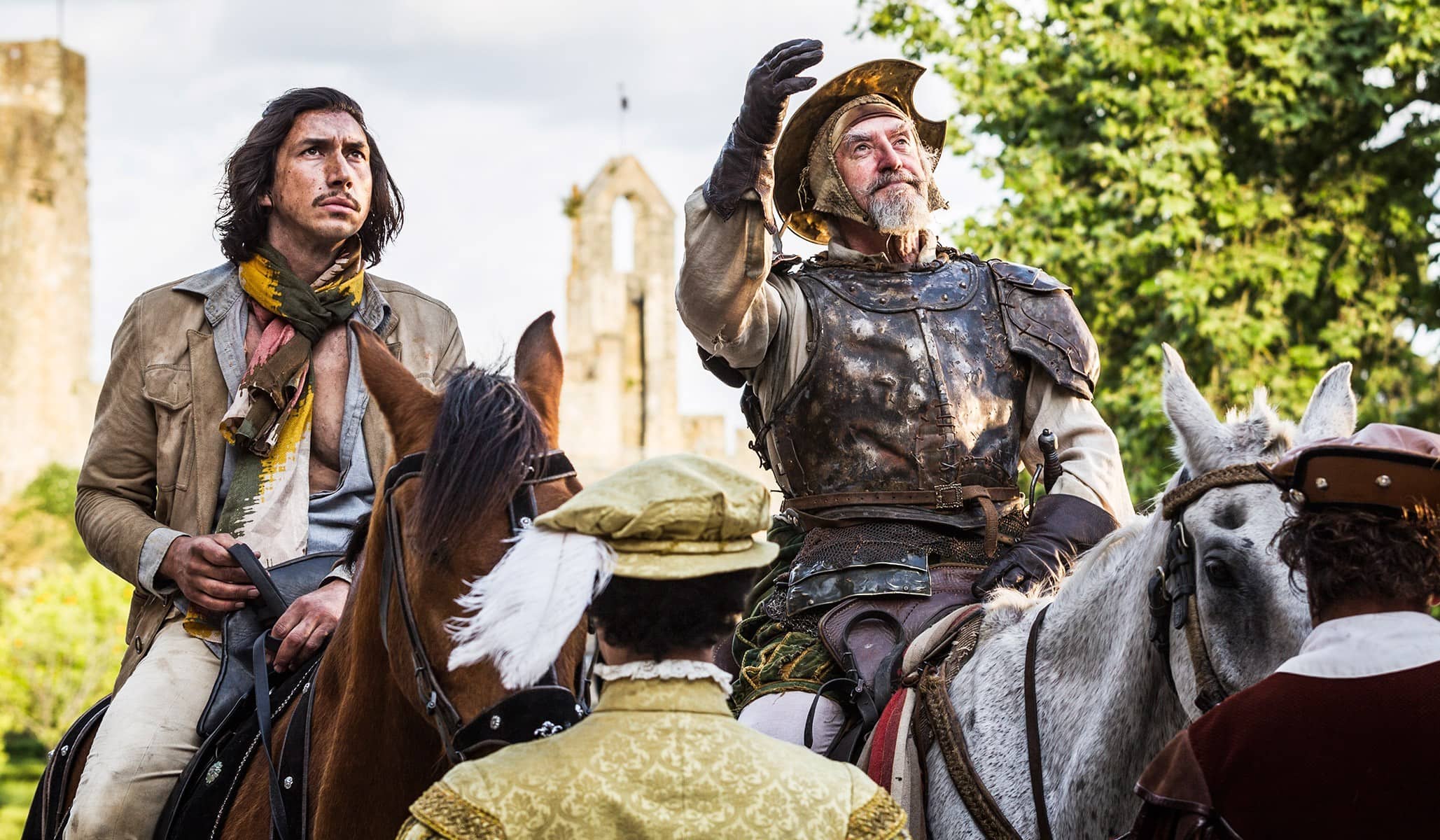
By the end, Cervantes’s heroes are at last free to move beyond representative confinement and finally speak freely as equals.
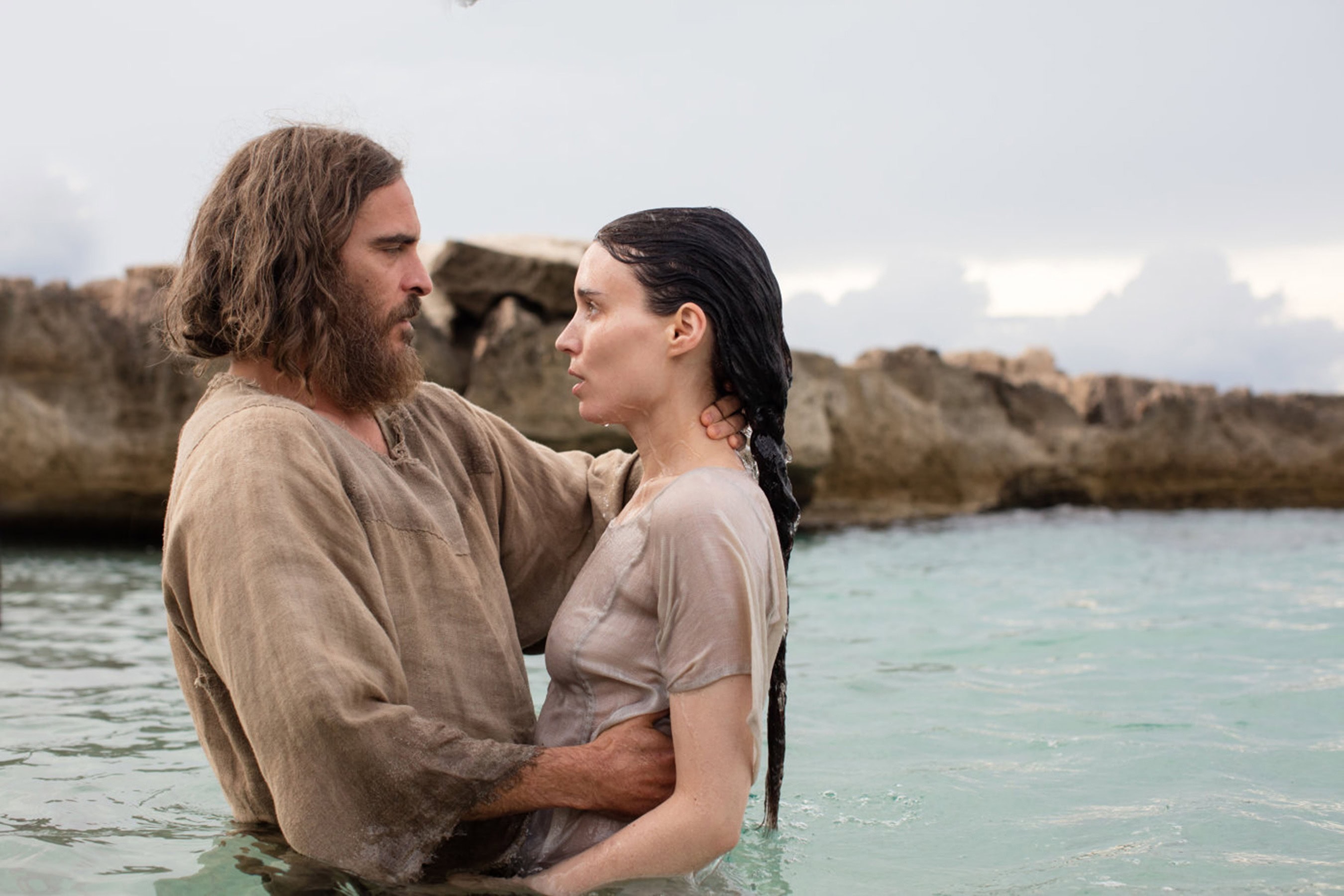
As it moves through Jesus’s greatest hits, the narrative focuses less and less on Mary Magdalene until her life is beside the point.

Forget Dog Day Afternoon, as the film doesn’t even clear the bar set by F. Gary Gray’s tense and exciting The Negotiator.

The director and actor discuss how the film’s main character progressed from Denis’s imagination to Pattinson’s realization.
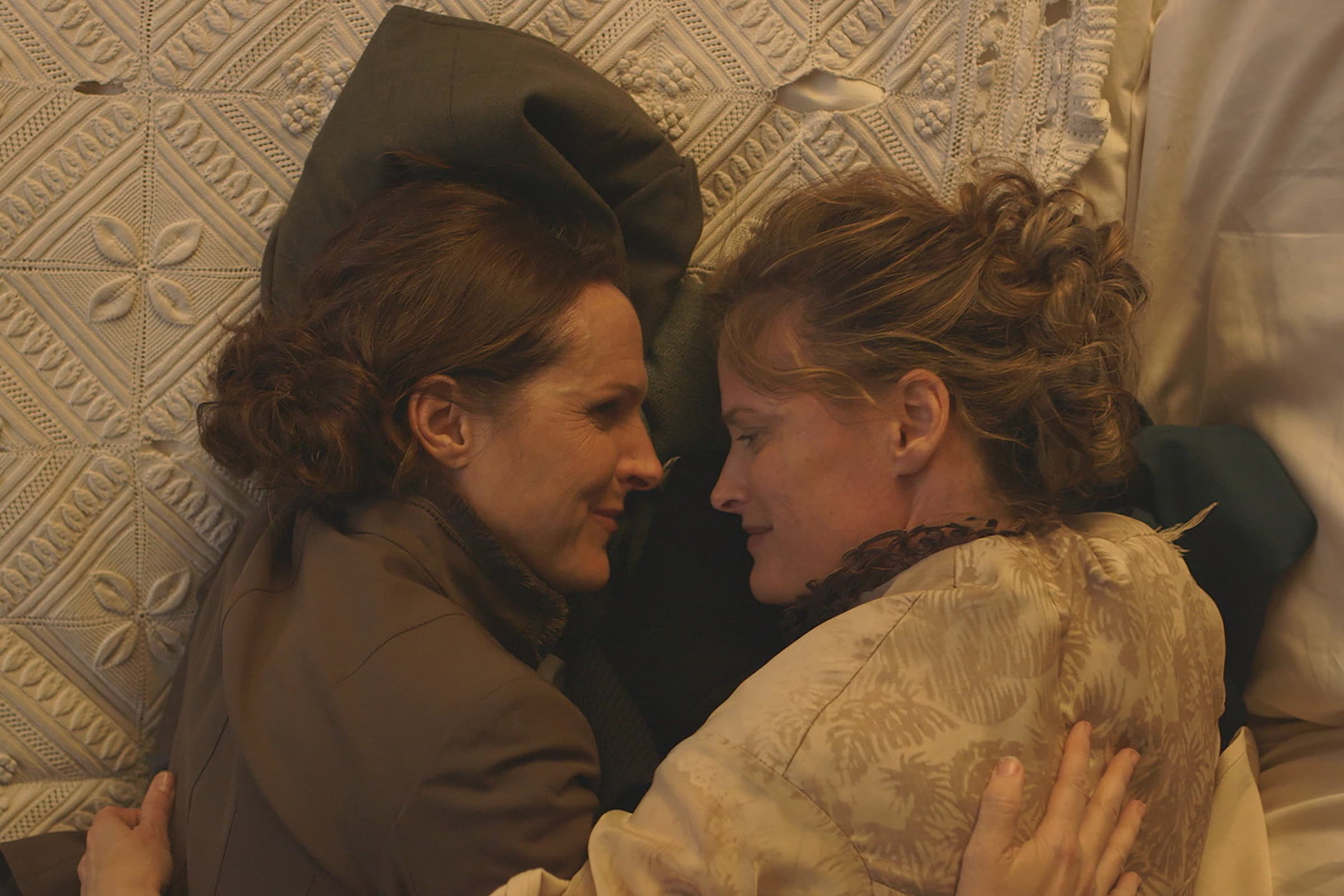
Its playful tone is a corrective to a century of scholarship that insisted on projecting the image of a moody spinster onto the poet.
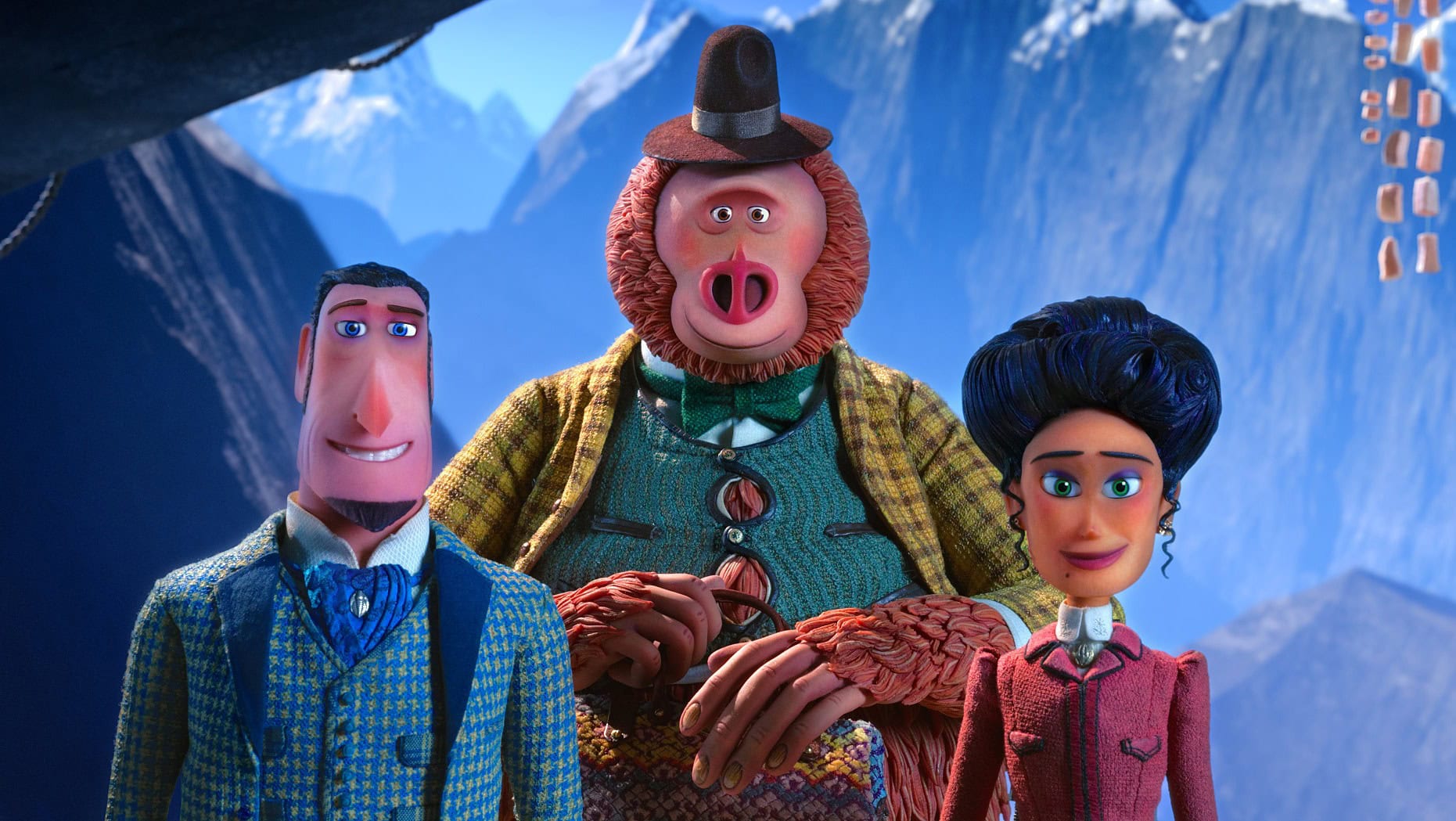
The humor in the film is more wry than gut-busting, but Chris Butler has developed some truly inventive comic characters.

With its naked celebration of self-sacrificial combat, the film strikes a tone redolent of old-school war propaganda.

In the end, the film is all too ready to transform into just another shiny pop object indistinguishable from so many others before it.

The film is a reminder of the potential of these films before they became weighed down by blockbuster-ready excesses.
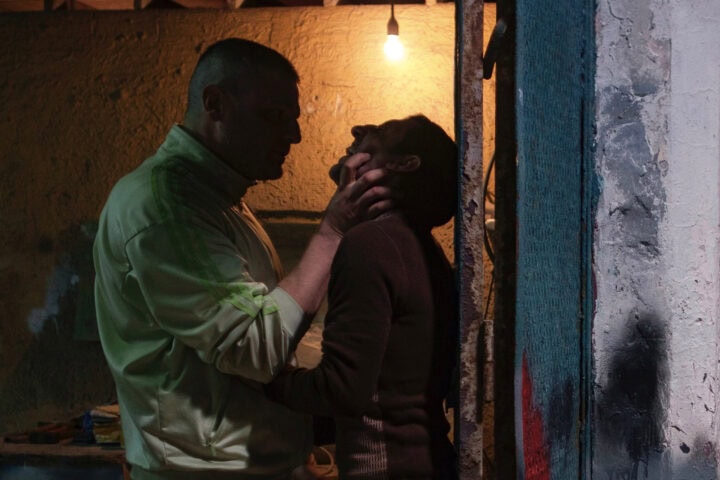
The film only succeeds at evoking a firm sense of place and an accompanying air of alluring grotesquerie.

The film is a tale about how those who spiral so far out of control become blind, if not immune, to the severity of their symptoms.

Leigh discusses the seemingly counterintuitive process of making a period film more contemporarily relevant by fully embracing the past.

The story has enough pathos to fulfill the expectations of a great tragedy, but the film feels like a commercial for something else entirely.
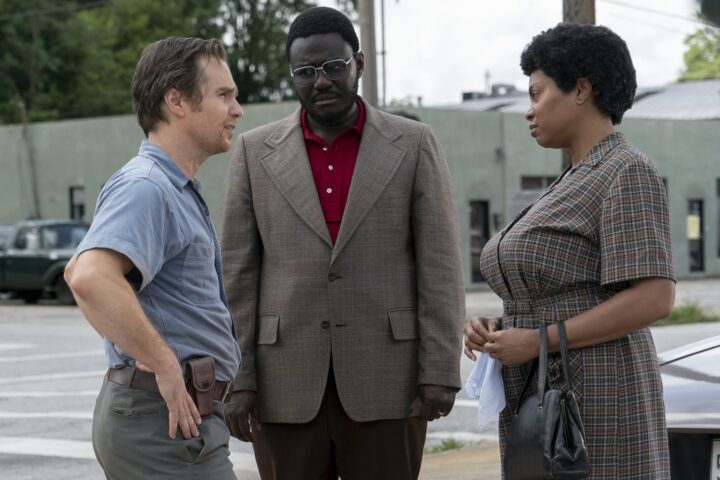
Robin Bissel’s film may be based on a true story, but it more accurately resembles an all-too-familiar Hollywood tall tale.

The shadowed border between human and non-human perception is one of Fausto’s sustained topics of interrogation.

The film offers a charming, even moving throwback to the aspirational sense of belonging that marks so many comics.