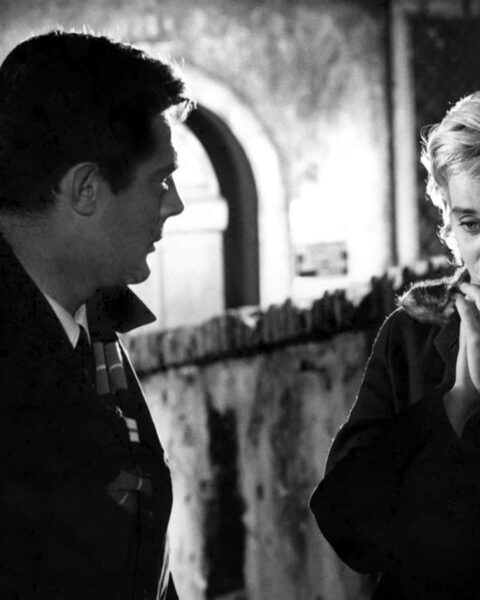
Refn discusses his love of fairy tales, falling through the rabbit hole of streaming, and more.


Refn discusses his love of fairy tales, falling through the rabbit hole of streaming, and more.

Appearing to recognize the flimsiness of her material, Roxanne Benjamin overcompensates with insistent direction.
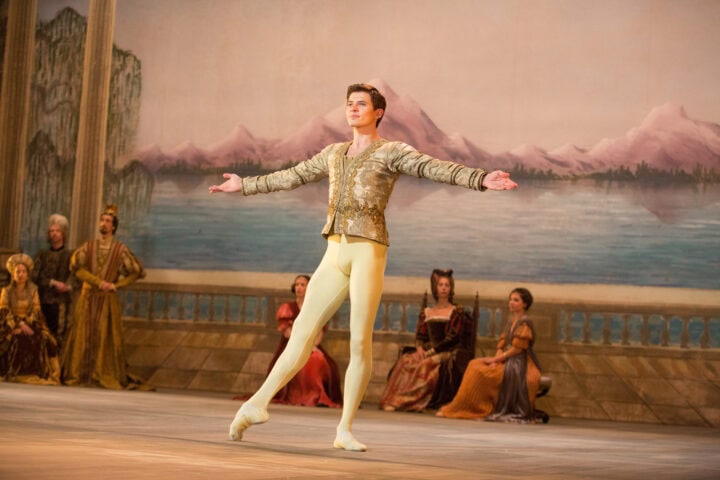
Ralph Fiennes’s film too conspicuously avoids an overt political perspective.

It’s disappointing that so much of the film feels like mere tilling of the soil.

Ang Lee’s three-year marriage to the 120fps format appears to be in strong shape.

Every serious narrative beat in the film is ultimately undercut by pro-forma storytelling, or by faux-improvised humor.

In addition to Directors’ Fortnight, the festival announced the films that would screen as part of the ACID lineup.
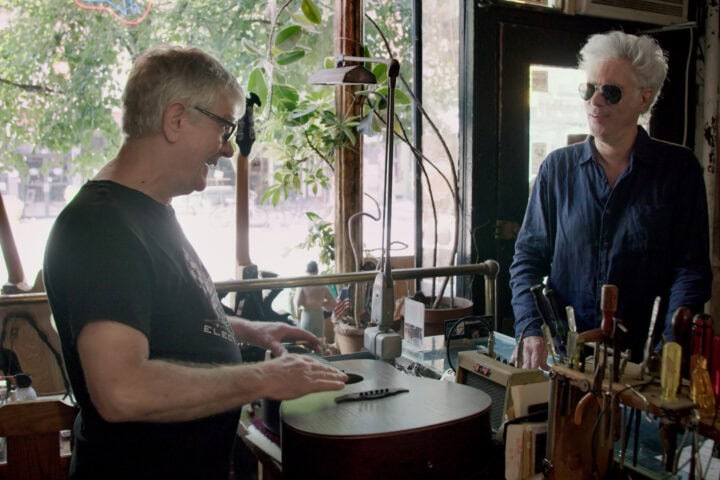
The film celebrates the thingness of things, as well as the assuring clarity and lucidity that can arise from devotion to knowledge.

Djibril Diop Mambéty’s 1992 film resonates primarily for its lacerating comedic writing and pacing.

Its major contribution, as one museum curator suggests, may be to bring the works of Moshe Rynecki back into prominence.

The documentary is incessant about reminding us of the late Merce Cunningham’s achievements.

Netflix will release the series on May 31.

With The Curse of La Llorona, the Conjuring universe has damned itself to an eternal cycle of rinse and repeat.

Stratton goes beyond the production of Sam Peckinpah’s film, on to its impact and reception and legacy.

The film plays like a mixtape of various sensibilities, partly beholden to the self-contained form of the bildungsroman.

Perhaps as notable as what made the cut is what didn’t make it onto the lineup.

As evangelistic as I tend to get about making new discoveries at TCMFF, the familiar can also be revelatory.

Willem Baptist’s film is a free-form essay on the spiritual differences between analog and digital.

The audacity of the film’s assertion of a queer African identity shouldn’t be overlooked.
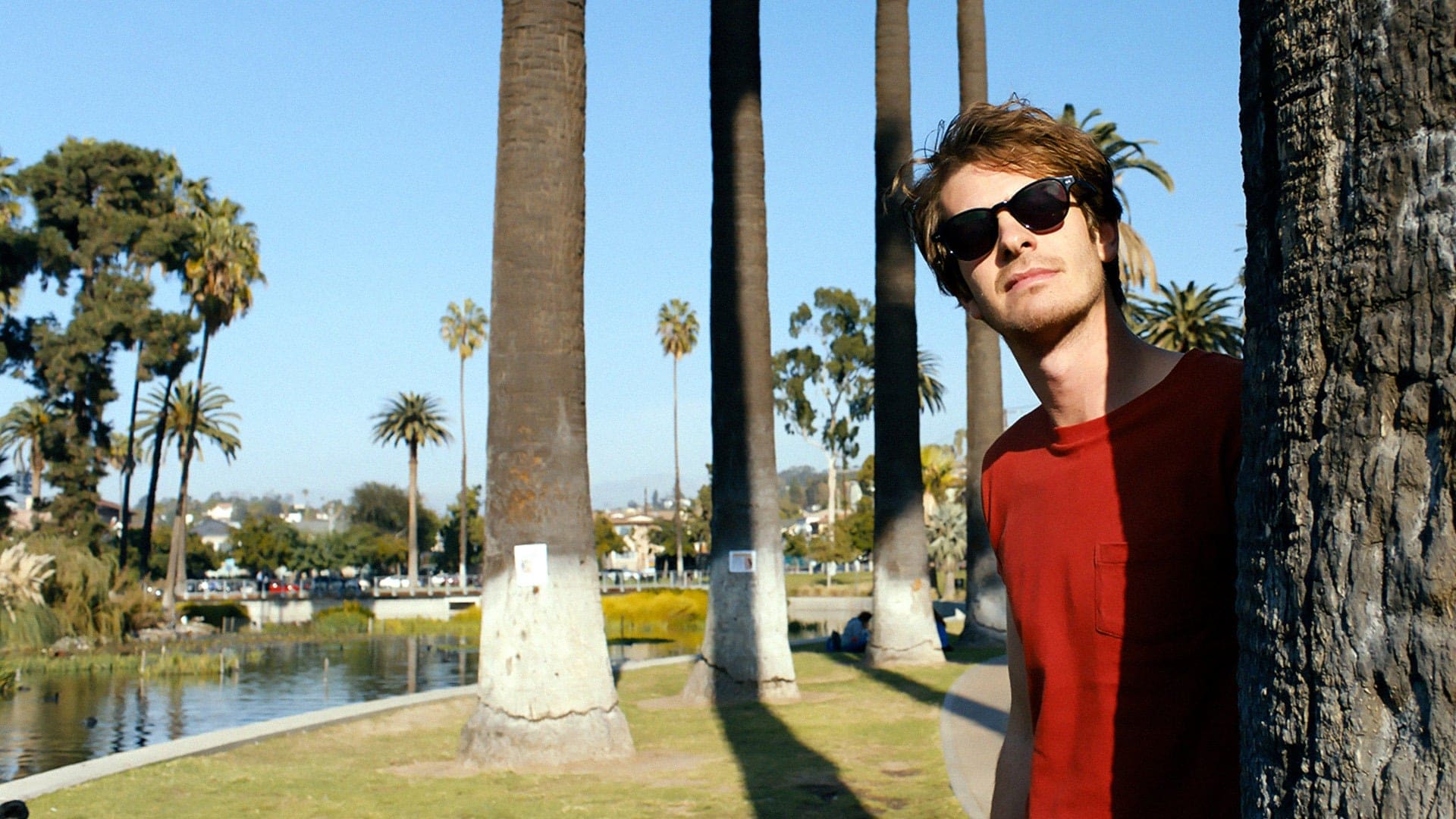
Even after the film (quite entertainingly) explains itself, it never feels like more than a howl of frustration and cynicism.

Nia DaCosta indulges one of rural quasi-thriller’s most tiresome gambits: humorlessness as a mark of high seriousness.