Refn discusses his love of fairy tales, falling through the rabbit hole of streaming, and more.


Refn discusses his love of fairy tales, falling through the rabbit hole of streaming, and more.

The film is a kaleidoscopic portrait of a world where emotions are accessed and revealed primarily through digital intermediaries.

The film smuggles some surprisingly bleak existential questioning inside a brightly comedic vehicle.

The show offers testimony to the power of communal storytelling.

Throughout, it’s as though Werner Herzog were more witness than author, simply registering Japan being Japan.

The film presents its scattershot cop-movie tropes in earnest, as if, like hurricanes, they were natural, unavoidable phenomena.

The film is well-outfitted with telling, thematically rich shards of historical information.

There’s colossal might to a cinematic image achieved through the scrappiest of means.
Peter Segal’s film is pulled in so many different directions that it comes to feel slack.

With great clarity, the film conveys how discipline can be directed both inward and outward.

Jon Stewart’s amiable satire tries to show that you can make light political comedy in the Trump era.
It’s hard to tell whether we’re in the midst of a film apocalypse, a film revolution, or both.
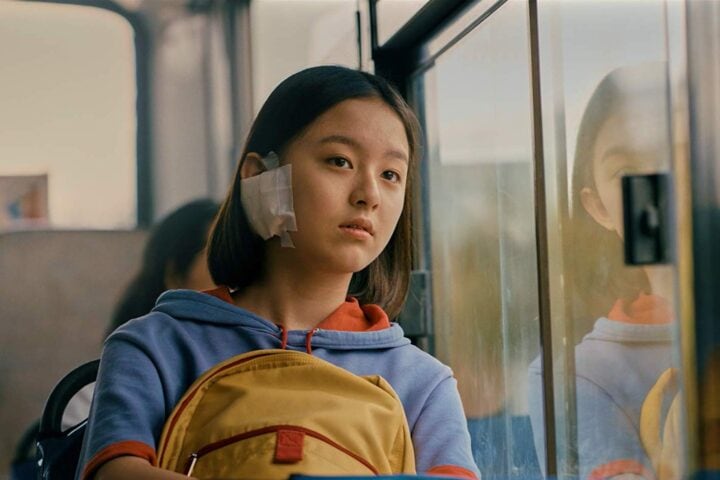
The film is never more intense than when it’s finding parallels between its main character’s anomie and Korea’s dehumanizing expansion.
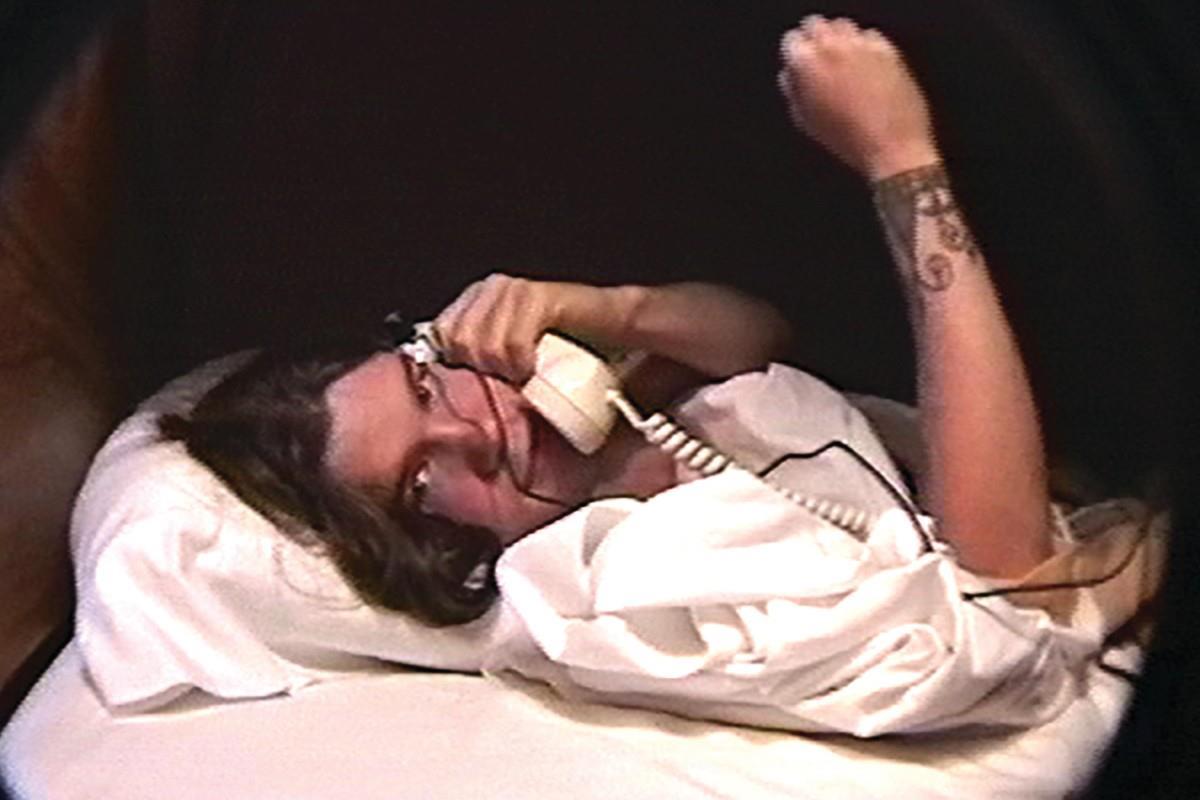
The film refuses to shy away from the unvarnished honesty of the Blind Melon frontman during his brief moment of fame.
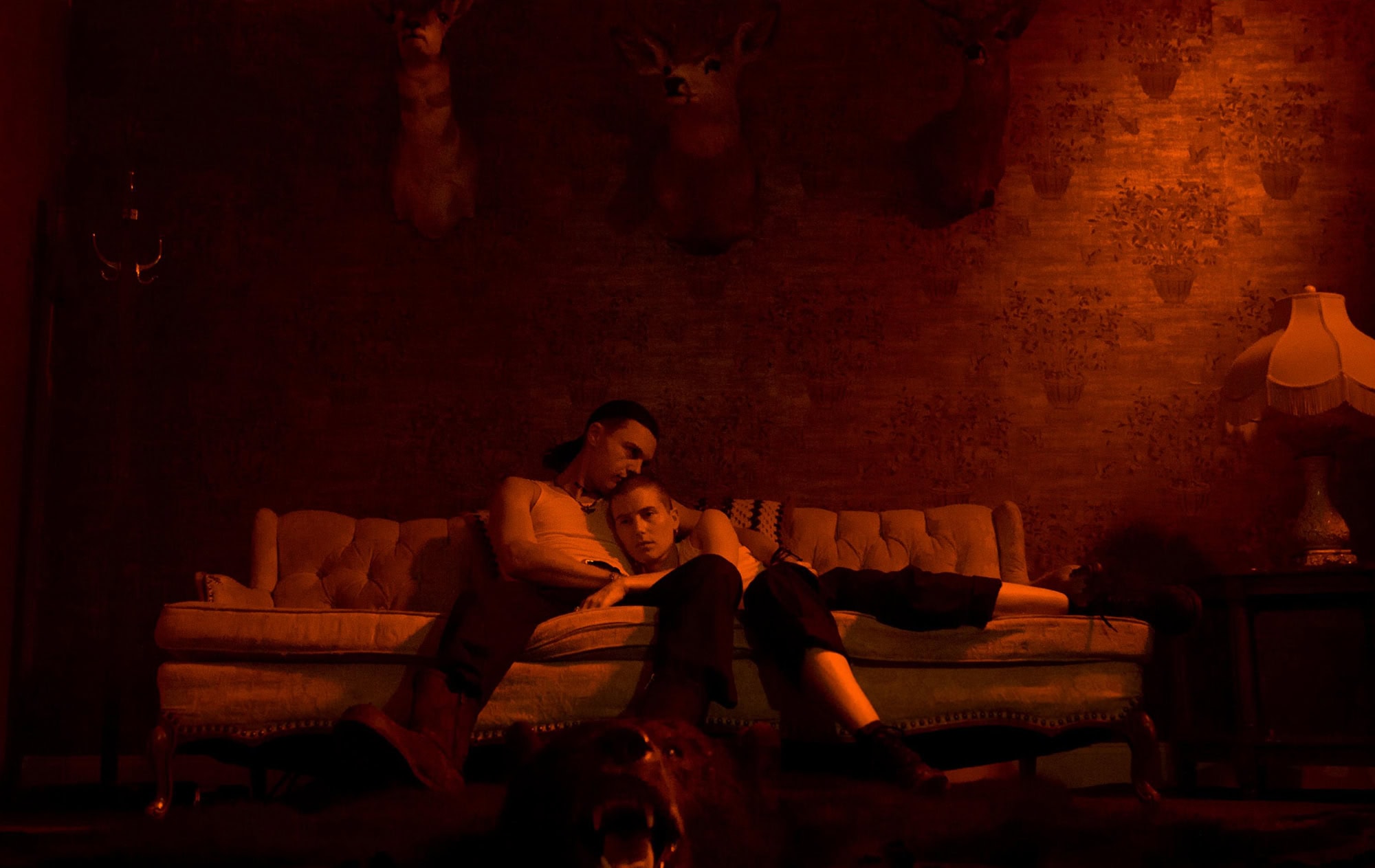
Some of the film’s narrative threads are frustratingly unresolved, while others are wrapped up in arbitrary fashion.
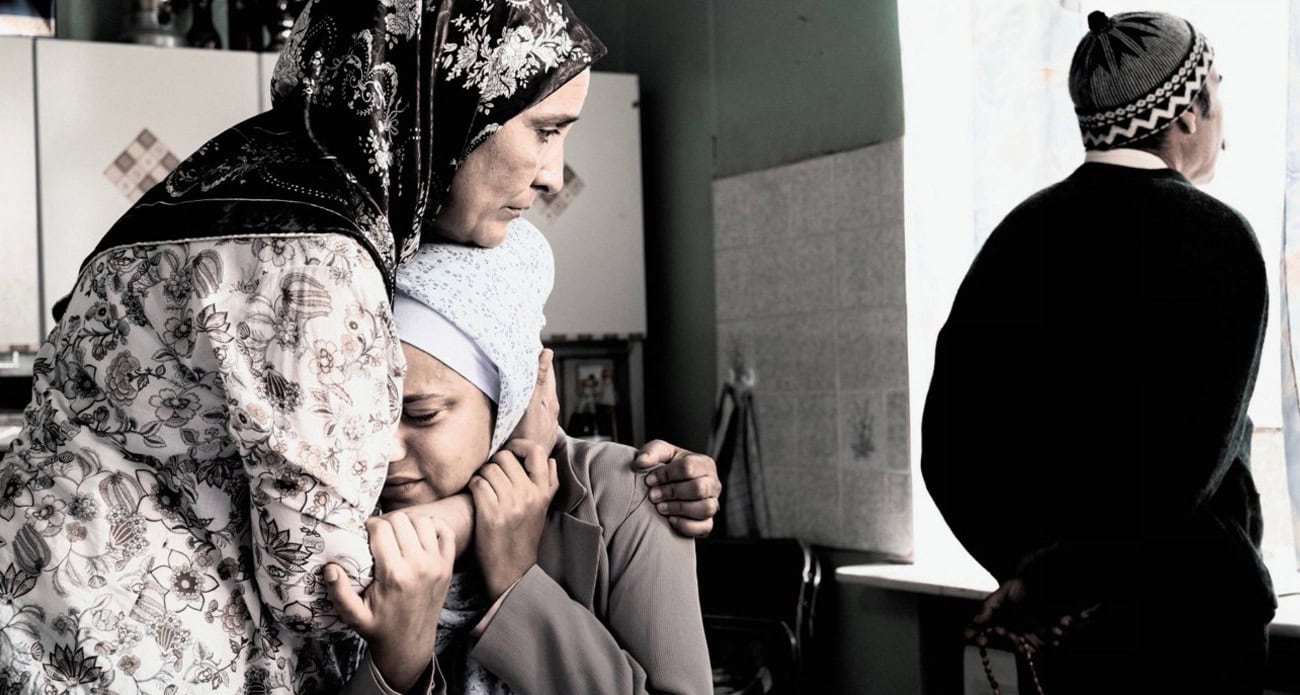
Where When We Leave built to simple outage, this one concludes with a rush of complex, conflicting emotions.

The final product feels like more of an interesting and beautifully filmed anecdote than compelling political and human drama.

David Koepp is a fatally un-obsessive craftsman, one who’s fashioned a horror film that resembles a tasteful coffee table book.
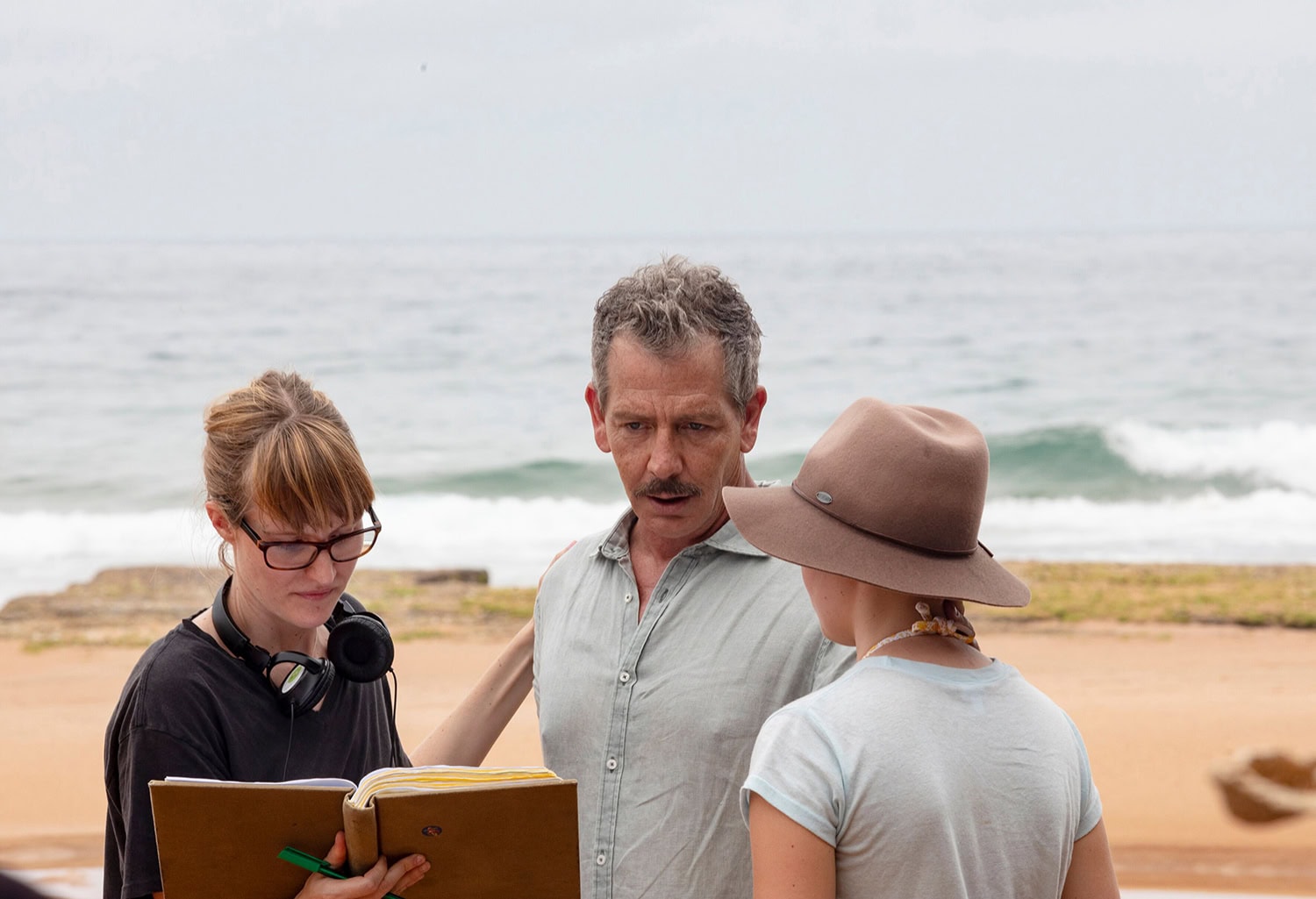
Murphy discusses how she steered the film away from weepy clichés and toward an authentic portrayal of teenage experience.

Holland’s film is also a tribute to those who see the world for what it is.

Amos Nachoum has a vulnerability that he manages to locate in animals without diminishing their capacity for violence.