This year brought 18 features and seven shorts, all presented with live musical accompaniment.

This year brought 18 features and seven shorts, all presented with live musical accompaniment.
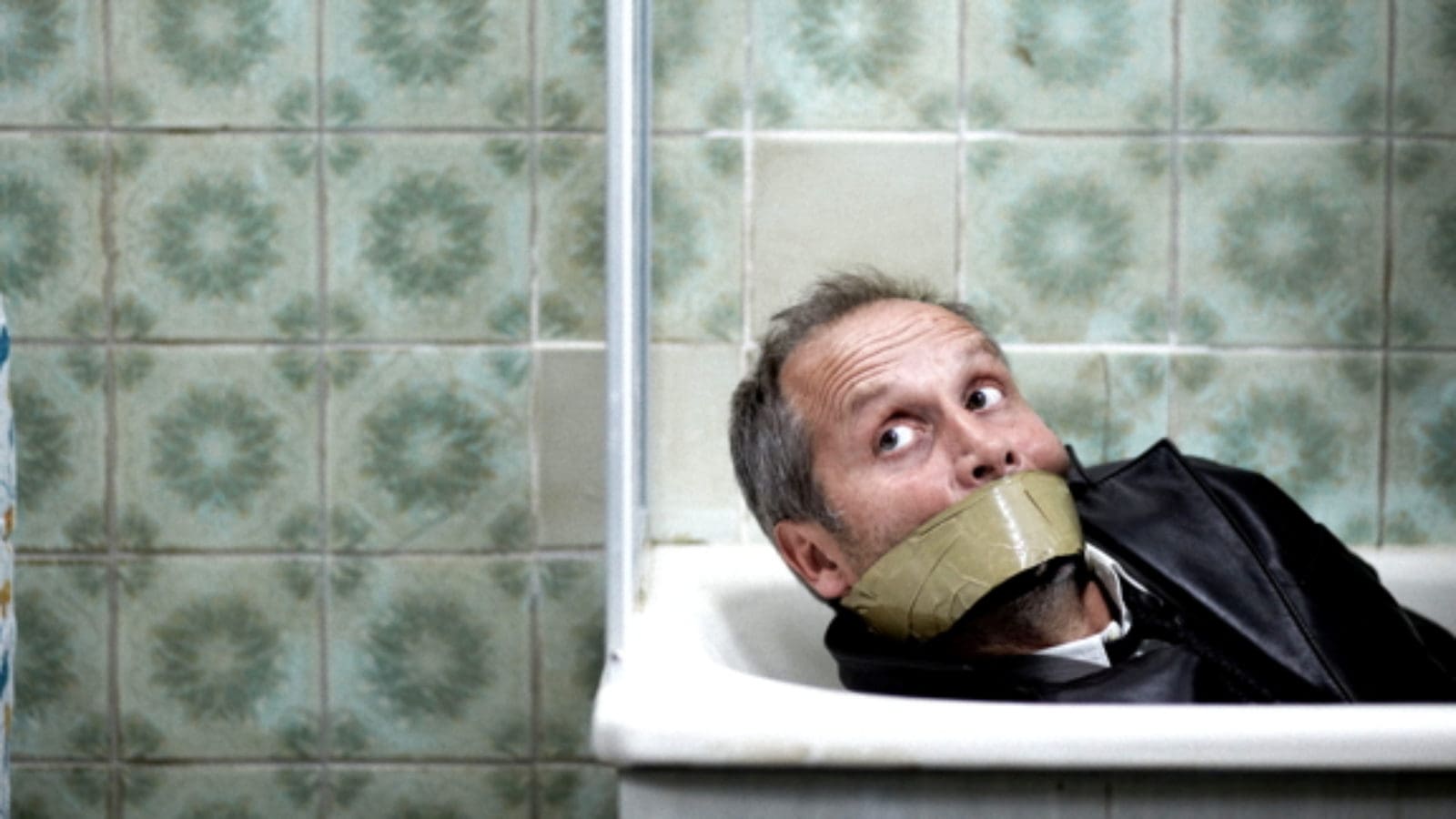
Angelo Cianci’s farce takes the wrong things seriously and pokes fun of nothing worth laughing at.

Hula and Natan is so amusingly foul-mouthed that it becomes, in part, a study in the art of the comedic argument.

Michael Marczak’s At the Edge of Russia feels, in its early going, much like the work of a contemporary Romanian director.

Whatever Family Instinct may lack in authenticity, its flair is irresistible.
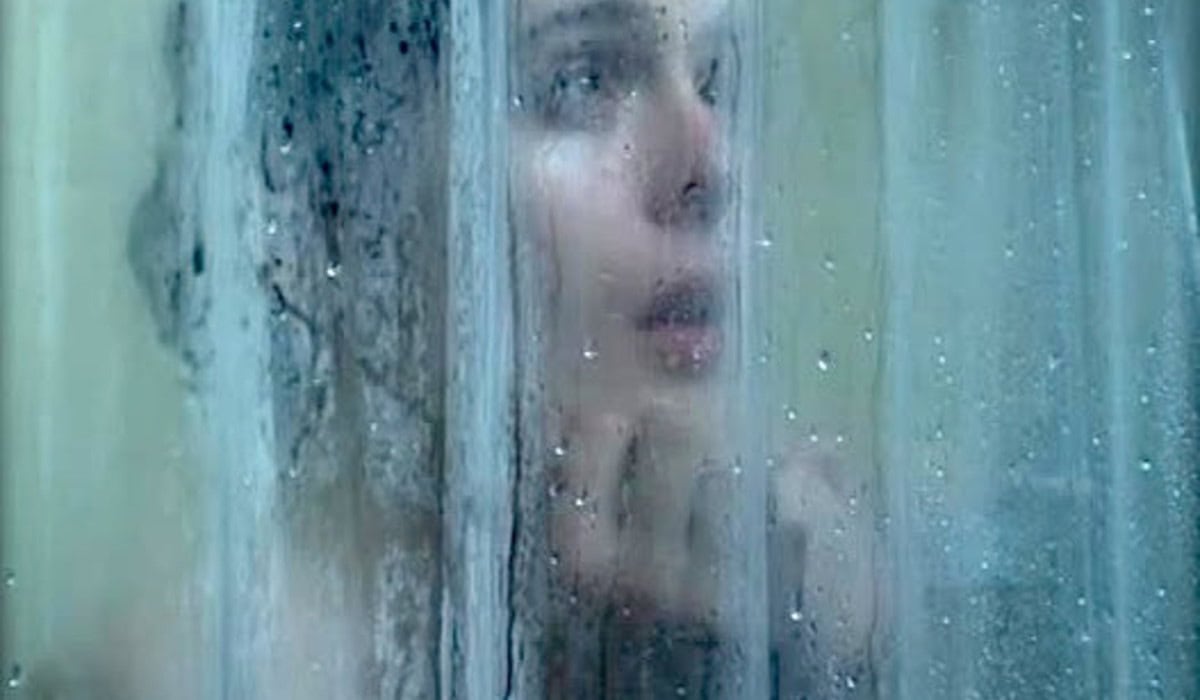
Autodidact Valérie Donzelli proves that she can make a better Tiny Furniture than Lena Dunham.
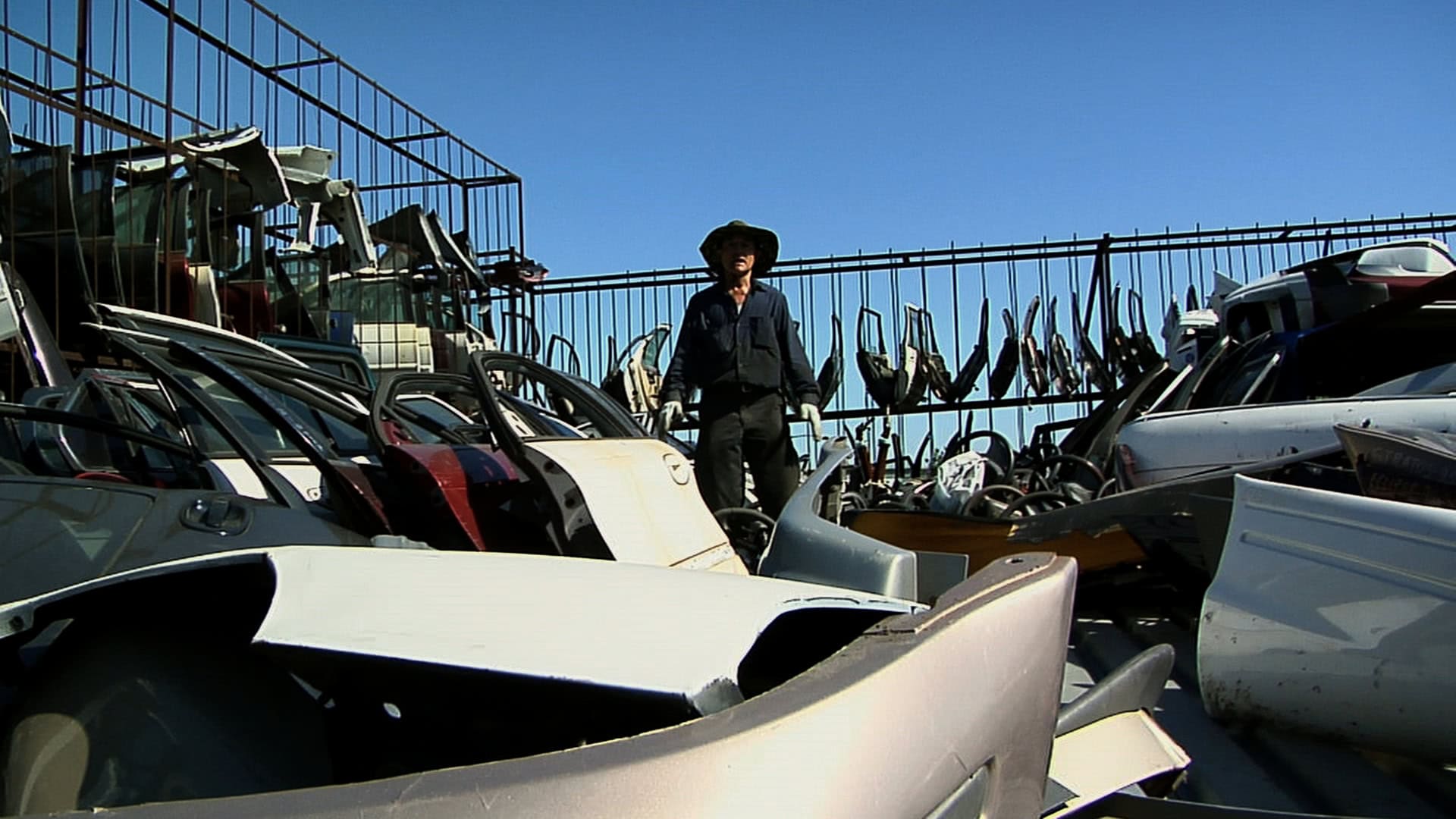
The film is a well-mixed assemblage of cacophony, rain, and detritus set in the Willet’s Point neighborhood of Queens.

Apparently, all that’s needed to quell class warfare in Service Entrance is a little home cooking, a peck on the cheek, and a cheesy line.
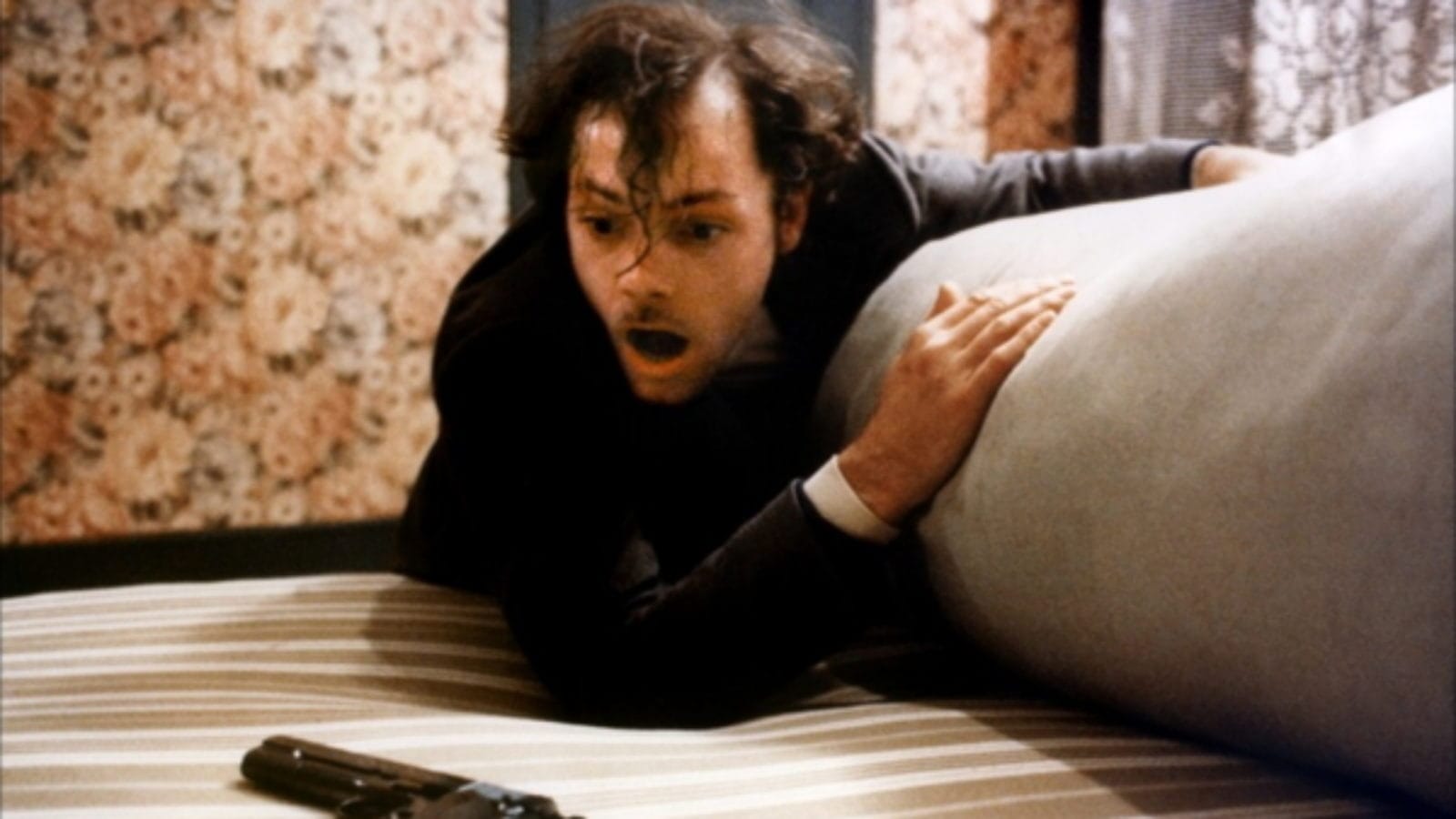
Alain Corneau’s 1979 film Série Noire is considered to be one of the best movies based on Jim Thompson’s work.
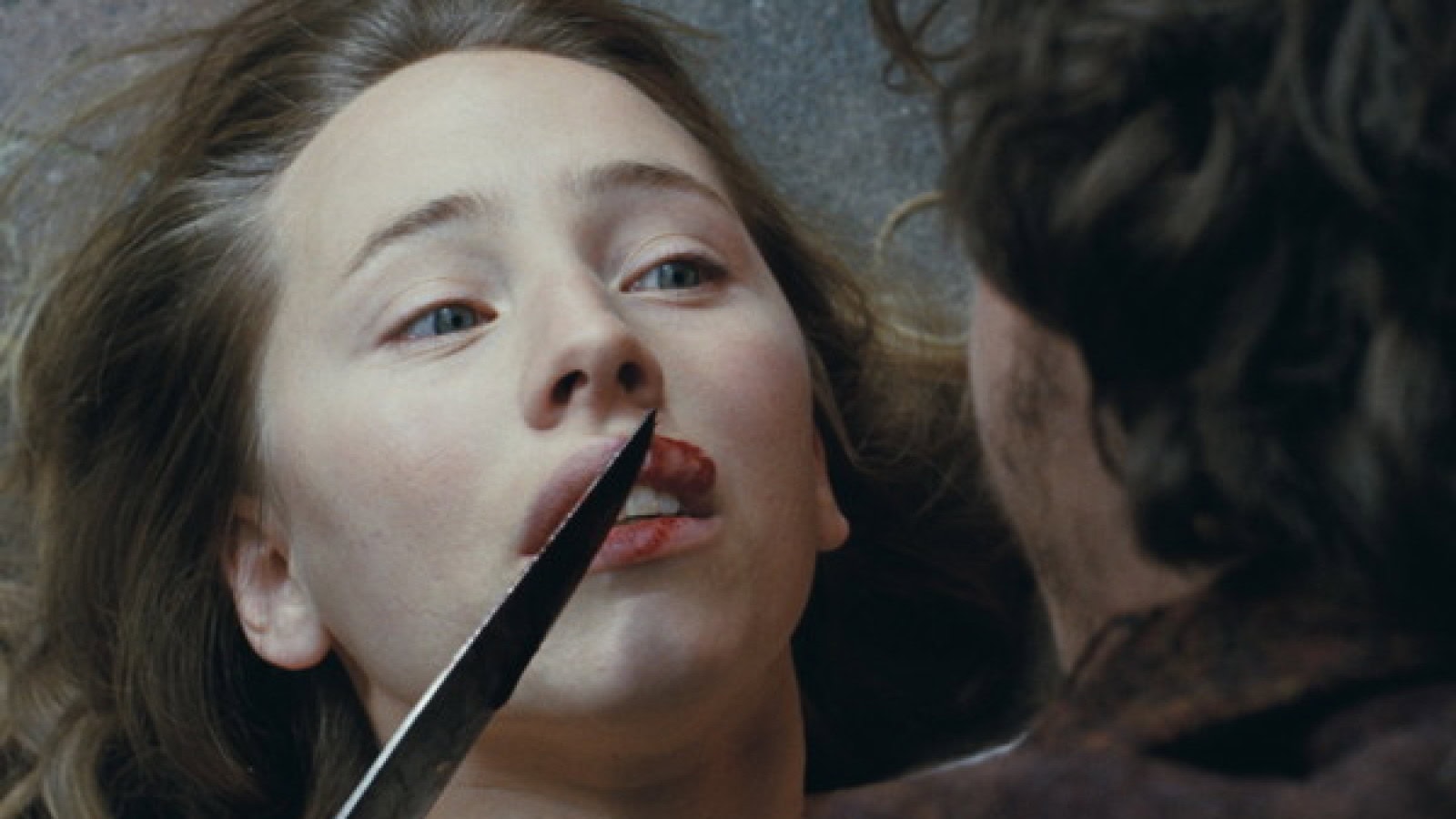
The film winds down toward a non-climax that feels like an admission of its inability to guide its craziness to a satisfying conclusion.

Breillat’s films tend to examine sex in close quarters, trapping their characters in situations where they’re forced to confront otherwise ignorable realities.
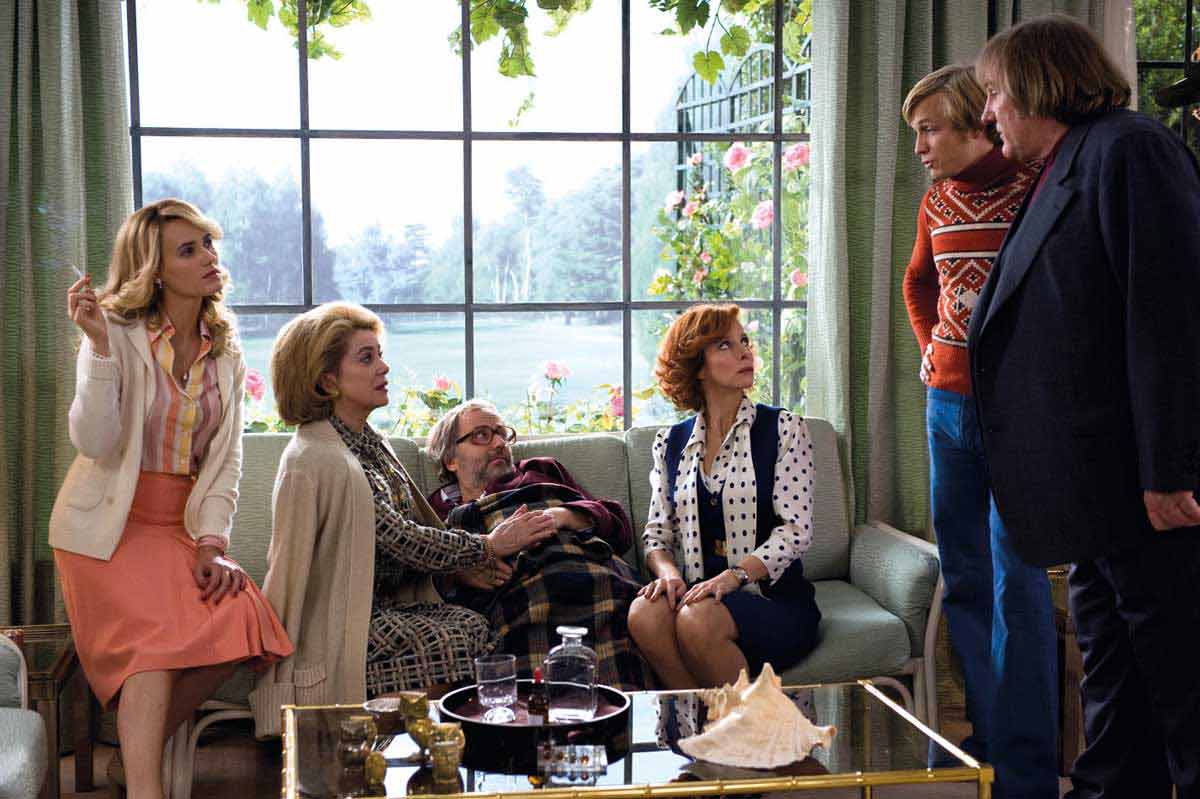
Potiche finds François Ozon reverting to his campy 8 Women ways.

Skiff’s rote filmmaking is fortunately topped by his eye-opening subject matter.
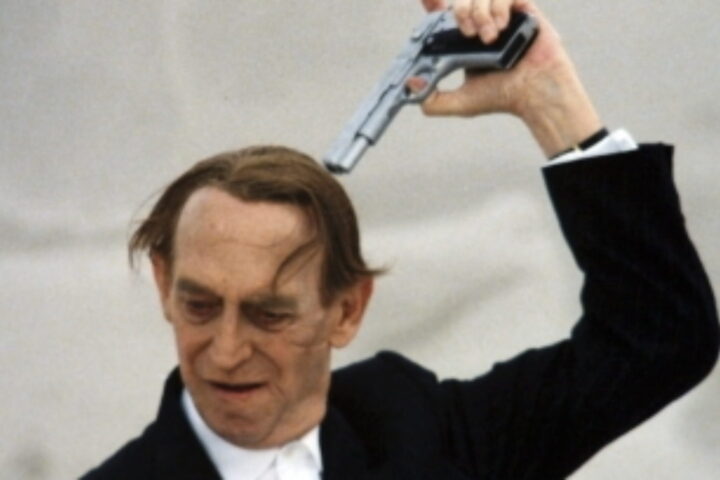
Wundkanal inevitably becomes about the dizzying confusion of history, its inability to be processed or explained in any linear fashion.
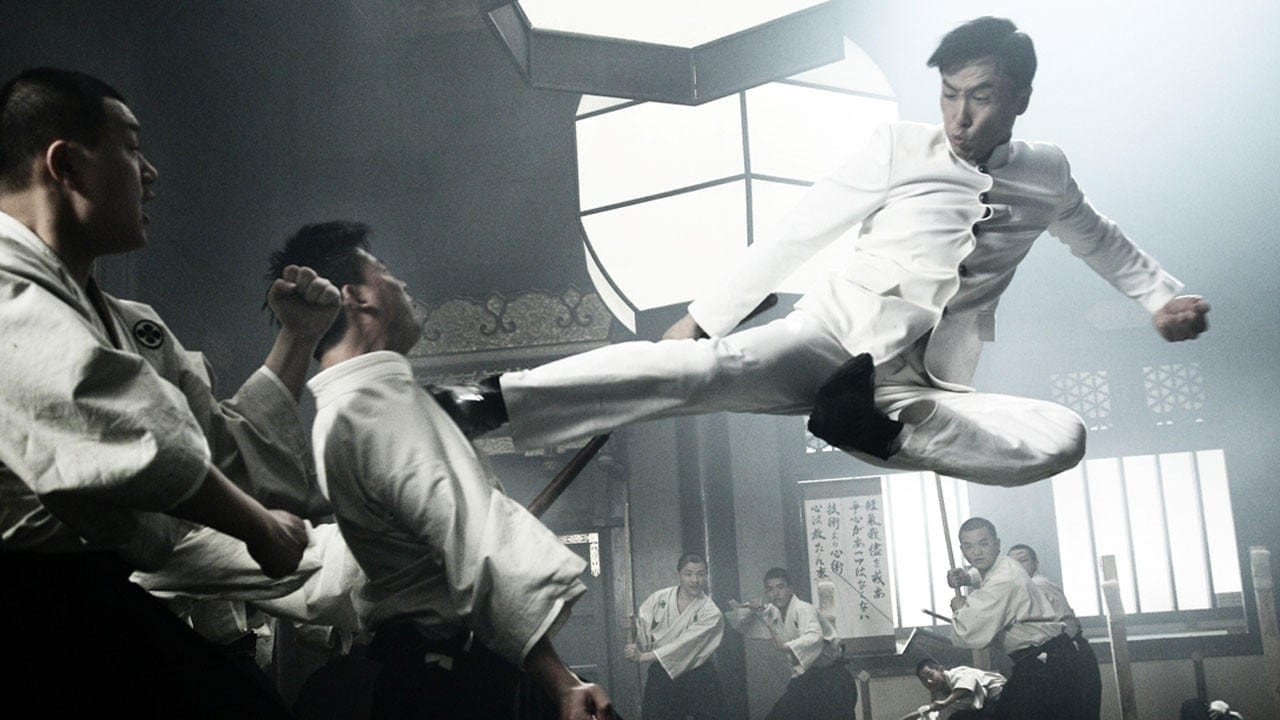
Leave it to Andrew Lau to drown a staid, fool-proof setup for success in grandiose tragedy and pseudo-significance.

Its unsettling air lies in Sono and co-writer Yoshiki Takahashi’s unwillingness to attach Murata’s mania to a recognizable source.
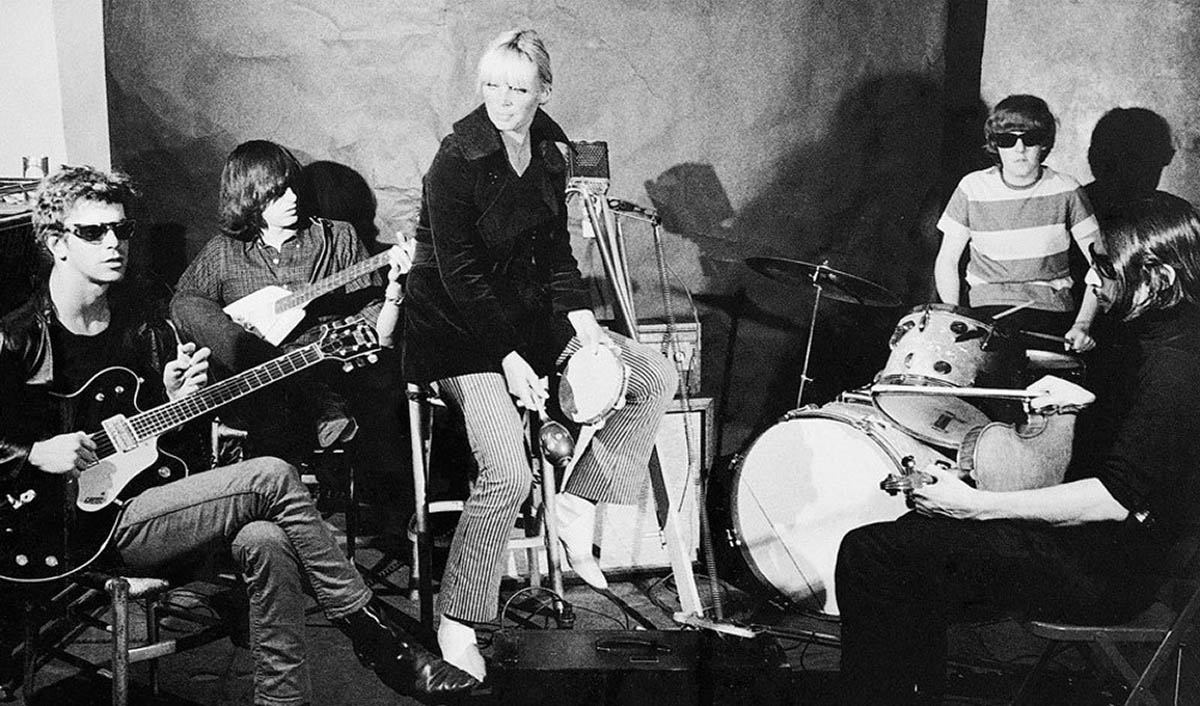
Andy Warhol’s documentary is in absolute lockstep with the textures of its soundtrack.
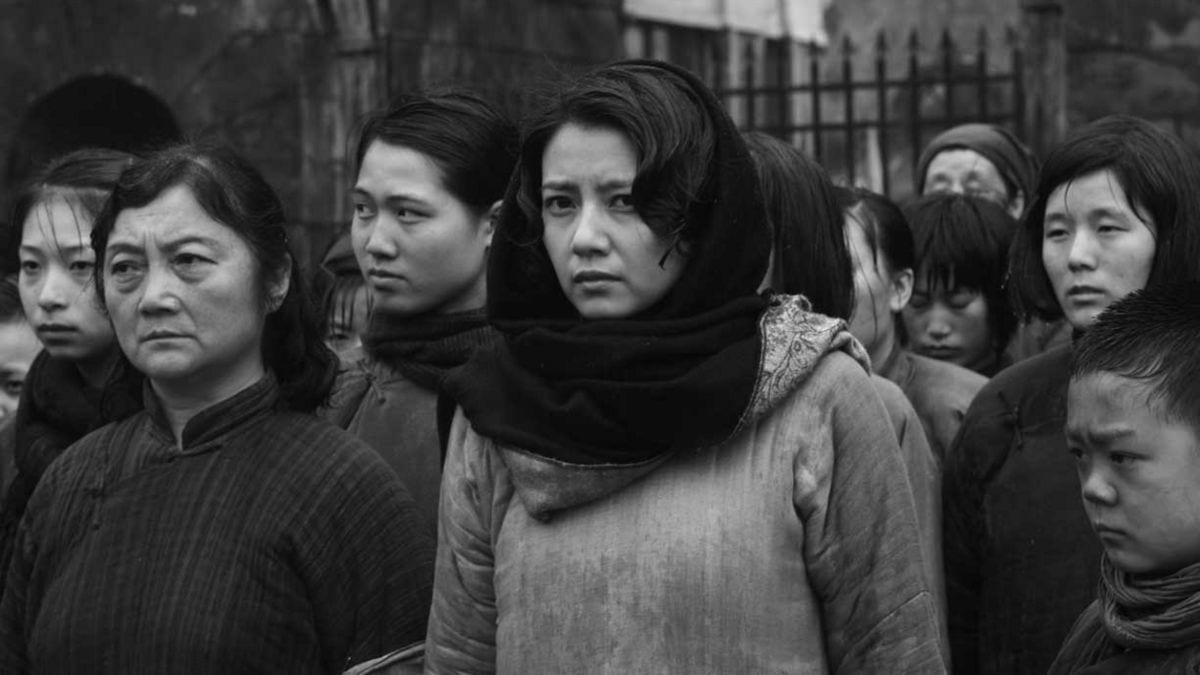
A box office hit in its native China, Lu Chuan’s divisive epic about the Nanking massacre courted enormous controversy almost from the start.

How to make a talking-head documentary when the subject’s actual head is the one element that the director cannot film?

The Karski Report is filmmaking stripped down to one of its most basic roles: historical record.

The film’s biggest asset is its unusual stable of auteurs.