We ranked the Queen of Pop’s discography, from her self-titled debut to Confessions II.
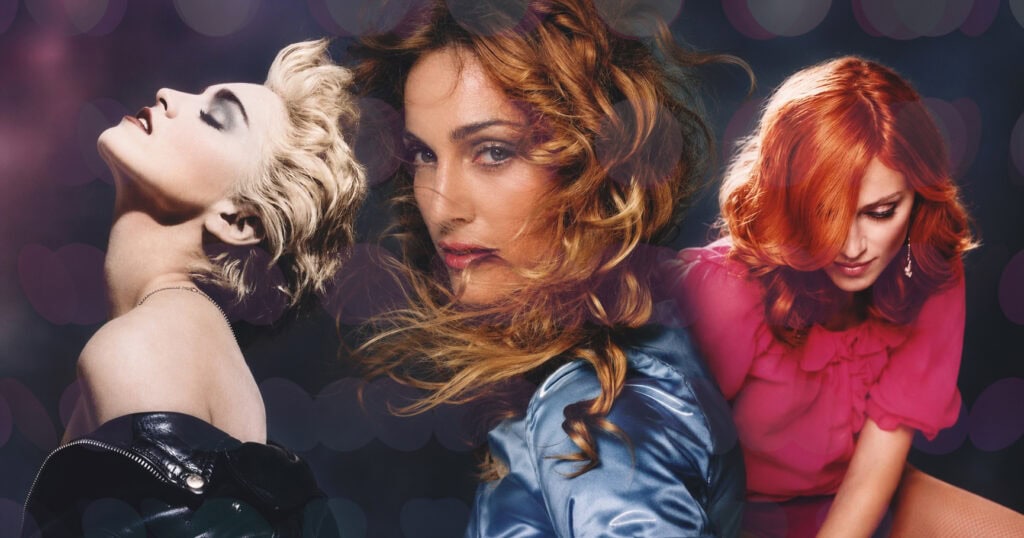

We ranked the Queen of Pop’s discography, from her self-titled debut to Confessions II.

It’s Not Me begins with a modest “I don’t know” as a riposte to a proposed riddle.

These three films bear the scars from a region’s history of violence like a fertile inheritance.

Franz and Fiala discuss how their main character’s struggles relate to the present world.

Breillat discusses image-making and intimacy, scandal and subversion, denial and desire.

Drucker discusses how she handled Breillat’s precise and often “tyrannical” directing style.

The album is still the most coherent way for us to understand where music culture is in any particular moment.

Gershon discusses what makes the film such an enduring and endearing queer cinema classic.

It’s often said that those who forget the past are doomed to repeat it.

The project spearheaded the multiplatform playbook that pop stars still draw from today.

Cinema can be a salve, but it can also force us to reckon with the chaos of our fragile world.

Margolin and Squibb discuss the film’s stunts, working with Richard Roundtree, and more.

There are at least four celebrated contenders vying, all equally convincingly, for the top prize.

Potente and Tykwer discuss why the film is like a playground for audiences.

Nash discusses where he drew inspiration for cross-pollinating styles for his debut feature.

Linklater discusses whether people’s identities can change with enough will power.

To celebrate the release of “Portrait,” we’ve ranked Mariah Carey’s 10 best remixes.

The brothers discuss the film’s roots, giving the actors secrets at the start of each day, and more.

The play examines the provenance of a photo album from Auschwitz.

Hamaguchi discusses the evolution of his approach to dialogue and camera movement.

Swift and Antonoff’s work together has, more often than not, resulted in pop magic.