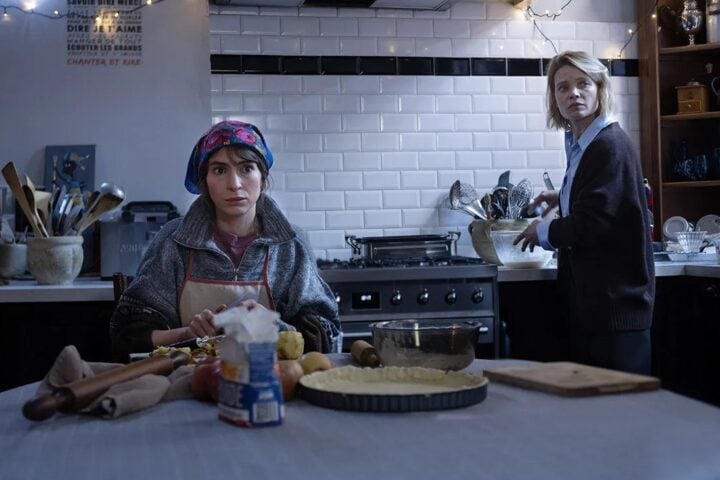
Jude’s “variation on” Octave Mirbeau’s novel is an exuberant hodgepodge of genre modes.


William Repass’s poetry and fiction have appeared in Bennington Review, Denver Quarterly, Fiction International, Bending Genres, and elsewhere. For links to his published writing, click here.
Jude’s “variation on” Octave Mirbeau’s novel is an exuberant hodgepodge of genre modes.
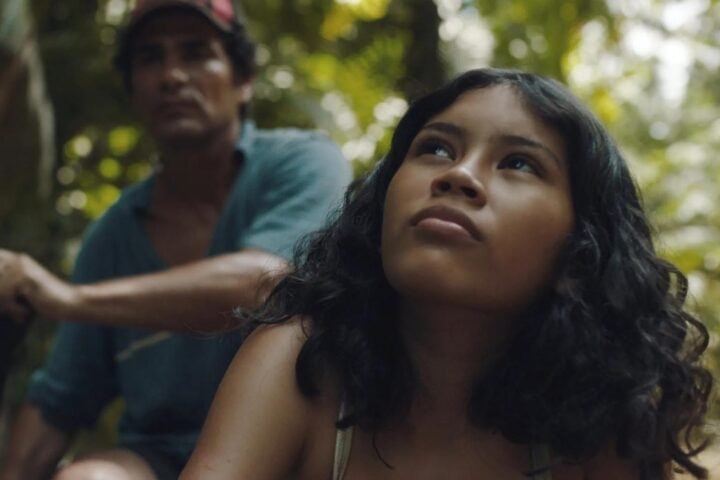
There isn’t much room in Brennand’s film for contradiction or ambiguity.
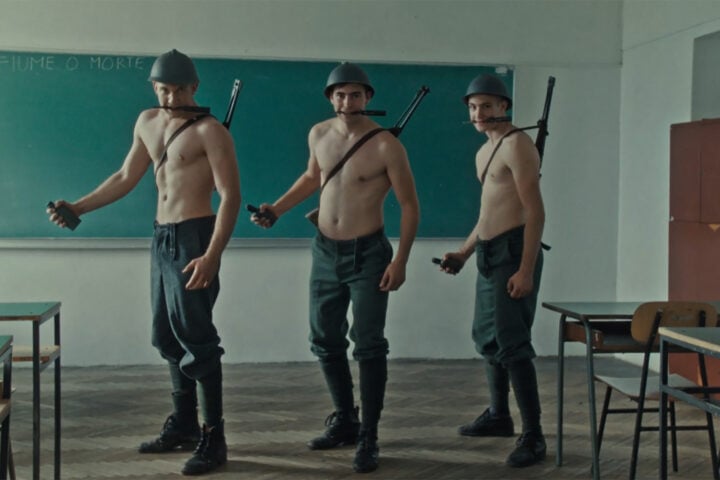
Bezinović never allows us to forget the provisional, ramshackle frivolity of his storytelling.

Late Shift depicts time and mortality, rather than class structures, as antagonists.
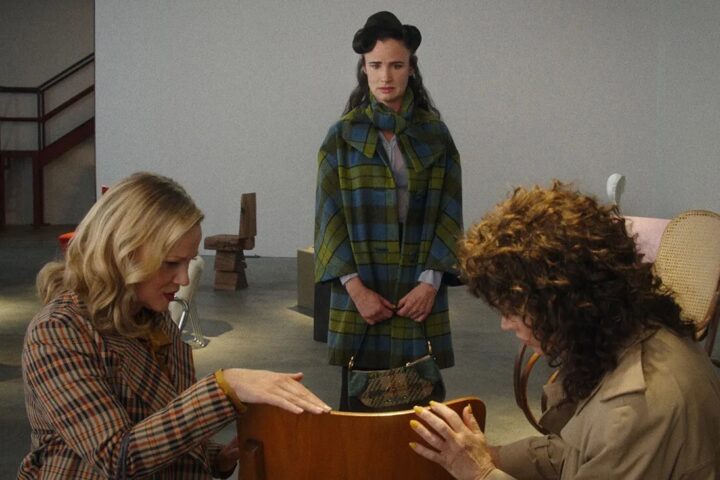
If the film treats us, like its main character, as a piece of furniture, that’s probably by design.
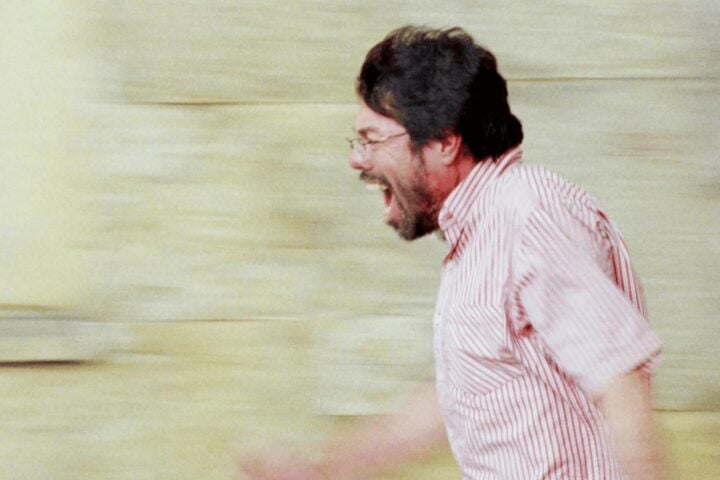
This finely shaded character study feels more than anything else like an existential parable.
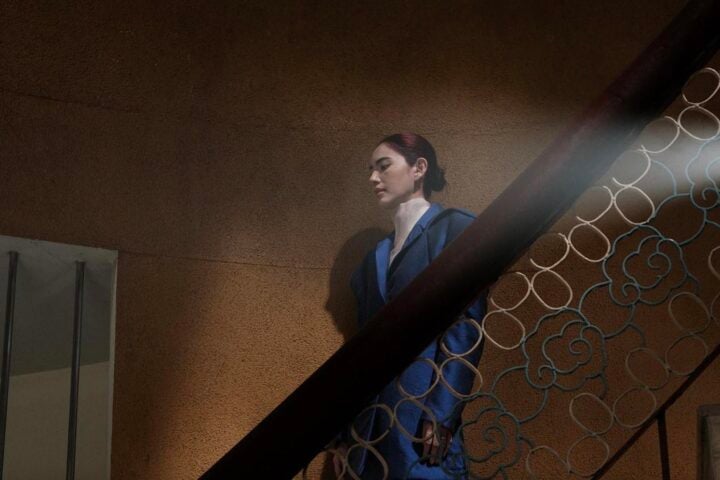
Boonbunchachoke’s defense of historical memory couldn’t be more timely.
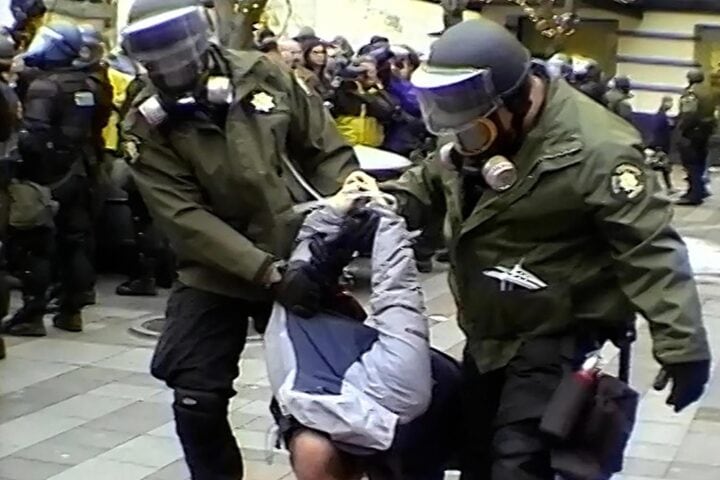
The film’s emphasis is on the spectacle of protest, rather than its organization.

The film sees the intensity of moral strictures as giving meaning to the transgression of them.
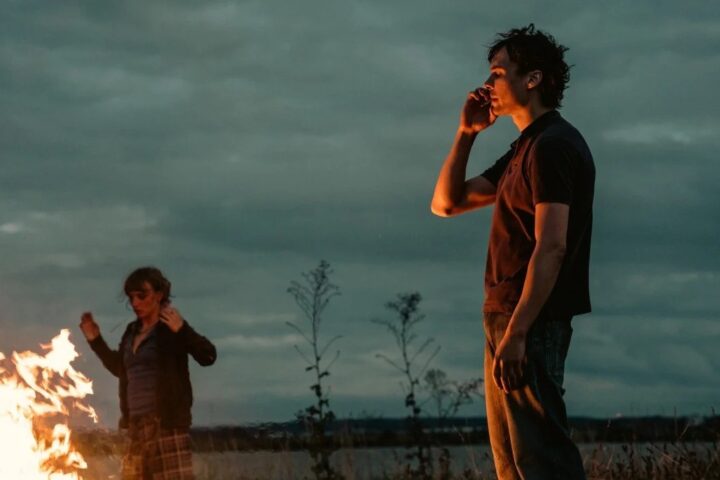
The film is most fascinating for its interrogation of its own representation.

The film’s archival images conjure a sensation of inexorable doom.
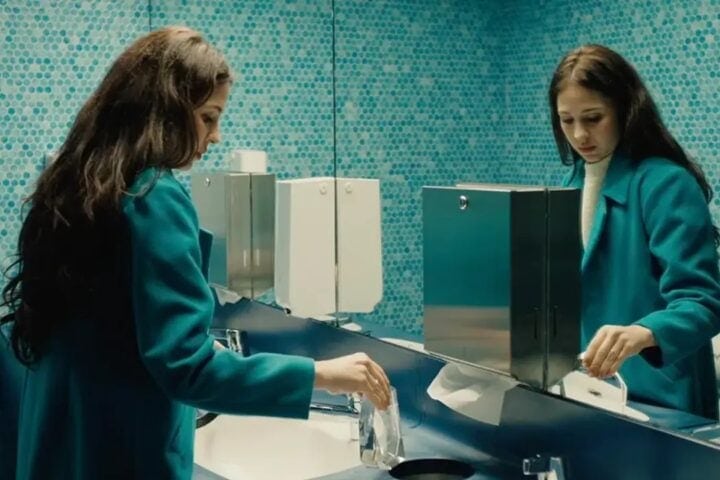
Mumenthaler’s attention to subjectivity invites comparison to Virginia Woolf’s work.
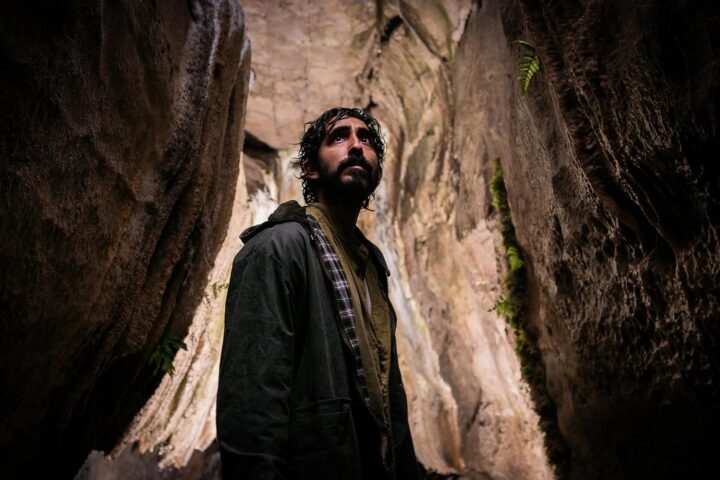
Horror is a genre perfectly suited to Chainey’s soundtrack-forward style of filmmaking.
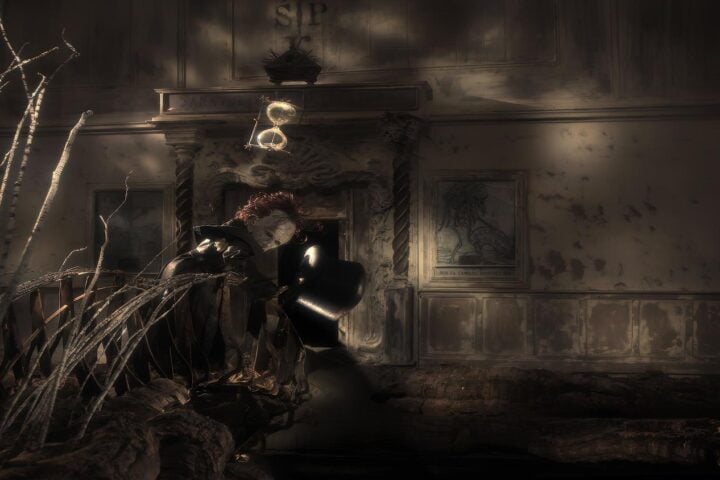
The film self-consciously disrupts linearity through dreamlike repetition and displacement.
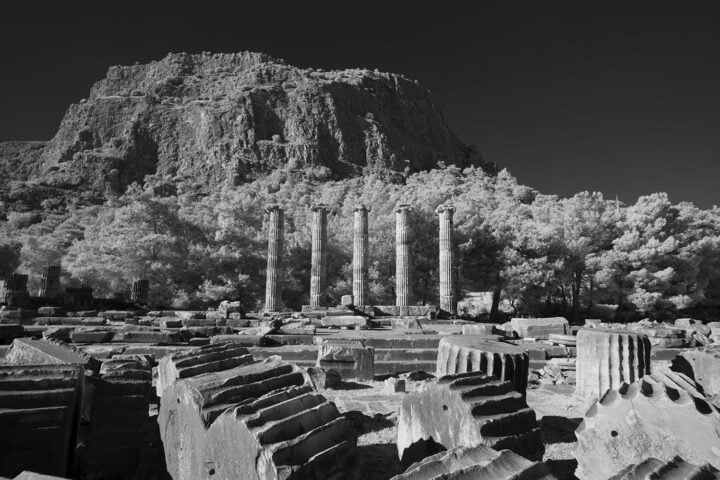
Throughout the film, Victor Kossavosky finds novel ways to create a sensation of deep time.
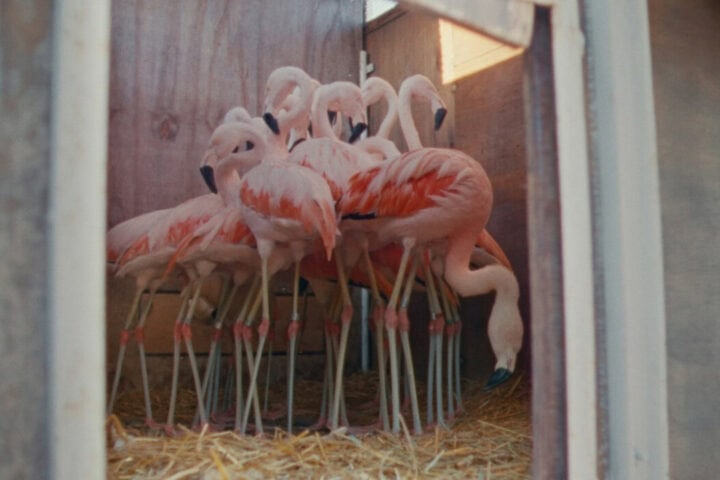
The film reveals—and urges on—a historical shift in how we relate to other living beings.
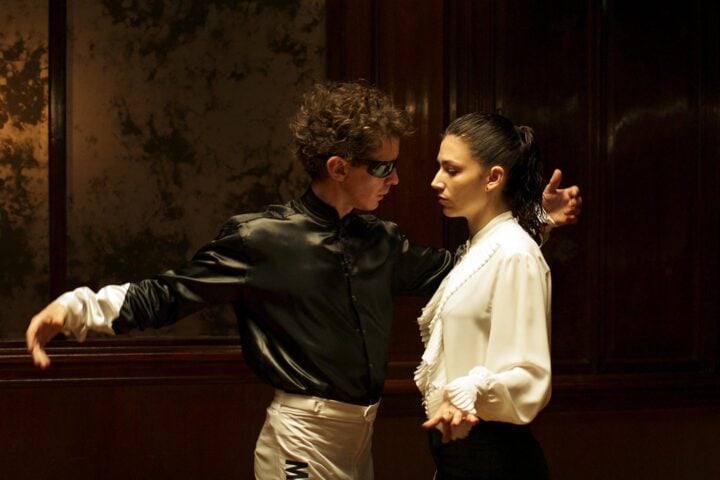
The film collages its influences with an anarchic panache.

The film conjures a distinct mood, if obliquely, through intimations of doom.
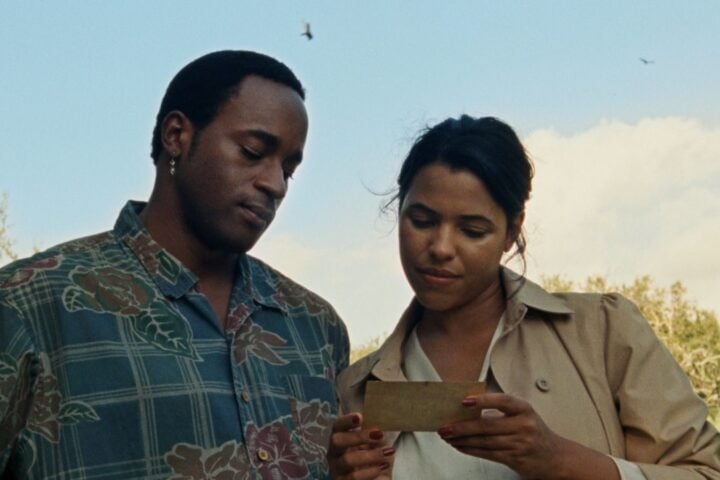
This film essay ultimately argues unconvincingly against art’s right to imagination.

Desert of Namibia comes full circle from one stalemate to another.