The film captures the putrefaction of colonial rule with a morbid sense of humor.



William Repass’s poetry and fiction have appeared in Bennington Review, Denver Quarterly, Fiction International, Bending Genres, and elsewhere. For links to his published writing, click here.
The film captures the putrefaction of colonial rule with a morbid sense of humor.

In Baloji’s film, one family attempts to reconcile two irreconcilable yet inextricable realities.

The film knows that there’s no way of reversing historical trauma, only surviving in its wake.

Few sacred cows emerge unscathed from Hausner’s latest.

Bertrand Mandico’s film is the cinematic equivalent of a French Symbolist poem.

Alex Schaad’s film traffics in body ambivalence more than body horror.

The film demonstrates Argentine novelist Ricardo Piglia’s theory of “paranoid fiction.”

Throughout, Glauber Rocha calls on us to imagine what we’d want a revolution to look like.

Divinity amounts to an exercise in style for style’s sake.
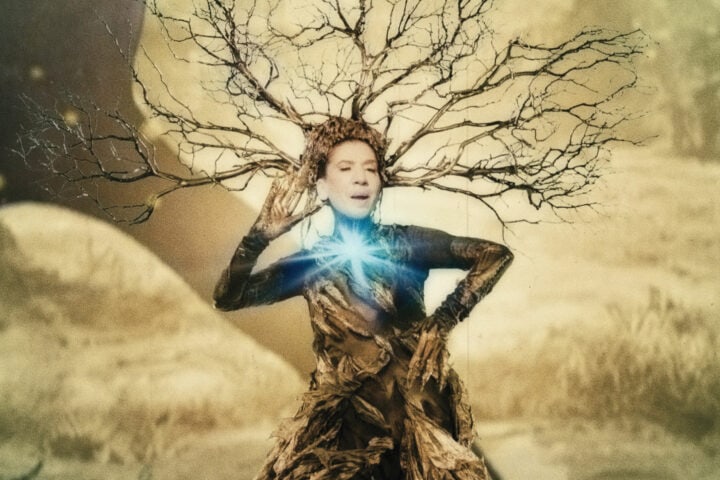
Once Within a Time is more of a gesture than a chain of events.

The film insists that we come to terms with it rather than straightforwardly enjoy it.

Muratova’s impressionism ushers us into the subjective experiences of her female leads.

Even when the film becomes something like a thriller, it never loses sight of its political themes.

The film goes to show that humanism and absurdism are often two expressions of the same face.

From the outset, it’s clear that the film is something akin to a rural noir.

Cavalli’s film consecrates a ferocity as refreshing as it is infectious.

The film is a timely rumination on the difference between knowledge and information.
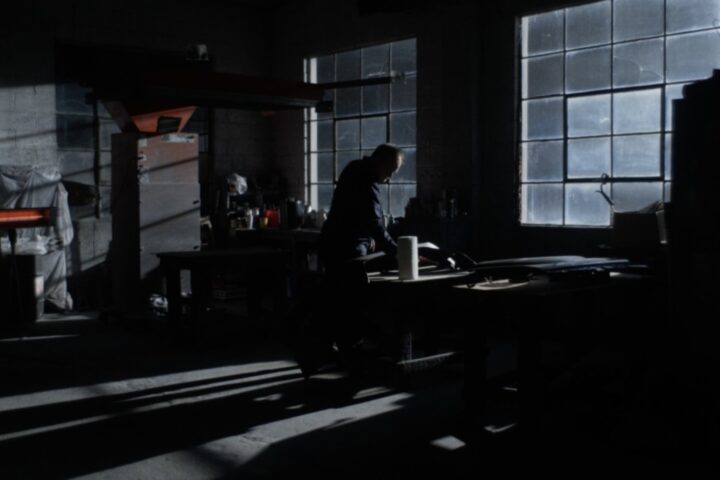
Tyler Taormina’s film keys us to an almost primordial rhythm exempt from routine or history.
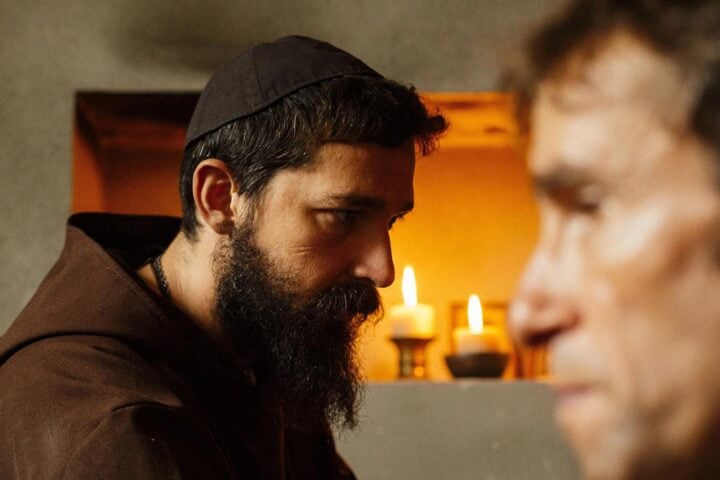
The film is a fusion of two souls, each as rough-hewn and fragmentary as the other.
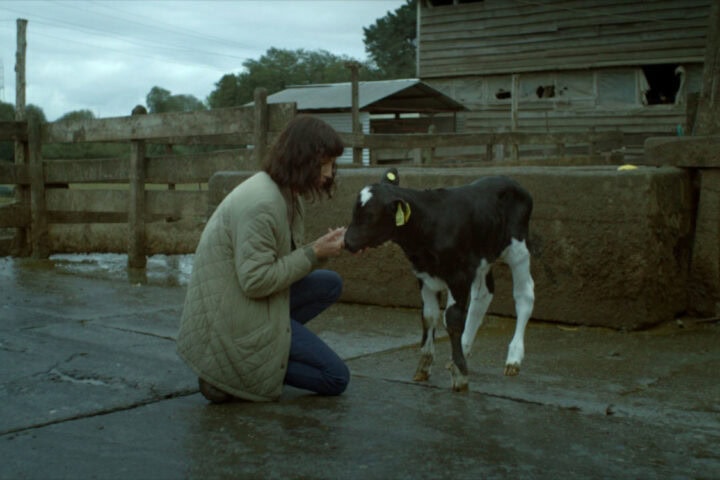
The film is an object lesson in what can result when art subordinates itself to a message.