The film feels most real, even at its most absurd, when focused on the idea of closure as a kind of fantasy.



Wes Greene is a film writer based out of Philadelphia.
The film feels most real, even at its most absurd, when focused on the idea of closure as a kind of fantasy.

The filmmakers are thankfully willing to render, with unremitting vigor, how grief can batter the human heart.

Kelly Daniela Norris and T.W. Pittman’s film immediately announces itself as a modest triumph of world-building.
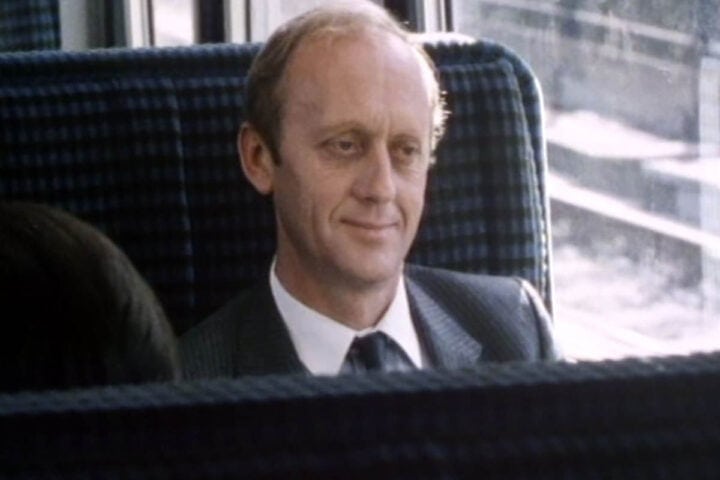
Ray Davies seamlessly transitions to the role of director and shapes his artistry for a new format.

The filmmakers refuse to promote a political agenda of their own in order to let the varied convictions of others foster a necessary dialogue.

Copenhagen is essentially a vision of the world the filmmaker yearns for, but he negates his thesis by presenting bike traffic in the city as a nuisance.

The visible numbness and empty stares of the doc’s three subjects painfully evoke years of being gripped by the war on drugs.

It may look like a dream, but it plays like someone reading a congressional report on corporate finagling out loud.

It’s something unique for both a genre exercise and a documentary: a science-fiction film that doesn’t contain an ounce of fiction.

The trust that Bulletproof’s filmmakers have in their cast and their talent is humanely and succinctly illustrated throughout.

A documentary whatsit acutely aware of the inherent performance people put into social discourse to maintain appearances.
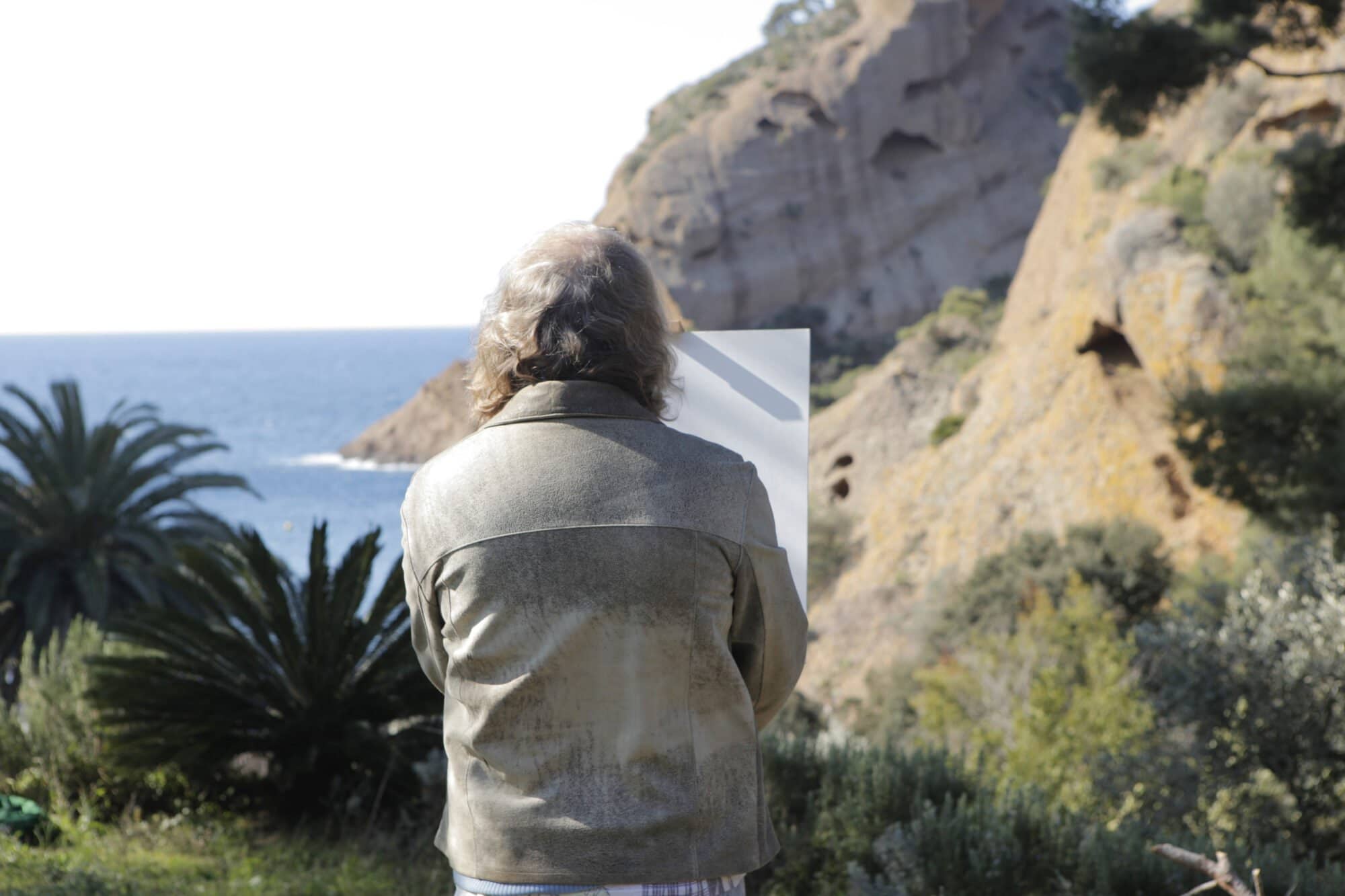
Rarely do the interviewees express their own thoughts on Beltracchi, as Birkenstock lets him speak for himself, for better and for worse.

Aviva Kempner’s profile of Julius Rosenwald suggests a 60 Minutes segment stretched to feature length.

Thomas Wirthensohn frequently sinks into dully positing Mark Reay as something close to the pinnacle of human integrity.

Its irritatingly saccharine tone is such that it shuns grappling with certain characters’ dubious and perverse behaviors.

In the end, Billy Senese’s Closer to God suggests Re-Animator as told through an airless CNN report.

A hollow bit of violence exposes the film’s sense of empowerment as nothing more than a harmless sheep masquerading in wolf’s clothing.

The eccentric artistry calls so much attention to itself as to make the subject of the film feel like an afterthought.

Through an elegant visual style, Jean-François Caissy simply seeks to evoke the feeling of living at such a spirited age.

Yael Melamede doesn’t dwell on each of her subjects’ stories beyond the condensed version that’s related on screen.