First-person accounts from individuals most affected by the drop in agricultural productivity are rarely the focus of the film’s vision.



Wes Greene is a film writer based out of Philadelphia.
First-person accounts from individuals most affected by the drop in agricultural productivity are rarely the focus of the film’s vision.
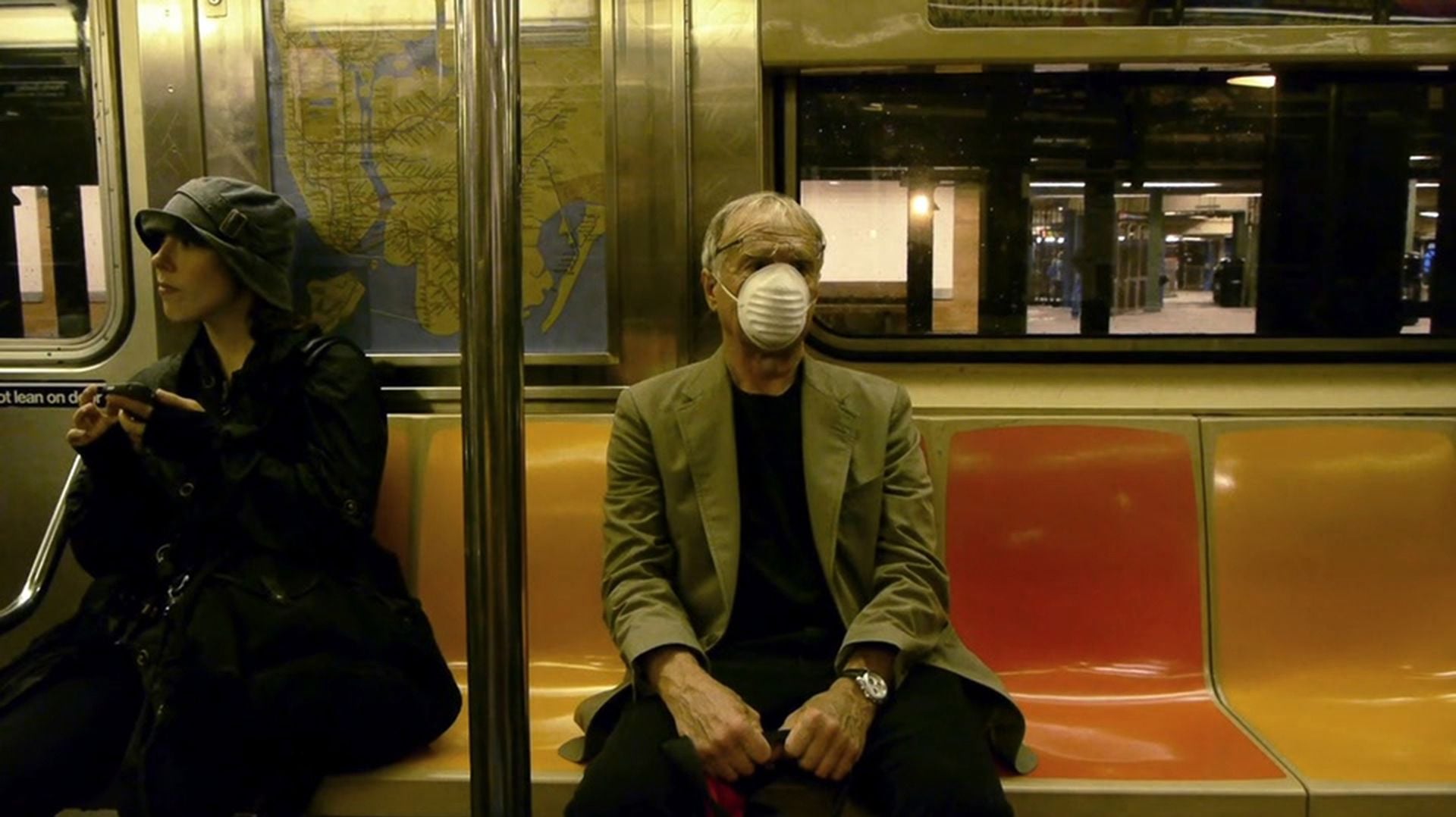
Not so much a glimpse into the mind of a dying artist than a factual drama on how loved ones are impacted by an individual’s death.

In the end, Bent Hamer’s view of current international relations comes to down to a treacly rendition of “Kumbaya.”

Afraid of alienating viewers by overloading on scientific jargon, it becomes too attracted to ultimately superfluous anecdotes.

The affectionate humanism that typically laces Simon Pegg’s postmodern self-awareness is missing from Kriv Stenders’s film.

Like the characters, the Tristan Patterson film’s exterior flash can’t conceal a glaring emptiness.

Sophie Hyde barely elaborates on the toll James’s transition takes on him and only superficially as it affects Billie’s psyche.

It passive-aggressively seems to suggest that anyone who isn’t interested in monogamy may be some kind of selfish, intolerable sociopath.
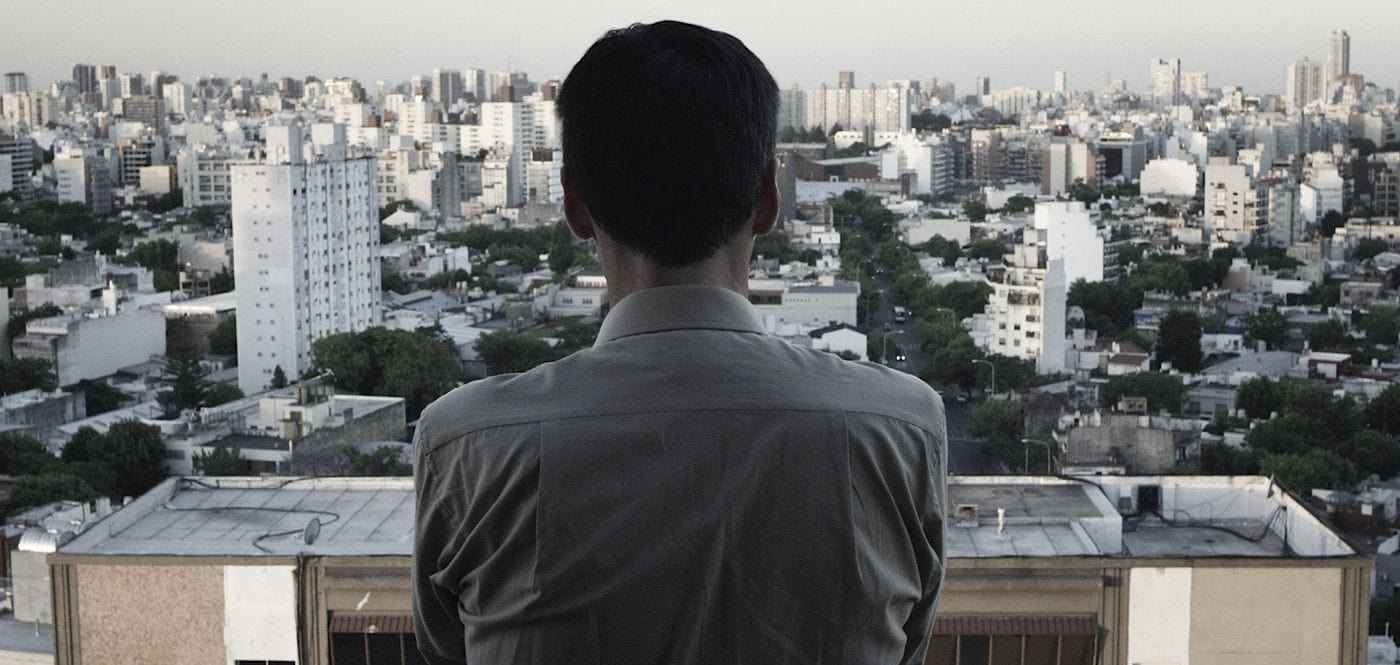
The story is flat to such a degree that it feels as if the filmmaker is inviting the audience’s most obvious interpretation.

Frank Whaley’s film evinces a perpetual streak of cynicism.
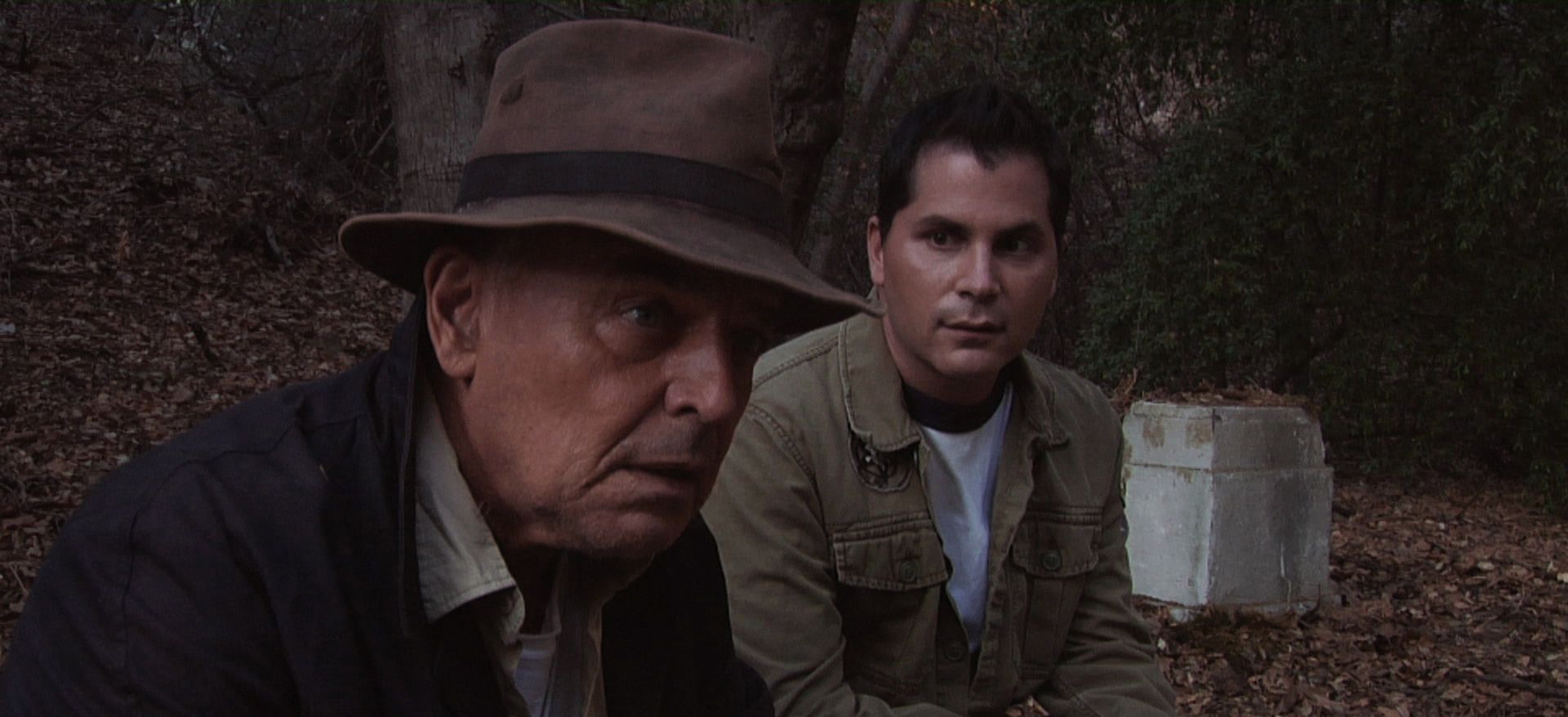
In the end, writer-director Adam Green reminds us that he’s all to eager to go for the easy thrill.

It’s so enamored with Cenk Uygur and his convictions that it hews more closely to being a conventional, one-sided biographical portrait.
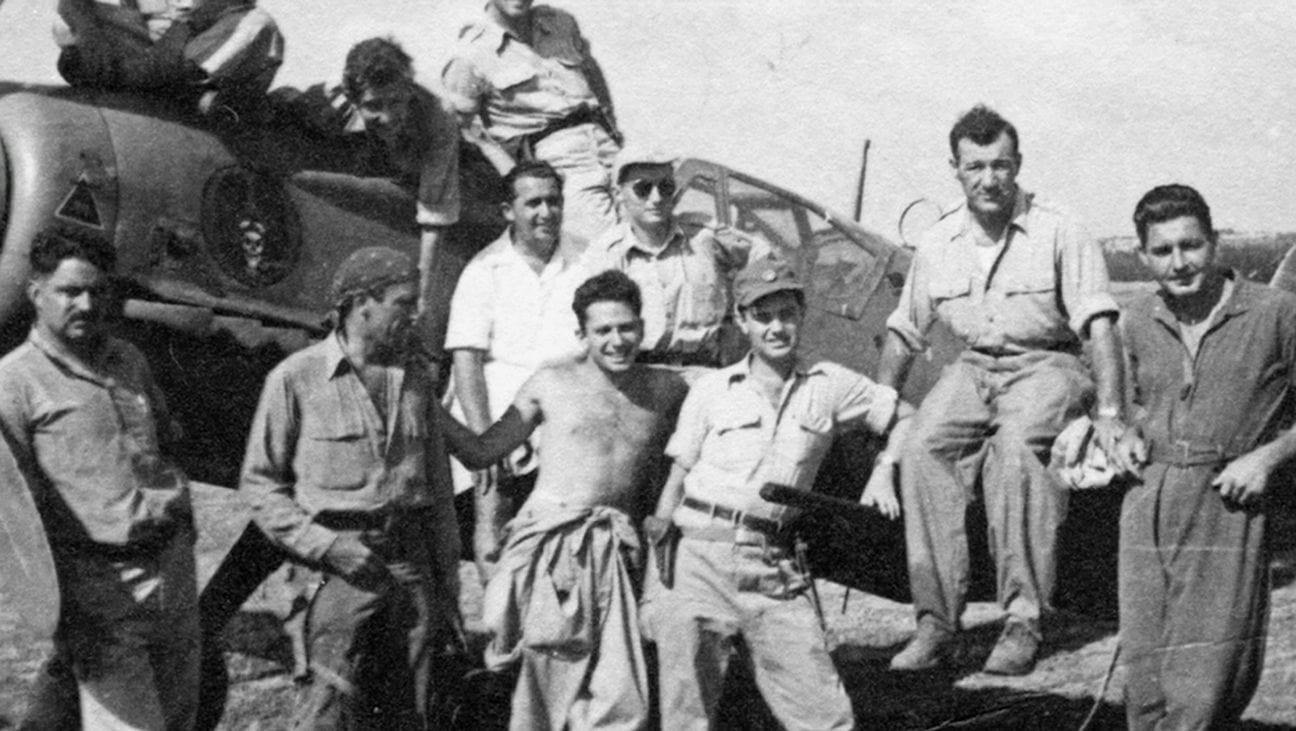
The Roberta Grossman film’s inconsistent, often impassive study of this intriguing real-life adventure feels half-told.

Its fixation on life’s quotidian aspects gives way to a less imaginative focus on an inevitable and overly familiar romance.
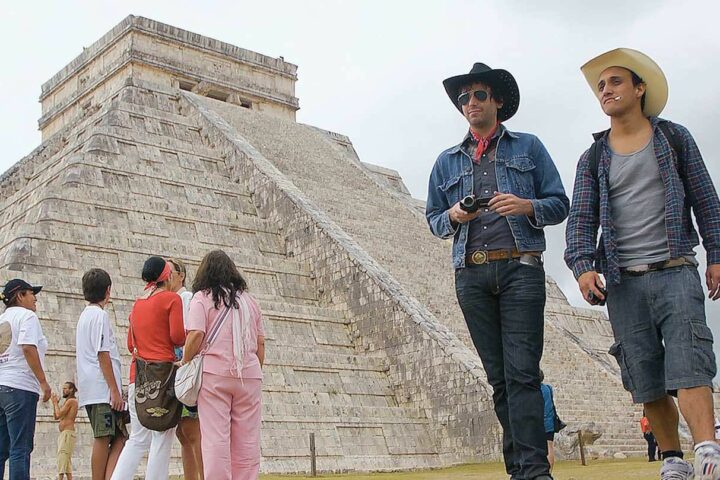
It isn’t so much about “the end of cinema” as it is about the people who abuse the medium and their subjects for their own political agenda.
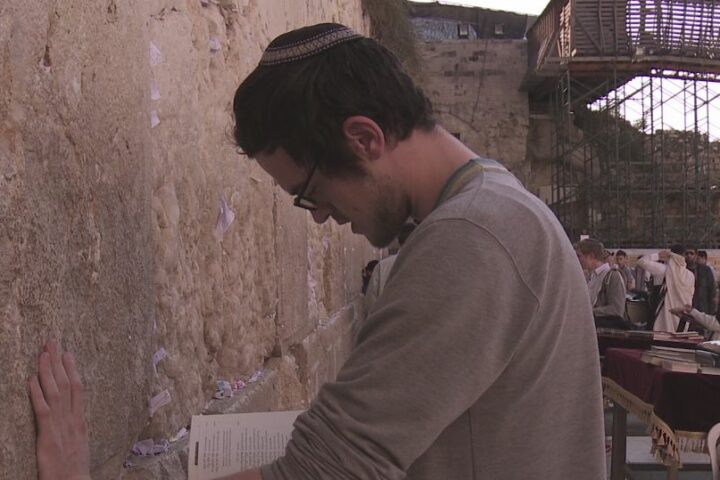
The sobering quality that informs the doc’s aesthetic and content largely suppresses any spontaneity or much-needed moments of levity.
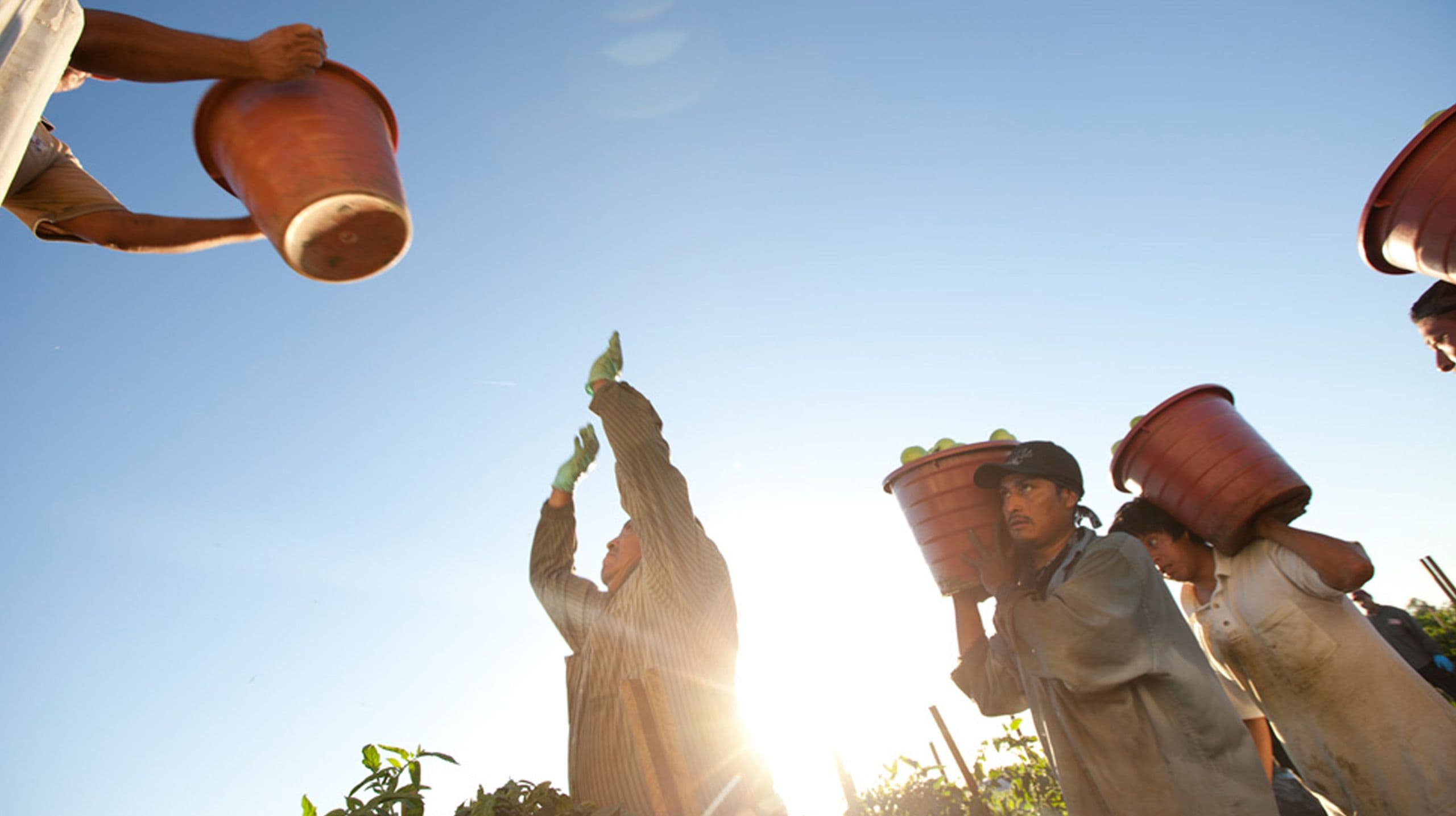
Perhaps Sanjay Rawal’s most fascinating excursion into agriculture’s dark side is the vineyards of Napa Valley.
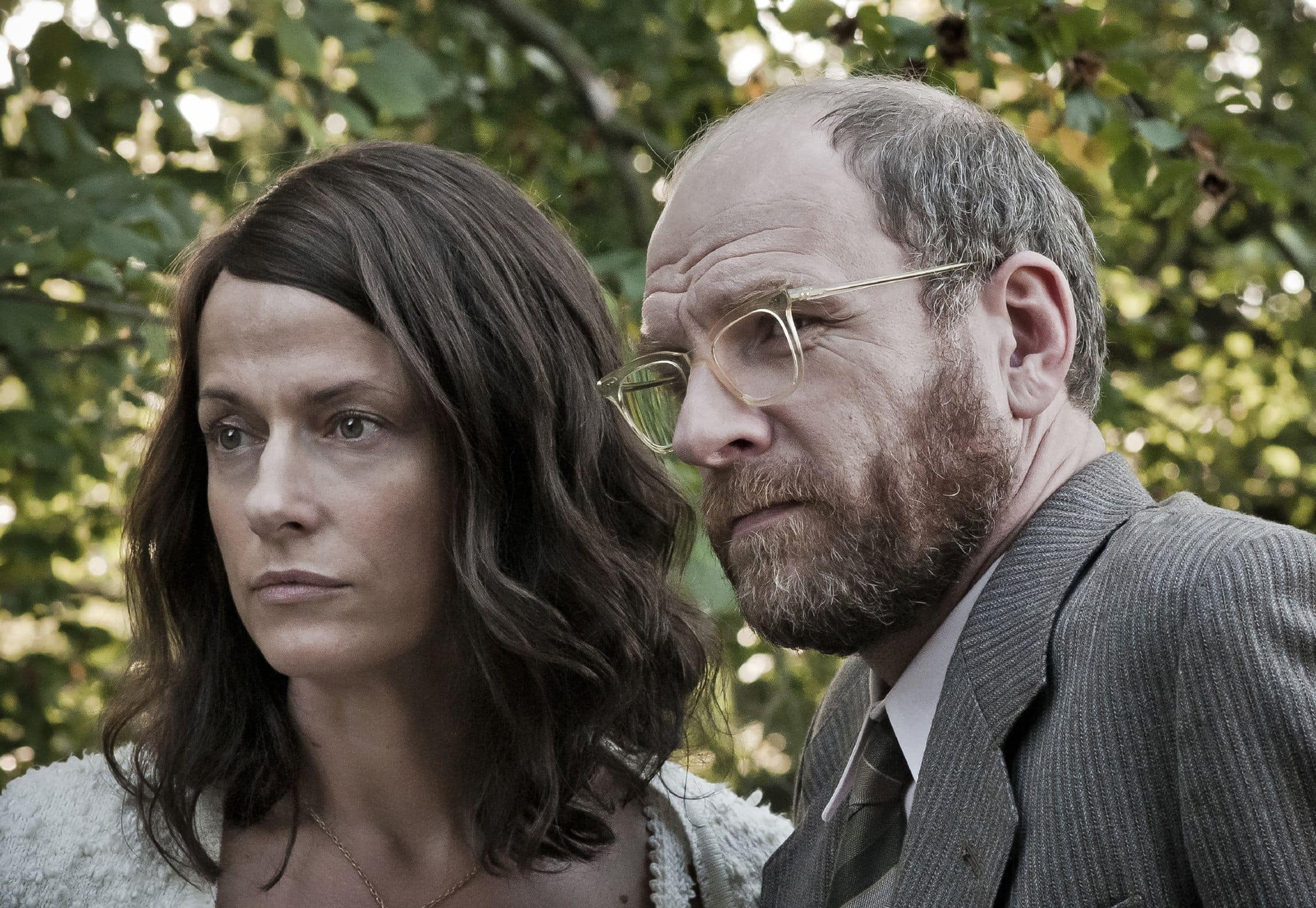
The film is a conventional family drama littered with empty pot-shots at governmental authority.

Kino’s stunning 1080p transfer should more than satisfy Jonathan Demme completists.
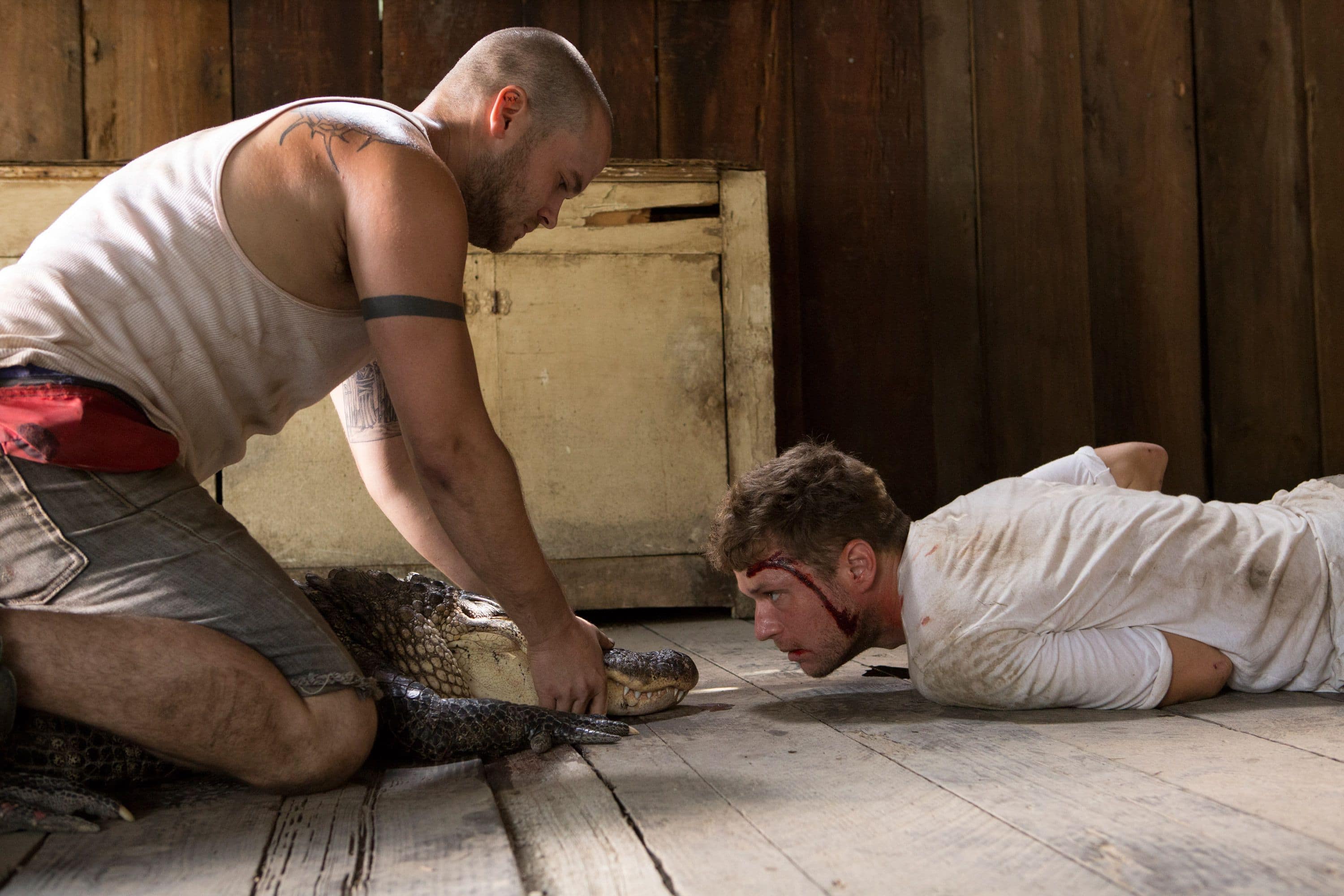
The meta-narrative leanings of Ryan Phillippe’s directorial debut almost predictably give way to self-congratulation.