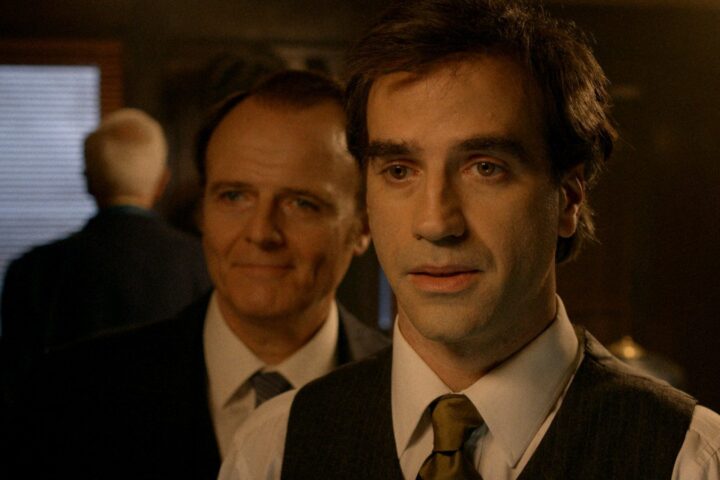
Federico Veiroj continuously underlines in red ink his protagonist’s cowardness, impulsive greediness, and lust.


Peter Goldberg is a New York City-based film critic and copywriter whose criticism has appeared in The Baffler, Film Comment, and The Brooklyn Rail.
Federico Veiroj continuously underlines in red ink his protagonist’s cowardness, impulsive greediness, and lust.

The film is refreshing for its lack of pearl-clutching, its ambivalence in assessing what it’s like to be a commodity with a nervous system.
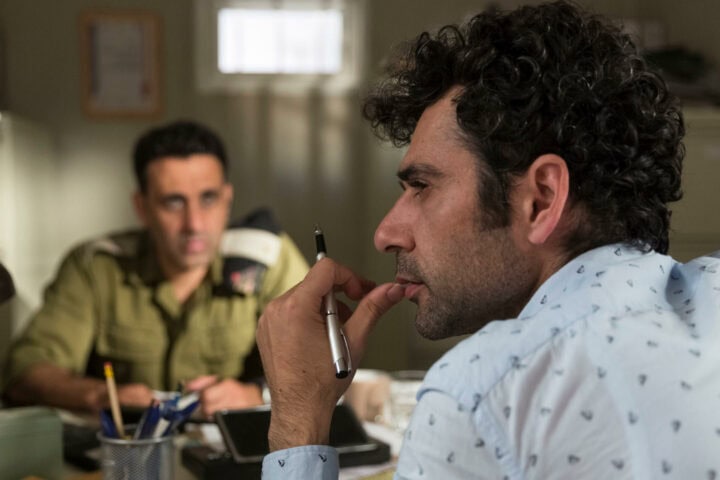
The film harnesses the excesses of soap-operatic writing to lightly satirize the cultural front of the Israeli-Palestinian conflict.
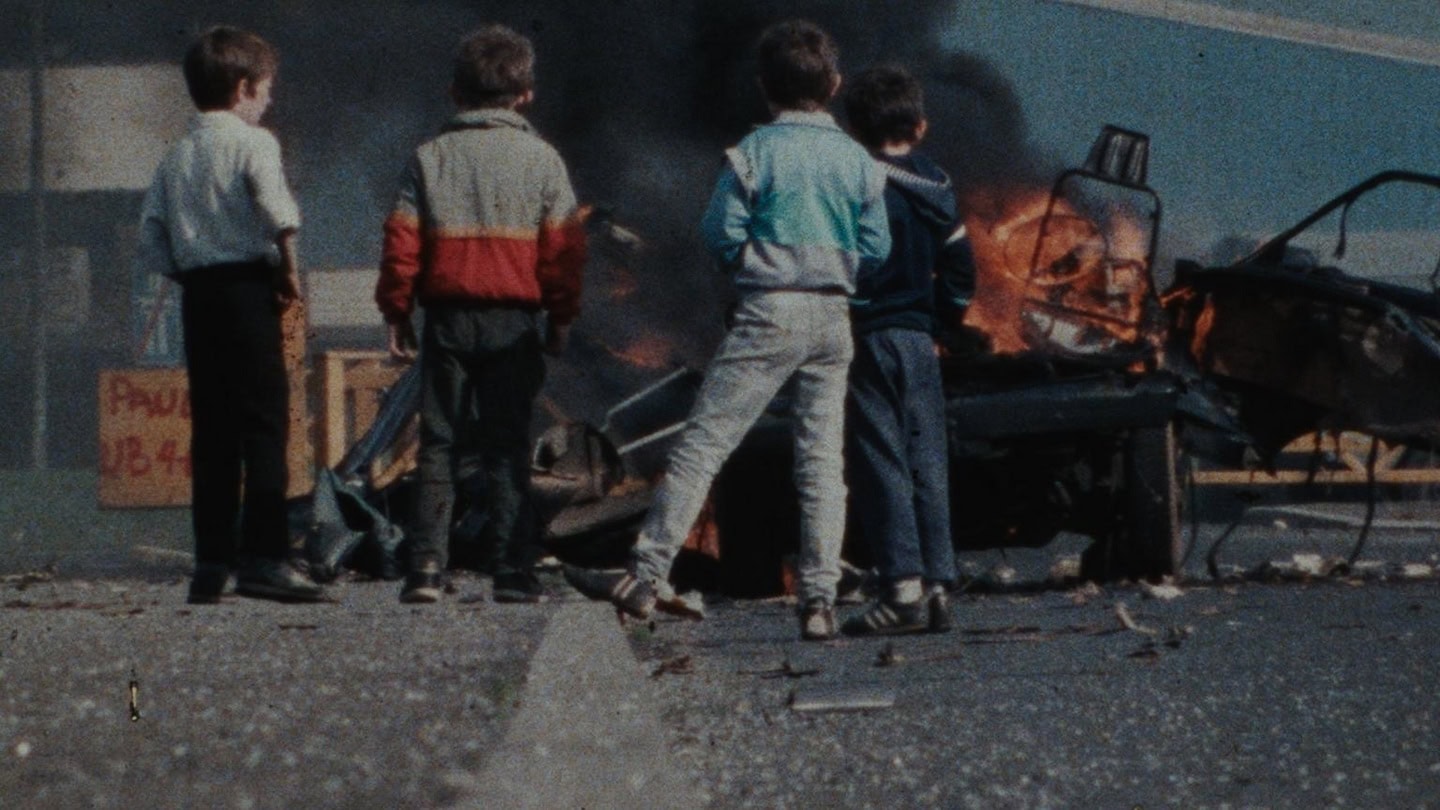
The film finds Dónal Foreman exploring the suggestive gaps that exist between his own biography and that of his father.
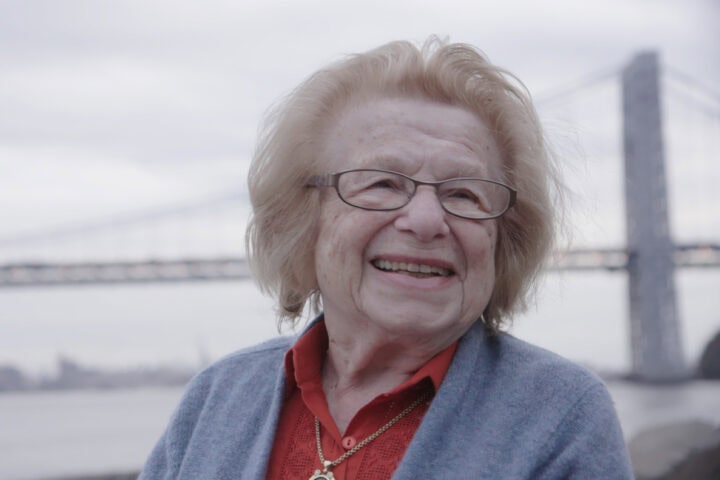
At its best, the film is a testament to how Ruth Westheimer’s practiced decency was literally a saving grace during the Reagan era.

The shadowed border between human and non-human perception is one of Fausto’s sustained topics of interrogation.

With the film, Harmony Korine solidifies his position as the premier cartographer of the Sunshine State as a place of unhurried pursuits.

Its drawn-out descriptions of culinary traditions and practices are enticing enough, but the same can’t be said about the characterizations.
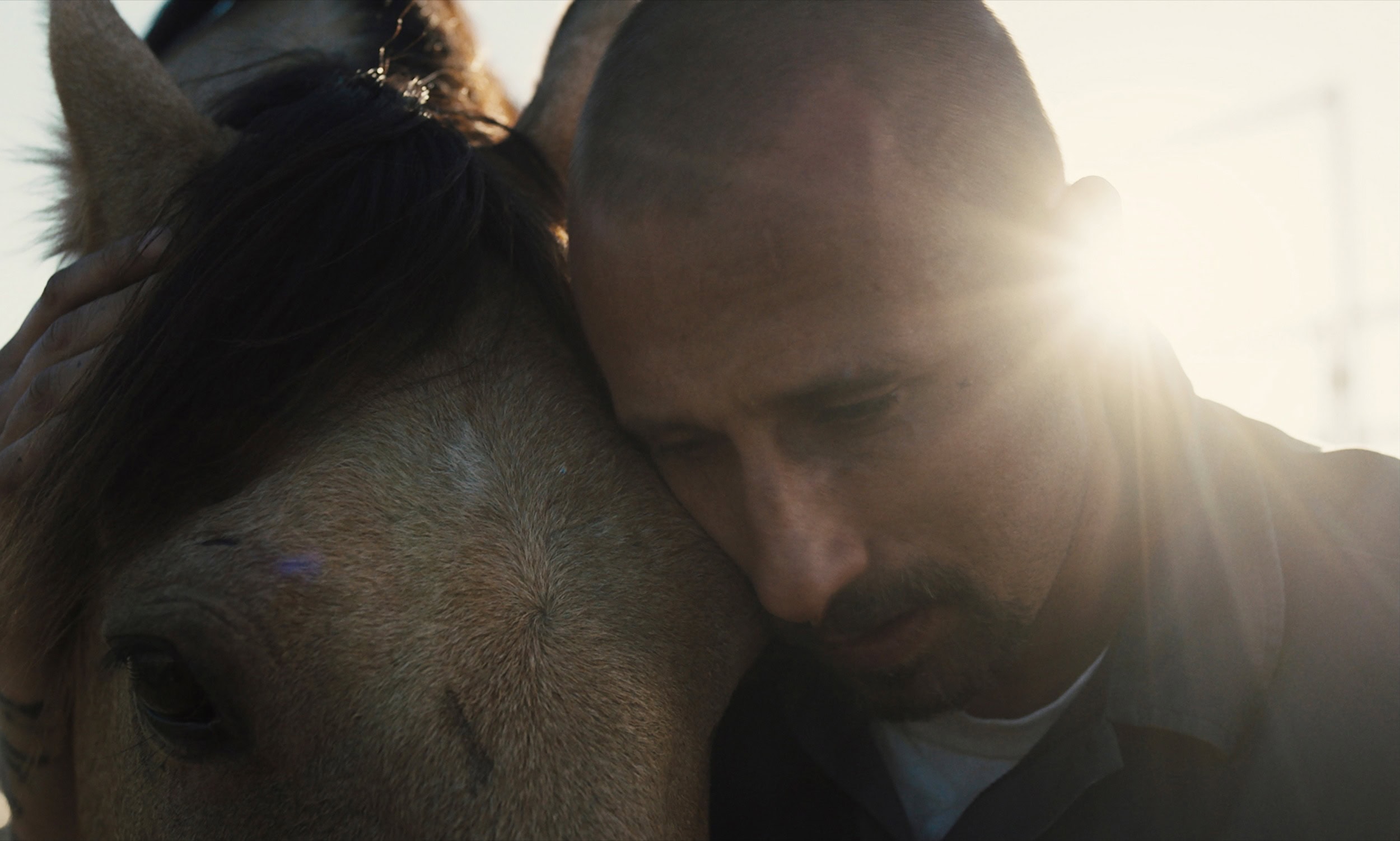
Single-minded and direct in its execution, the film is a hard look at the extremes of masculine guilt and healing.

The Oscar-winning actor discusses working with Asghar Farhadi and his thoughts on guilt, the power of fatherhood, and more.

Paige’s search for an in-ring persona mirrors the dynamic between performance and identity at work in pro wrestling.
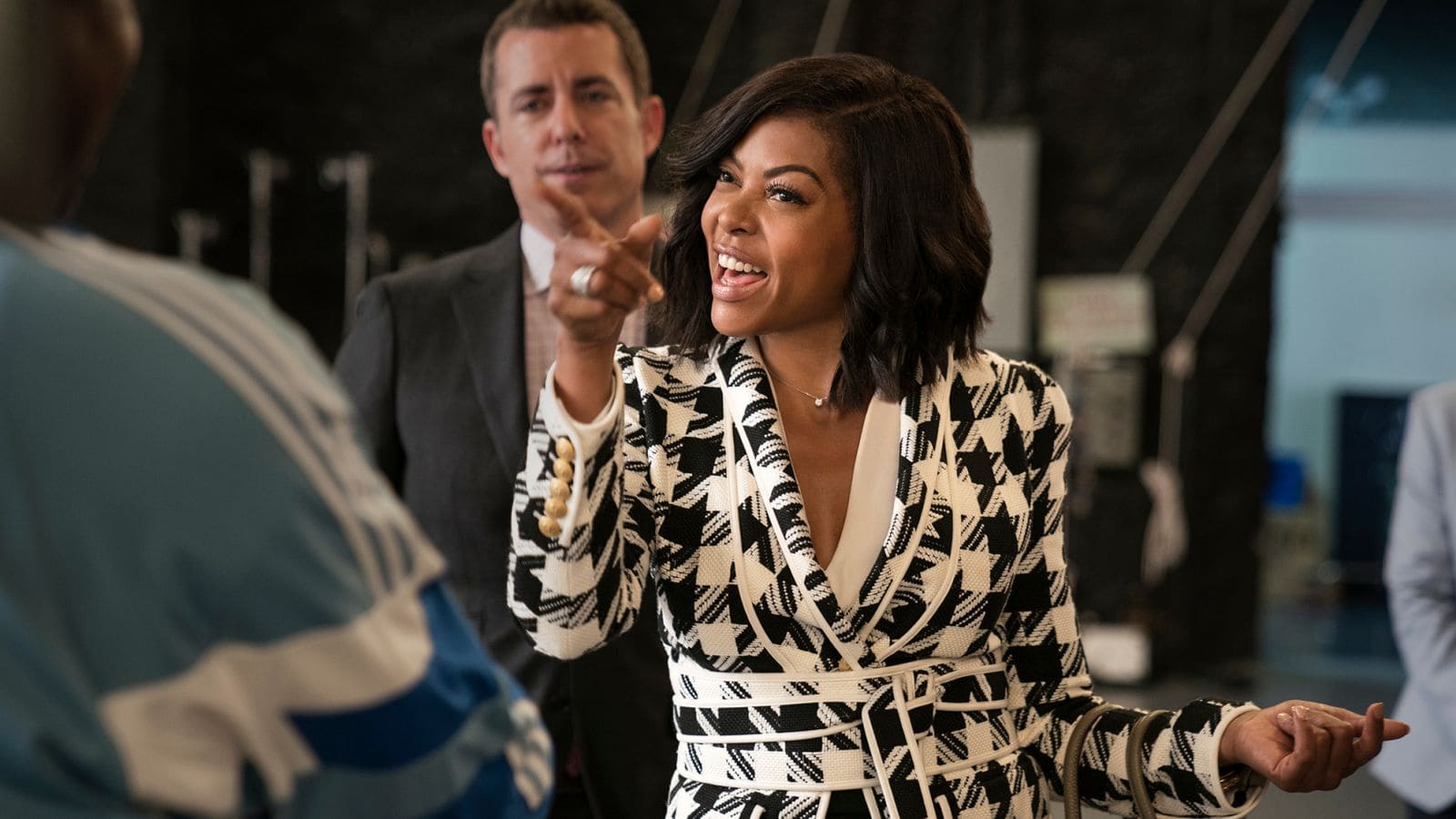
Confusingly, the film rejects the commonplace notion that women actually have a decent grasp of what men think.

It was clear that current issues and events had a significant impact on the programming decisions.
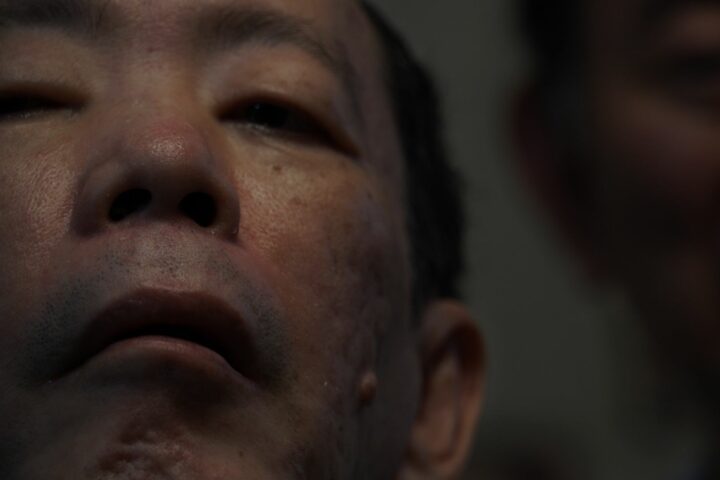
Throughout Caniba, there’s a singularly disquieting relationship between the filmmakers’ formal experimentation and their subject.
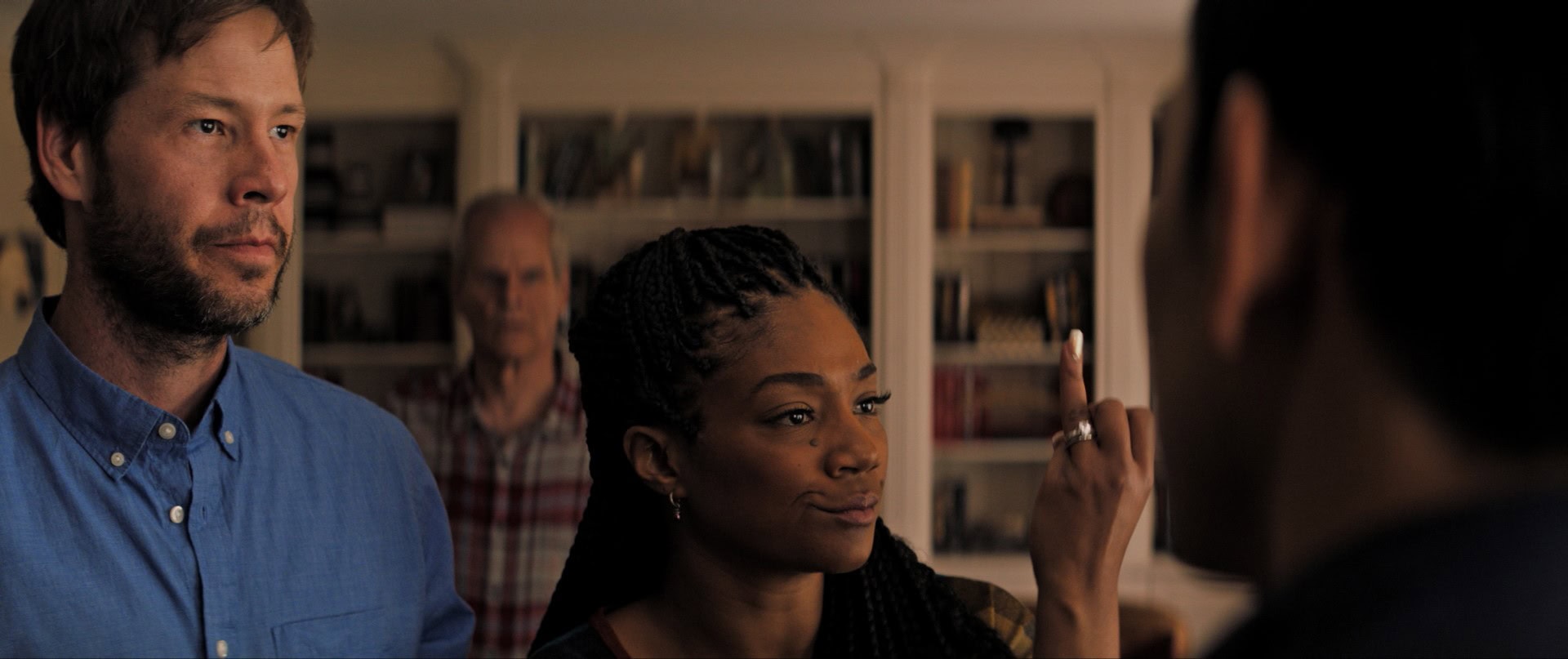
The Oath seems to say that the worst part of a full-fledged American dystopia would be the ruined holiday dinners.
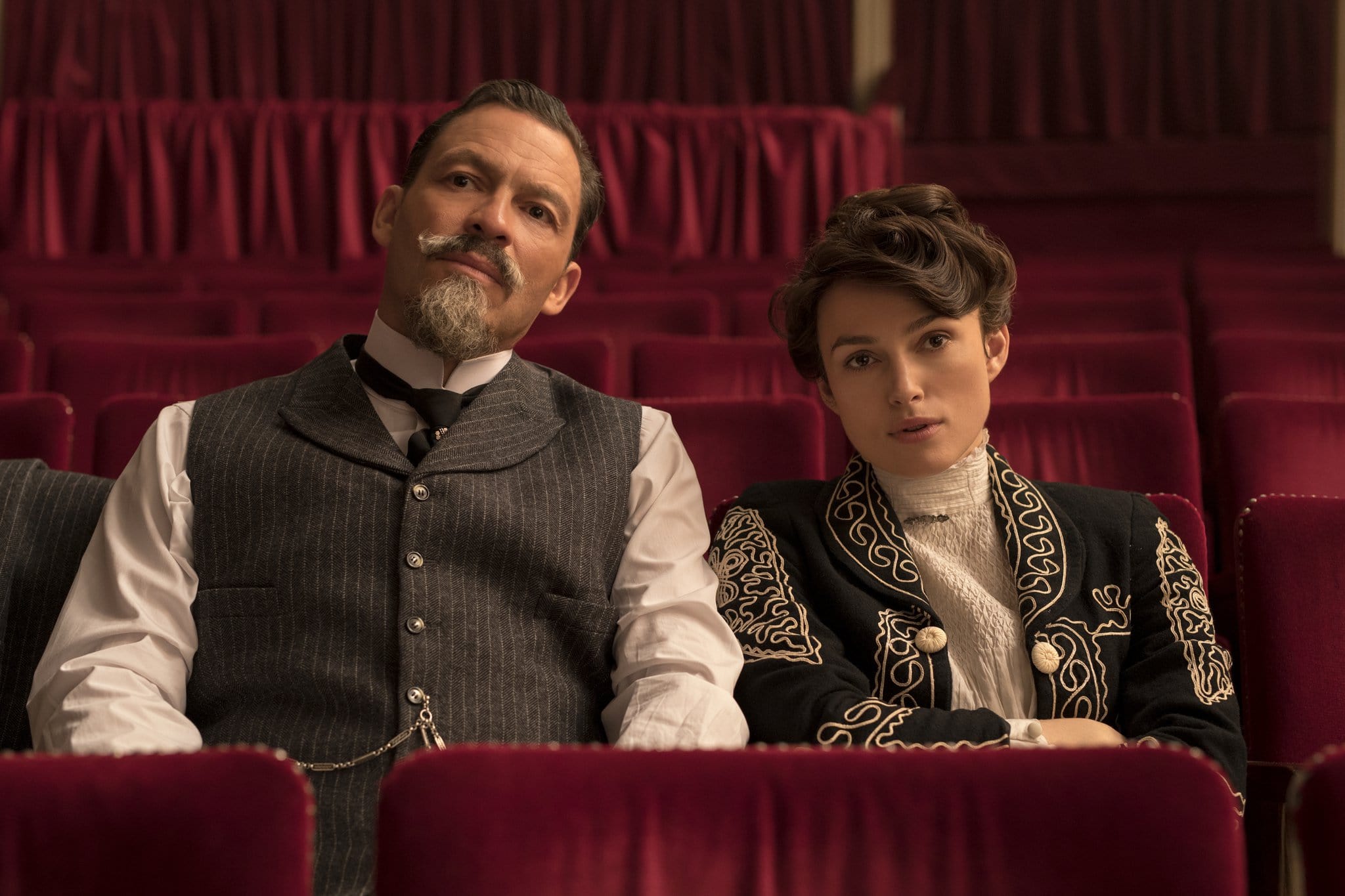
Wash Westmoreland’s acutely told film relishes the messy details and ambivalences of Colette’s life.

The married filmmakers discuss their creative process, style versus substance, and more.
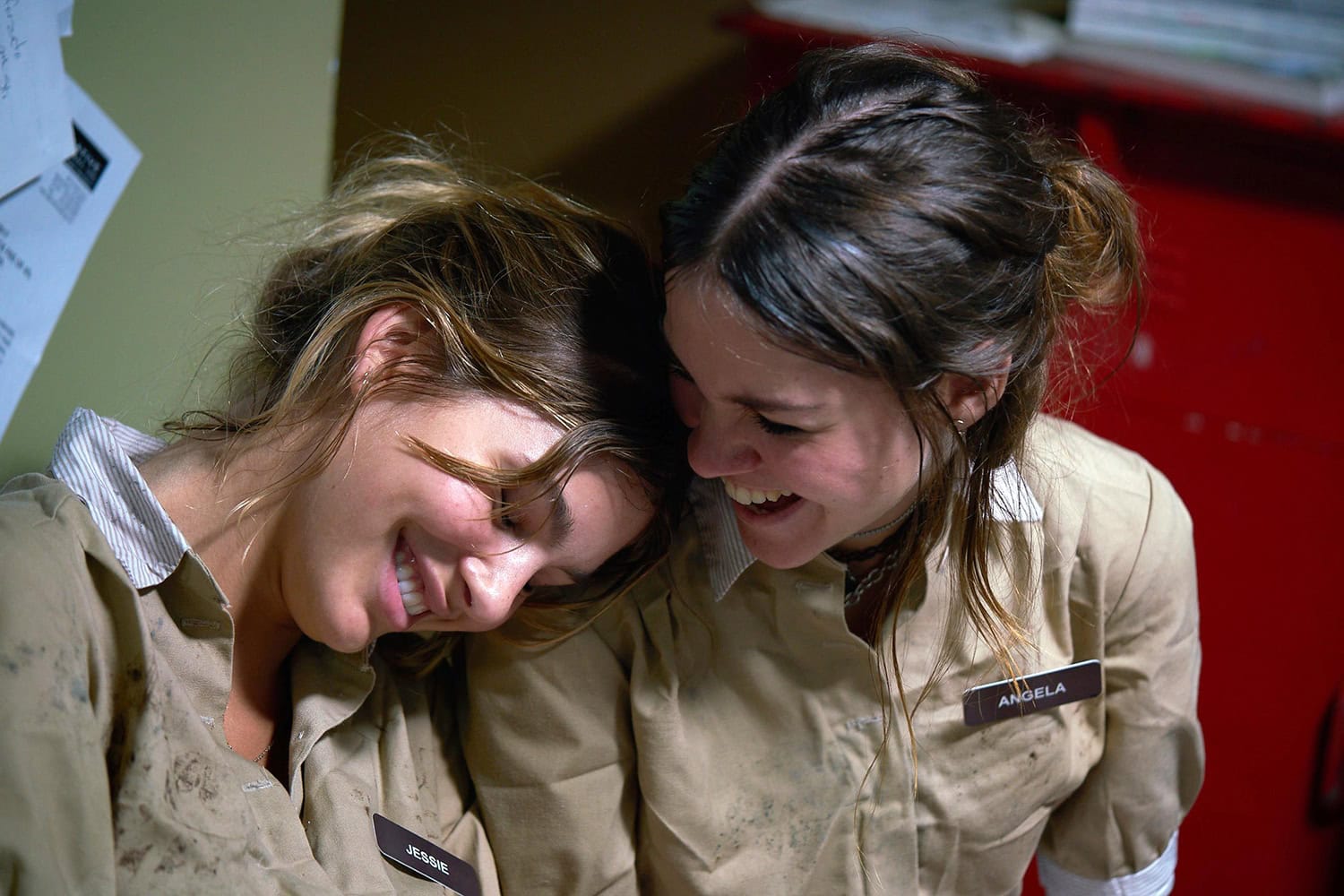
Writer-director Augustine Frizzell’s film is funny and surprisingly tender, if at times frustratingly uneven.
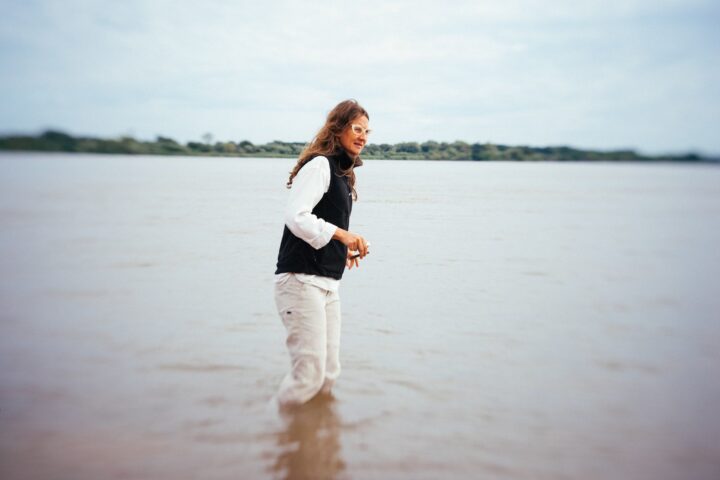
The filmmaker discusses her inquiry into Argentina’s colonial past, shooting on digital, and more.
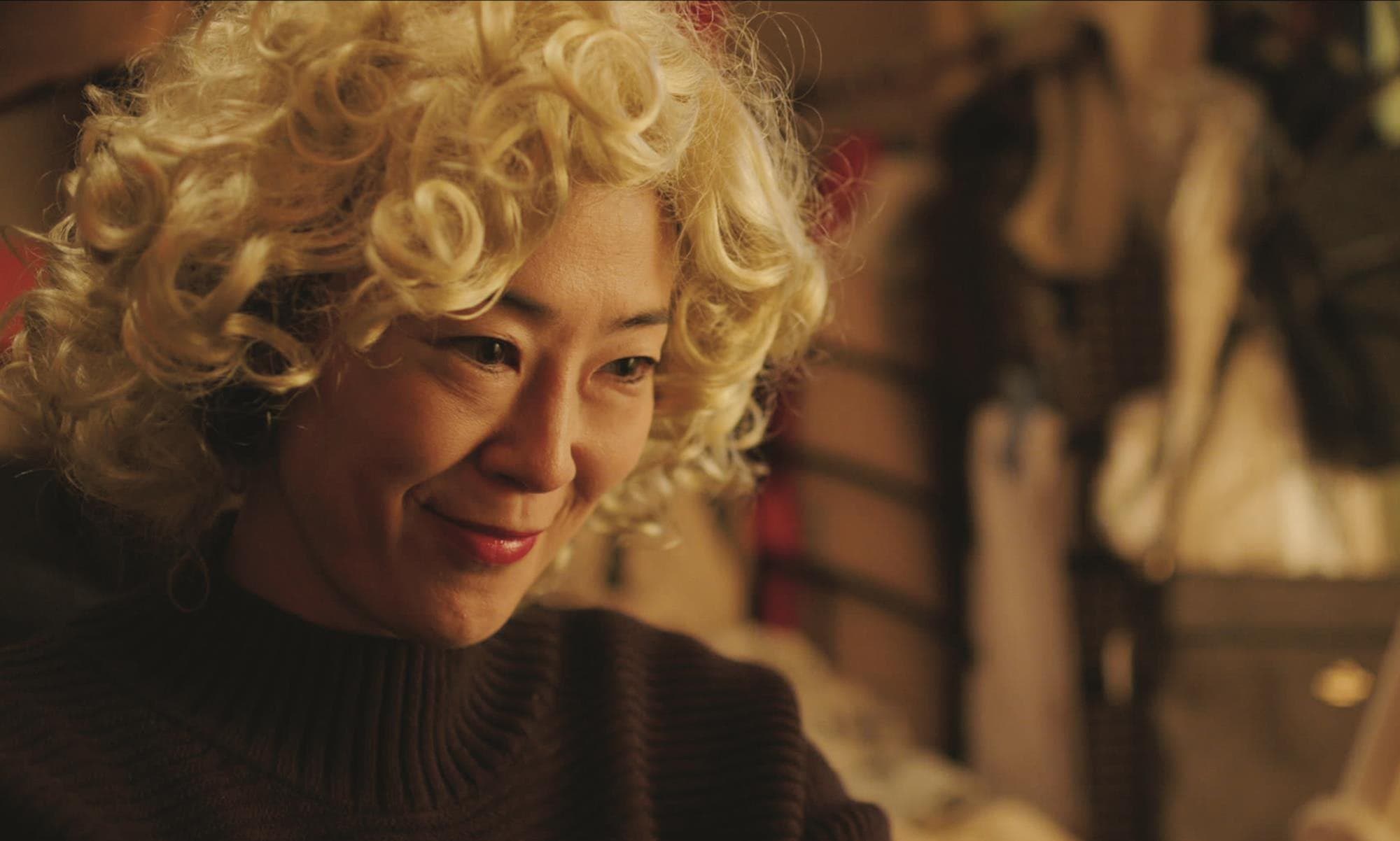
Atsuko Hirayanagi’s feature-length directorial debut offers a surprising take on the tricky art of communication.