Mark and Michael Polish seem to have forgotten that sometimes it’s vital to analyze and question one’s aspirations.



Nick Schager is the entertainment critic for The Daily Beast. His work has also appeared in Variety, Esquire, The Village Voice, and other publications.
Mark and Michael Polish seem to have forgotten that sometimes it’s vital to analyze and question one’s aspirations.
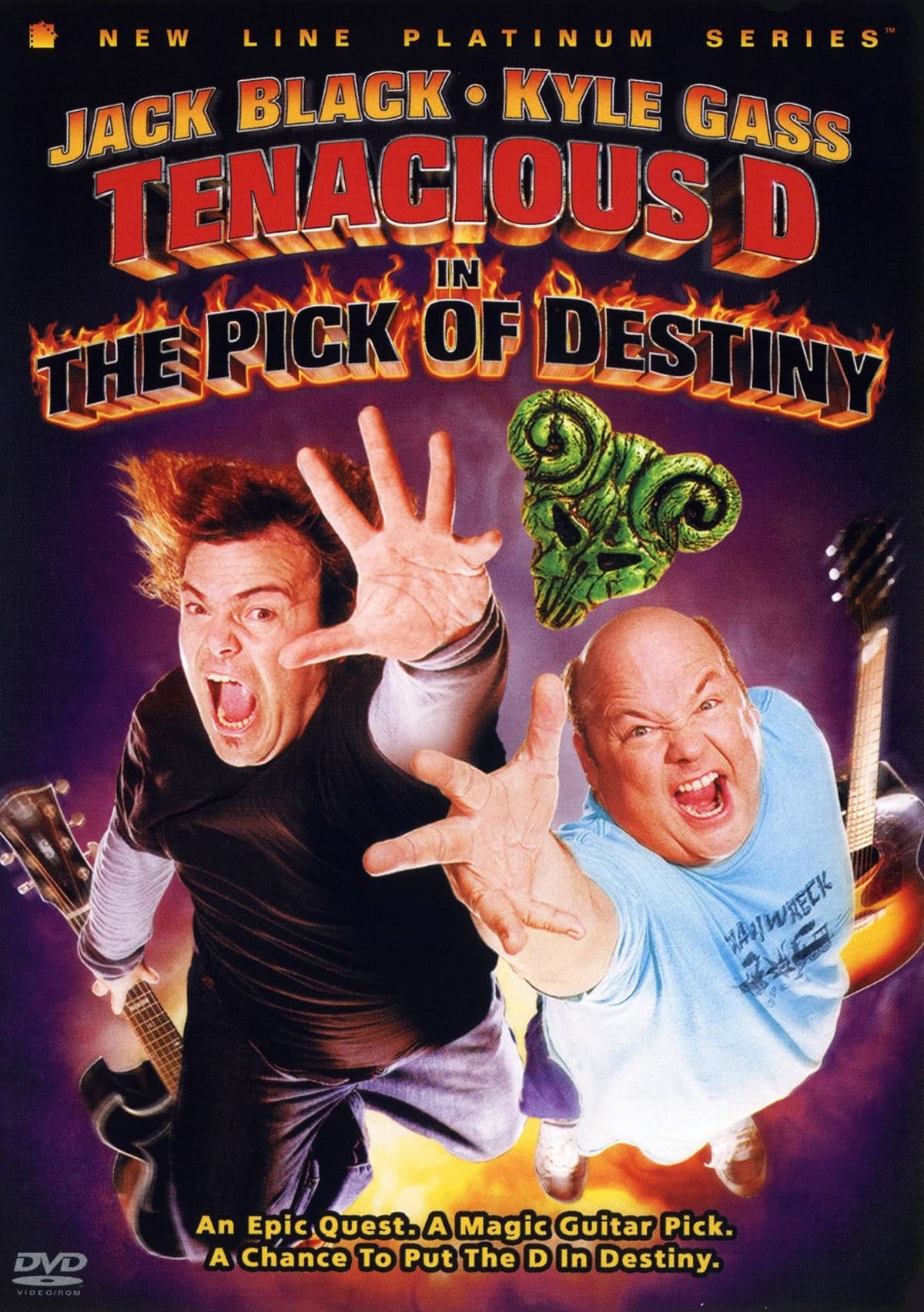
Holy fuckalukadingdong, stoners, Tenacious D in the Pick of Destiny makes a very attractive premiere on DVD.

This review’s opening sentence, the really dull, pointless one that you are reading at this very moment, is composed of exactly 23 words.
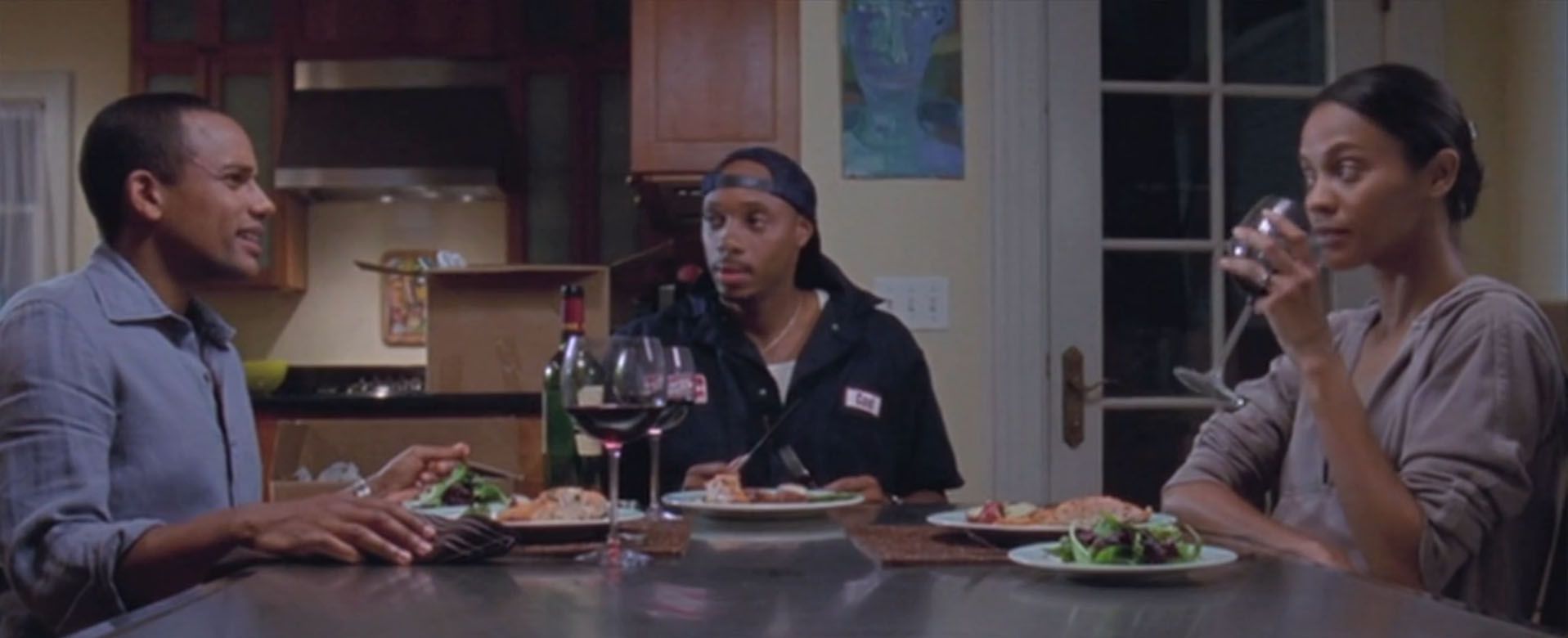
The most believable moments in Premium slightly prevail over its inauthentic ones.

The Ultimate Gift is so resolutely “good for you” that watching it is a lot like eating Brussels sprout.

The only recompense Mark Steven Johnson deserves for this latest schlocky comic-book translation is having his DGA card set on fire.
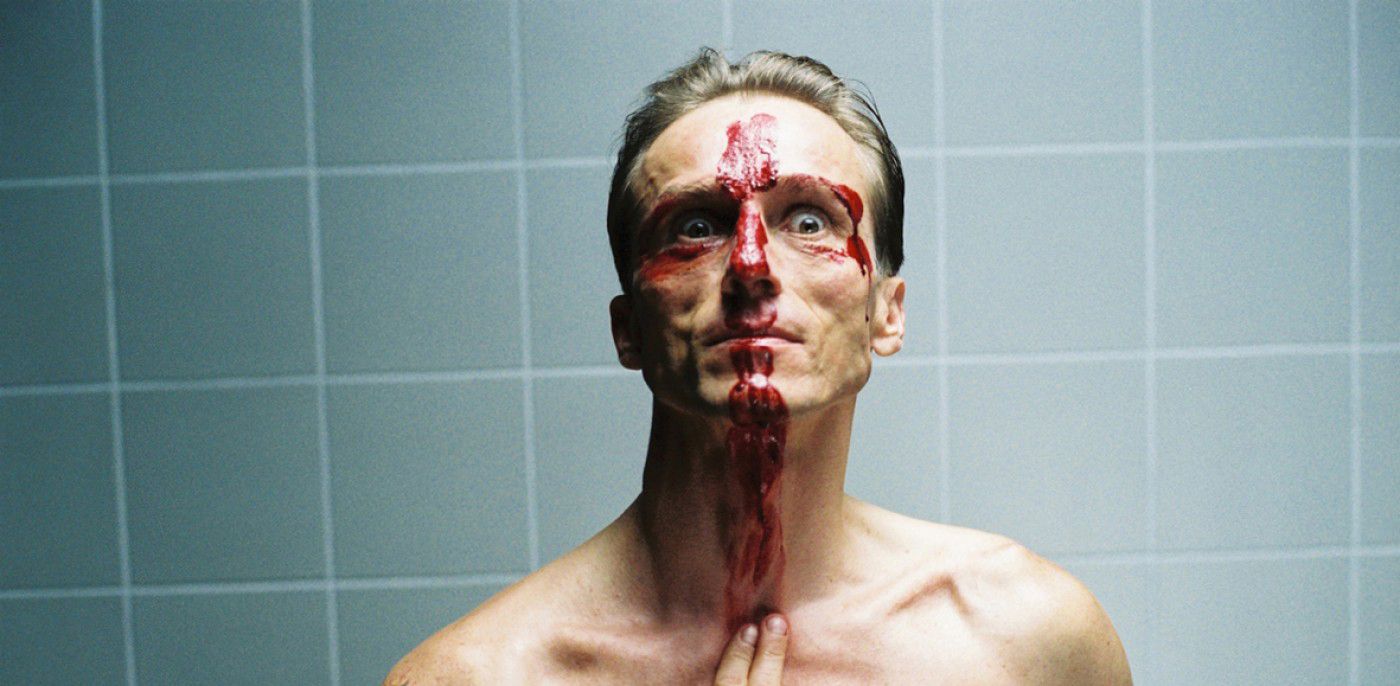
This contribution to the serial killer genre proves that the compulsion to plagiarize Se7en is at least as communicable a disease.

The film’s lucky-charmed score is one of many subliminal devices in the film: No one better lay a hand on Scorsese’s Oscar.
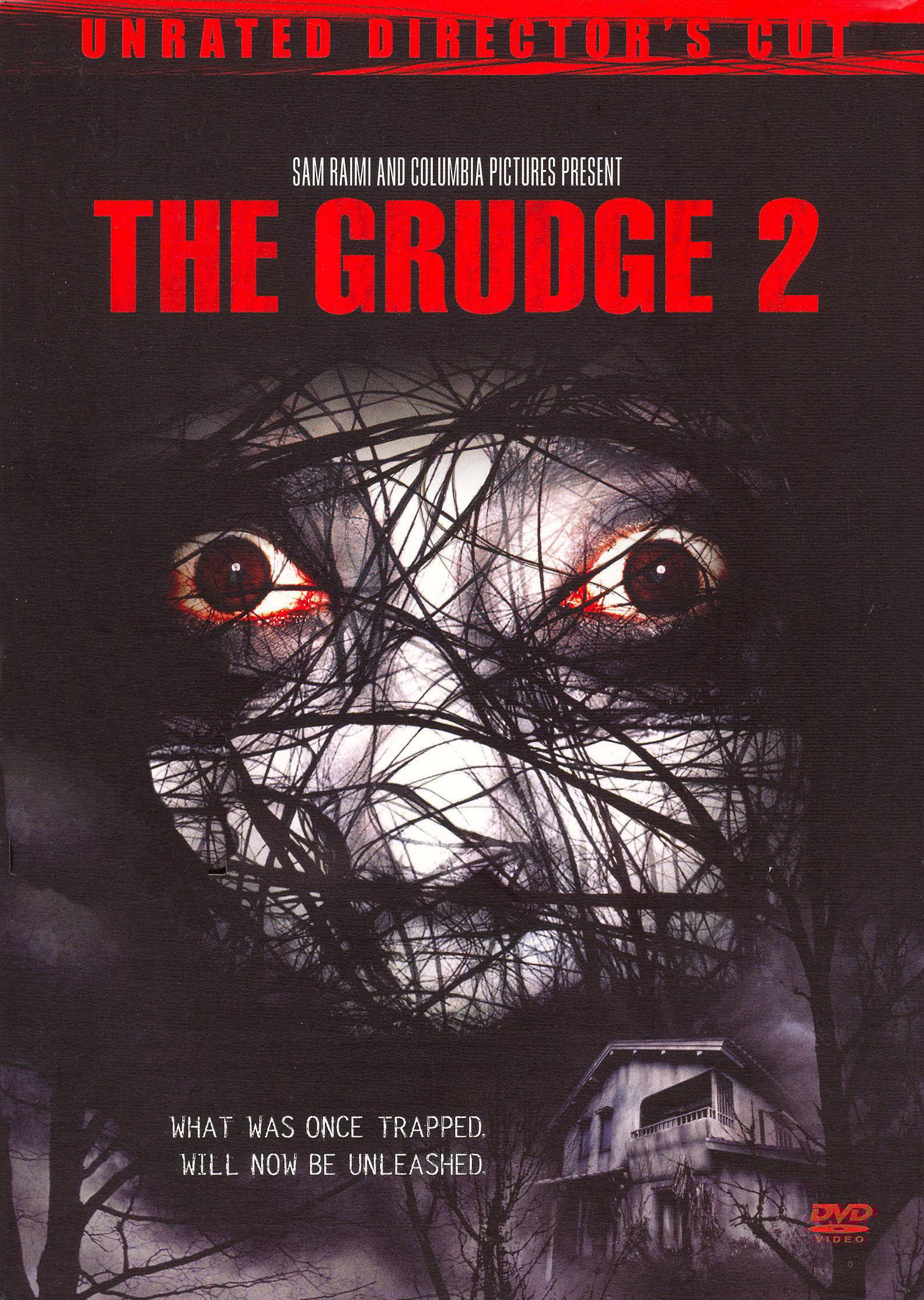
Thanks to Scary Movie 4 it’s impossible to look at a Grudge film as anything other than a parody of itself.
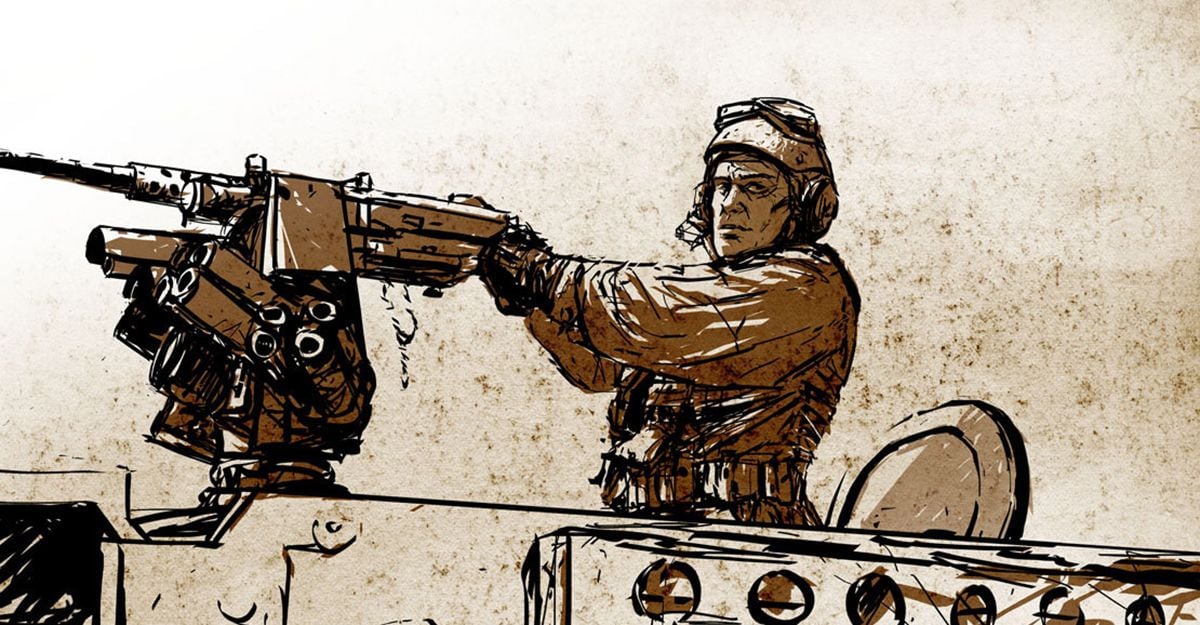
The film shines an intensely human (and humane) light on the ongoing conflict in Iraq.

The film is undone by its dogged focus on the selfish, adolescent protestations and rebellions of its me-first protagonists.

Severance has the unfortunate pedigree of being dubbed (by its maker, no less) as a cross between The Office and Deliverance.
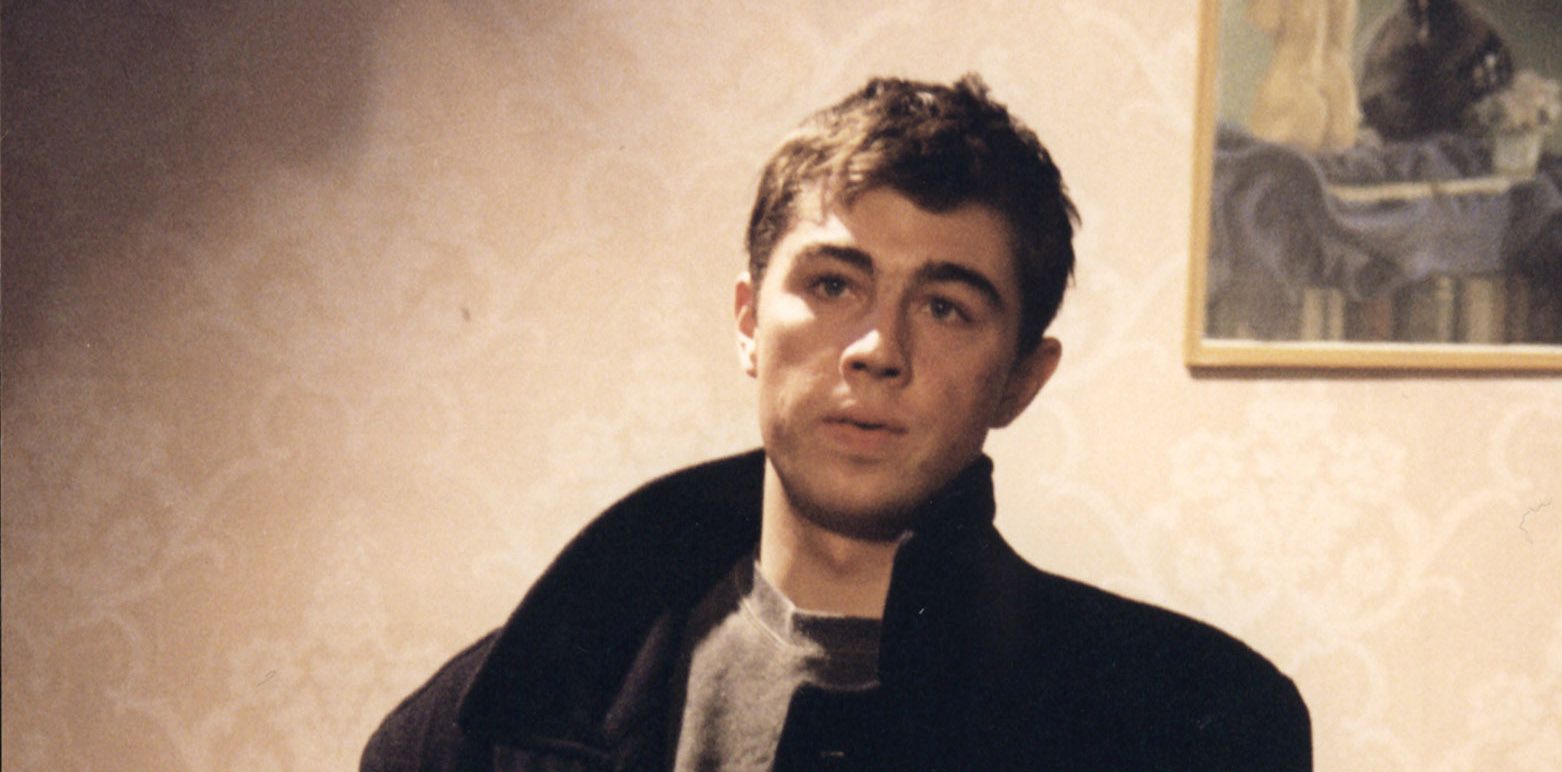
Aleksei Balabanov’s matter-of-fact depiction of his protagonist’s exploits conveys the blunt harshness of post-Cold War Russia.

Razbezhkina’s film is a pensive, potent remembrance of collectivism past.

Harvest Time uses nostalgia as more of an emotional than intellectual device.

From post-Soviet Russia, with viciousness.

“From the producers of Underworld” touts Blood and Chocolate’s poster, announcing the lame creative bootlegging to follow.
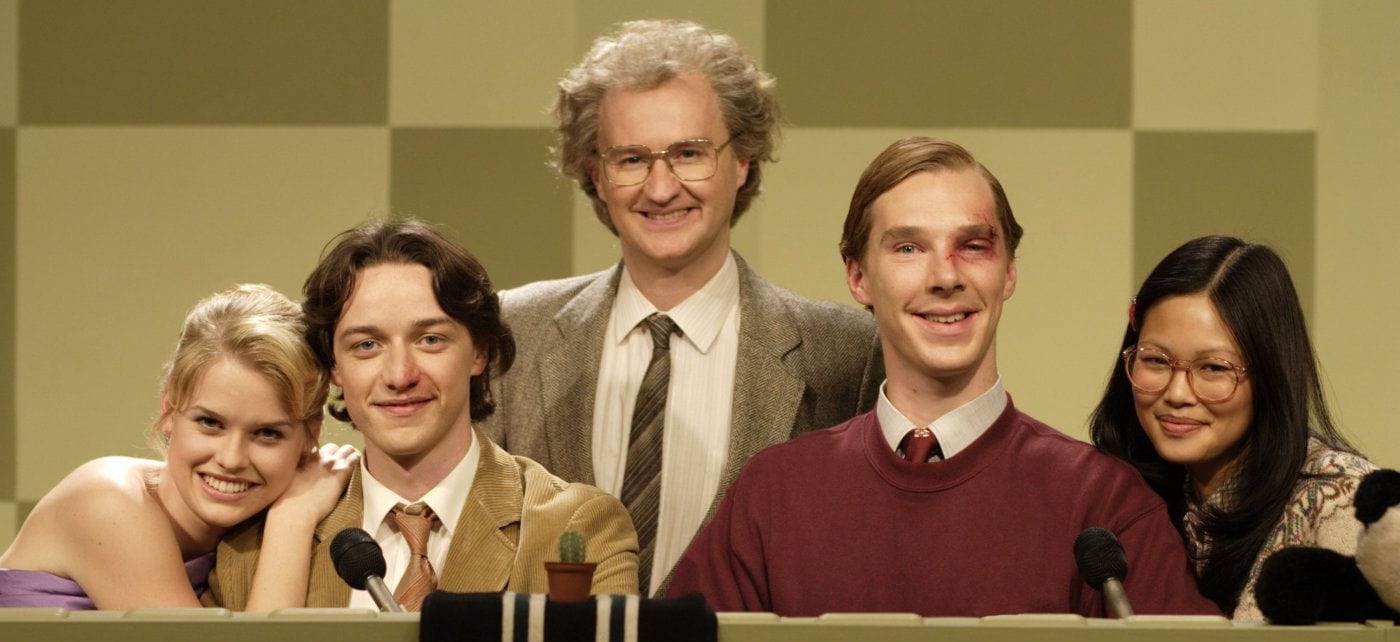
The film’s wisdom about the world seems principally derived from innumerable coming-of-age tales.

If grief were as easily overcome as it is in Catch and Release, Prozac sales would be in dire trouble.

Intertwined storylines vainly strive to convey the complexities of the Iraq War in Philip Haas’s The Situation.