Swift’s finest songs are flawless in their construction and showcase her effortless, preternatural mastery of pop conventions.



Jonathan Keefe's writing has also appeared in Country Universe and In Review Online.
Swift’s finest songs are flawless in their construction and showcase her effortless, preternatural mastery of pop conventions.

Cabin Fever is a politically charged set that finds Lund at his quick-witted best.

The album’s only truly grave errors come from two covers of ‘80s pop songs.

While Niki and the Dove may share the new wave-inspired arrangements of the Knife’s early work, they trade that group’s macabre narratives for Stevie Nicks-style mysticism.

What carries the album are Stone’s performances, which highlight her development into a singer of real grit and depth.

The he-said-she-said structure of His and Hers functions as more of a gimmick than a purposeful construct.

On Carry Me Back, Old Crow Medicine Show rediscovers the mojo they lost on 2008’s dour, self-serious Tennessee Pusher.

Even when delivering the occasional tossed-off line, Hoffs’s trademark raspy voice is in fine form.

Zac Brown Band’s third major-label album, Uncaged, has very little to do with country music in any meaningful sense.
Far too many of the melodic hooks on Positive Force are merely adequate.

Celebration Rock finds a band that had previously claimed they “just wanna worry about those sunshine girls” with a few bigger ideas on their minds.

The Tarnished Gold is a consistently lovely, unassuming set.
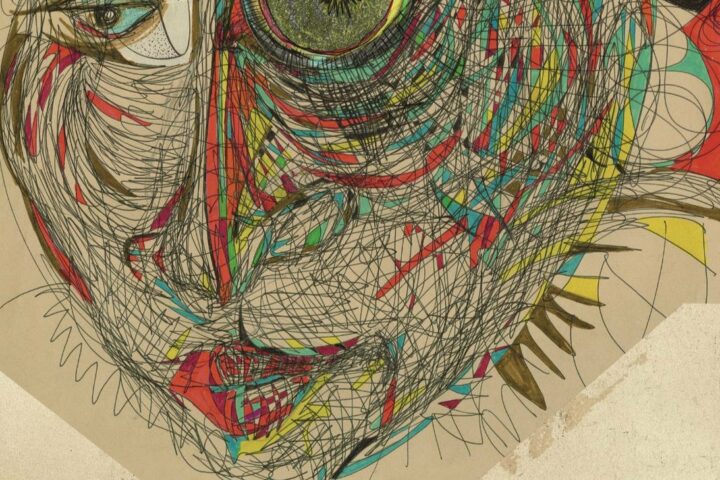
The Idler Wheel feels thoroughly modern because of Apple’s lack of an internal editor.

Turner settles back into a comfortable and familiar style that balances traditional country conventions with slickly modern recording techniques.
Ashes and Roses is so slight for so much of its overlong running time that it sounds like it actually could blow away.

Ambition makes Amanda Mair a winning debut.
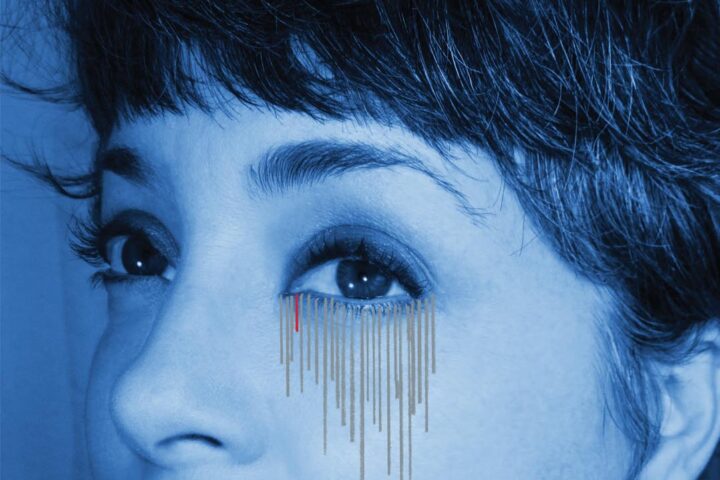
The album cements Kelly Hogan’s status as an interpretive singer with few equals.

If there’s one thing Scissor Sisters have never wanted for, it’s a distinct voice.

Beneath the yelps, gasps, and exaggerated accents, Regina Spektor is a romantic.

The album adheres so doggedly to formula that it often sounds dated.