Time and again the film inflates situations before anti-climactically popping them.



Jesse Cataldo hails from Brooklyn, where he spends his time writing all kinds of things, preparing elaborate sandwiches, and hopelessly trying to whittle down his Netflix queue.
Time and again the film inflates situations before anti-climactically popping them.

The film is a marvelously shaped thesis that’s both disquieting and humbling.

The film thrives on a diet of meaty, recognizable dramatic material.
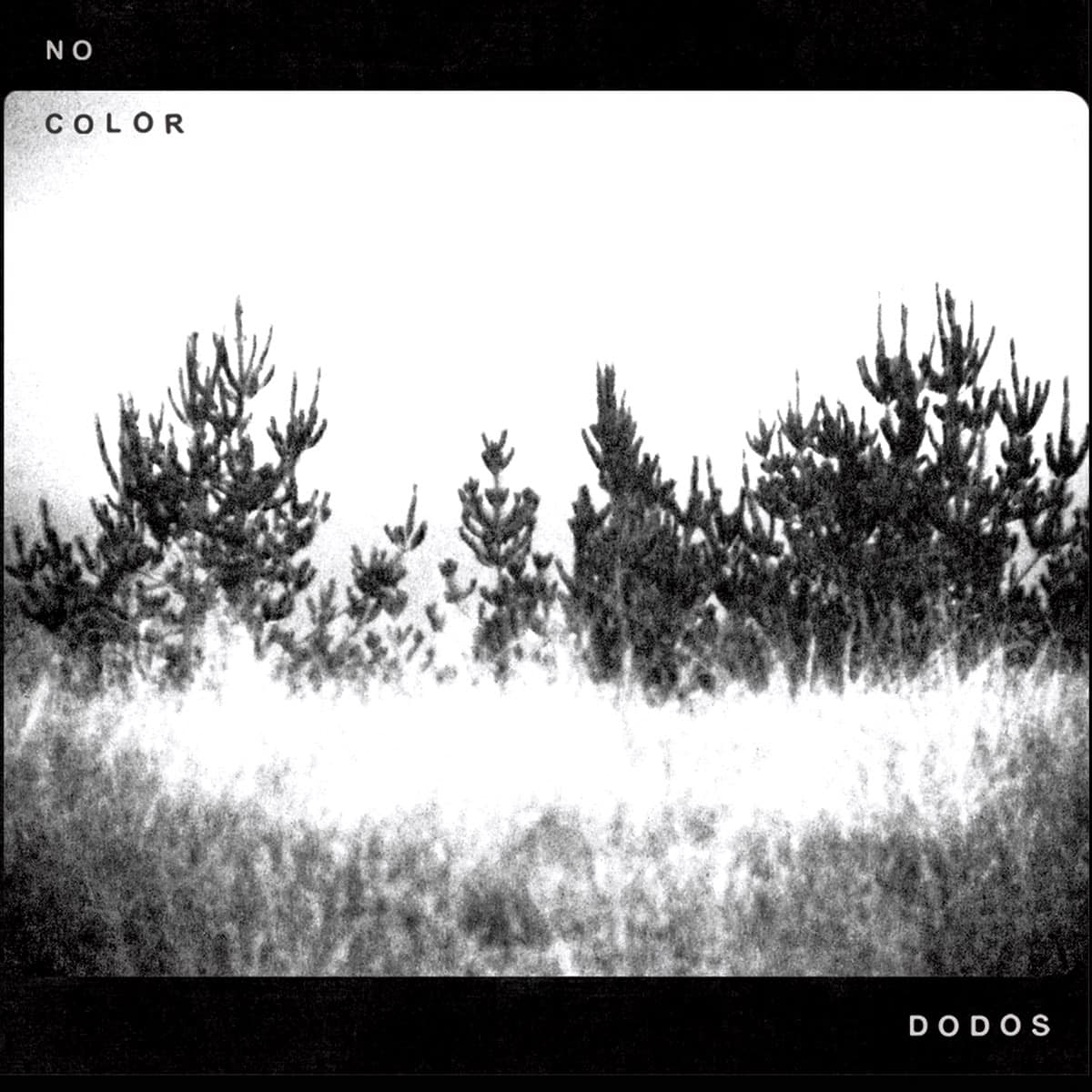
The engine that fueled the Dodos’s Time to Die, and to a lesser extent ran Visiter, keeps chugging along on No Color.

On The Big Roar, the Joy Formidable has been backed with the recording budget to fully realize their vision.

Basically, the members of A Hawk and a Hacksaw come off as high-end purveyors of this type of reconstituted roots music.
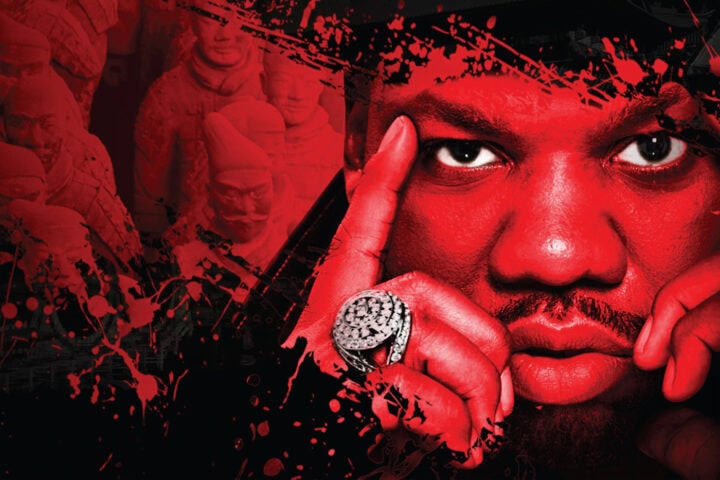
Raekwon spends the entirety of Shaolin vs. Wu-Tang trying to wrest control of Wu-Tang’s classic signifiers into his own hands.
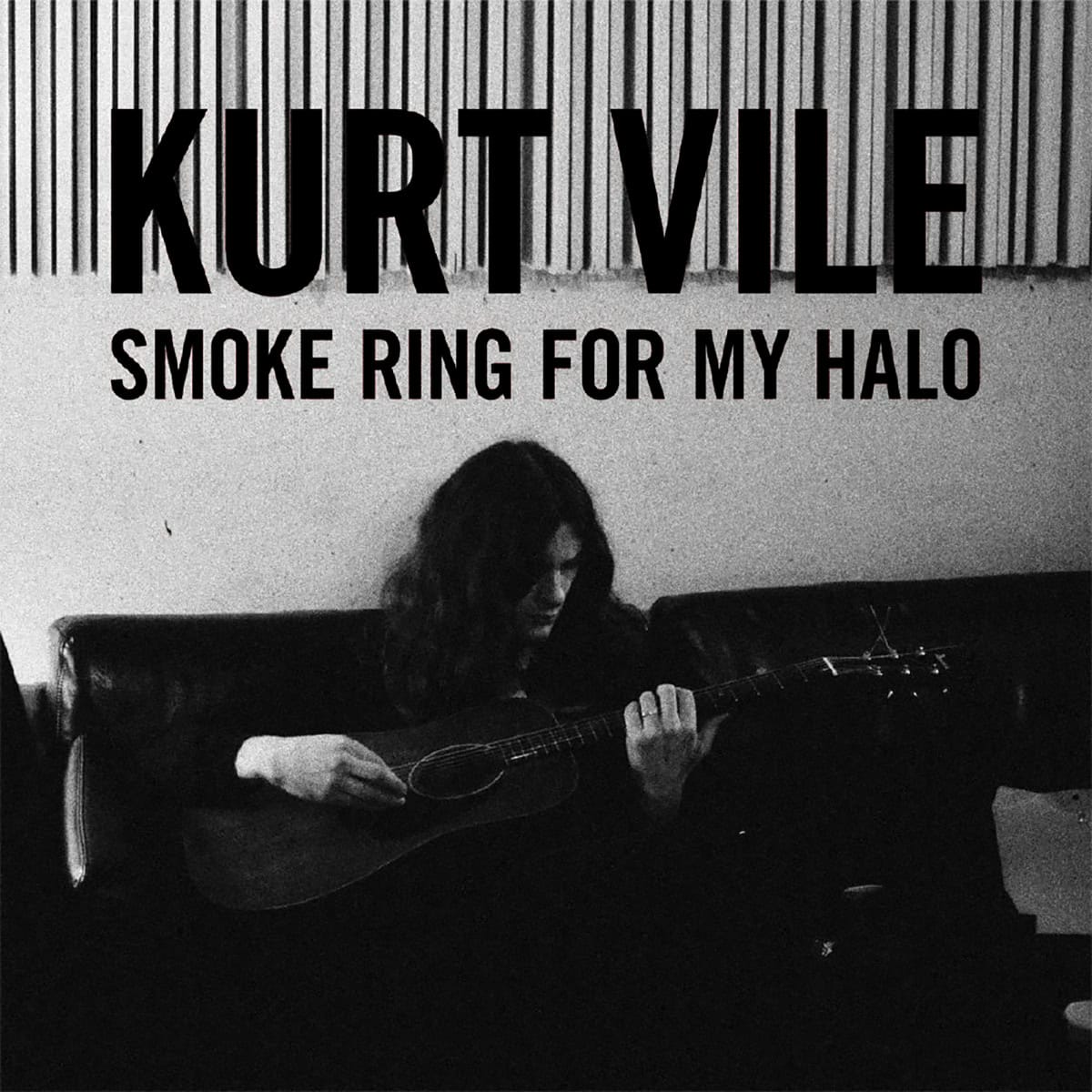
Kurt Vile’s name is a masterpiece of reductive classification, evoking all kinds of gritty rock ‘n’ roll signifiers.
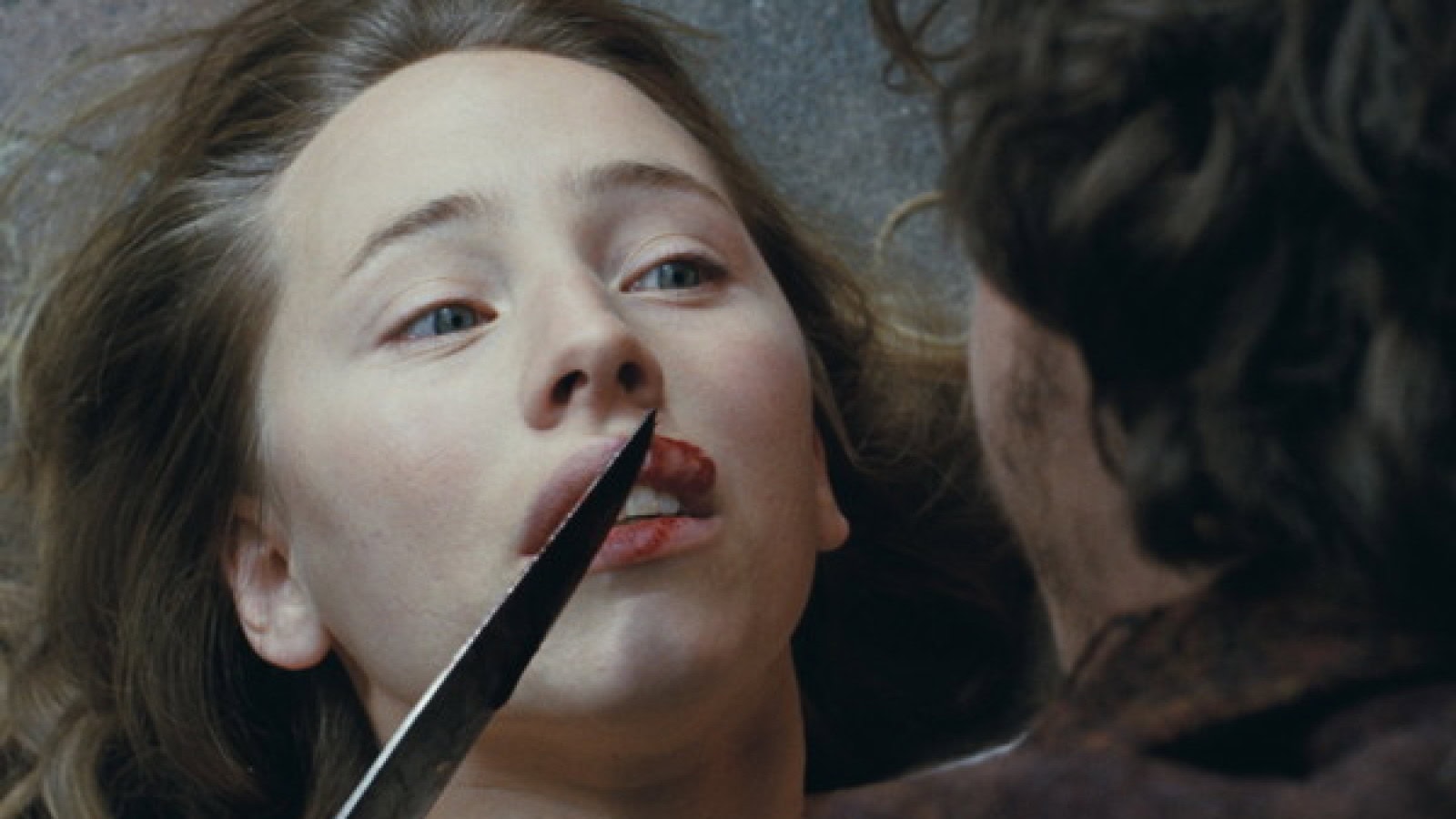
The film winds down toward a non-climax that feels like an admission of its inability to guide its craziness to a satisfying conclusion.

Breillat’s films tend to examine sex in close quarters, trapping their characters in situations where they’re forced to confront otherwise ignorable realities.
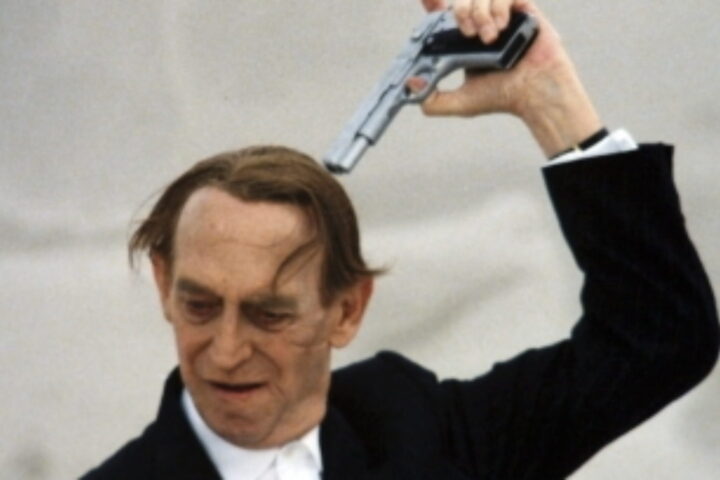
Wundkanal inevitably becomes about the dizzying confusion of history, its inability to be processed or explained in any linear fashion.
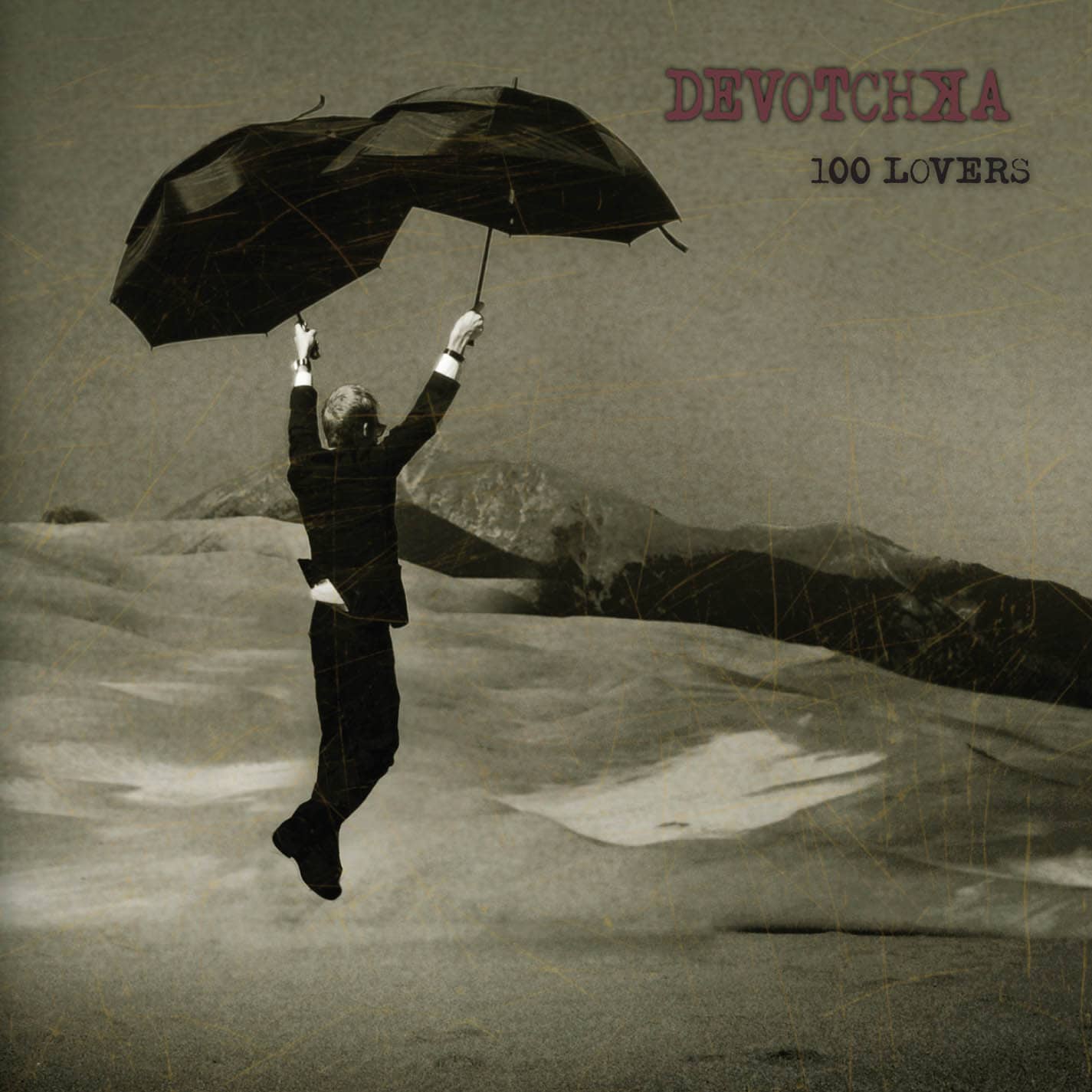
Shorn of the exigencies of cramming together varied sounds, the band has slipped further into the great middle.
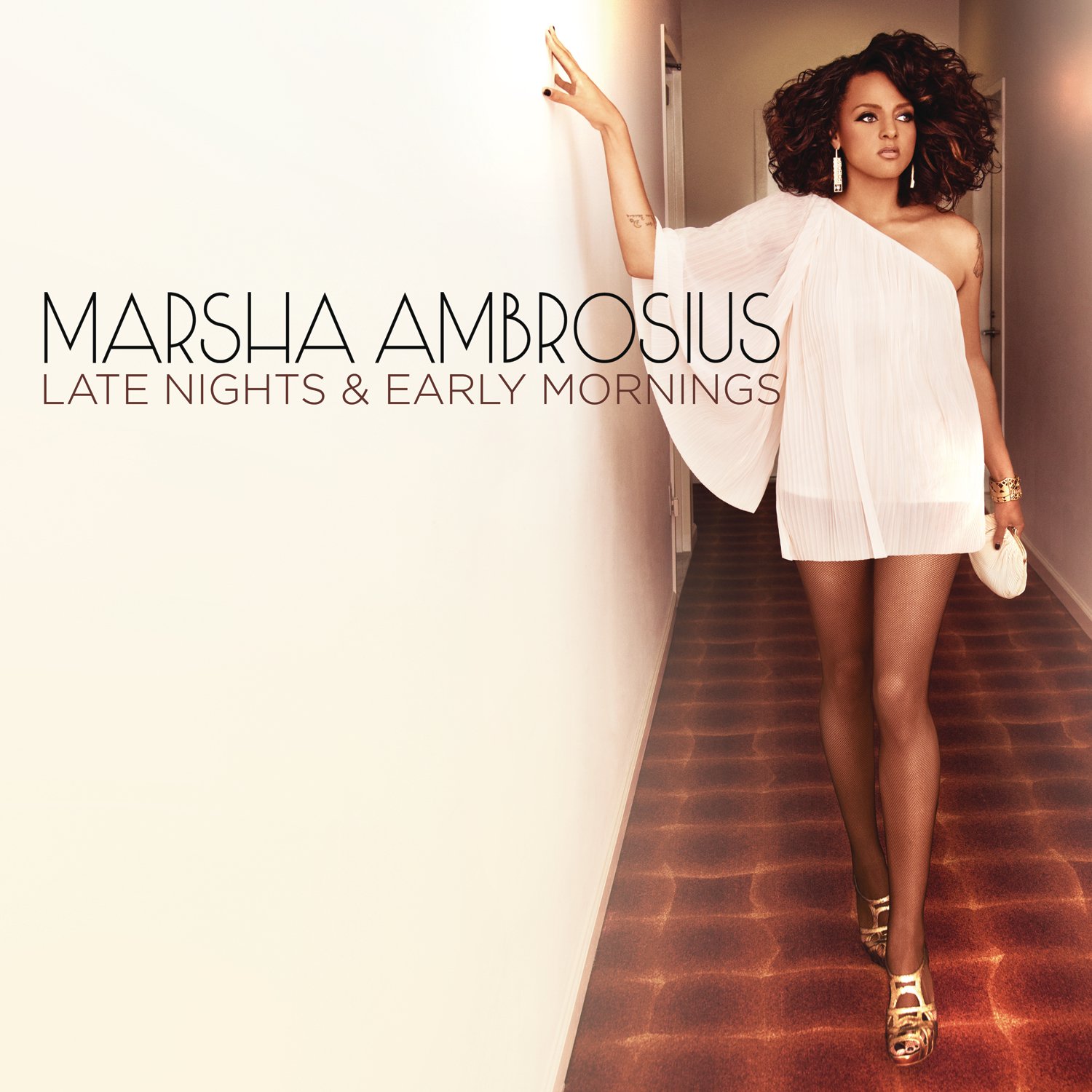
Marsha Ambrosius’s ambitions don’t stretch beyond boilerplate.

The film’s biggest asset is its unusual stable of auteurs.

The film at least partially makes up for its failings by not pulling punches on the lions’ story.

Conor Oberst’s songs at least retain the ability to sound firm even when their insides are mushy.

The album is a matchless musical world where Polly Jean Harvey reigns with autonomy.
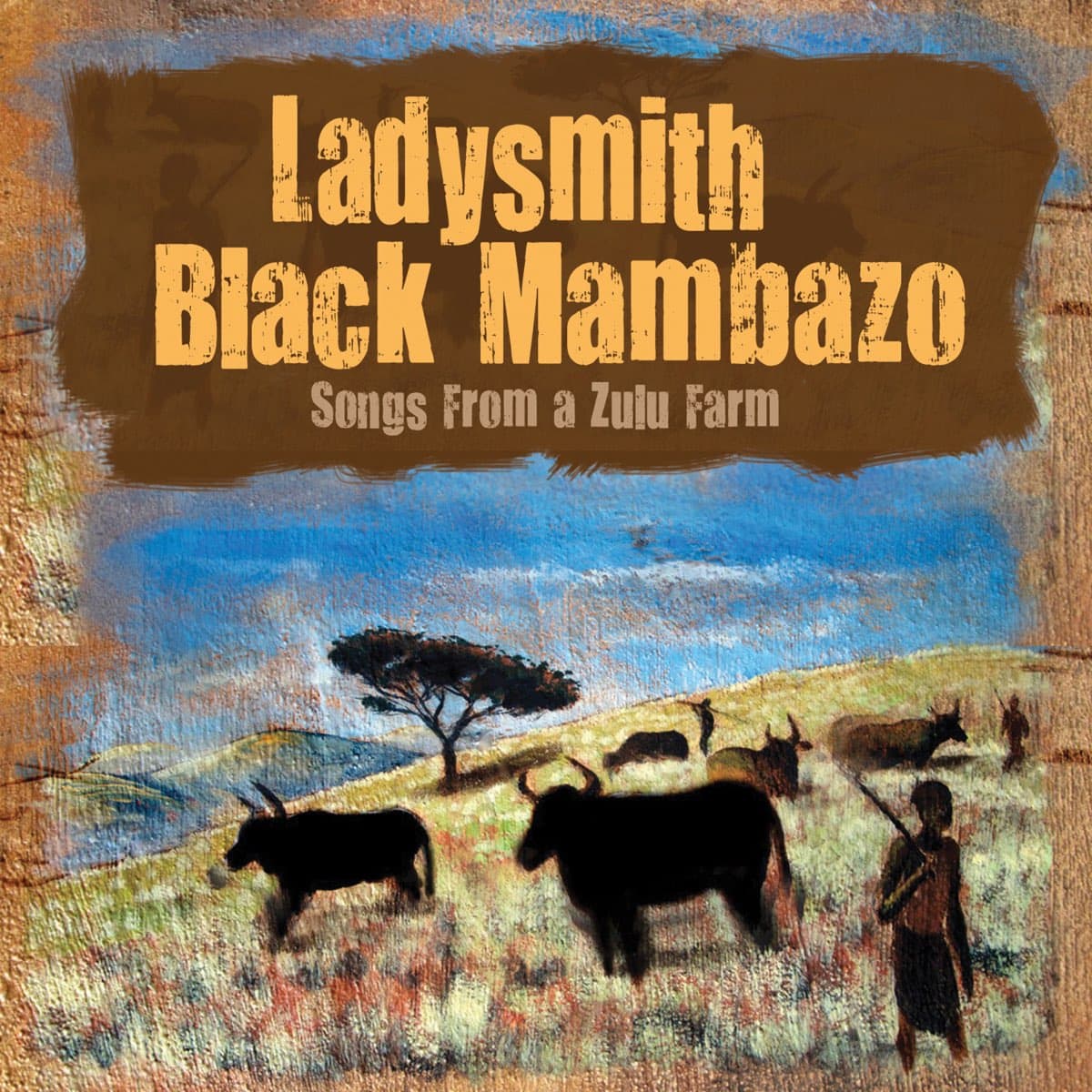
Mostly, the album incites questions that have nothing to do with music, like what exactly goes on at a Zulu farm.
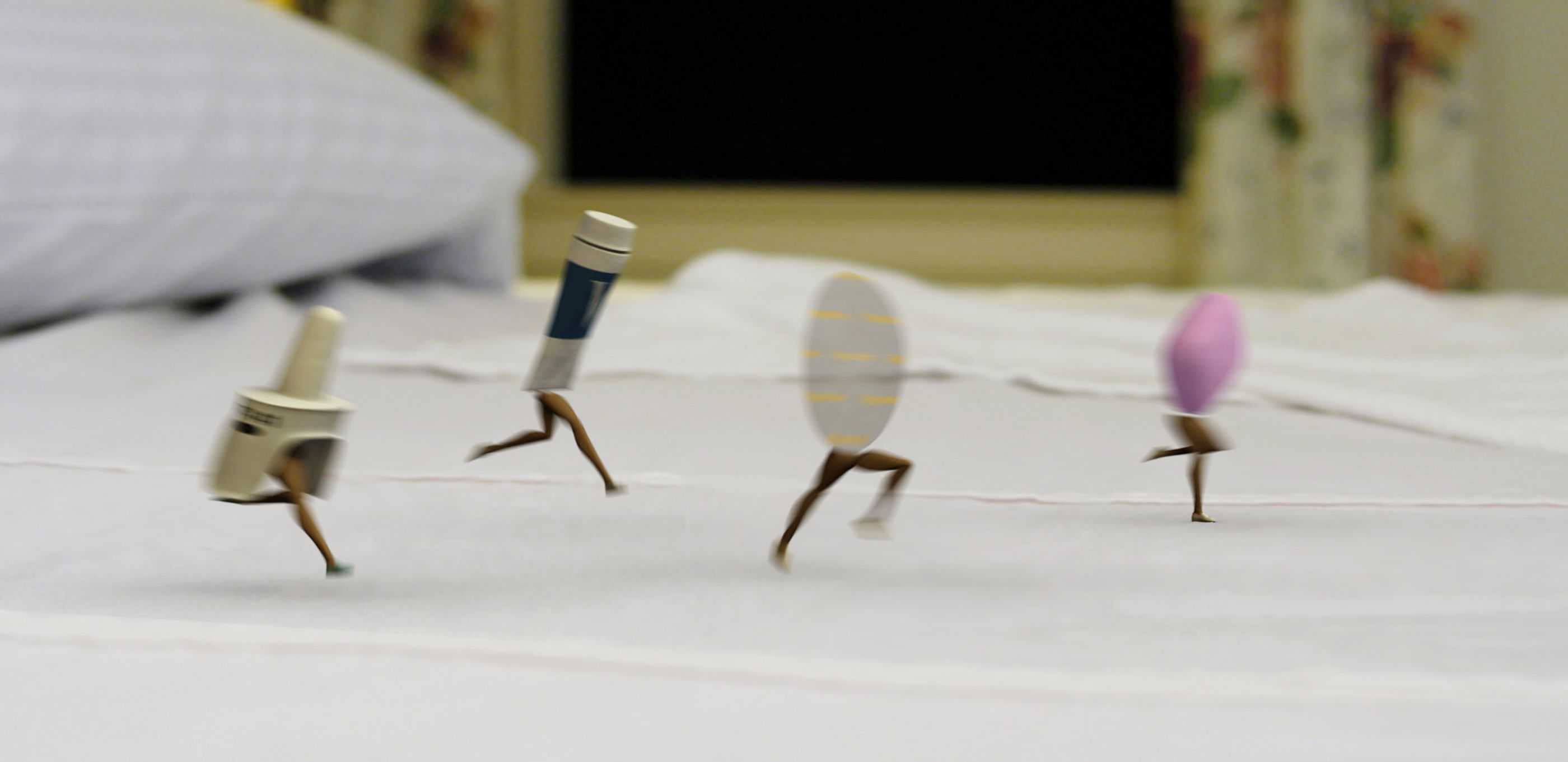
The appraisal presented by Orgasm Inc. is grim but not hopeless.
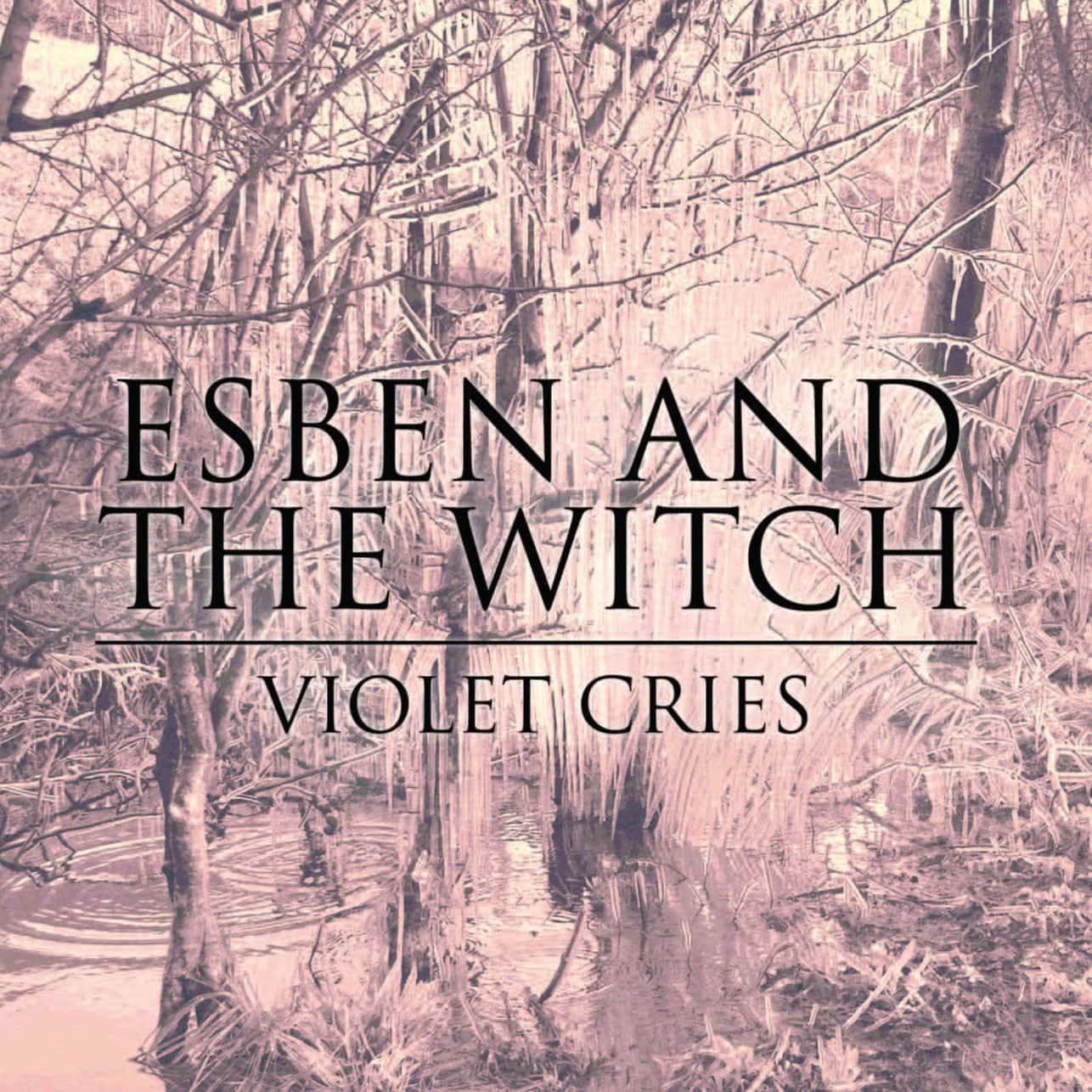
Violet Cries is darkly gorgeous but not much else.