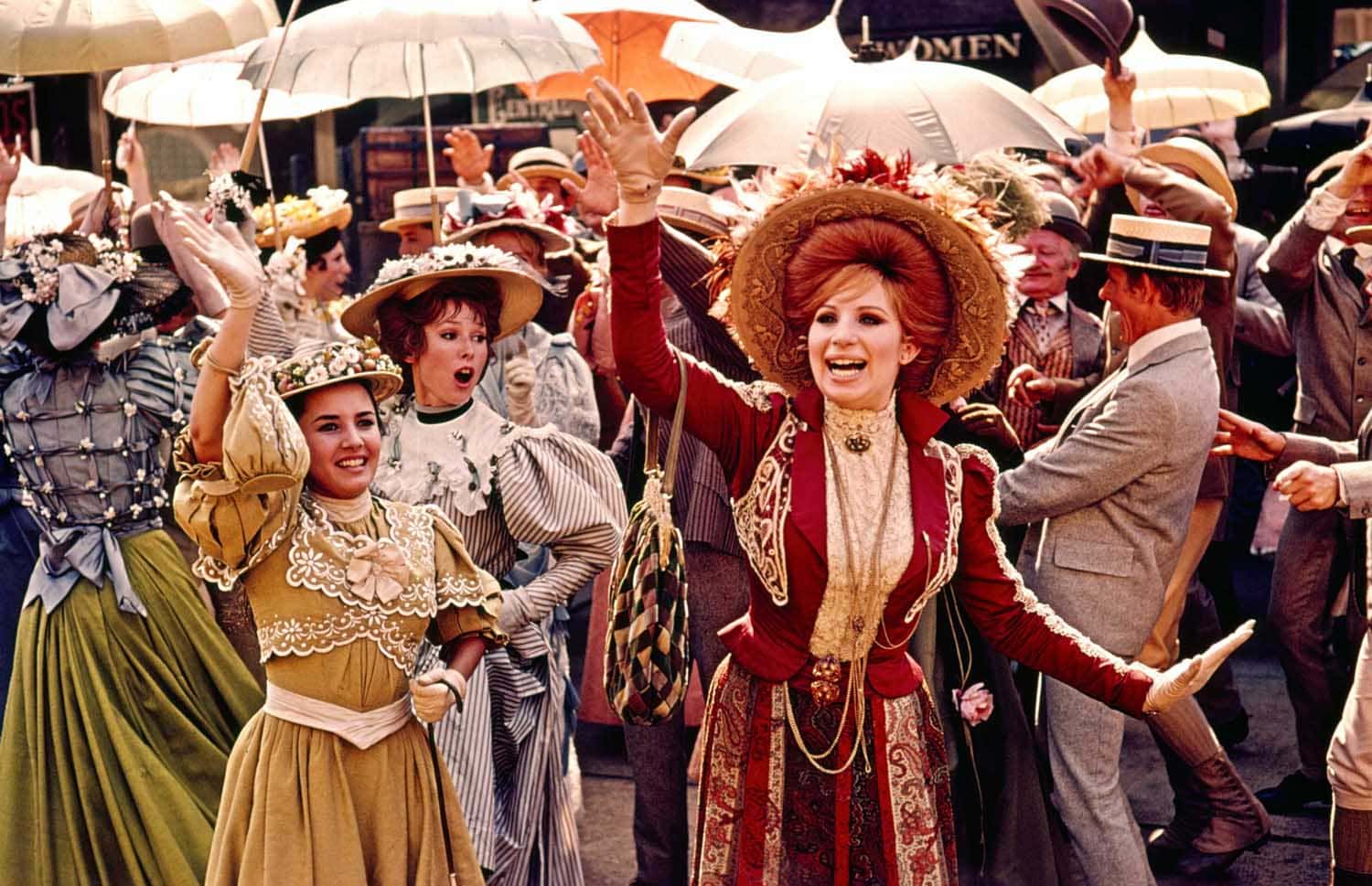
The film is more infamous for bringing Fox financially to its knees than for being the last major musical directed by Gene Kelly.


Eric Henderson is a member of the Online Film Critics Society and GALECA.
The film is more infamous for bringing Fox financially to its knees than for being the last major musical directed by Gene Kelly.
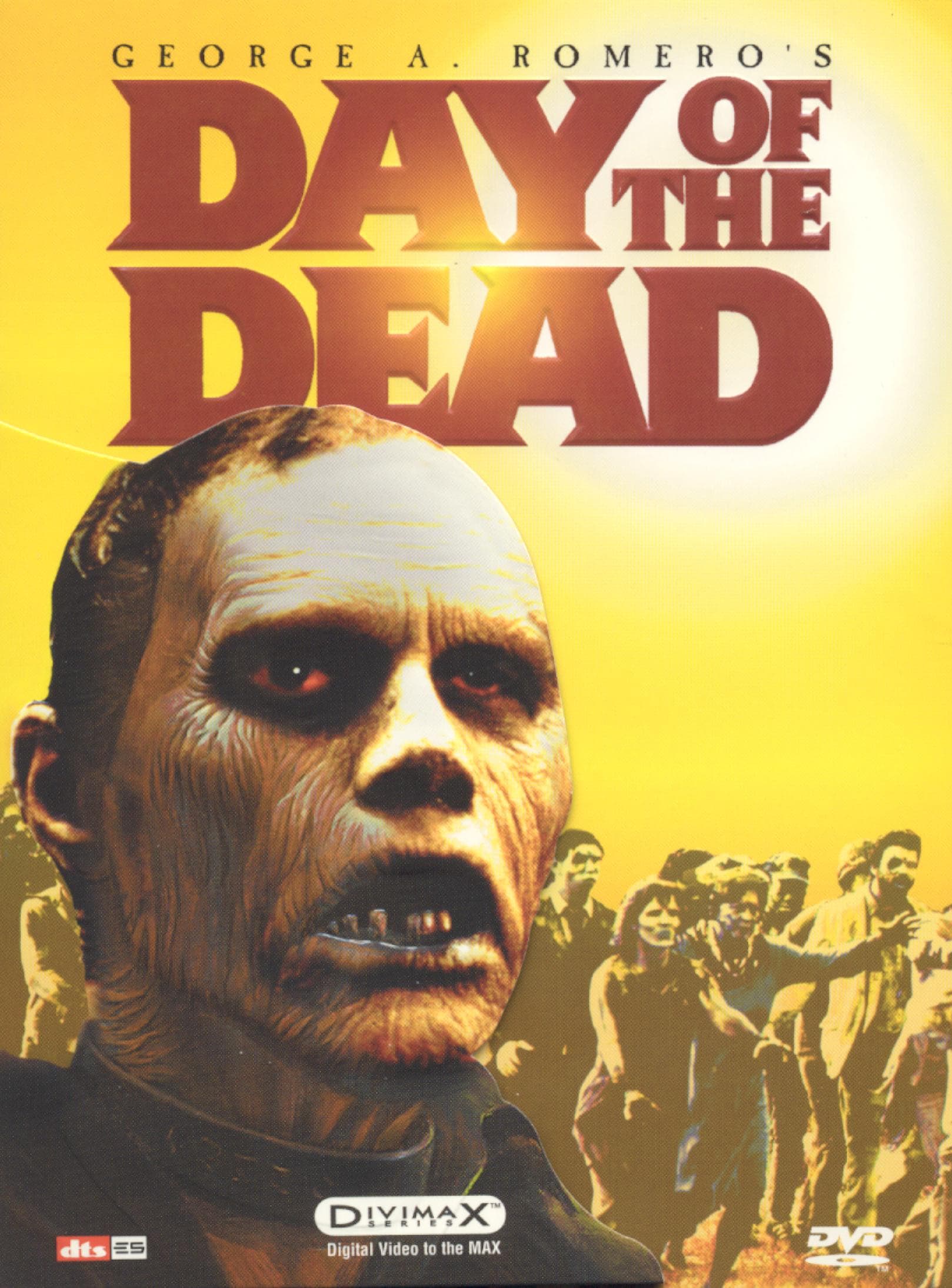
Anchor Bay lays down the extra-features smack down for their presentation of Romero’s film.

Romero’s film is unquestionably the most controversial and debated entry in the filmmaker’s unrivaled zombie trilogy.

Most die-hard New Line horror aficionados are likely to share the eye-rolling sentiments of second-billed cameo star M. Emmet Walsh.

That rare sequel which improves on its original, which, in this case, wasn’t that hard to do.

It’s hardly surprising that Stephen Herek’s career has since steered toward the easy sentimentality of Mr. Holland’s Opus.

Mick Garris’s Critters 2: The Main Course offers a heaping helping of everything that’s missing from the first film.

Sirk’s fascination with duplicity and enforced morality is rendered here with a light farcical touch and a plea for honesty.

Douglas Sirk, king of the ’50s Hollywood melodrama, considered A Scandal in Paris one of his favorite works.

A few elements chip away somewhat at Amen’s seriousness of intent, but they do add fire to the stimulating drama.

Costa-Gavras walks a fine line between portraying the soulless social allowances and ignorance that allowed the Holocaust to happen, and exploiting them for dramatic punch.

Terence Young’s presentation of Suzy’s cloistered surroundings trumps the script’s far-fetched tendencies.

John Carpenter owes his trademark slightly-off-frame entrances to Alan Arkin’s terrifying, famous lunge at Audrey Hepburn.

Though some will see it as the ultimate litmus test of film pretentiousness, others are likely to surrender to Godard’s never-ending inner dialogue.

It serves as a reminder that even the most cunning, ruthlessly intellectual filmmakers can also create wondrous playgrounds.

Virtually every one of Altman’s signature hallmarks are very much alive in his 1980 film.

Altman’s least appreciated masterwork has been blessed with a great transfer.

Bitter Moon is a brusque reminder of the sexually tormented, nihilistic Polanski we know and love.

Think of the film as Roman Polanski’s Who’s Afraid of Virginia Woolf.

The only value to be salvaged from this limp carbon copy is in how much of the formulaic worthlessness it exposes of the original Grease.