Hawking a simplified view of cause and effect, Elite Squad would make a fitting double bill with Battle for Haditha.



Ed Gonzalez is the co-founder of Slant Magazine. A member of the New York Film Critics Circle, his writing has appeared in The Village Voice, The Los Angeles Times, and other publications.
Hawking a simplified view of cause and effect, Elite Squad would make a fitting double bill with Battle for Haditha.

The film is biting, but as allegory it’s featherweight.

The documentary’s goodwill is a corrective to Morgan Spurlock’s repulsive Where in the World Is Osama bin Laden?
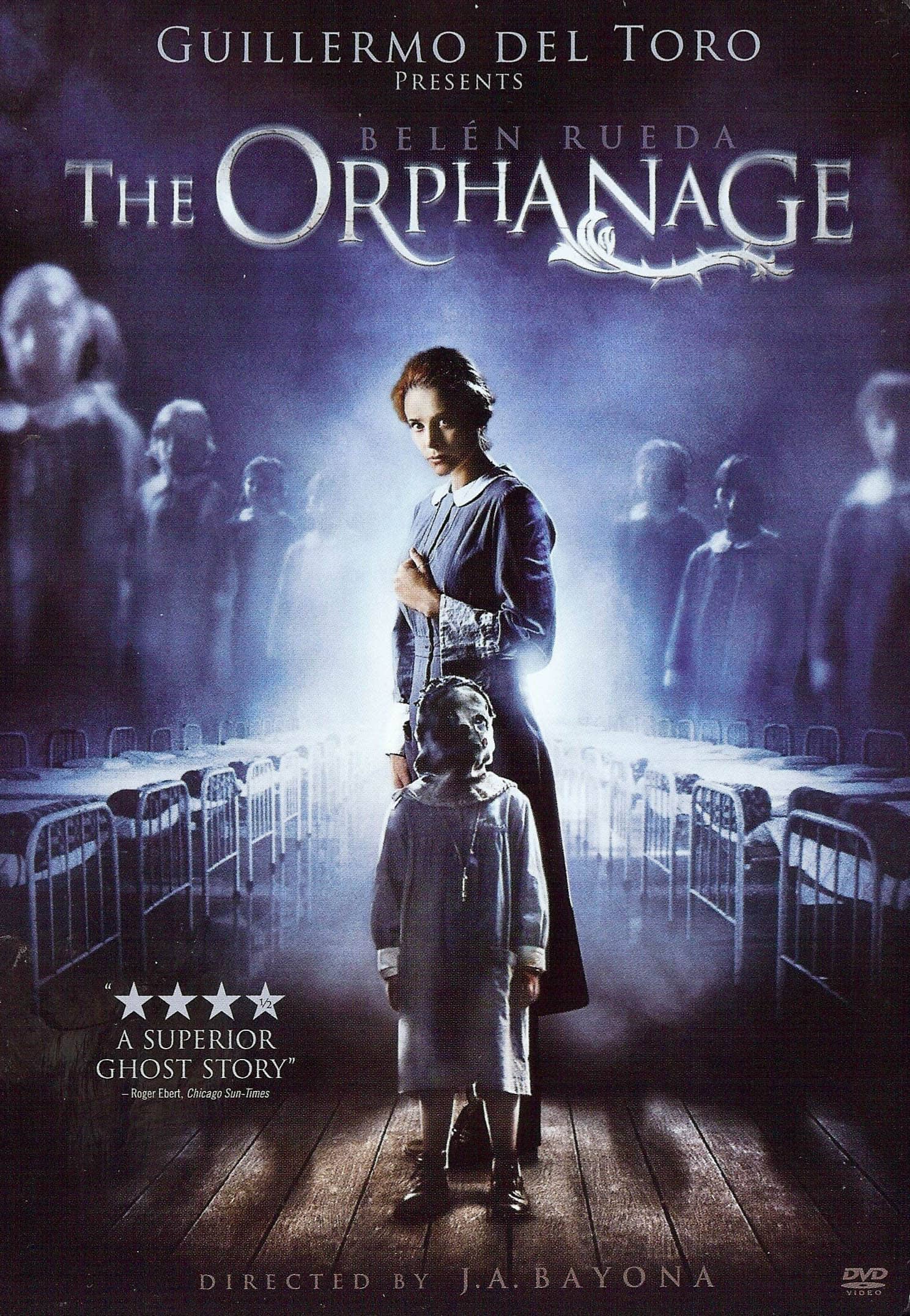
Uno, dos, tres, throw this shamelessly derivative and inhumane freak show in the trash-no matter how intensely its image and sound may deceive.

If Godzilla was a manifestation of Cold War paranoia, the Cloverield monster is a reflection of the chic nihilism that is the J.J. Abrams brand.

Dialogue is a blunt-force trauma in Helen Hunt’s directorial debut.

Image, like identity, is always coming into focus throughout Fugitive Pieces.

Morgan Spurlock’s ego makes Michael Moore’s appear small by comparison.

The Visitor’s allusions to our fucked-up state-of-affairs feel like gratuitous background noise.

Though not to be confused with Madonna’s new single, Four Minutes is similarly built from cliché.

An issue film that doesn’t play like one, Foster Child hangs compellingly from the shoulders of its characters.

Tarsem Singh’s film is a wearying nosedive through a self-indulgent imagination.

Backseat suggests Sideways filtered through a hipster scrim.

As evidenced by Dreams from My Father, talking about race comes naturally and forcefully to Obama.

Praise Jesus that Tyler Perry found Angela Bassett.

The film ponders: How do we blame higher-ups like Rumsfeld for what happened at Abu Ghraib if they weren’t psychically in the picture?

Lance Hammer’s Ballast suggests and suffers from the influence of the Dardenne brothers.

The film’s world is so hermetically sealed that it seems to have been intended only for writer-director Emily Hubley’s pleasure.

Ari Libsker’s interviewees refer to the stalags with an expected mixture of seriousness and giddiness.

Sue Williams’s obvious sincerity for her subjects is undermined by a whitewashing aesthetic.