Oscar’s documentary lineup typically constitutes the black sheep-iest of the award show’s 24 races, but this year’s crop of nominees is less odd, less disreputable, than usual.
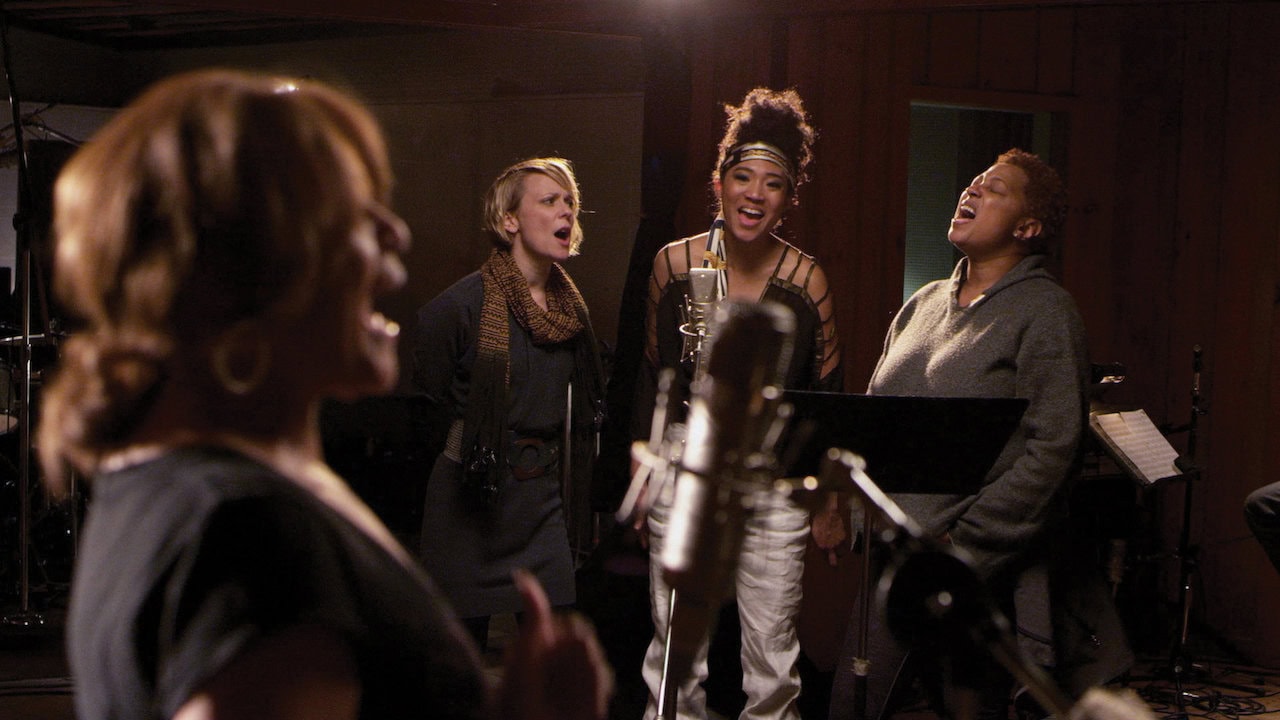


Ed Gonzalez is the co-founder of Slant Magazine. A member of the New York Film Critics Circle, his writing has appeared in The Village Voice, The Los Angeles Times, and other publications.
Oscar’s documentary lineup typically constitutes the black sheep-iest of the award show’s 24 races, but this year’s crop of nominees is less odd, less disreputable, than usual.

Manuel Carballo’s film proves that the zombie narrative is still capable of subversion, but does so with the laziest, Lifetime-grade intimations of social relevance.

If we pretend this contest is legitimate, The Hollywood Reporter may be right that The Croods stands a fighting chance here.

The filmmakers settle for retrograde anguish and warmed-over artistry.

Prison Terminal: The Last Days of Private Jack Hall is the category’s most formally interesting nominee.

JCVD may not say it best, but he does say it aptly, when his manically cartoonish baddie caps one murder with the assertion that “shit happens.”

Contrary to the curious, outspoken beliefs of some, we prefer to celebrate movies around these parts.

There’s an explicit current of self-loathing running through this amazing collection of films.

Her is rich in alternately wry and depressing details about the human condition.

In its stripped-down realism and blistering fixation on its main character’s grappling with life and mortality, the film is kin to Roberto Rossellini’s collaborations with Ingrid Bergman.

Abdellatif Kechiche is a rhythm man, building the novelistically lyrical realism of his movies with the trickiest of notes.

Remarkably, the highlight of Benson Lee’s film, essentially a fiction reboot of his Planet B-Boy, isn’t the scene where Chris Brown gets punched in the face.

TV better than movies? Not really, but at least television will let you see Michael Douglas stroking Matt Damon’s leg hair.
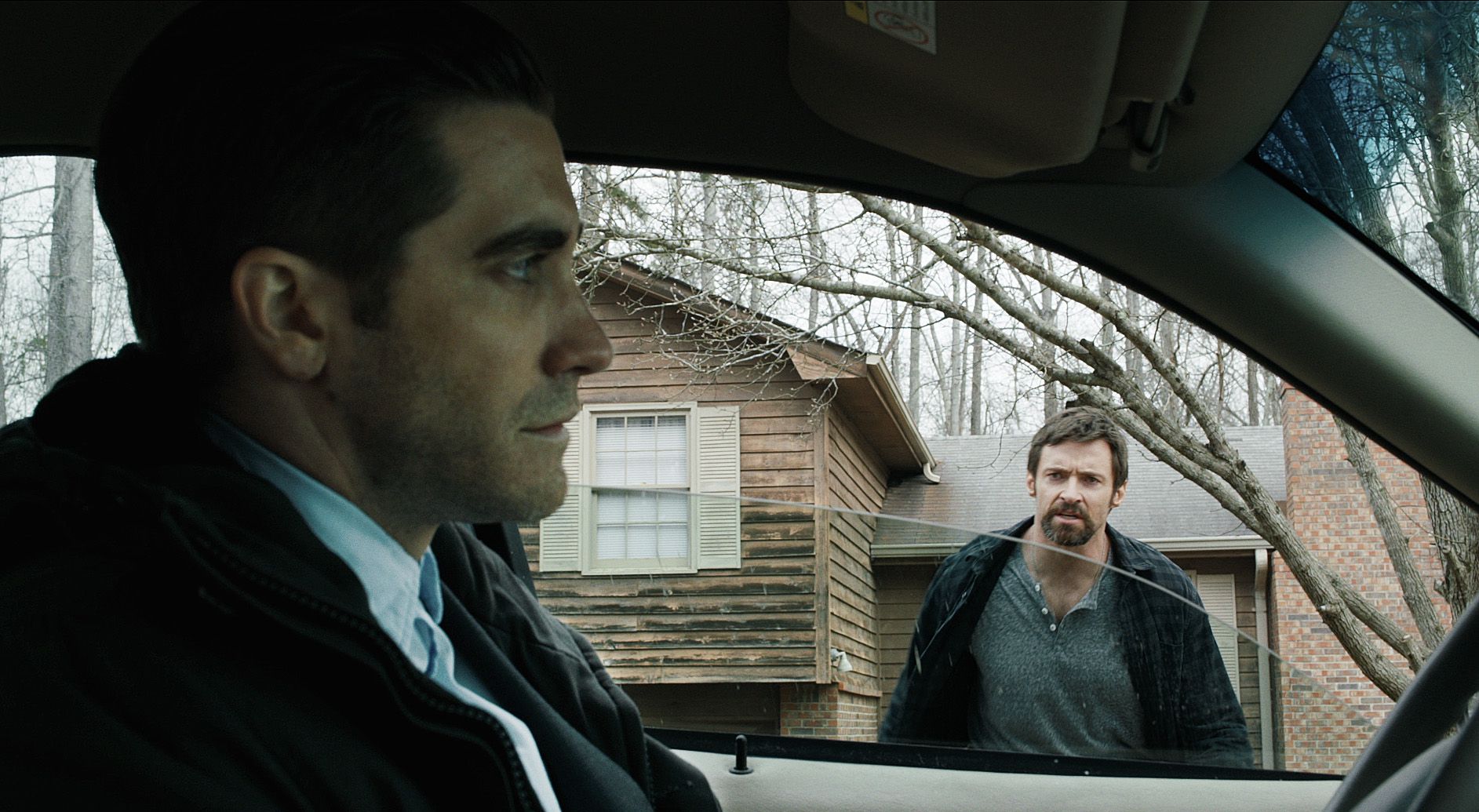
Possibly year’s most immaculate-looking drivel, a prismatically shot whodunit abundant in red herrings, but lacking in moral contemplation.
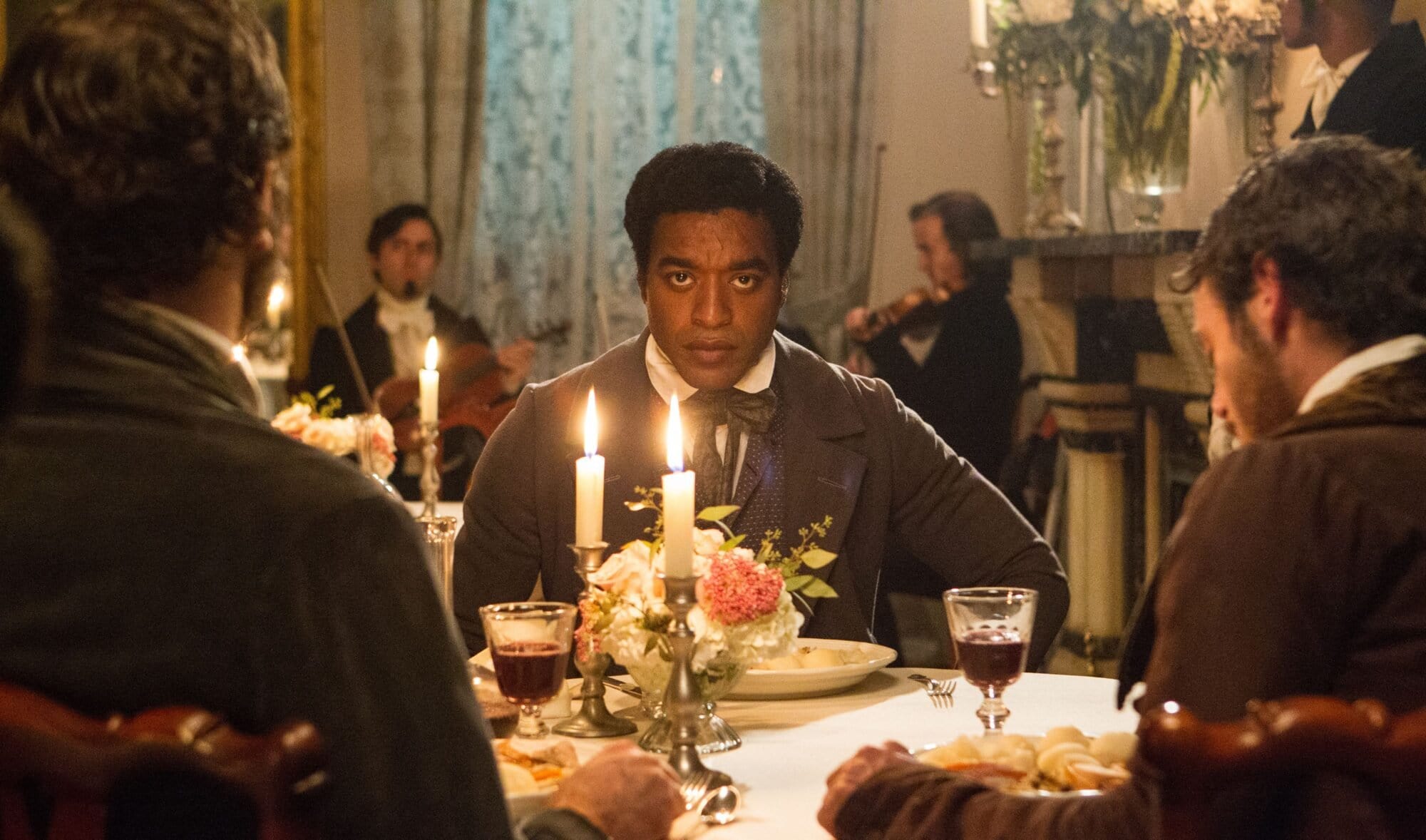
The film practically treats Solomon Norhtup as passive observer to a litany of horrors that exist primarily for our own education.

The film bests Garden State’s Guinness World Record for most incessant navel-gazing.
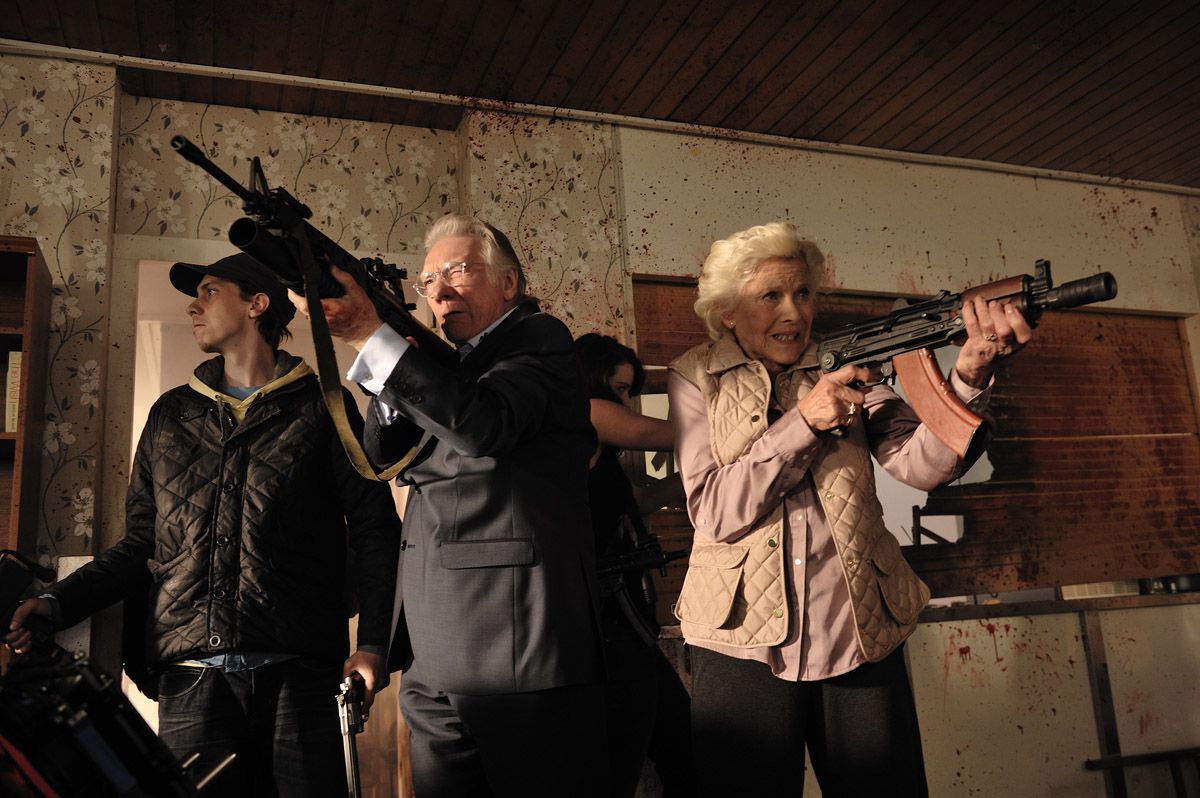
Hoene allows the cockney swears to flow as deliriously as the truly convincing blood splatter.

The film’s sense of conviction and psychological nuance never rises above that of the “I Learned It from Watching You” anti-drug PSA.

One wishes it had spared us the remedial theorizing on media culture and artistic representation and license and less apologetically acted the part of a straight-up horror film.

Though James Wan’s latest claims to be based on a true story, in truth it’s based on every horror film that’s come before it.