Writer-director Charles Martin Smith’s tin ear for dialogue and contrived symbolism is as unmistakable as his enormous heart.



Ed Gonzalez is the co-founder of Slant Magazine. A member of the New York Film Critics Circle, his writing has appeared in The Village Voice, The Los Angeles Times, and other publications.
Writer-director Charles Martin Smith’s tin ear for dialogue and contrived symbolism is as unmistakable as his enormous heart.

Meticulous in its adherence to conventional narrative inducement, it only offers a sanded-down and embossed vision of Stephen Hawking and Jane Wilde’s 30-year marriage.
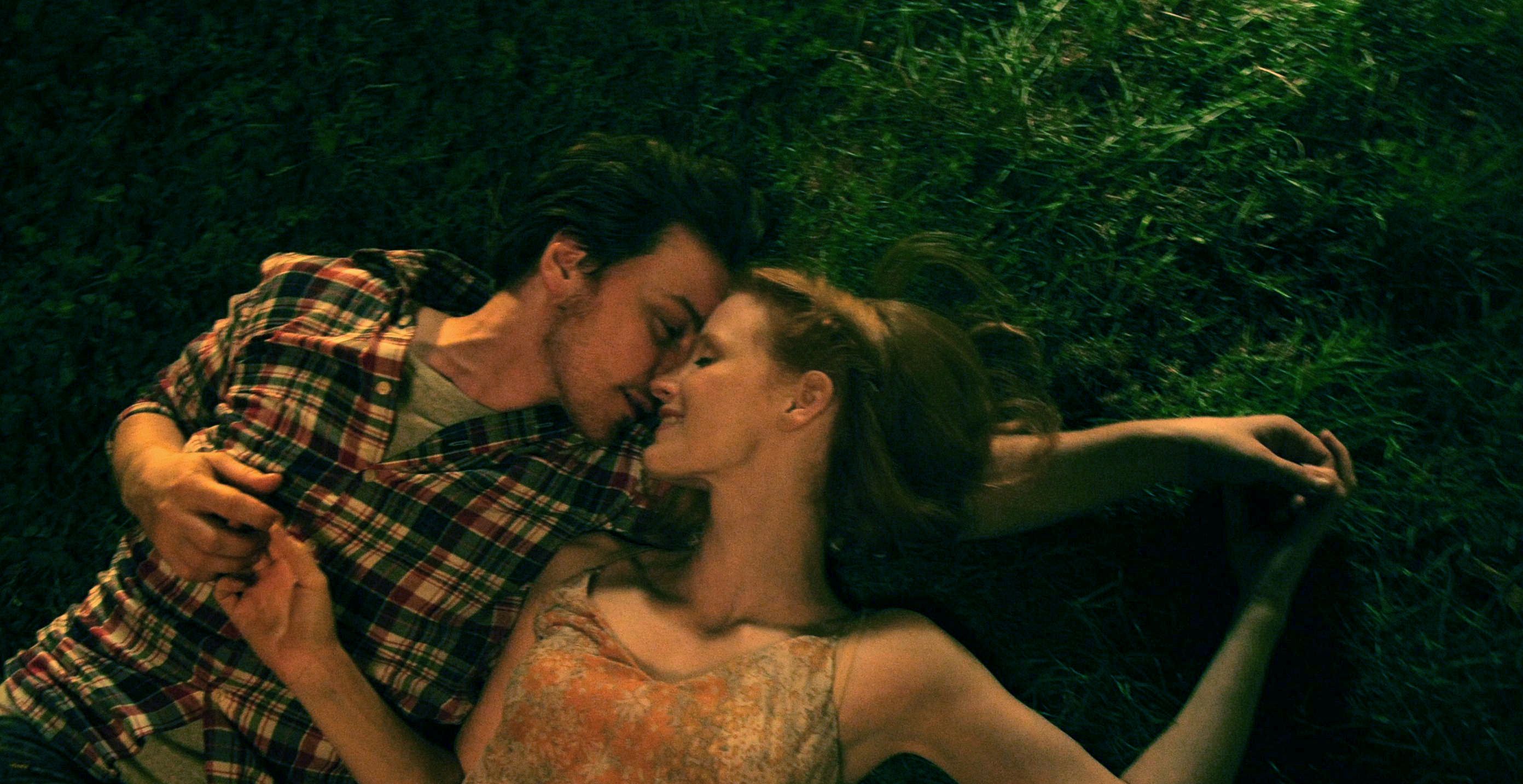
The film abounds in excruciatingly obvious, often precious, articulations of grief, where armchair philosophizing volleys back and forth with punishing abandon.
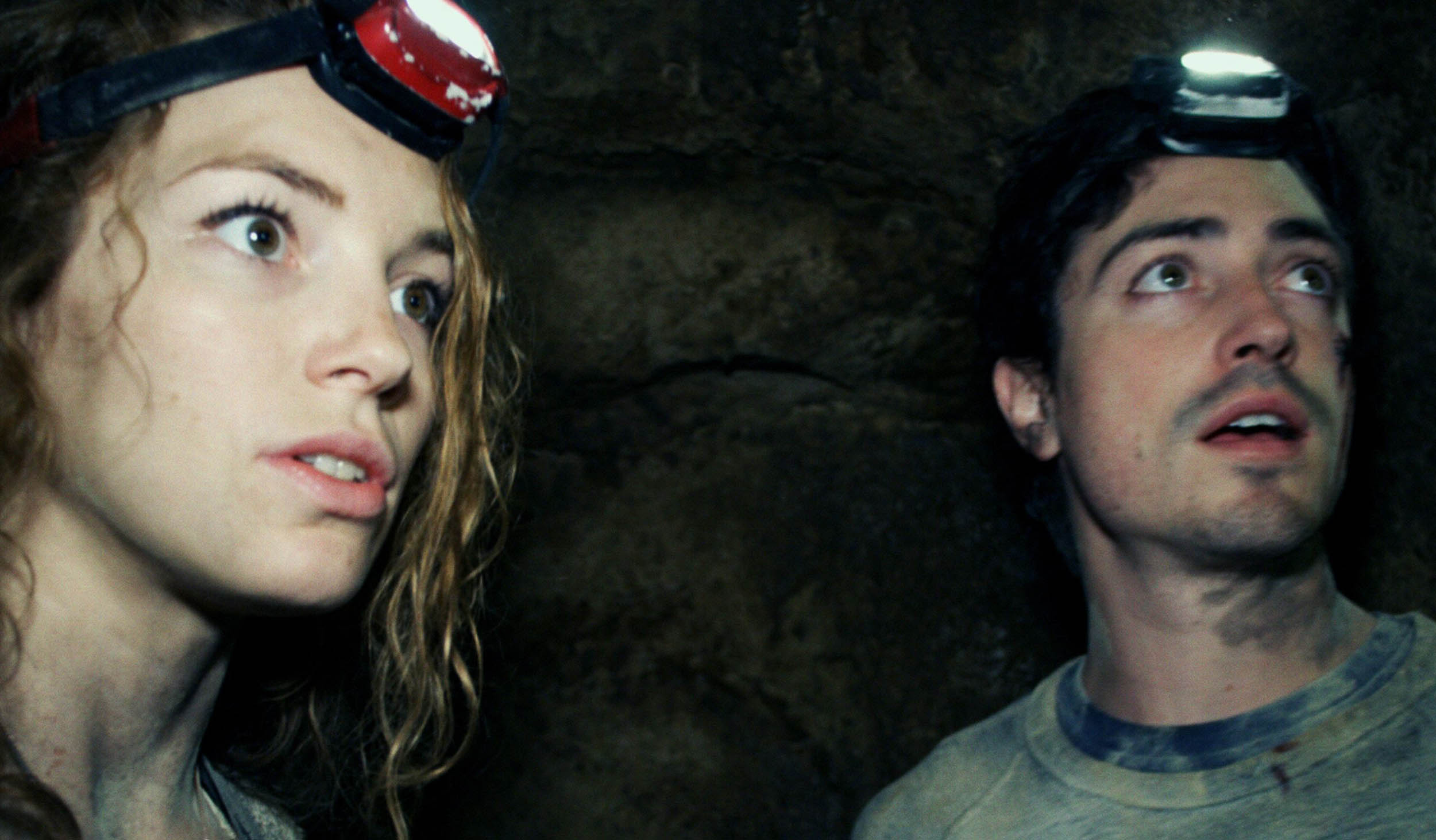
The film predictably alternates in scaring its characters by tapping into their deepest fears.

Glancing over this year’s Emmy nominations is to marvel again at just how much the television landscape has changed in 20 years.
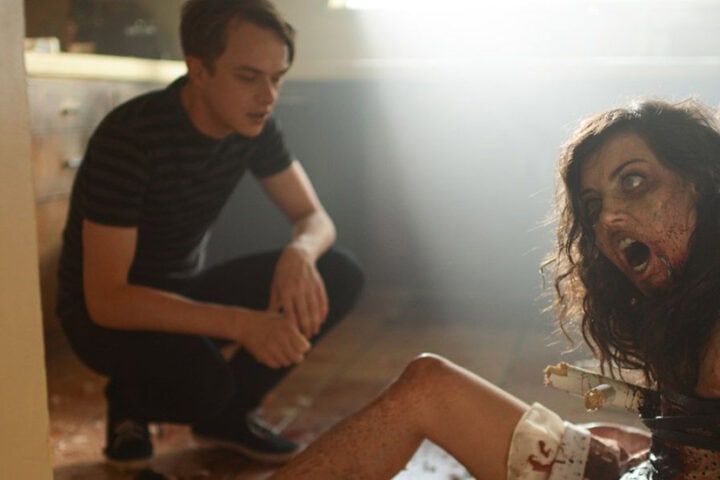
Jeff Baena’s film, at heart, is just another overly familiar story of a boy struggling to get over his first love and who’s rewarded for his troubles with a less volatile replacement model.

Dan Stevens has apparently taken to heart the “comments on Twitter about how fat Matthew was looking.”

It keeps us at a remove that becomes telling of the filmmaker’s reticence to explore whatever feelings of isolation and yearning may inform his main character’s grisly compulsion.

The film may triple-underline its governing theme, but the rage and lucidity of its ideas resonate.

Paddy Considine’s benumbed ambiguity at least works against writer-director Shan Khan’s reduction of honor killings to grist for the cheapest of pulpy thrills.
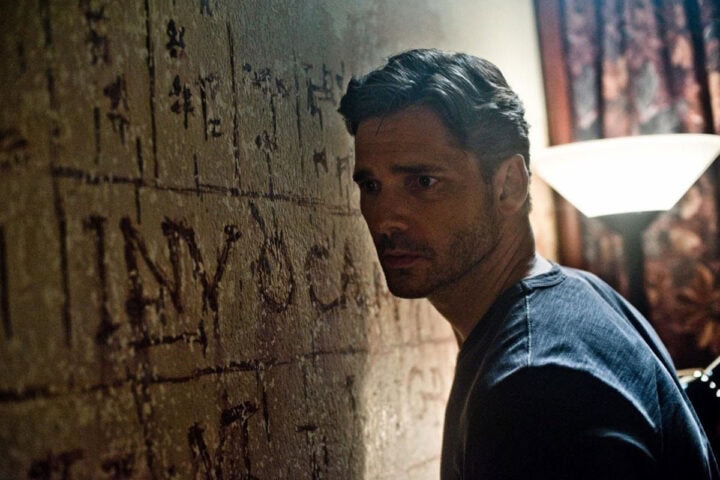
A jump scare isn’t just a jump scare in the films of Scott Derrickson, which isn’t to say this wannabe master of horror has entirely perfected the art of sudden dread.

The constant foregrounding of so much well-executed incident only works to shortchange the heroes’ yearnings and anxieties.

Just as queerness is conspicuous by its absence, so is any serious consideration of the drug use that often pairs with extended tastings of EDM.

Linklater’s film is an experiment in time, and one that’s attentive to the audience’s sense of empathy.
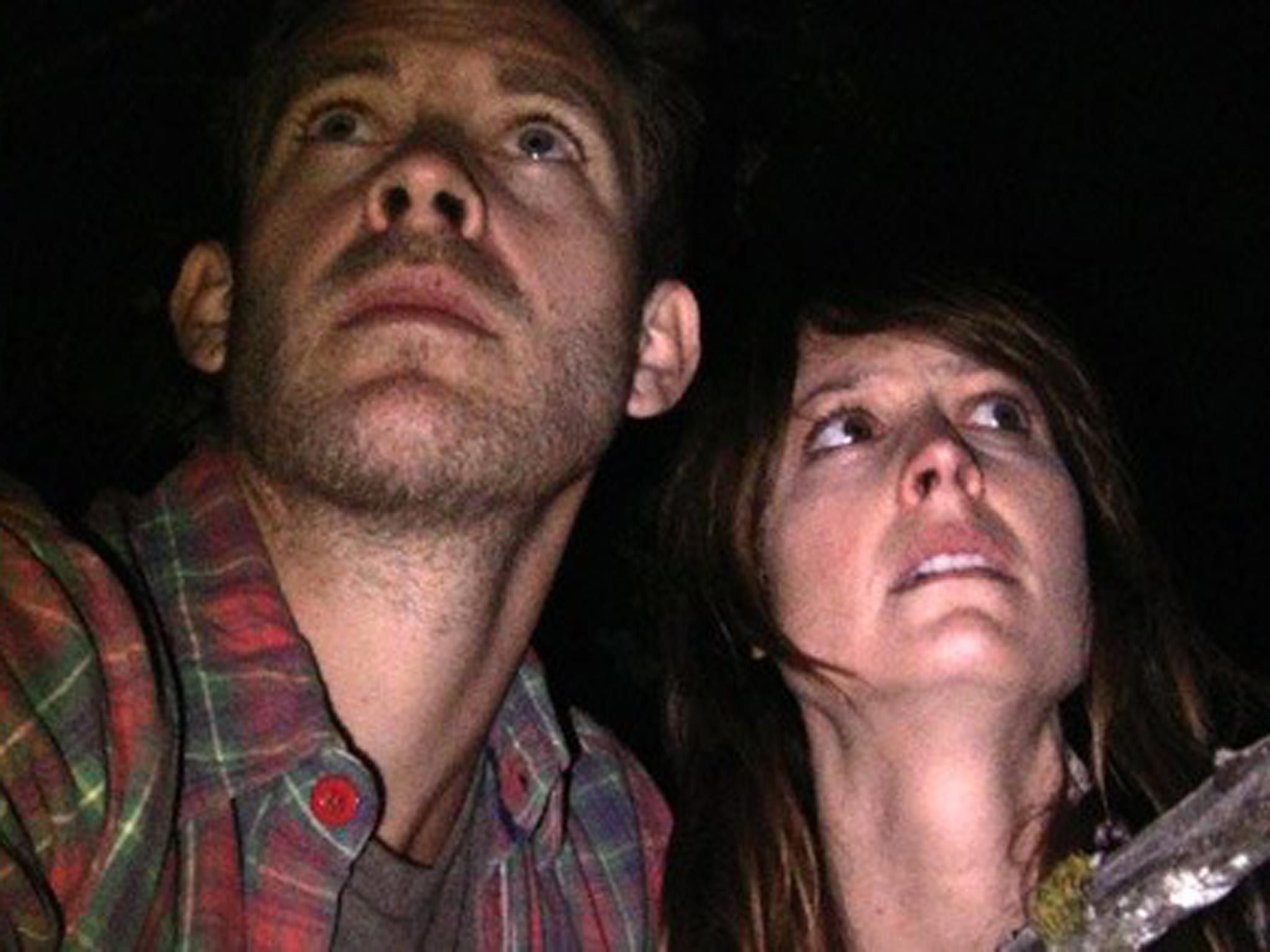
Bobcat Goldthwait exposes the characteristic male pursuit of power to which females are often made subservient.
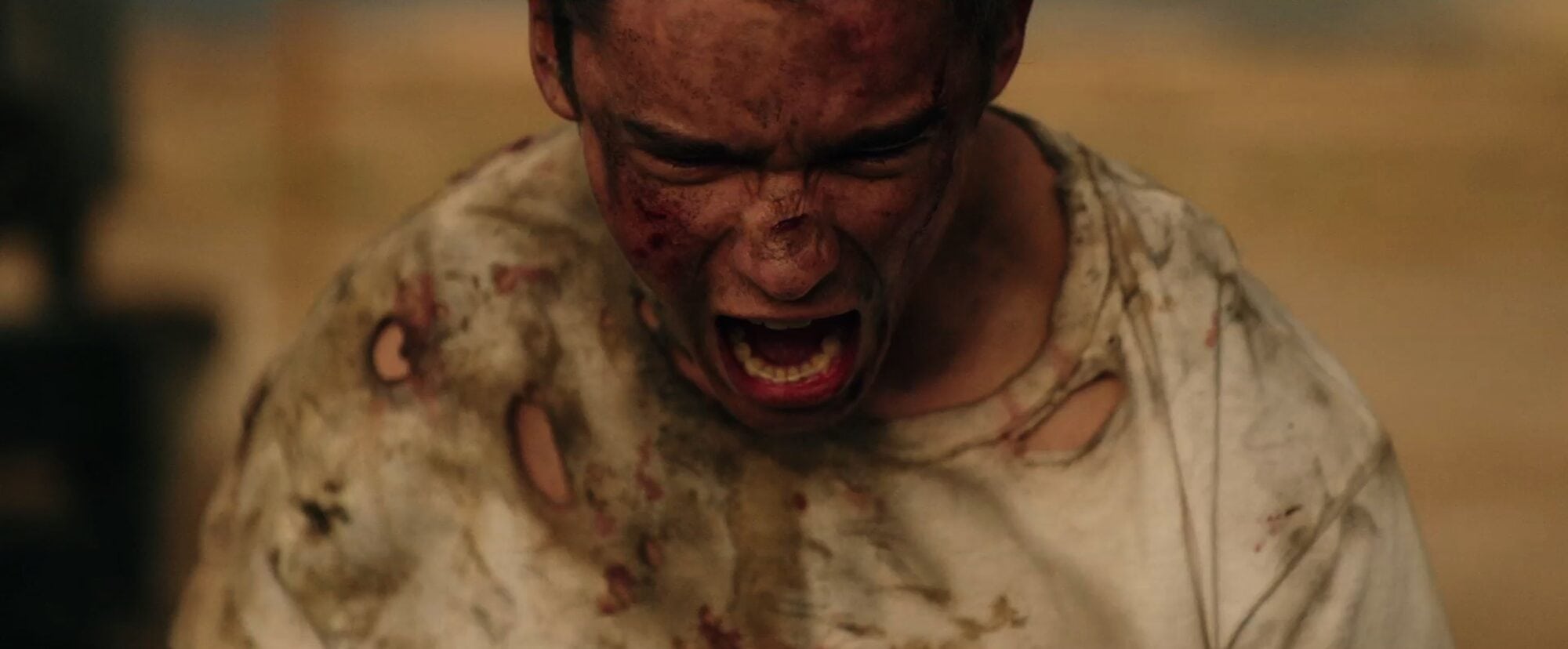
The signal refers to the Nomad hacker’s taunts, though it may as well point to the film’s nature as a self-styled calling card.

The result is an alternately gripping and dully meandering patchwork of these soldiers’ stay in the Korengal that pointedly shuns big-picture philosophizing.

The film is unexpected point-and-shoot hackwork from the great Fred Schepisi.
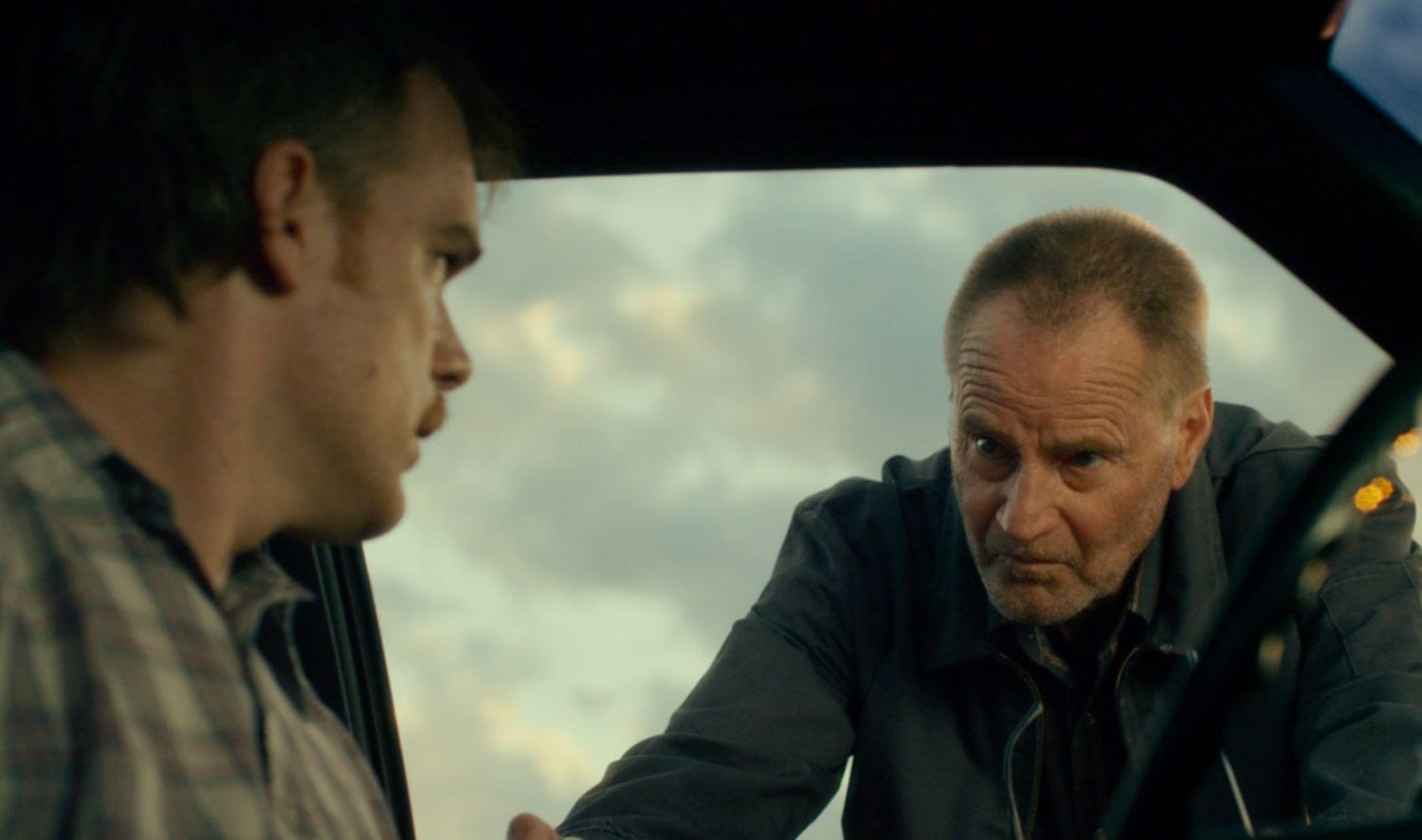
While Mickle’s compositions lose much of their verve in the later half, his regard for the analog doesn’t.
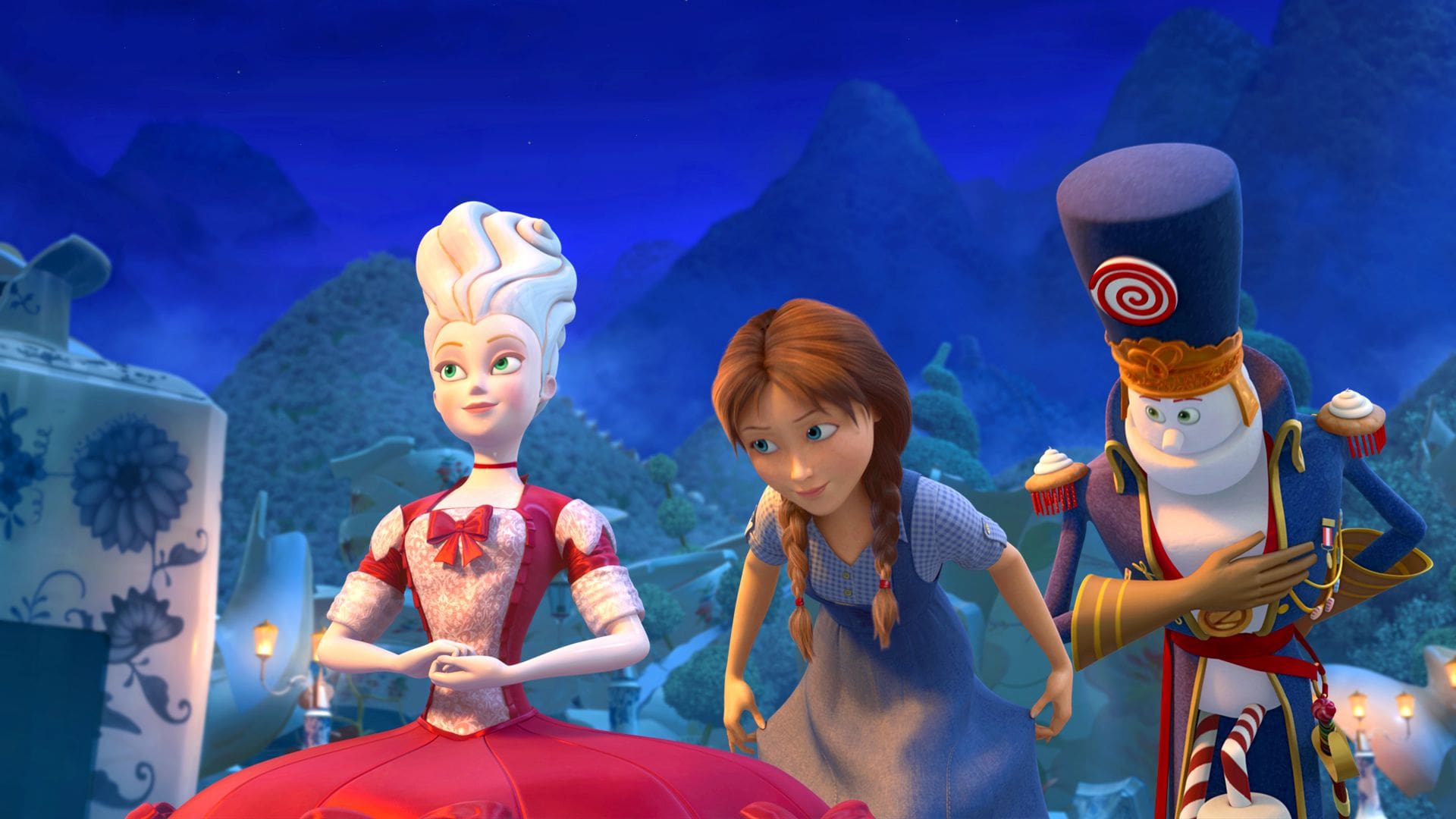
With dubious scruples, and much Broadway-style caterwauling, the film imagines what The Wizard of Oz would look like with a should-have-gone-straight-to-video chimney on her.