IFC Films has just released a new trailer for Schrader’s latest.



Ed Gonzalez is the co-founder of Slant Magazine. A member of the New York Film Critics Circle, his writing has appeared in The Village Voice, The Los Angeles Times, and other publications.
IFC Films has just released a new trailer for Schrader’s latest.

In Joshua Oppenheimer’s extraordinary The Act of Killing, film becomes the medium for a bold historical reckoning—and in more ways than one.

Guillermo del Toro doesn’t rise above the obligations of staging a film of this sort as a video game.

Its stance toward every dipshit slasher and creature-horror flick that’s come before it never feels less than casually hostile.

CBS Films will release Inside Llewyn Davis on December 6.

Its audio-visual overload testifies to a group of filmmakers’ belief that some films are made to be remade.

A rote home-invasion thriller afraid to be seen as just another rote home-invasion thriller, the film turgidly grasps for profundity by framing bloodlust as patriotic duty.

Forlorn depictions of love and death may dignify the film, but narrative withholding ultimately drives a stake into its unmistakable heart.

Xan Cassavetes cops to nothing more significant than being more keen on Vampyros Lesbos than anyone else from her clan of famous cinephiles.

Carlos Reygadas’s latest, an almost impossibly intellectual film, keeps us at a remove that’s as striking as that which separates its main character from the lower classes.

Eric Rochant avoids the pompously eassayistic over-complication that typifies globetrotting political porn such as Syriana.

Marina de Van’s film is beholden to a strange internal logic that gives primacy not to its protagonist’s suffering, but to its maker’s thirst for fun.

Throughout Malick’s film, the new and old are incessantly twinned, blurred into a package that suggests an experimental dance piece.

The film sacrifices emotional specificity to often-purple marriages of sight and sound.

The horror anthology’s finest entries convey how real horror comes in more than shades of red, and how it lives inside us all.

The film can be fetching, but it’s nothing if not vacuous, a series of disjointed, improvisatory riffs.
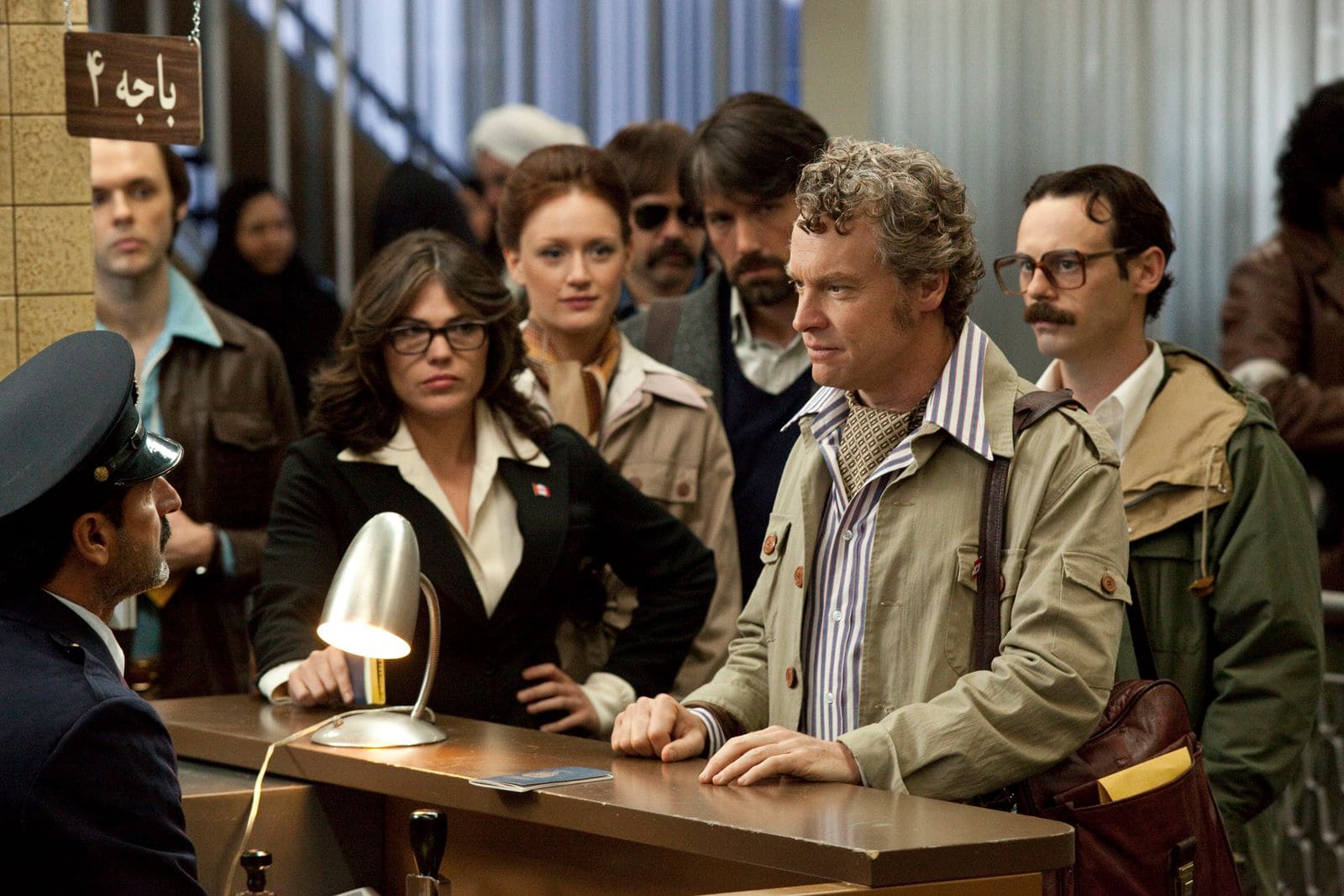
This is a complete list of our predicted winners at the 2013 Academy Awards.

It bears mentioning that one of the two times we’ve gotten this category wrong was when we disregarded the almost always reliable frilliest-always-wins rule.

It almost seems like AMPAS is trying to pull one over on us—or, at the very least, sneak one past us while we’re not looking.

Perhaps “Michael Haneke” himself best elucidates the success of Amour by describing the film it could have been but no one, except possibly for us, would have wanted to see or give an Oscar to.