It’s difficult to imagine Rotterdam as a place where a film festival isn’t taking place at all times.


Diego Semerene is an assistant professor of queer and transgender media at the University of Amsterdam.
It’s difficult to imagine Rotterdam as a place where a film festival isn’t taking place at all times.

Li Cheng gets much closer to capturing his characters’ predicaments when he trusts the images alone.
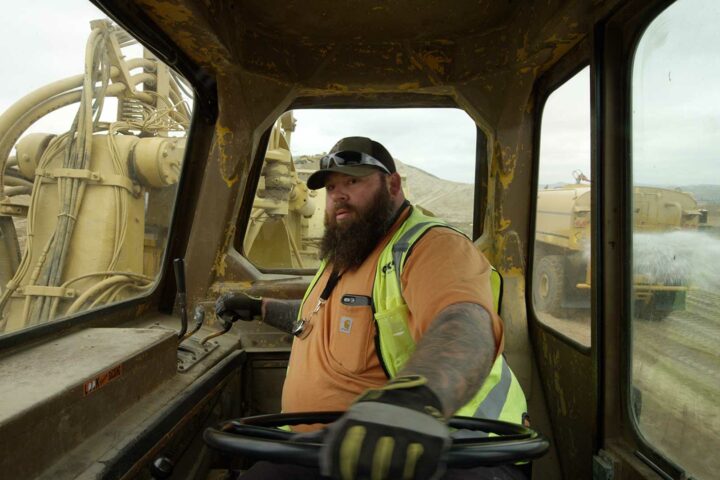
Nikolaus Geyrhalter doesn’t give up aesthetic experimentation altogether in this survey of Anthropocene calamities.

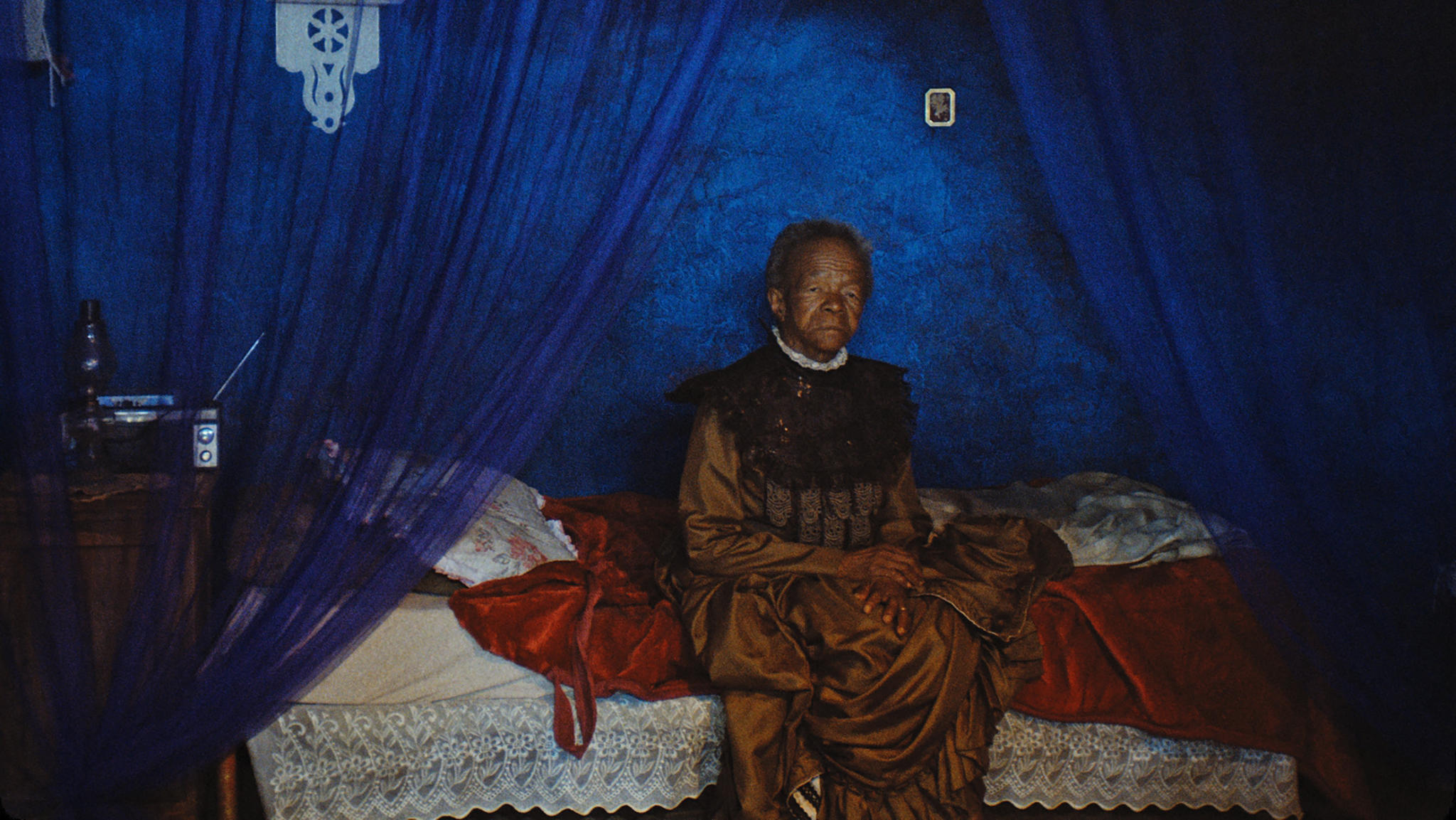
Only rarely does Karim Aïnouz allow for loopholes to refreshingly emerge from the film’s stylistic deadlock.
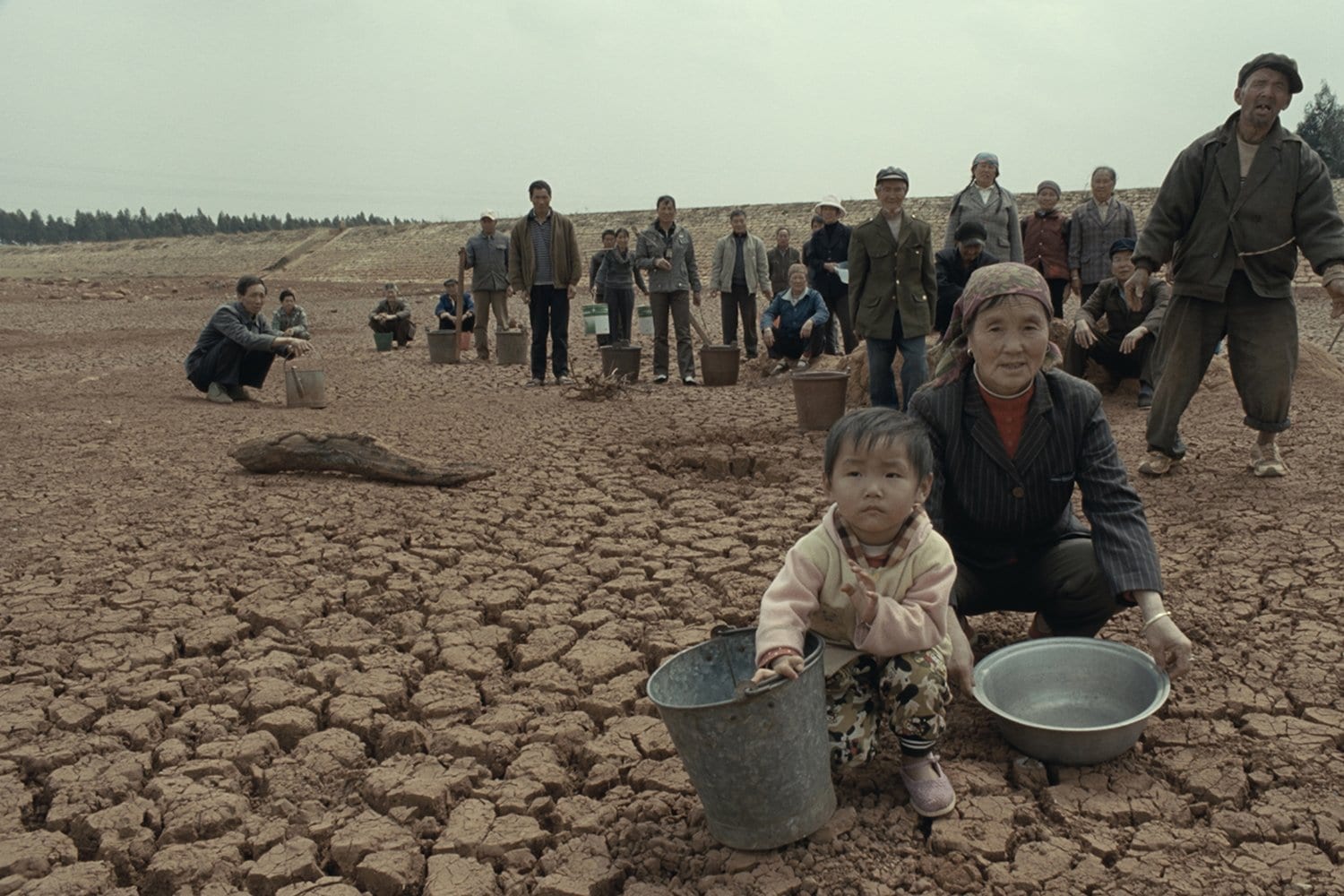
The drama here is in the gap between bystanders who return the camera’s gaze and those who don’t.

It’s fascinating to see Benedetta Barzini in academic action, like an ethnographer of the patriarchy herself.

Only Marisa Tomei’s face can compete with Huppert’s ability to turn even the sappiest of scenarios into a nuanced tour de force.
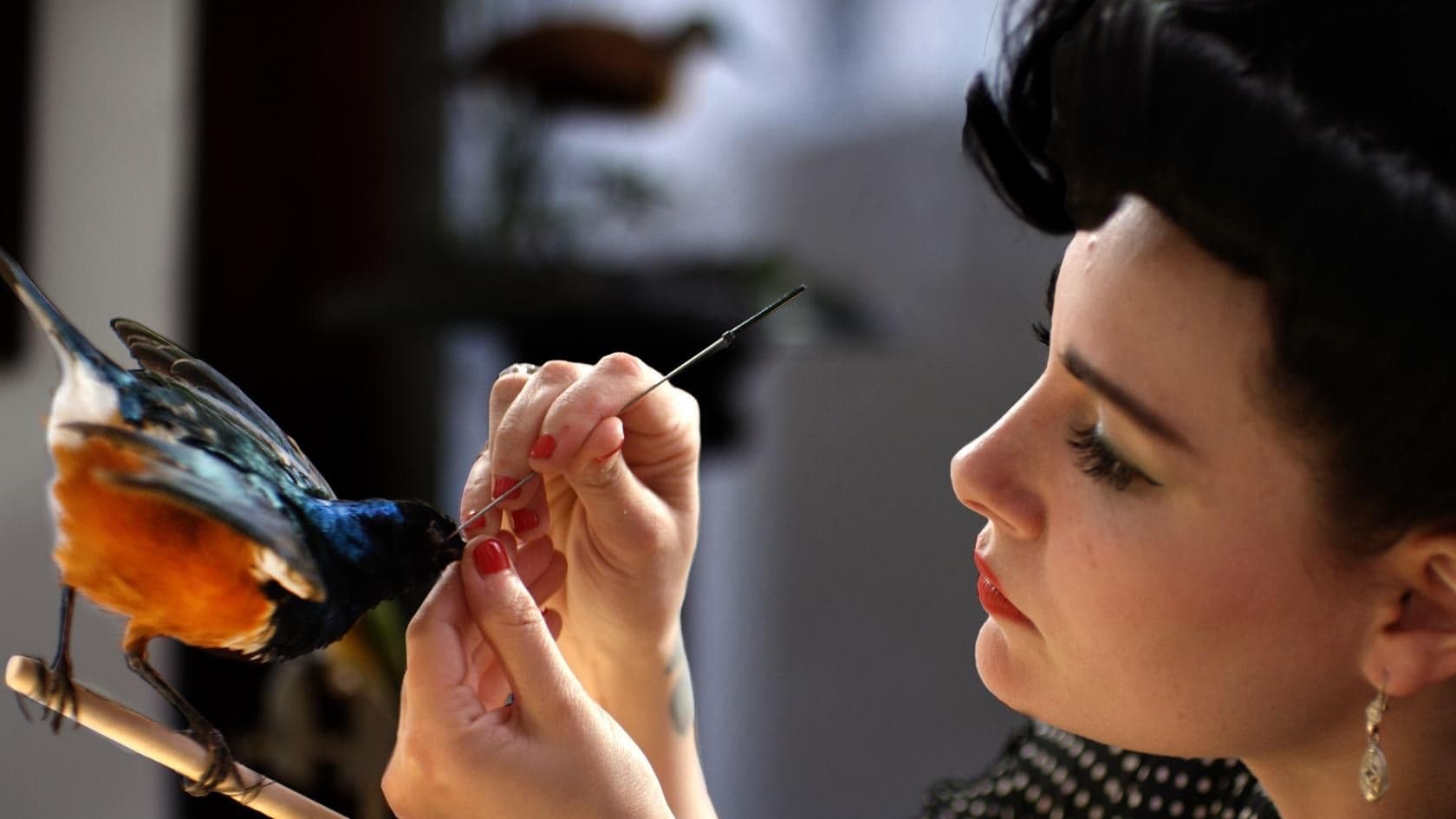
Erin Derham’s unadventurous aesthetic inoculates her from taxidermy’s subversive spirit.

The film’s mid-act about-face lends a refreshing sense of complexity to an otherwise superficial depiction of Wrinkles.
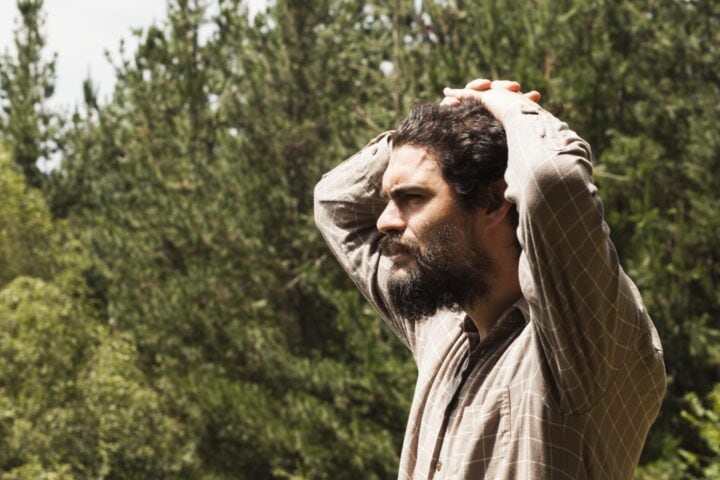
Laxe’s film refreshingly occupies an almost uncategorizable cinematic realm.

Throughout Sibyl, Justine Triet is committed above all else to the tricks that memory and language can play on us.

Kino’s Blu-ray gifts us with a beautiful transfer of a classic of French poetic realism.
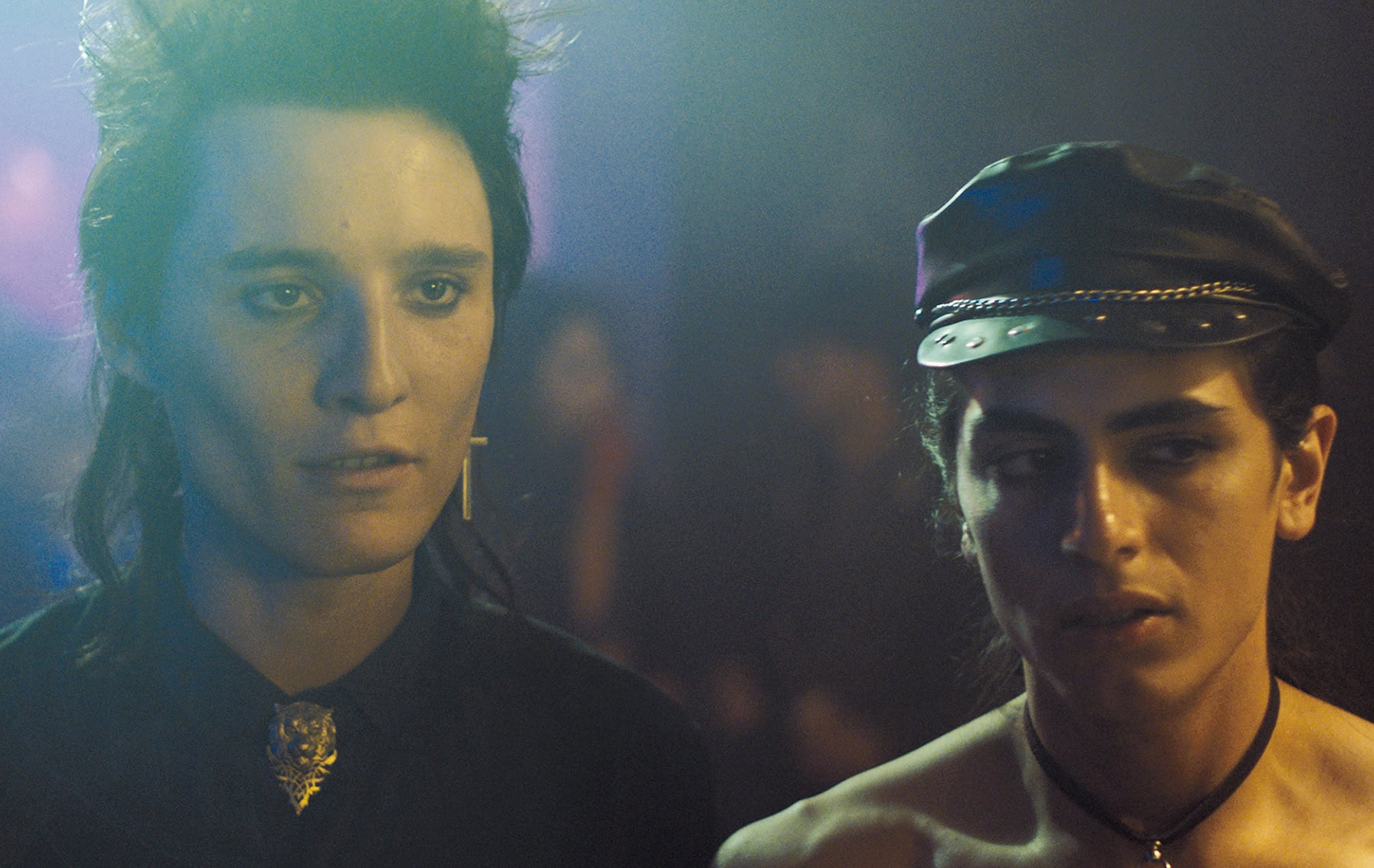
Hari Sama never quite manages to seamlessly sync the film’s anti-bourgeois political commitments to its soap-operatic register.
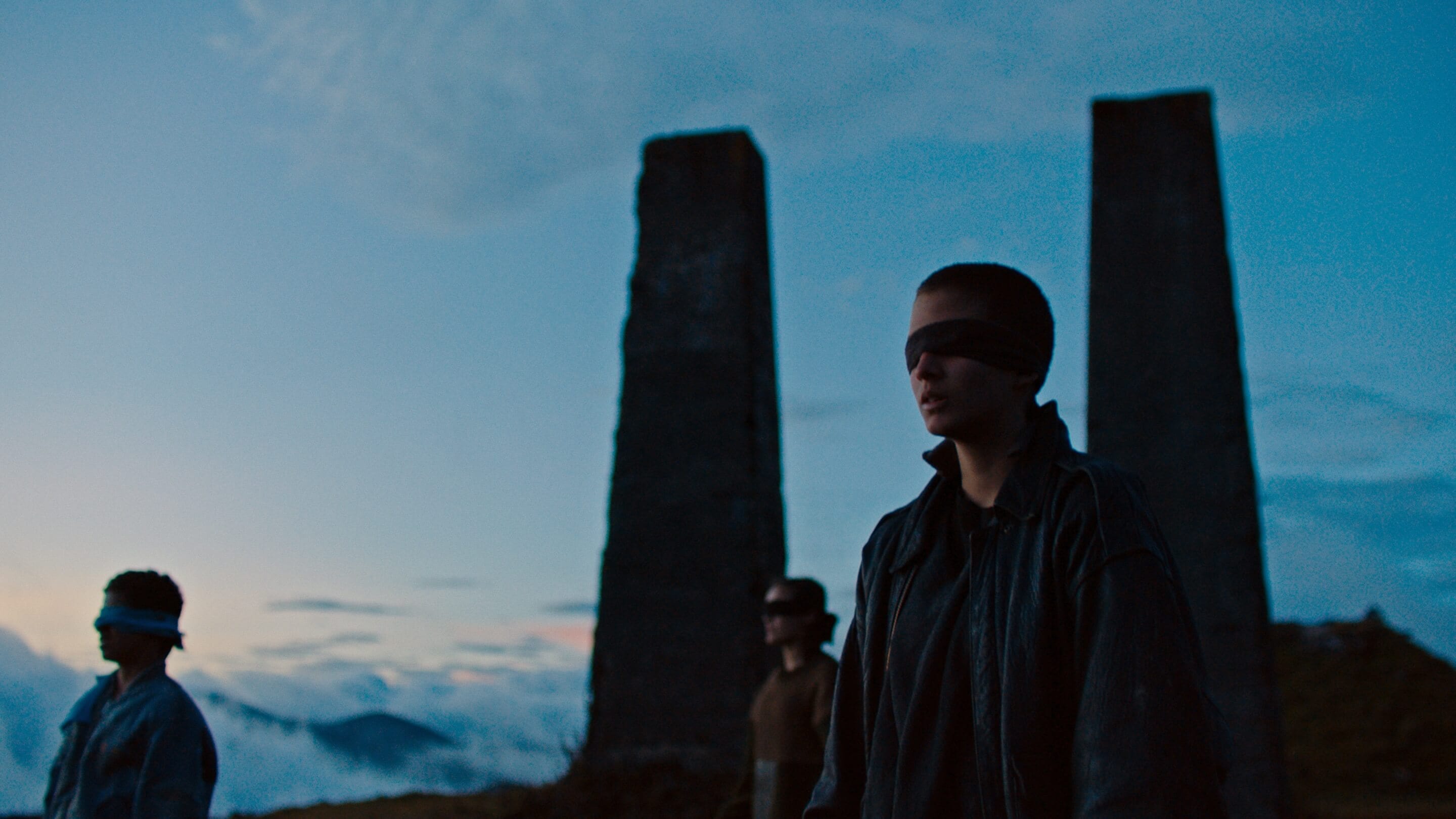
The festival feels like a long-awaited apparition in a place where events of its magnitude might be scarce.

Marie Losier’s empathy, if not love, for Cassandro hinders her from examining his wounds with much depth.

We never spend enough time with the characters to believe the urgency, and lushness, of their cravings.
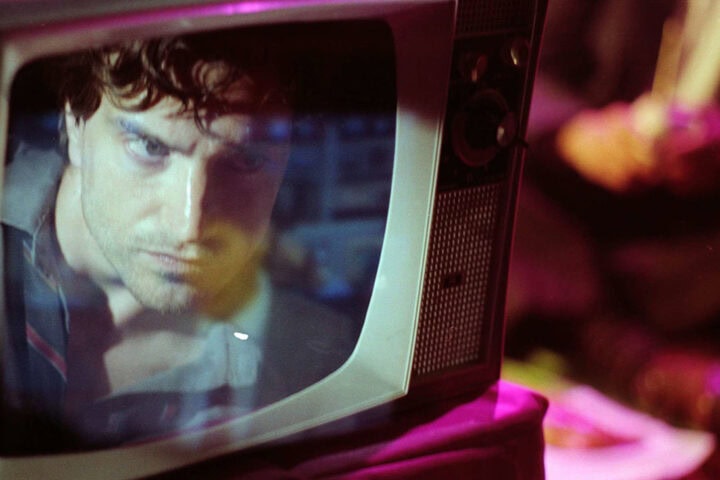
After a while it seems like one needs to be in some kind of dream state in order to properly savor the film.
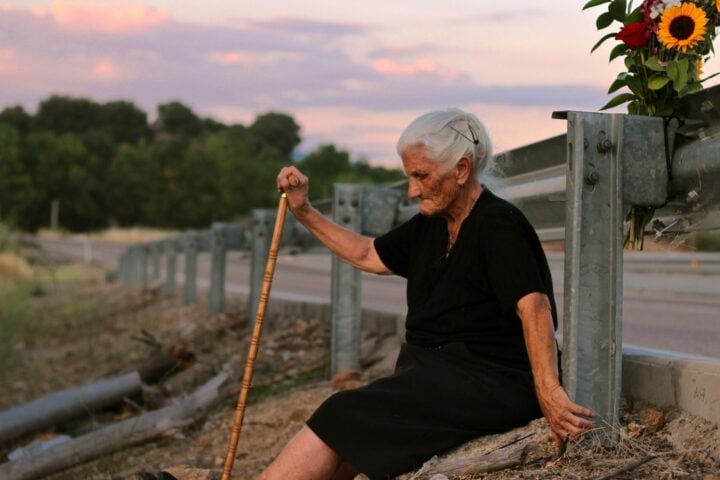
Almudena Carracedo and Robert Bahar’s documentary is monumental for its clamorous sounding of an alarm.

The film is a tale about how those who spiral so far out of control become blind, if not immune, to the severity of their symptoms.
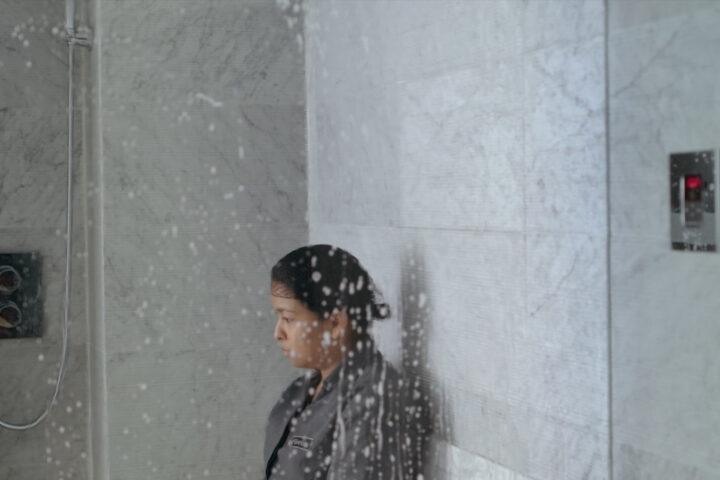
Lila Avilés’s film reserves the possibility of flirtations with disaster to turn into acts of emancipation.