Isabelle Huppert’s presence feels too colossal for such a small and cheesy film as this.



Diego Semerene is an assistant professor of queer and transgender media at the University of Amsterdam.
Isabelle Huppert’s presence feels too colossal for such a small and cheesy film as this.

Rainer Sarnet’s film is most pleasurable precisely when it surrenders itself to the nonsense of dreams.

The film is full of astute, and poetically staged, critiques of the parallel worlds resulting from Iran’s police state.
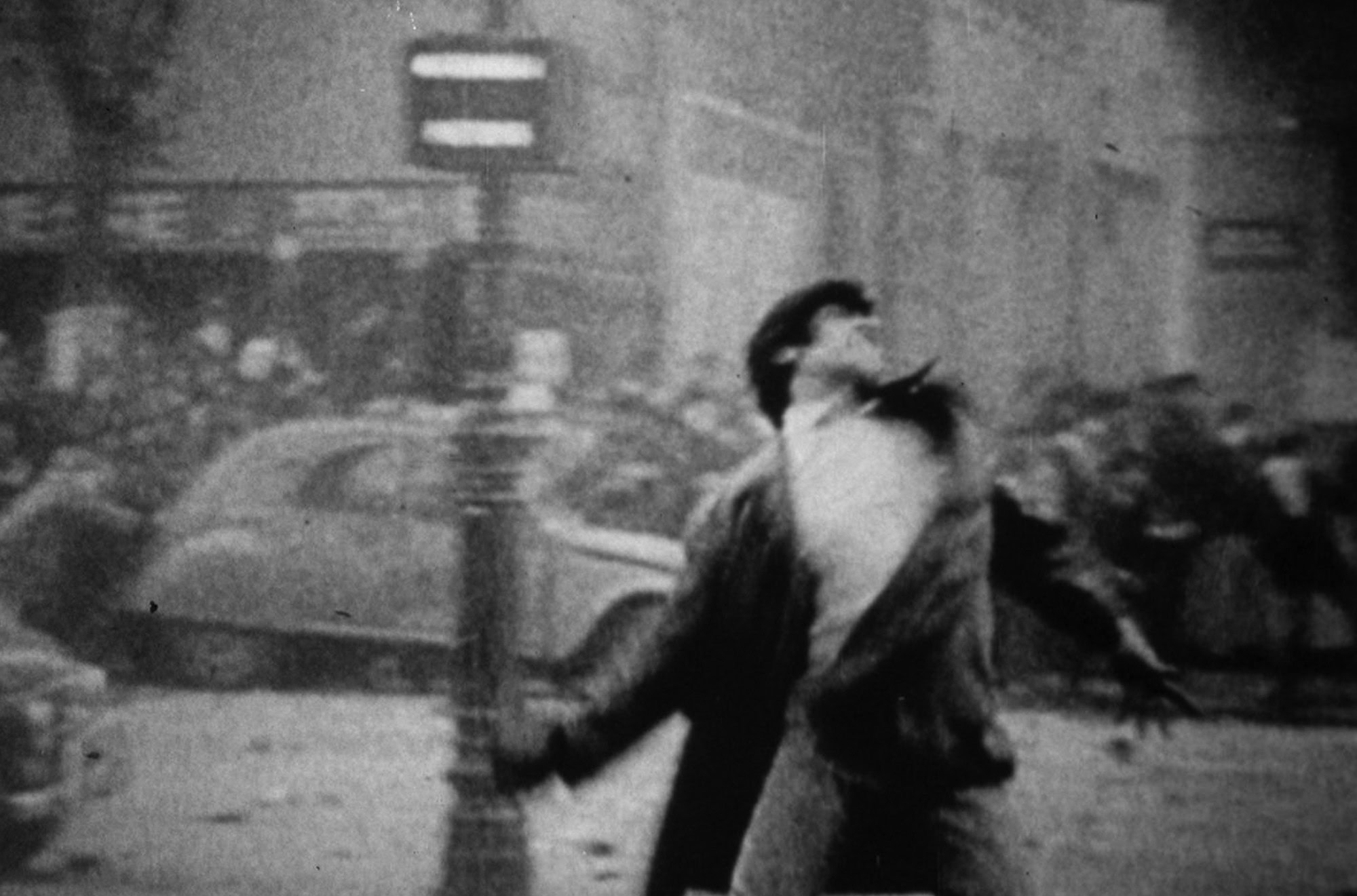
Throughout João Moreira Salles’s essay film, the knots between the personal and public feel tentative at best.

The film is most engrossing when the camera is channeling the peripatetic spirit of the main character.

Damon Cardasis follows a rather didactic approach to his 14-year-old’s protagonist’s plight in Saturday Church.

Marcelo Gomes doesn’t seem to have that much to say, as his real gift is articulated through his body.

Childhood in Peter Lataster and Petra Lataster-Czisch’s documentary is the terrain of contradiction and ambiguity.

The film doesn’t see that border-crossing is inevitably rife with unintended consequences beyond narrative ones.

The film is an interminable saga full of soap-operatic plot twists involving quickly broken marriages, a secret porn career, terminal illness, and more.

If the global reunion that the cruise ship presents here is such a panacea, why is there so much moping?

In God’s Own Country, it’s tenderness that’s ultimately aligned with life-giving strength.

Writer-director Anne Fontaine bypasses any attempt at faithfulness to her source material.

Think of writer-director Andrey Zvyagintsev’s film as Scenes from a Marriage for the age of social media.
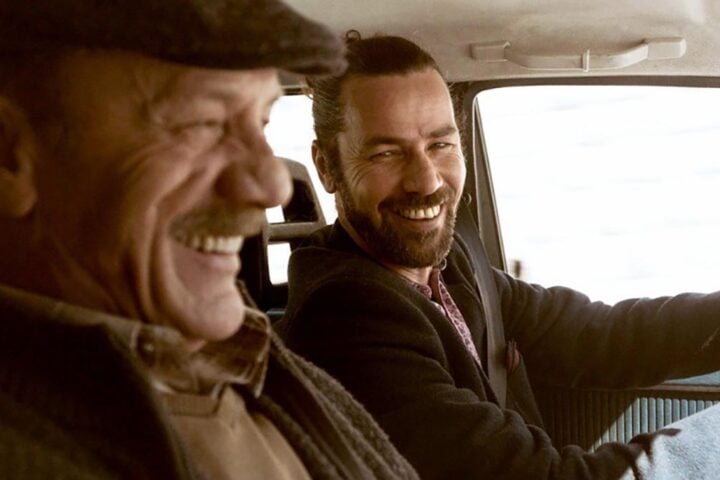
Annemarie Jacir’s Wajib suggests that Palestinian survival depends on acts of self-erasure and self-betrayal.

Criterion presents a contemporary treasure on Blu-ray that’s likely to endure with future audiences as a staple of European cult cinema.

Andrew Haigh’s film has an urgency for epic things to happen to its main character in the most literal sense.

It begins as a clever pseudo-mumblecore provocation only to quickly turn into indefensible nonsense.
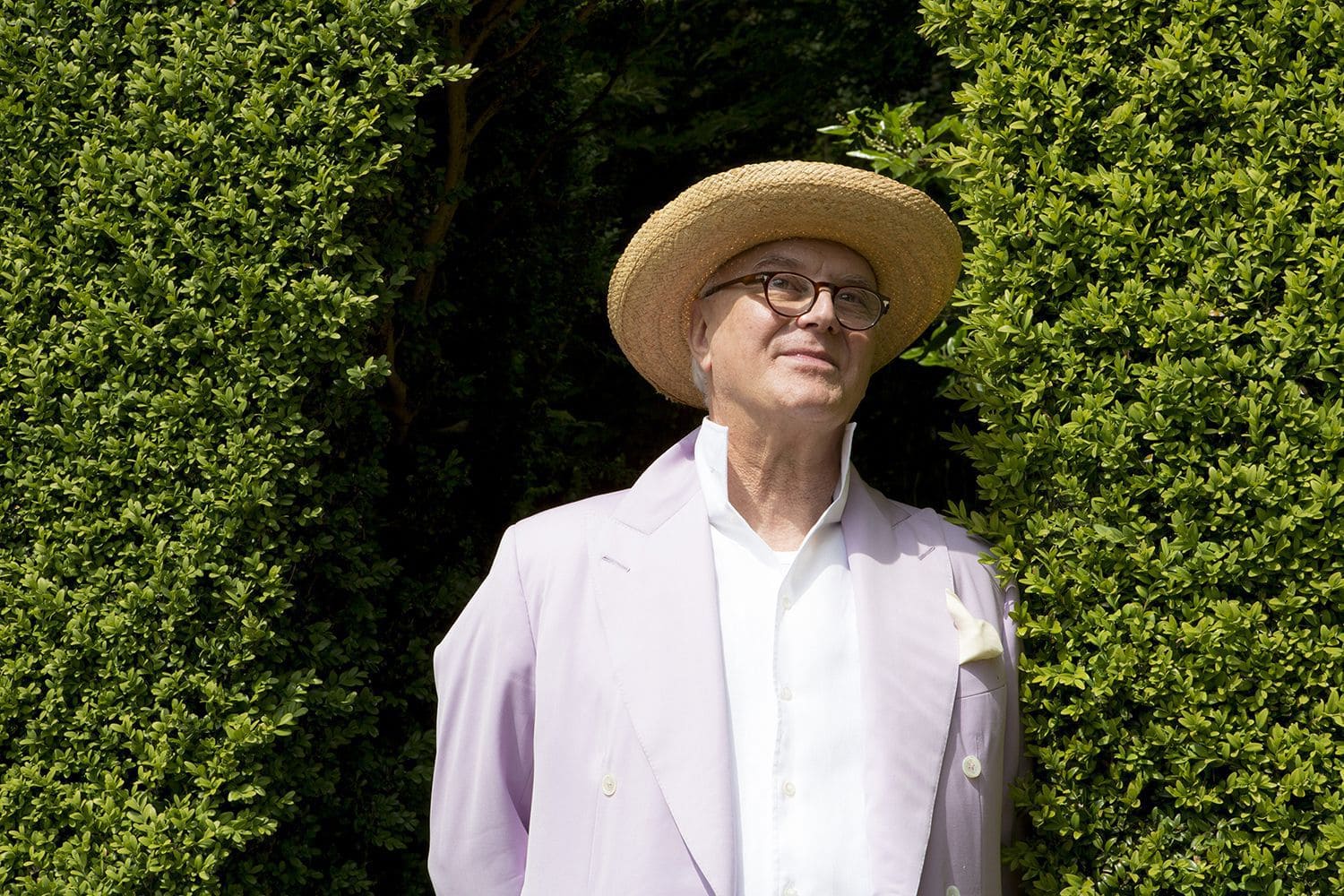
Michael Roberts’s film is an unabashed exercise in deifying its subject matter with superlatives and hyperbole.
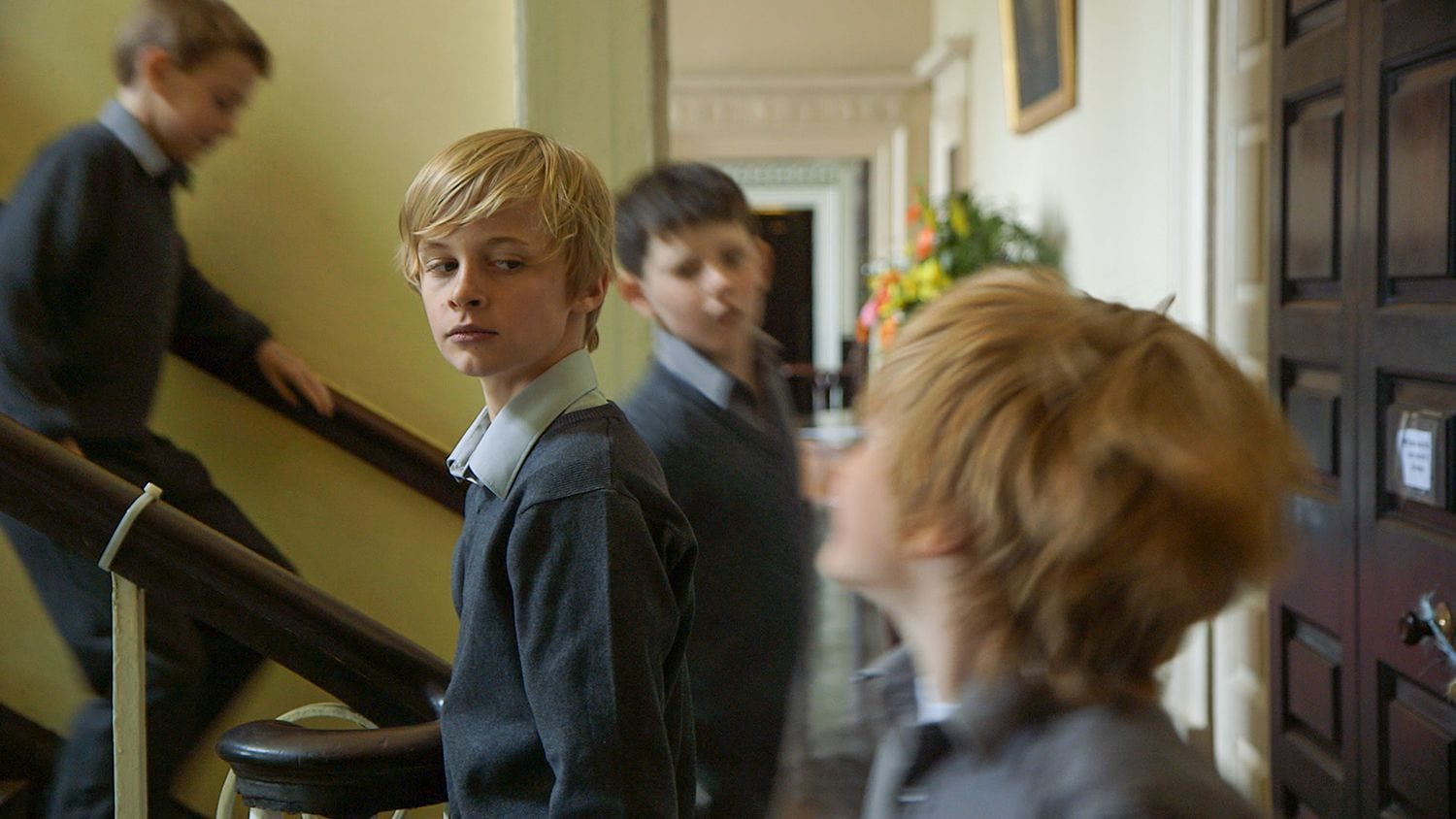
The film is unfortunately committed to keeping its subjects, especially Headfort’s students, at arm’s length.