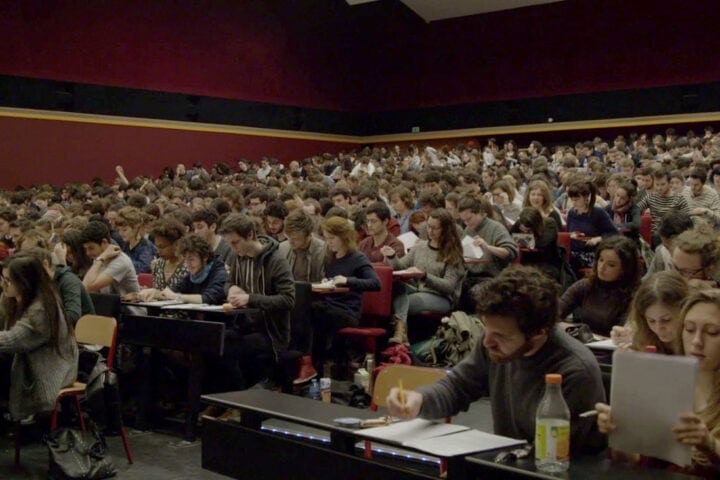
Claire Simon knows that the best way to capture the anxiousness of a moment is to leave it unembellished.


Diego Semerene is an assistant professor of queer and transgender media at the University of Amsterdam.
Claire Simon knows that the best way to capture the anxiousness of a moment is to leave it unembellished.
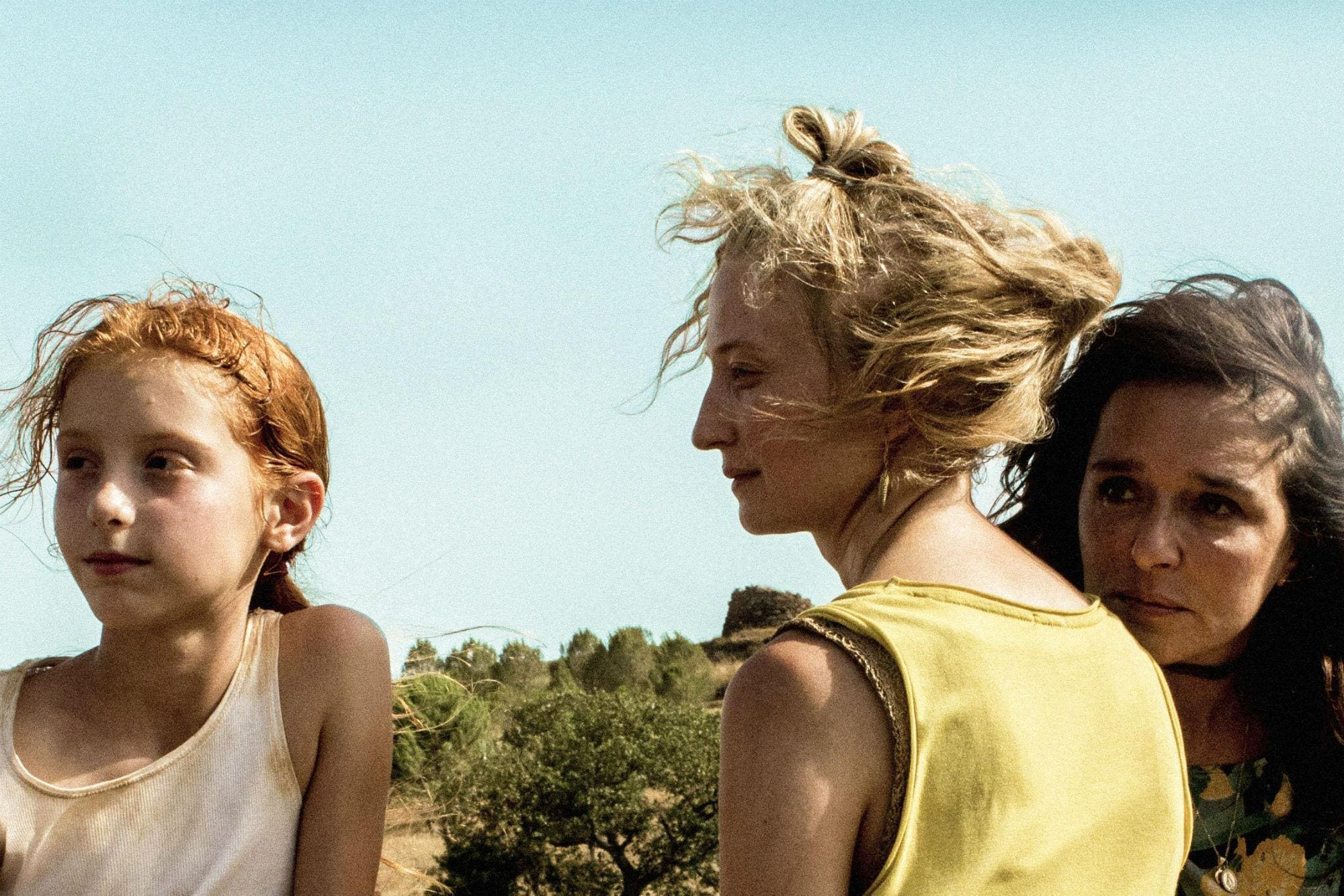
The film sidesteps all ambiguity, revealing everything about its characters straight away.
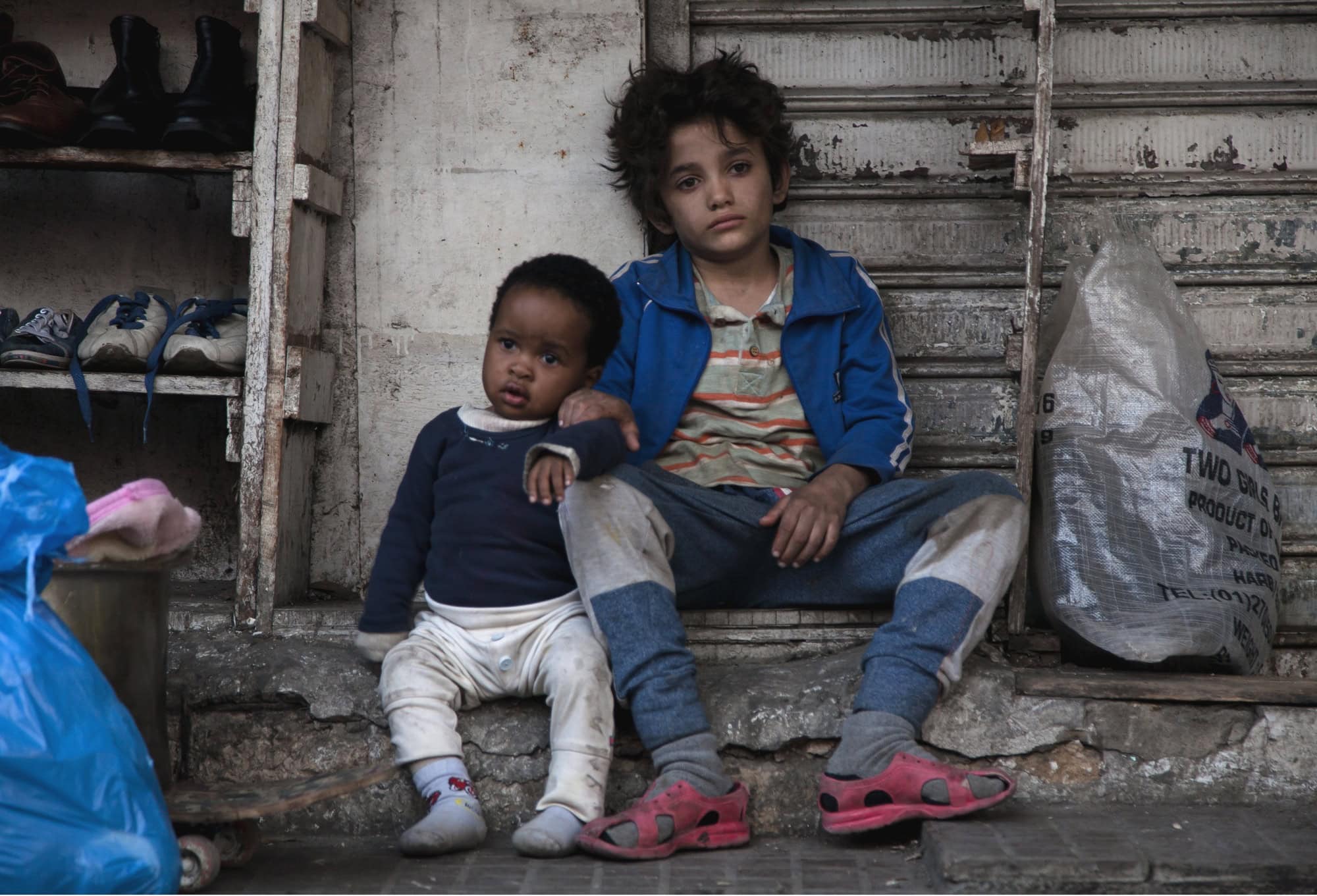
Zain Al Rafeea’s naturalness, however uncanny, only makes the film’s maneuverings seem all the more obvious.
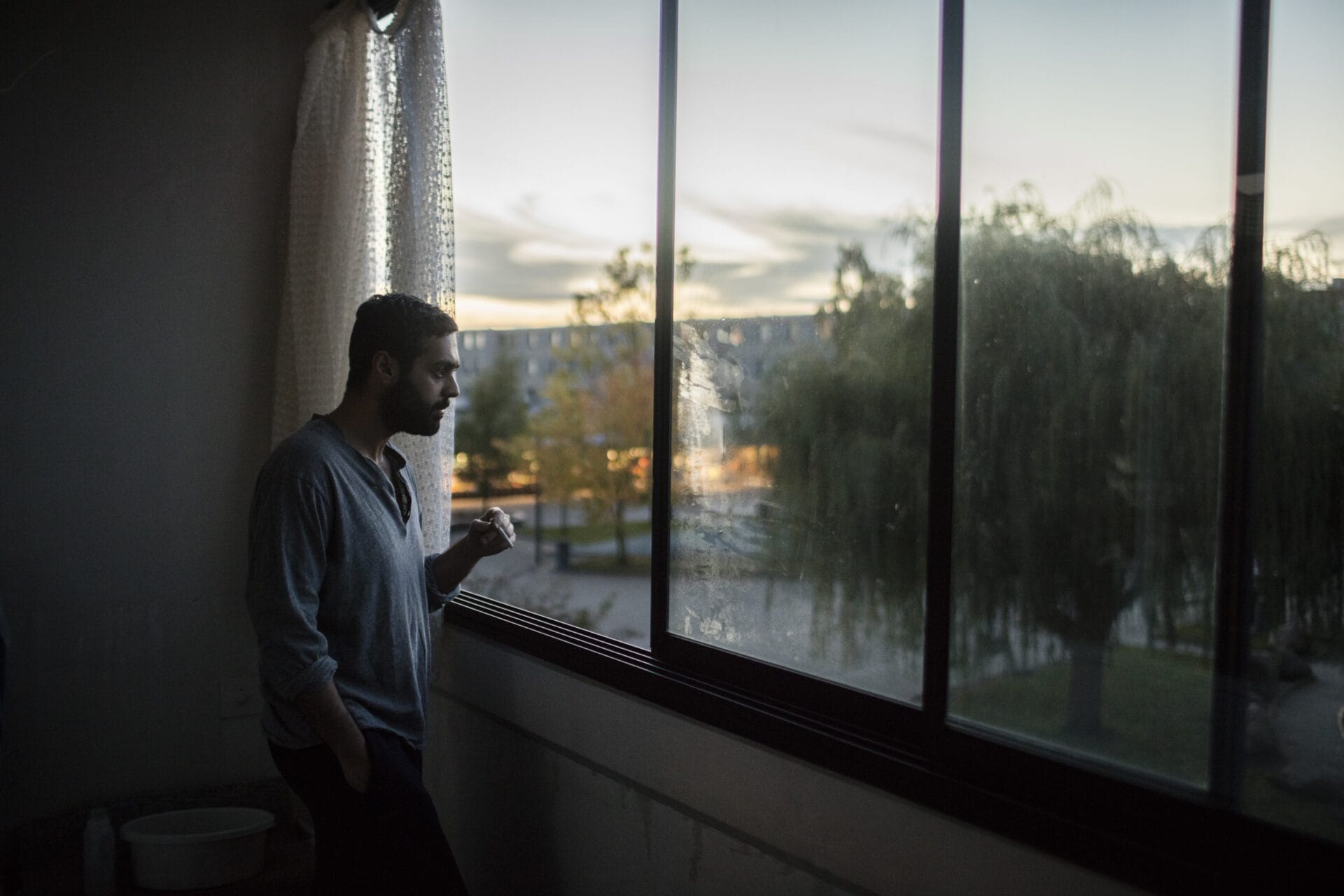
Director and co-writer Milad Alami’s film feels like several fused-together trial drafts of the same narrative.
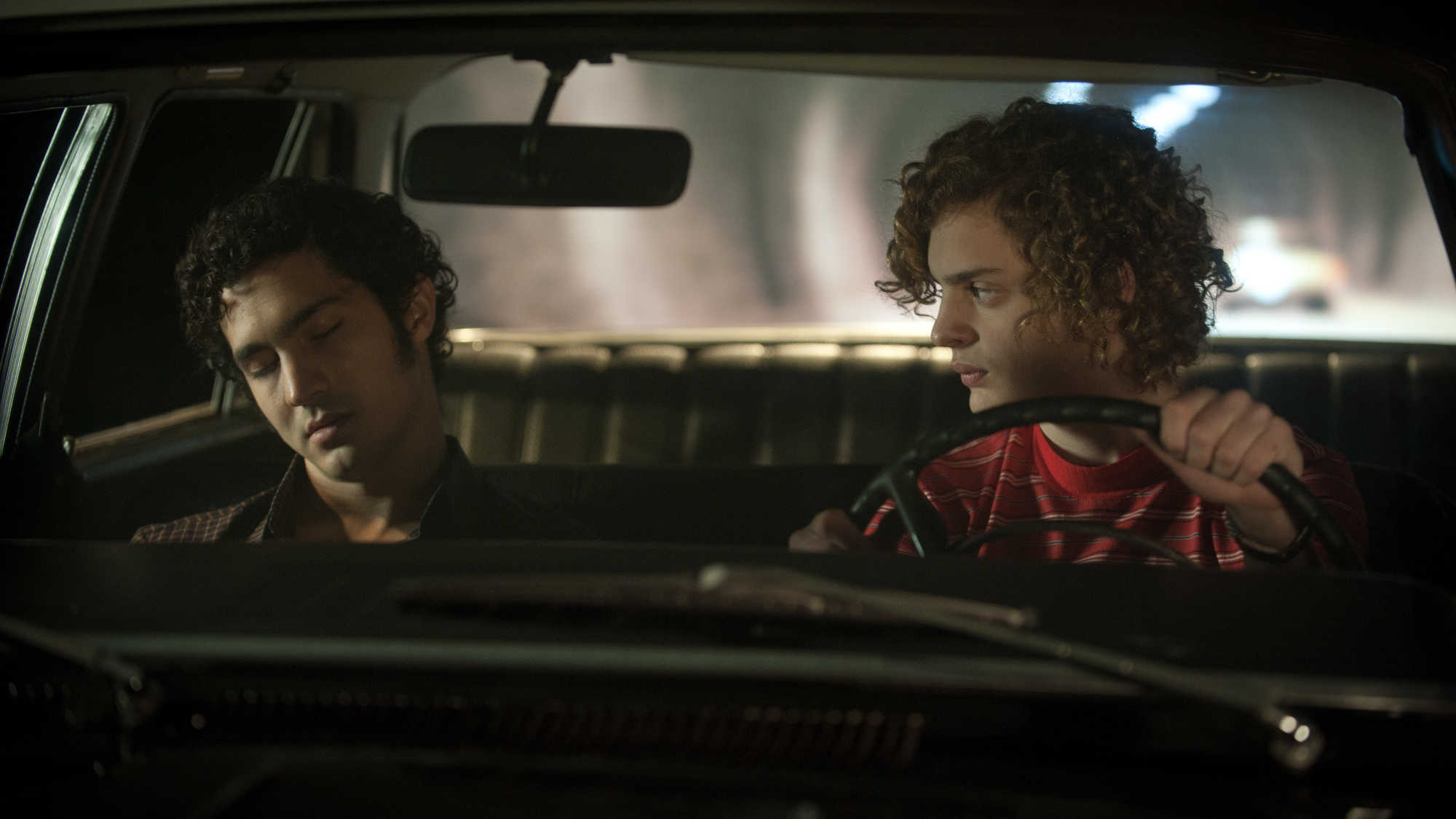
The film is an impressive aesthetic experiment, throughout which sexual desire is everywhere but never acted on.
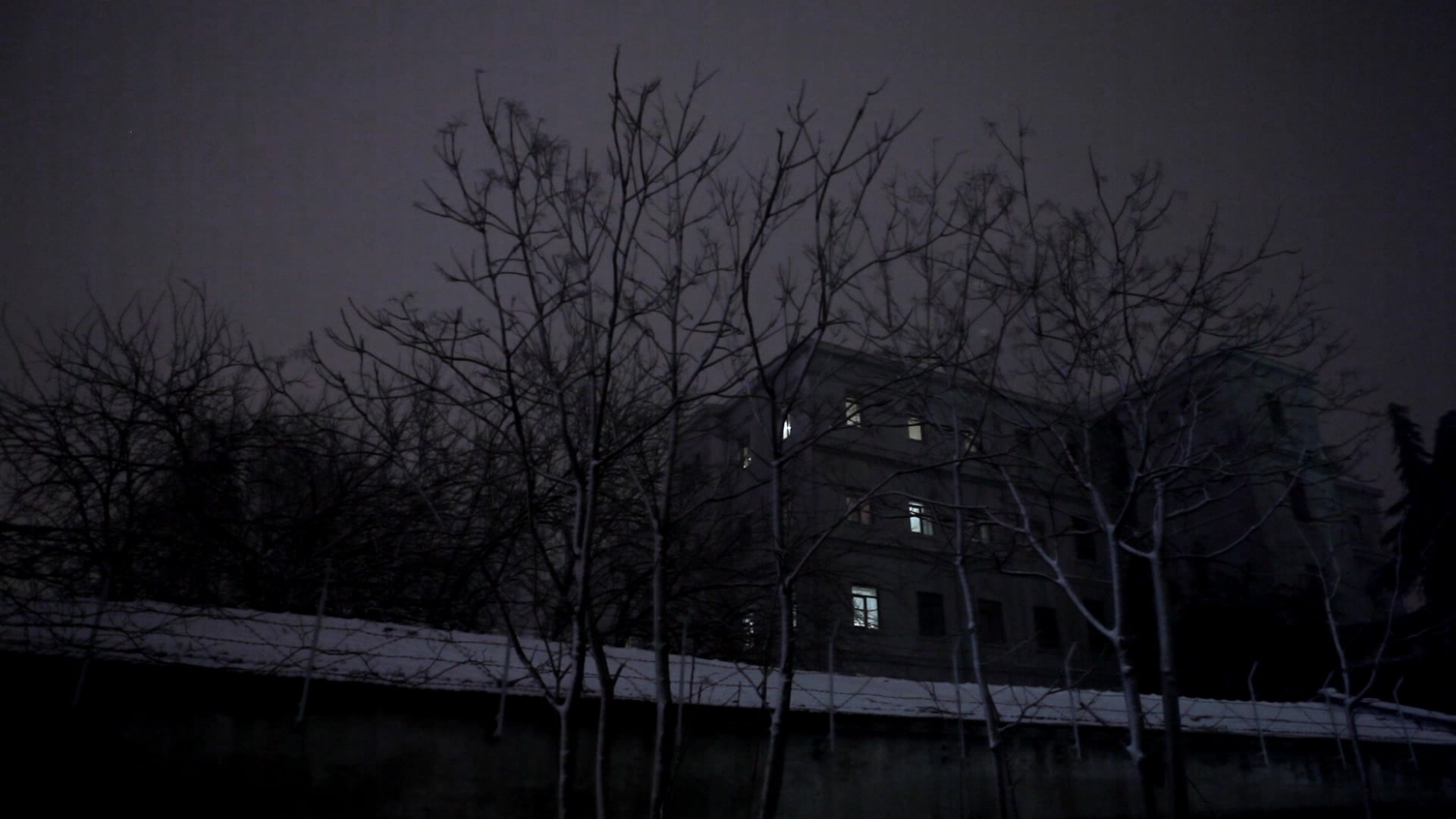
Shevaun Mizrahi’s documentary is a master class in the art of the portrait.
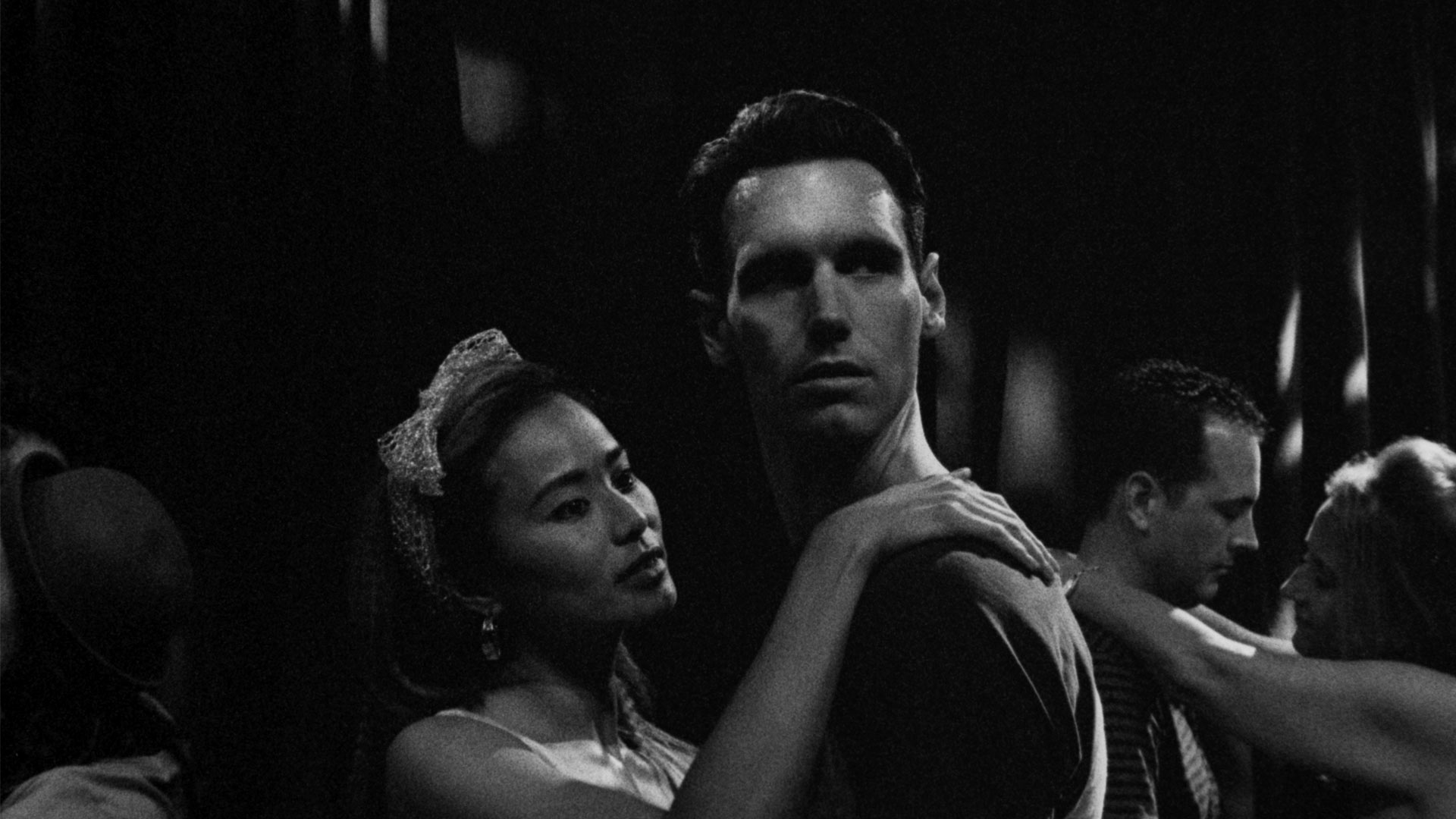
Adrian’s plight is too generic for his tears to count as something other than a sentimental ready-made.

Passion, along with the delicious disorder that so often accompanies it, is only allowed into the film toward the end.
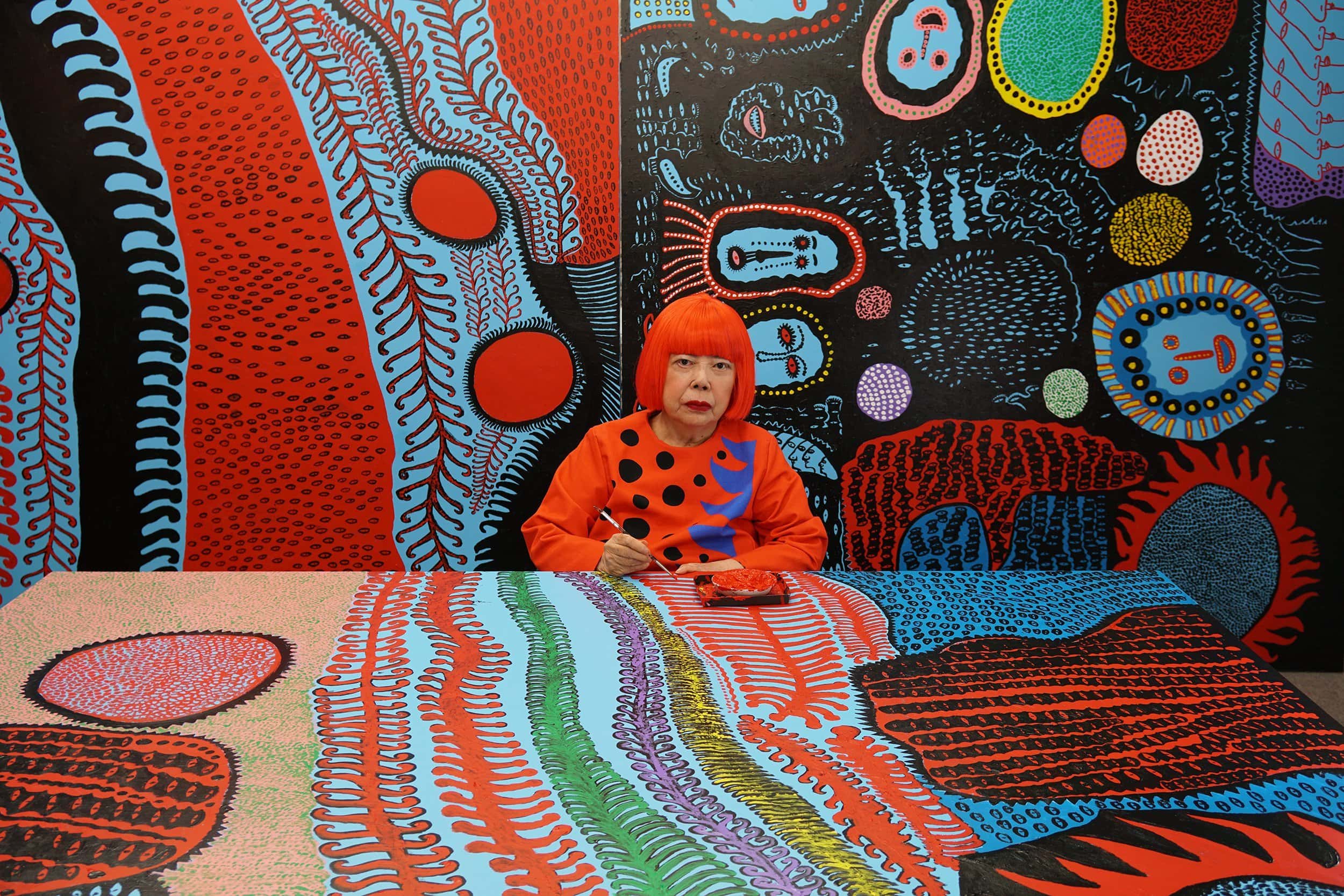
Its documentary approach is scarcely exuberant, but Yayoi Kusama’s resilience still commands our attention.

AIDS is everywhere in Christophe Honoré’s film, though not as a looming monster sneakily picking its next victim.
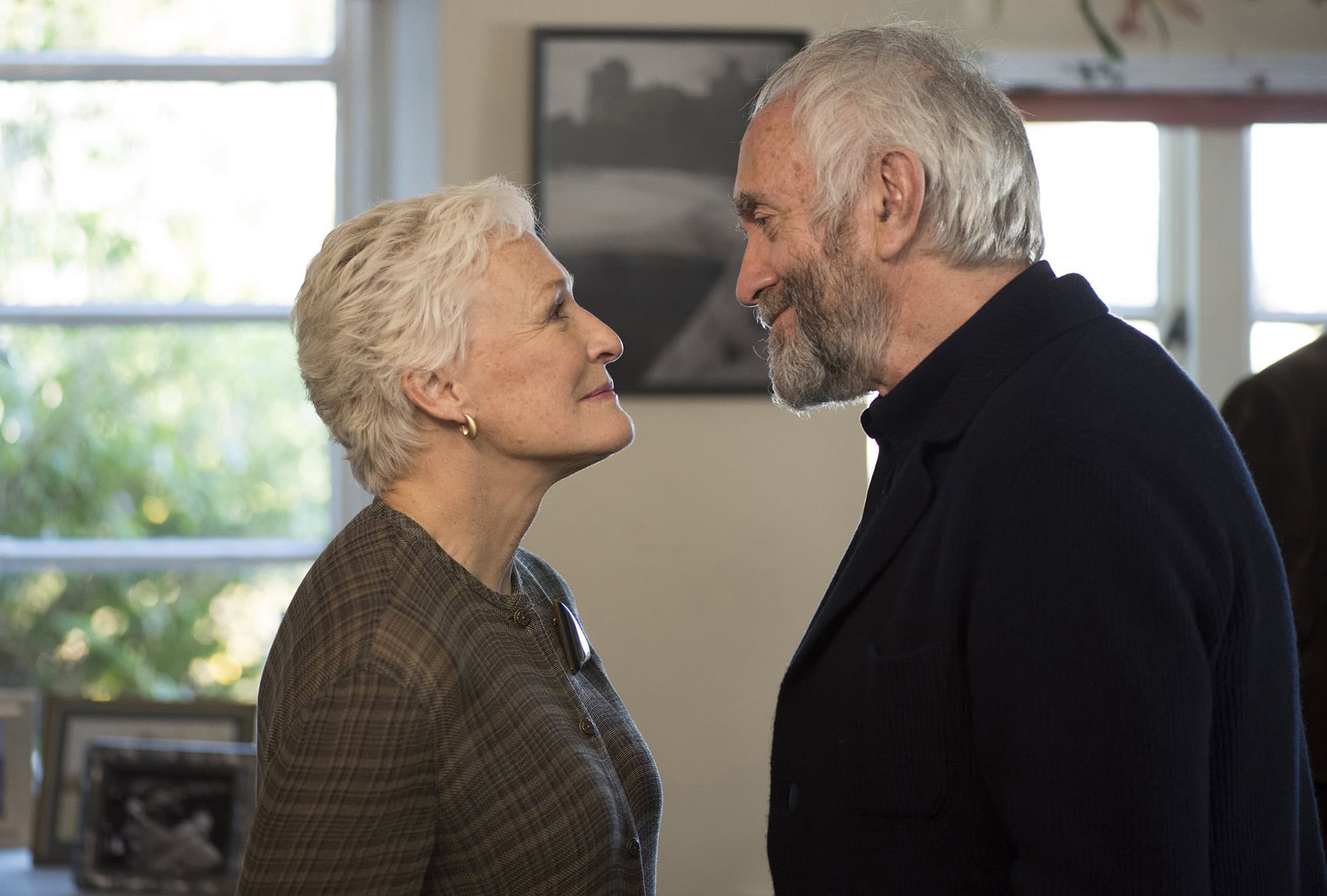
The Wife beats us over the head with a morality tale of women not standing a chance in the workplace.

The film’s refusal to produce a campy critique feels more like the product of lack of imagination than a purposeful repudiation.
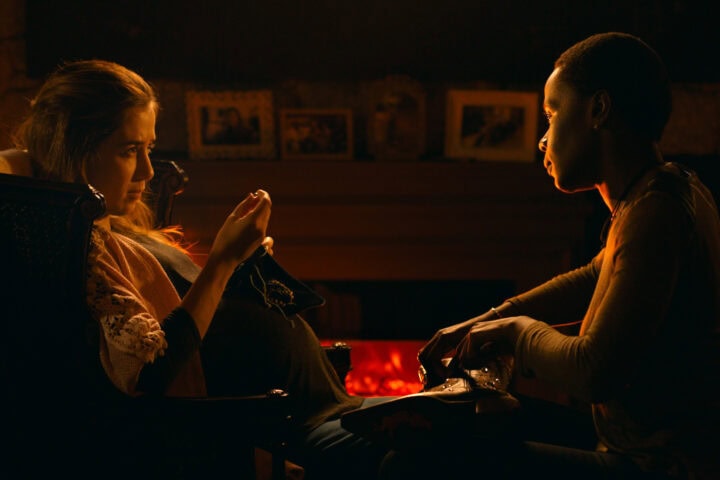
The film is a rebellion of surfaces that never quite reaches, or emanates from, the underpinning roots of its fable.

The very act of having kids and demanding perfect conformity from them is never questioned by the film.

It reveals that Alexander McQueen’s suicide was perhaps the all-too-predictable ending to a history of violence.
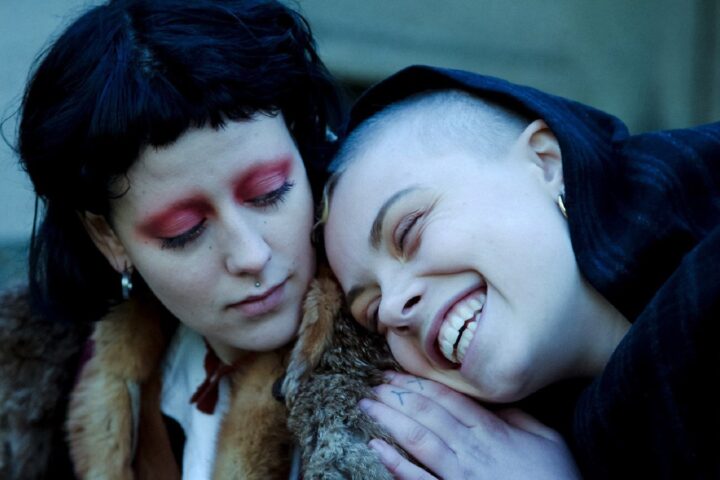
The old punk has put down the makeshift ethos of safety pins in favor of glossy couture and seamless tailoring.
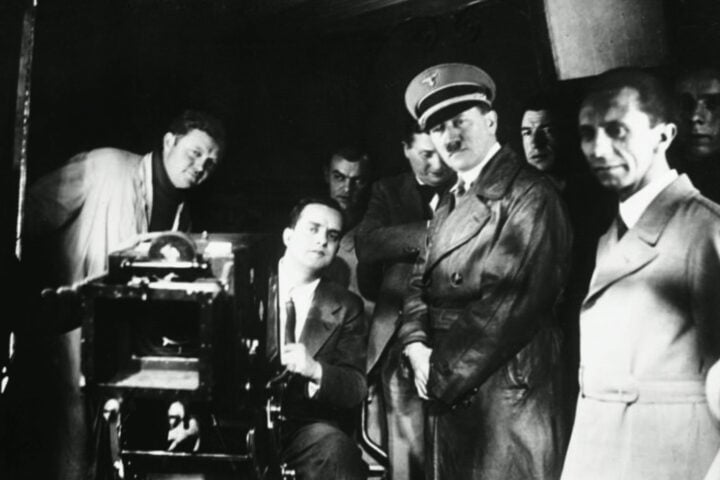
Rüdiger Suchsland’s film is a master class in the relationship between image production and ideology writ large.

Its cerebral approach works better during sequences that are less dependent on narrative and more essayistic in nature.

It works as a warning shot for those standing to lose their privilege were women actually allowed to write their own stories.
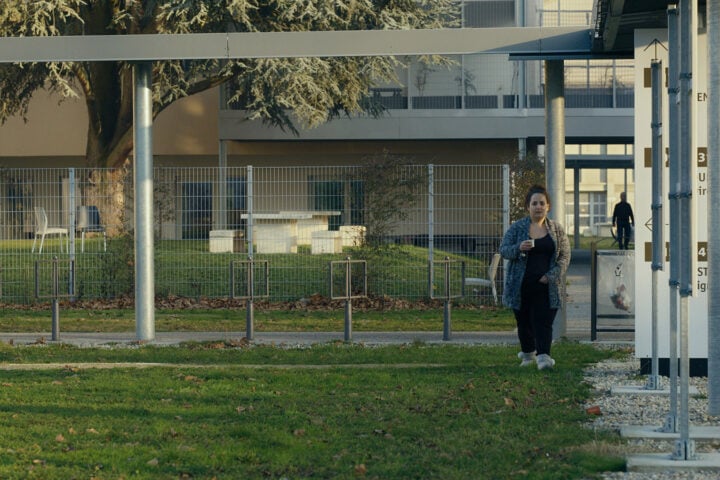
With a tender and respectful gaze, the documentary sheds light on the relationship between the French state and the mentally ill.