Desiree Akhavan’s tale of queer post-breakup funk shows more nuance, and racial dimension, than its cinematic cousins.



Diego Semerene is an assistant professor of queer and transgender media at the University of Amsterdam.
Desiree Akhavan’s tale of queer post-breakup funk shows more nuance, and racial dimension, than its cinematic cousins.
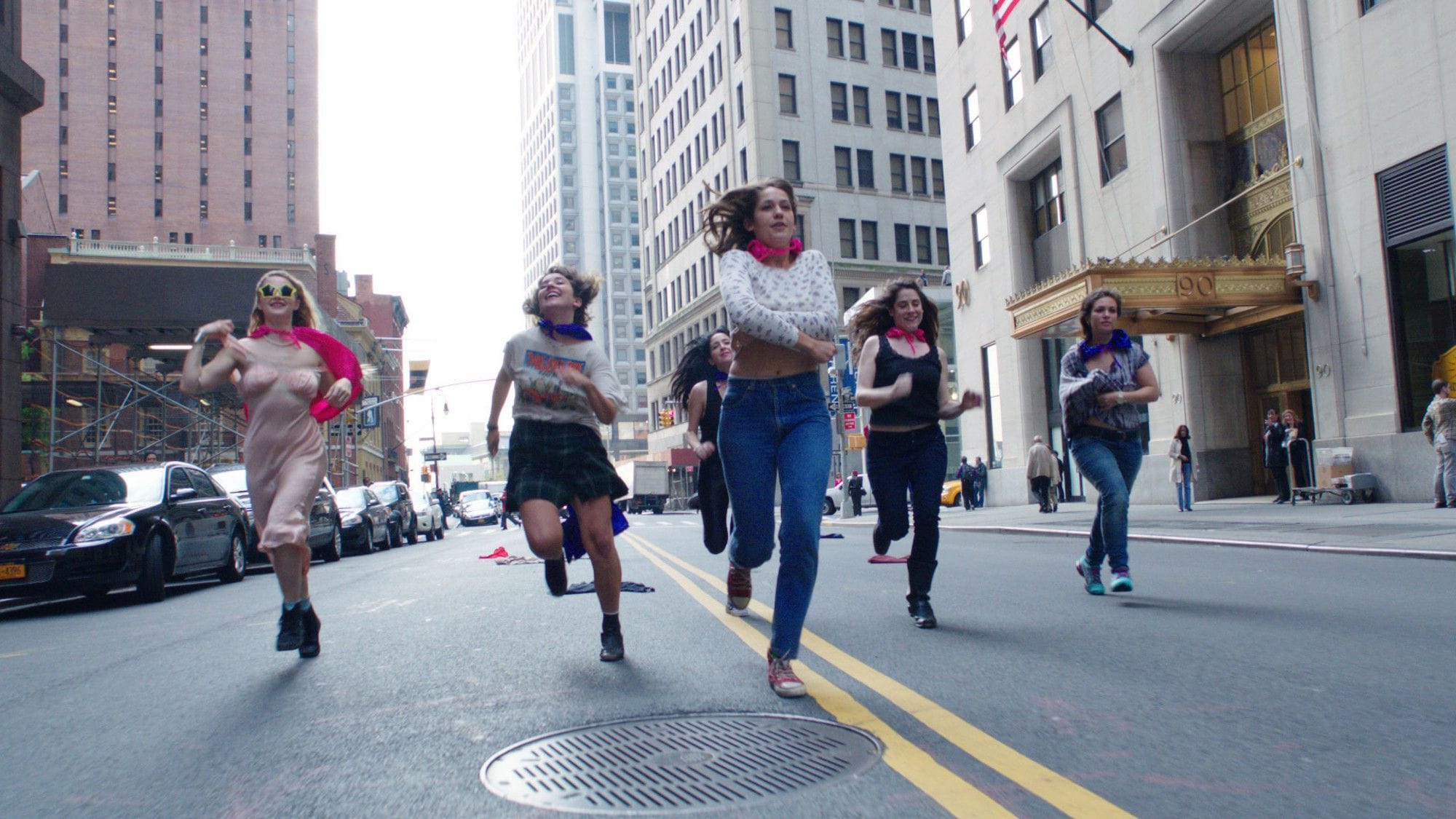
A completely lifeless, fictionalized attempt at shedding light on the real-life topless women’s movement of the film’s title.

The film is simply too conscious of its form and its global-market ambitions to ever feel honestly interested in the themes it purports to cherish.
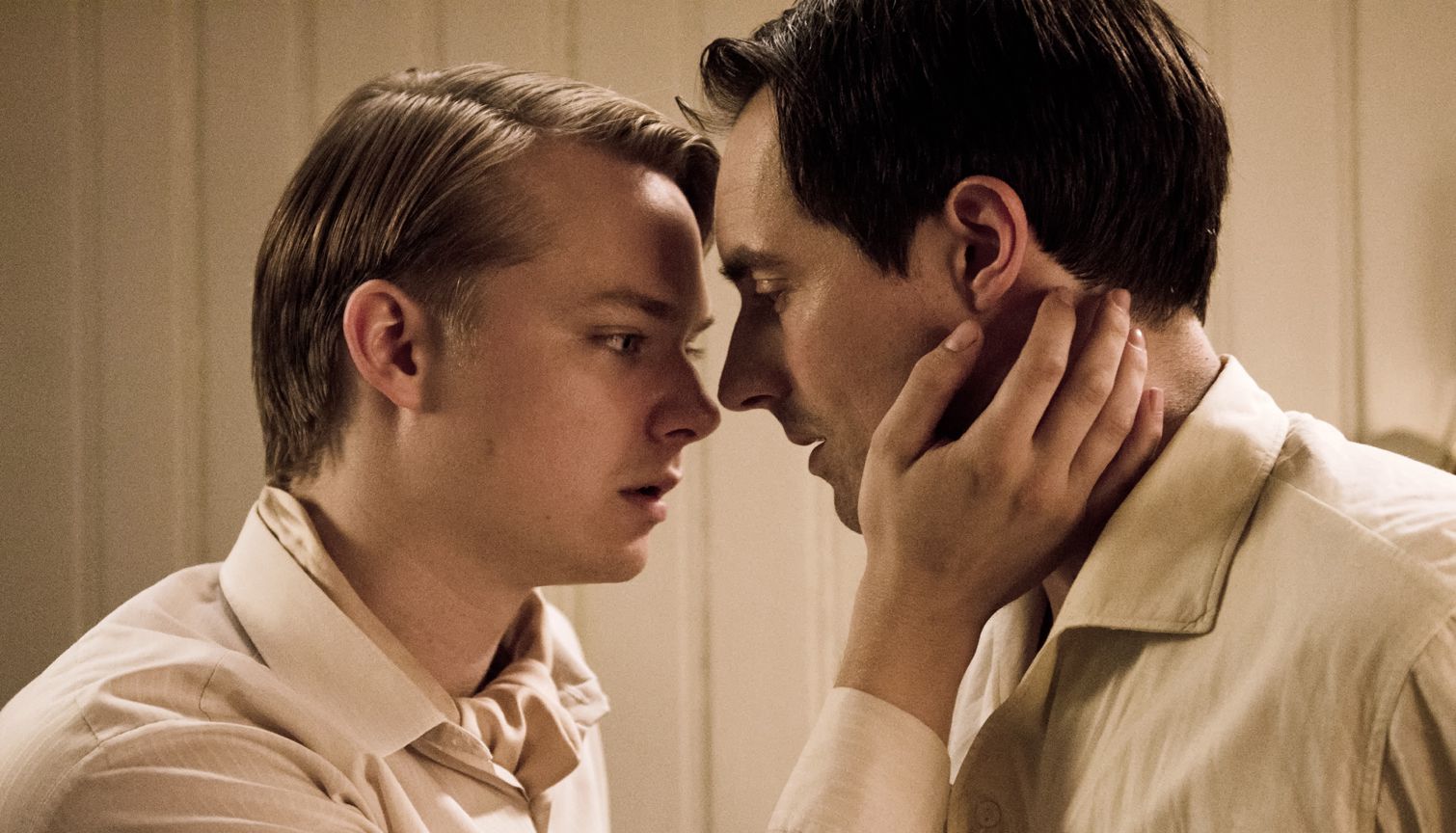
The film refuses to tease us with suspense, overwhelm us with sentimentality, or defy us with nuance.
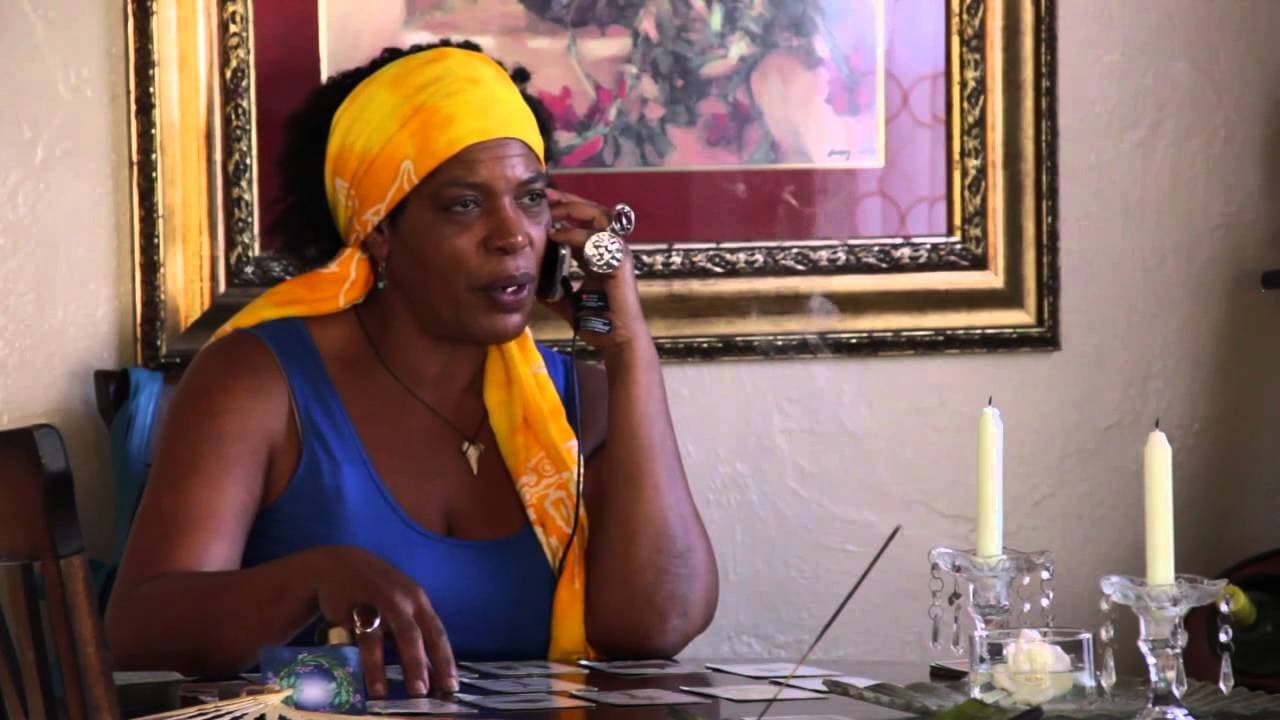
There’s something potentially erotic about nocturnal, and body-less, interaction with strangers even if the hotline isn’t overtly sexual in nature.

Sex(Ed) works well when it allows for the archival footage itself to tell its story.

It’s difficult to swallow the premise of yet another tale of a heroic white Westerner with good intentions trying to give hope to Middle-Eastern misery.

The drama over dinner comes in small analgesic portions, and the secrets feel canned and the dialogue is too pretty to be believable.

For its general ludic obsession with all things generally thought of as disgusting, David Wnendt’s film ]is stuck in the anal stage.
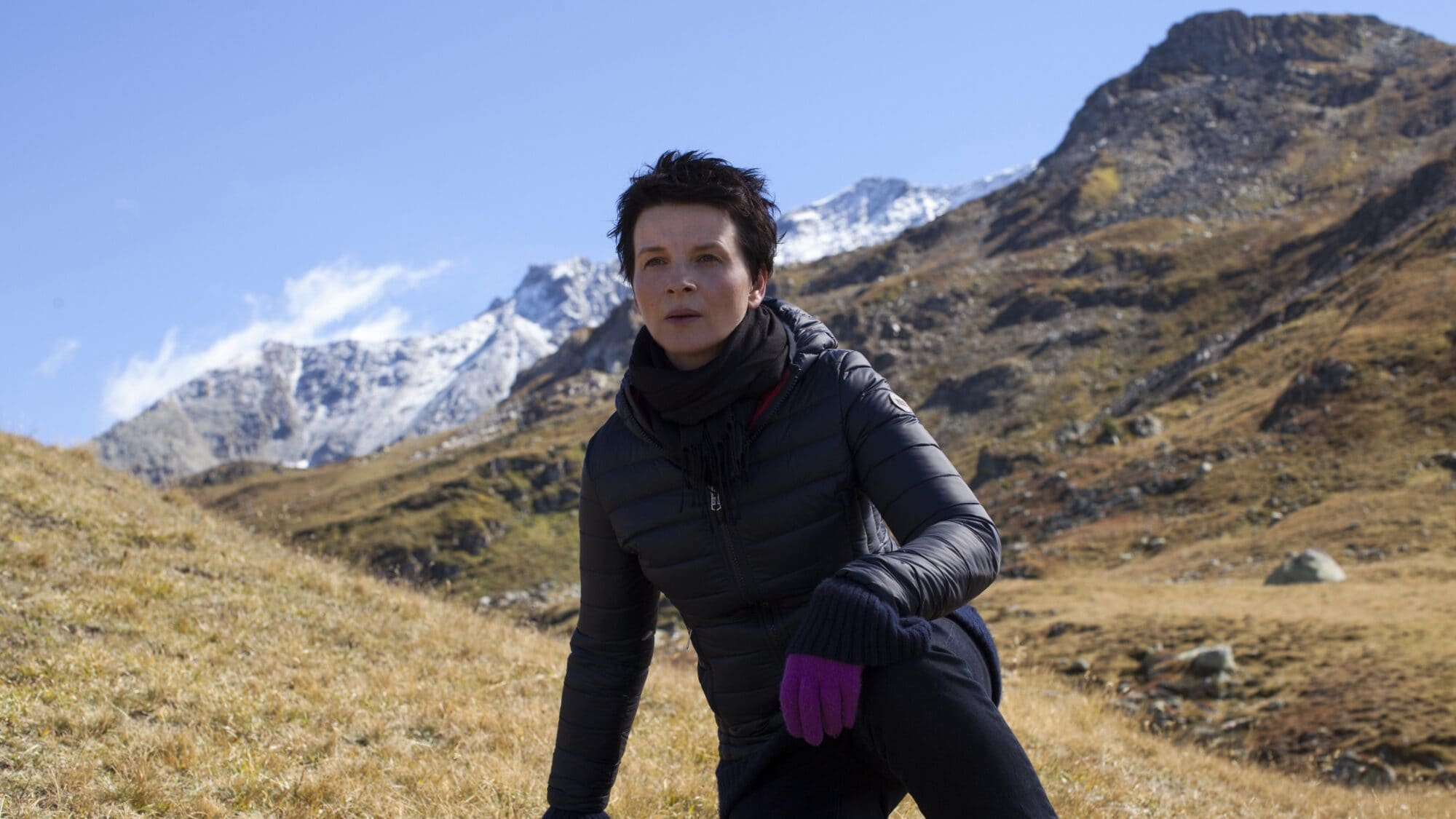
Juliette Binoche and Kristen Stewart’s co-inhabitance on the screen works so well because it’s a non-encounter.

If the film defies conventional form, it does so without the gravitas that conceptual cohesion brings, quickly rendering its experimentation into gratuitous aesthetic masturbation.
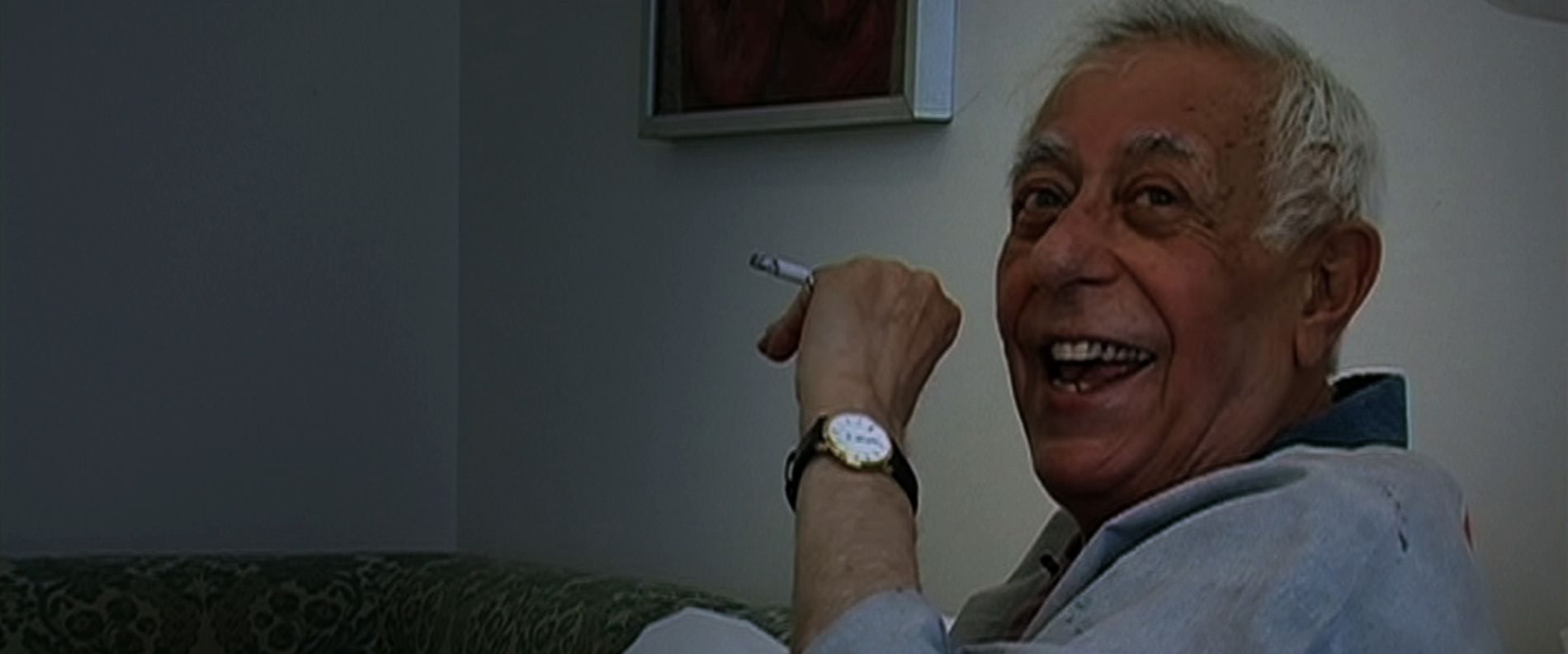
Mitra Farahani rescues the doc from becoming a talking-head fest by embracing her creative self as a character and exposing the travails of her own authorship process.

The film is a hybrid of a Lifetime movie focused on a “strong woman,” a run-of-the-mill murder mystery, and a yogurt commercial from hell.

A film about the invisible things passed down from generation to generation, that nasty inheritance that cages us into patterns and puzzles we try to solve in someone else’s name.

Mahdi Fleifel’s usage of a domestic archive of home-video images inherited from his father lends the doc a simultaneous sense of historical gravitas and intimacy.

Cruising for Alain Guiraudie seems to be the way of nature, a drive that doesn’t discriminate.

For a film so bent on naturalizing the presumably hilarious incongruity of “the sexes,” it sure features lots and lots of that site of horror: a naked male body.

It’s a quiet thud of a film, which embraces the nastiness of growing up with desire stuck in one’s throat like a muffled scream.

It botches itself out of its own epic ambitions, an aesthetic slickness that seems to contradict, if not betray, its subject matter, and a maddeningly subdued critical spirit.

Guilty of Romance is something of a feminist film with a message that’s both dystopic and invigorating.