Writer-director Alanté Kavaité’s film is a string of softly weaved pictorial metaphors steeped in reverie.



Diego Semerene is an assistant professor of queer and transgender media at the University of Amsterdam.
Writer-director Alanté Kavaité’s film is a string of softly weaved pictorial metaphors steeped in reverie.
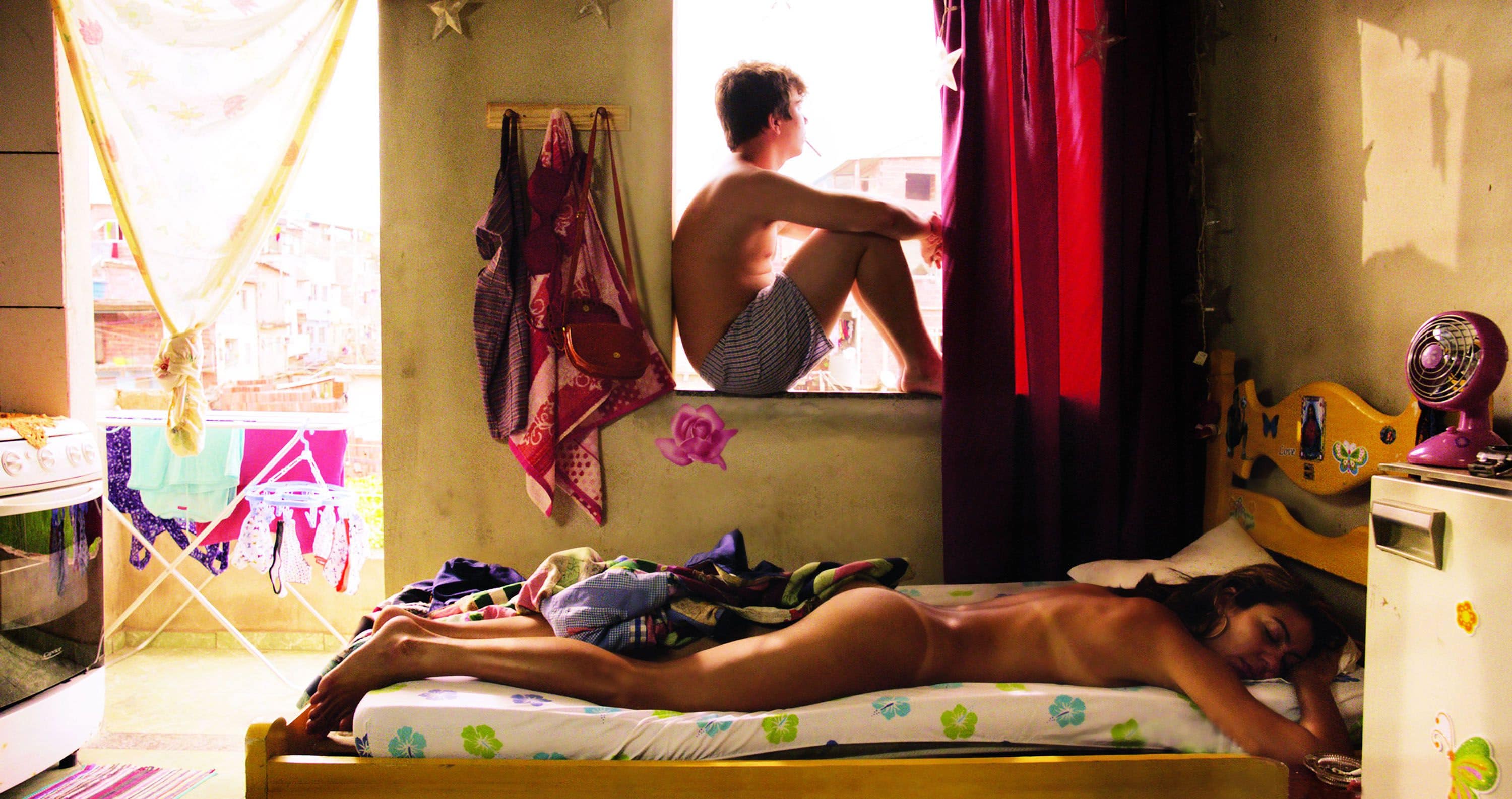
The film uses its critique of white privilege as a means to woo the legitimizing gaze of international audiences.

Cinema hasn’t been this close to the dusty cogs of desire’s machinery and unapologetic about pleasure since Pasolini.

The allegorical possibilities of a disintegrating wall point to a film that could have been.

It leaves room for a few flights of fancy where the lack of verisimilitude feels less like screenplay filler and more like unabashed poetic license.

Caetano Gotardo’s triptych of short tales features a sense of experimentation and poetic license mostly seen in European cinema.

Guidance’s unapologetic lack of political correctness never goes beyond a one-dimensional and tentative provocation.

The filmmakers aren’t really interested in the space between what these women say and what they mean.

The dialogue is so disaffected it’s as if humans were replicants even before going through the aforementioned twin-making procedure.

Writer-director Anders Morgenthaler’s film is practically an exercise in over-explication.

The film dabbles in the French romantic-comedy tradition and simultaneously spoofs it, committing to neither.

Bennett embodies slackness as an affectation, not a raw response to a culture of authenticity-killing productivity.

It chooses the delicateness of a fable instead of the narrative recklessness we’ve come to expect from Bruce La Bruce.
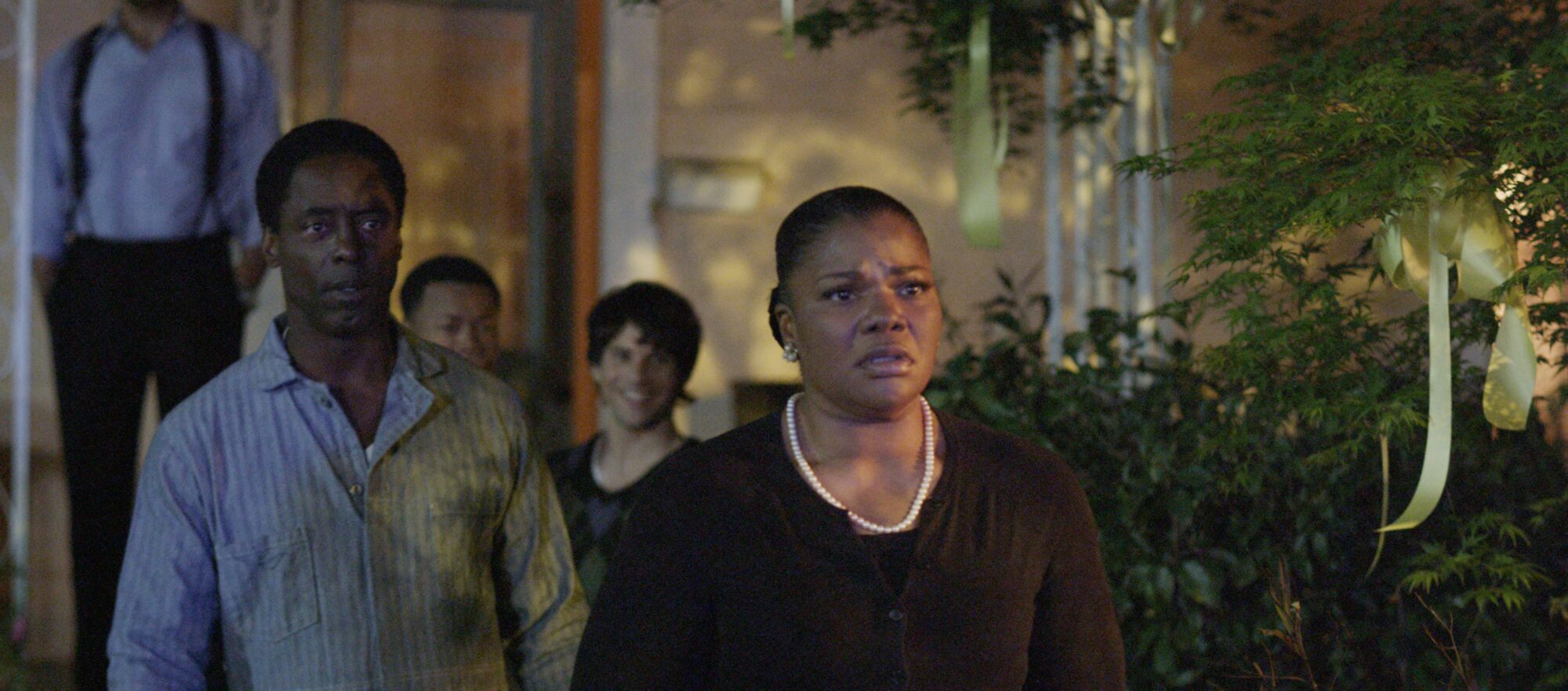
The film is, like its main character, too naïve to understand or, at least, to deploy the reparative powers of camp.

It paints a portrait of heterosexual gender relations as an always-volatile symbiosis between feminine hysteria and ruthless machismo.

It exploits the military aesthetics that lend themselves so well to breathtaking sounds and visuals without fetishizing them.

The denouement is at once shocking and organic because it echoes a well-paced but nasty children’s fable.

High Society feels more genuine when it approaches the ethos of François Ozon’s underrated Young and Beautiful.

It suggests that a disease isn’t a product of one single person’s body, but the eruption of an entire family history of unarticulated desire.

The Salvation Army director discusses rendering cinematic homosexual acts public, Egyptian soap operas, and more.