Driven by a no-nonsense ethos, the film avoids sentimentality the same way its main character avoids sentiment.
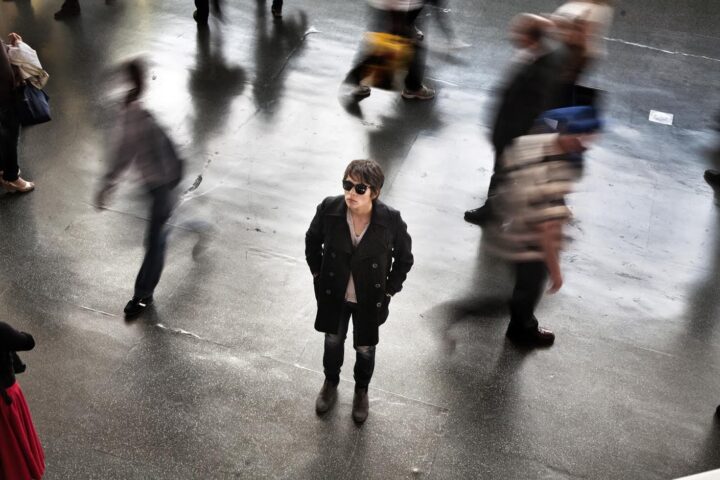


Diego Semerene is an assistant professor of queer and transgender media at the University of Amsterdam.
Driven by a no-nonsense ethos, the film avoids sentimentality the same way its main character avoids sentiment.
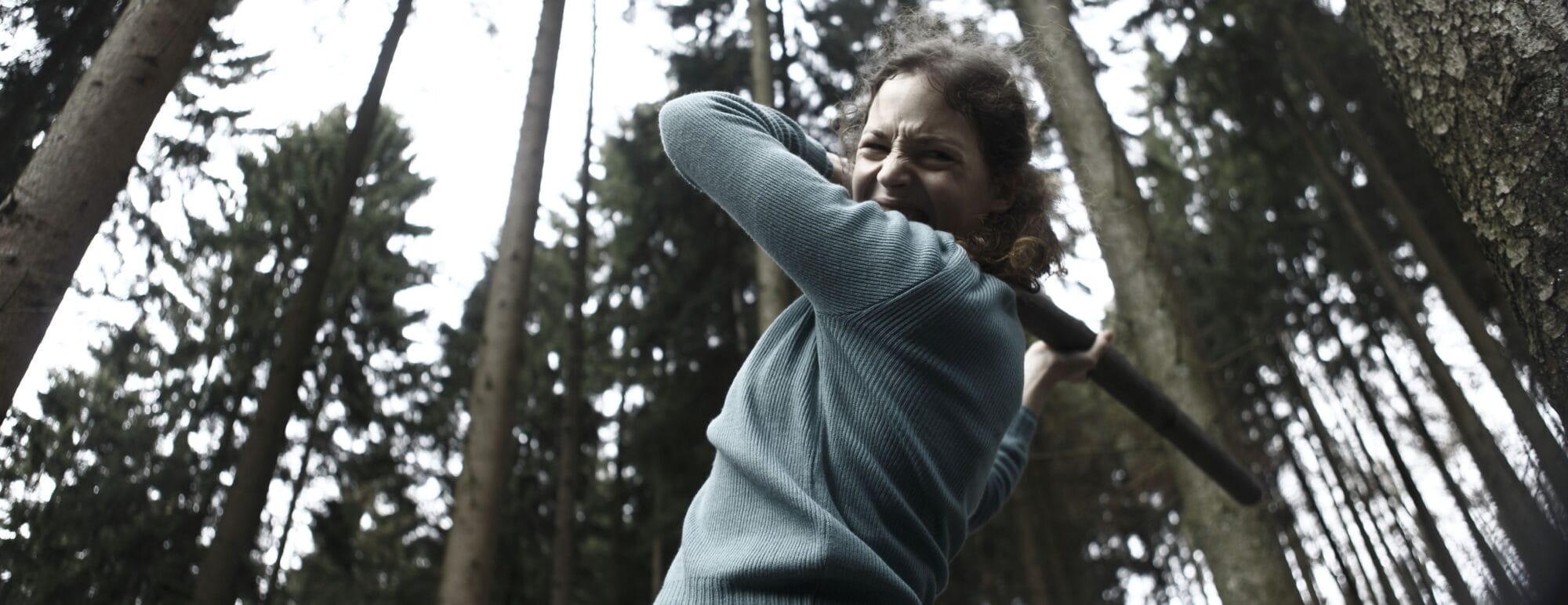
The film’s educational impetus is to announce to the world that even picture-perfect Norwegians continue to pay a heavy price for the horrors of WWII.

Whatever predictable plot the film tries to unfold never lives up to the excitement of its conceptual gimmick.

The film never explores the depths and nuances that could actually place Jobriath in conversation with figures who came after him.

Gastón Solnicki’s mapping out of his family’s narrative from within never feels exploitative or self-absorbed.

Shana Betz’s too-insistent refusal to commit to the melodramatic or to the suspenseful only makes the film seem like empty dramatization.

In Joe Swanberg’s disaffected little film, the drama is never explicit, or even fully conscious.

The documentary not only humanizes Ingmar Bergman as the absent lover-cum-father of everyday life, but works as a priceless oral history of cinema.

Sergio Castellitto’s film quickly turns out to be more interested in reveling in the secrets of its storyline than in its sentiments.

Bruno Barreto’s insistence that this pass for a product that Hollywood might have spawned smoothens a journey built on sharp edges.
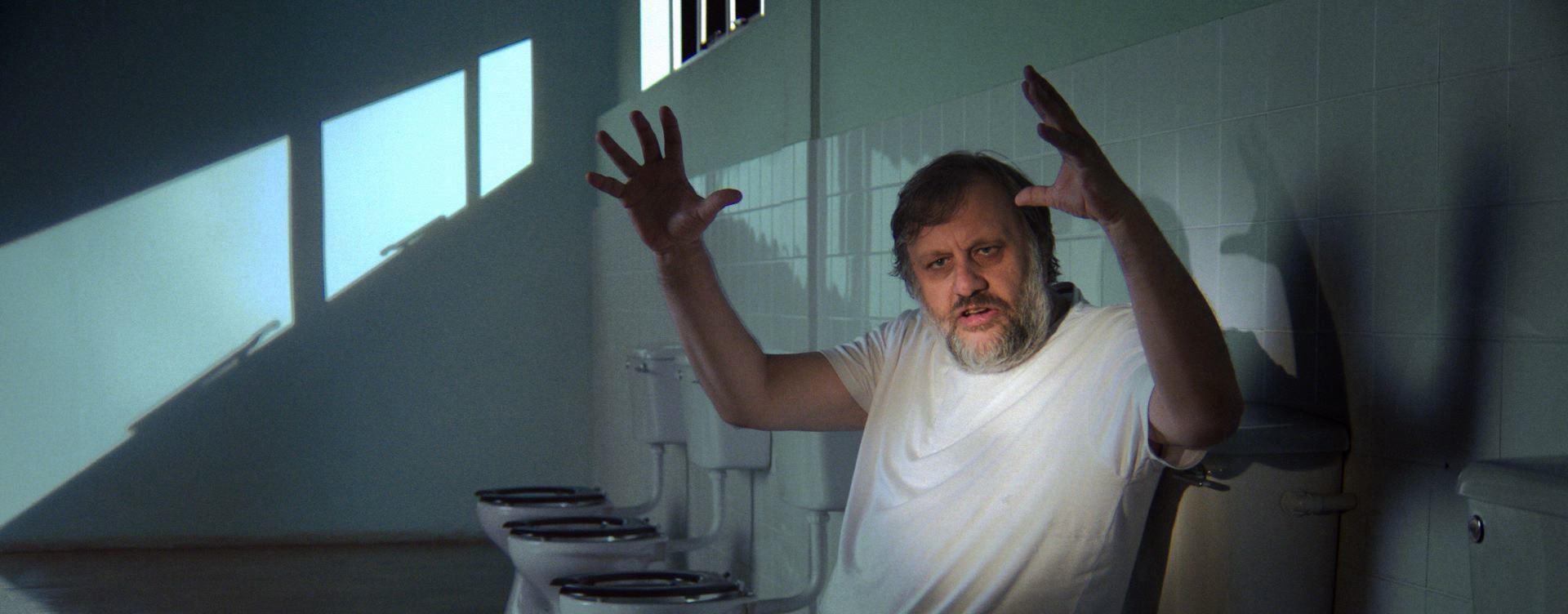
Slavoj Žižek manages to explain some of Lacanian psychoanalysis’s most inscrutable notions with disarming clarity and infectious urgency.

Juliette Binoche’s face, as we know, can tell a million stories in a simple and brief rearrangement of her facial muscles.

Filmmaker Juan Manuel Echavarría’s hands-off approach hinders us from mocking the believers’ naïveté.

It’s the moments when the performances bring plot and character motivation into being that makes the film an authentic project.

Instead of looking for depth or verisimilar romance, director Michael Mayer turns his characters into mere cogs in a pseudo-suspenseful thriller.
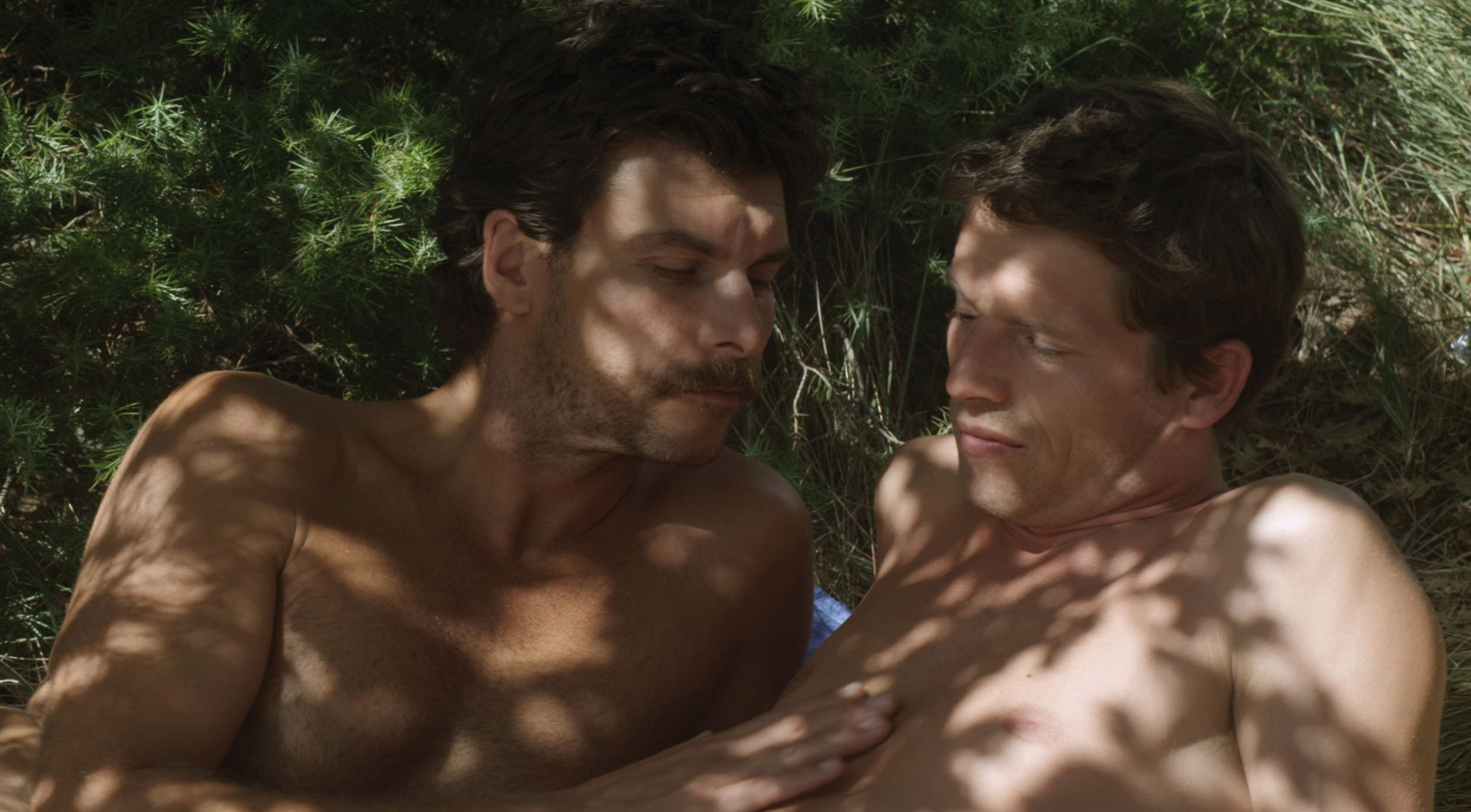
Alain Guiraudie’s film portrays cruising as a danger-seeking and astoundingly repetitive affair, intimately linked to death itself.

It’s to Carine Roitfeld’s own credit and director’s funky and frenetic pacing that the doc feels neither like a corporate hagiography nor like mere fashionista masturbation material.

It produces a collection of one-dimensional facts strung together with an utmost respect for chronology and documentary-making’s most stale conventions.

The film exudes a wonderful sense of originality, a daring and organic playfulness rarely found in American indie cinema.

A shallow film that leaves us knowing exactly what we’re seeing, and able to predict what the characters will say to each other in the mostly uninspired and overtly familiar dialogue.