It ever so subtly zeros in on the extreme particularities of a remote place to find something universal, or at the very least easily comprehensible about despair.



Diego Semerene is an assistant professor of queer and transgender media at the University of Amsterdam.
It ever so subtly zeros in on the extreme particularities of a remote place to find something universal, or at the very least easily comprehensible about despair.

The film only feels interesting when it focuses on looking at what the characters aren’t doing and listening to what they aren’t saying.
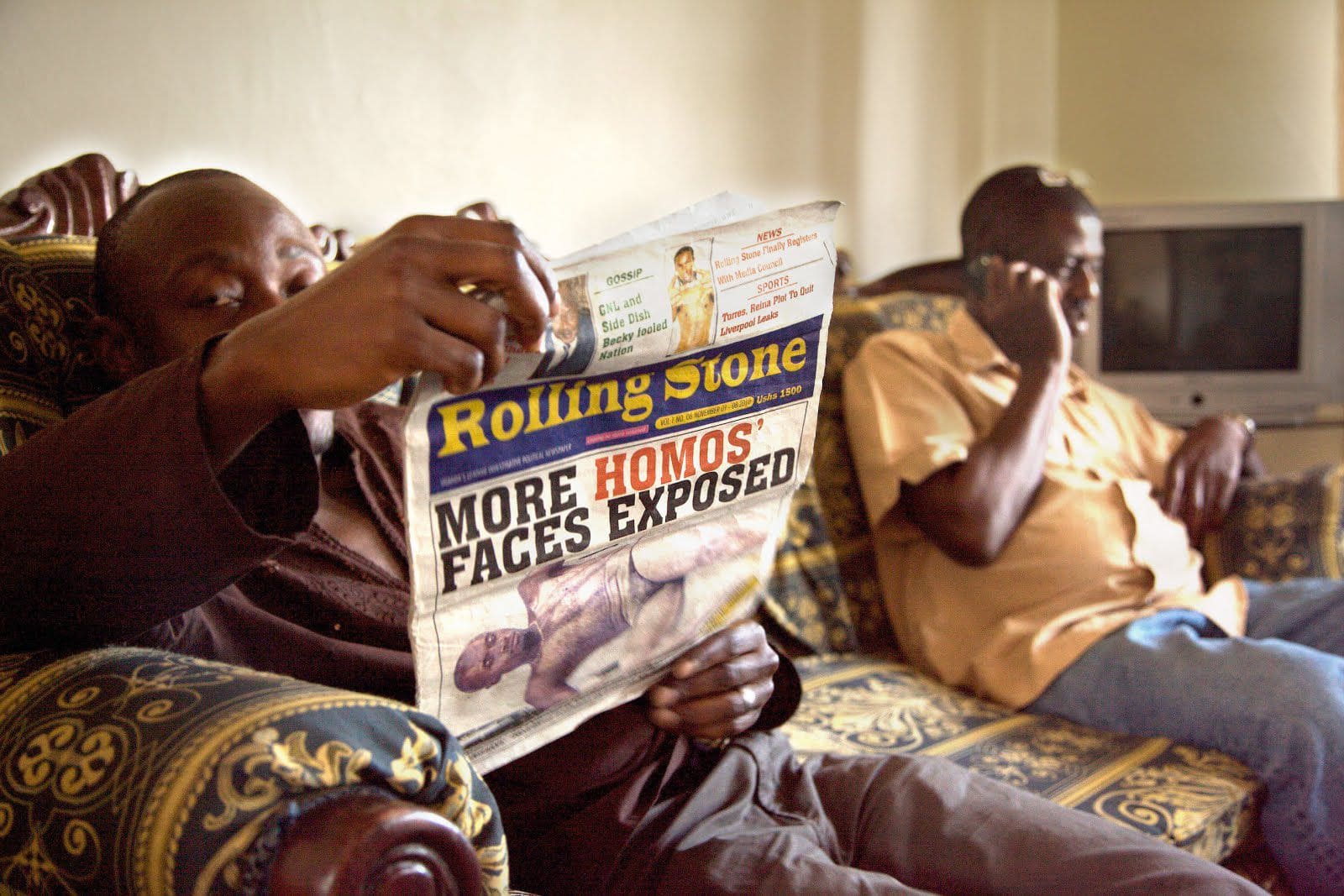
The documentary provides welcome context for the semi-hysteria that recently took over the U.S. media in regard to Uganda’s “Kill the Gays” bill.
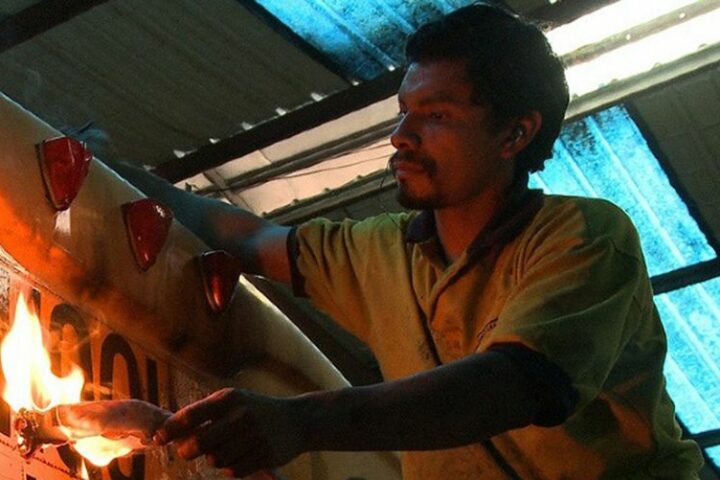
The documentary is committed not to some pseudo-factual documentary tradition, but to a more engaging realist poesis.
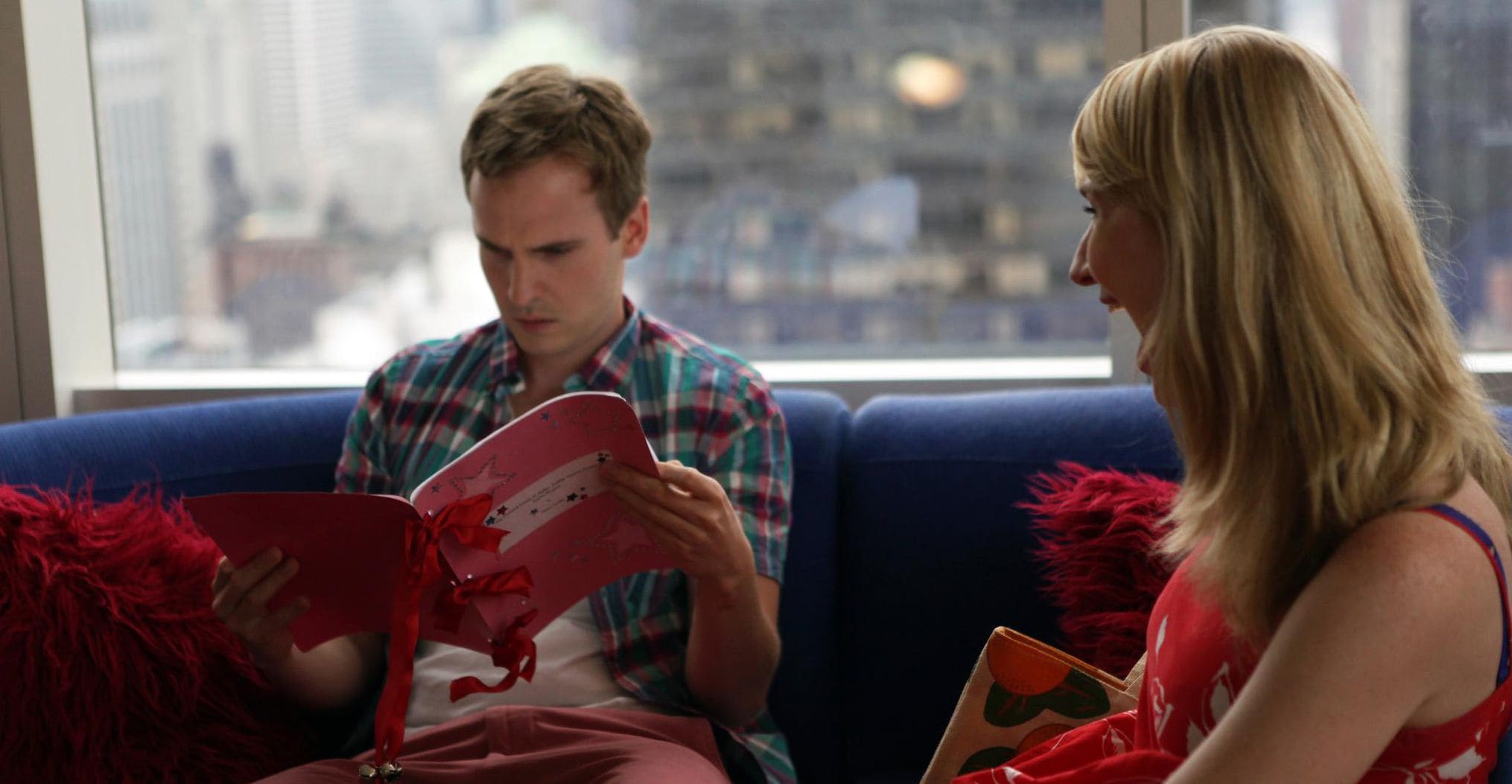
It would have been nice if the film had surrendered to its lunacy more blatantly, more carelessly.

Tammy Caplan and Joe Tyler Gold’s film gives off the alienating feel of an inside joke that you miss in the off chance you’re not part of the professional magic business.

In Andrew Garrison’s film, choreographer Allison Orr turns garbage collectors and their trucks into modern-dance performers.
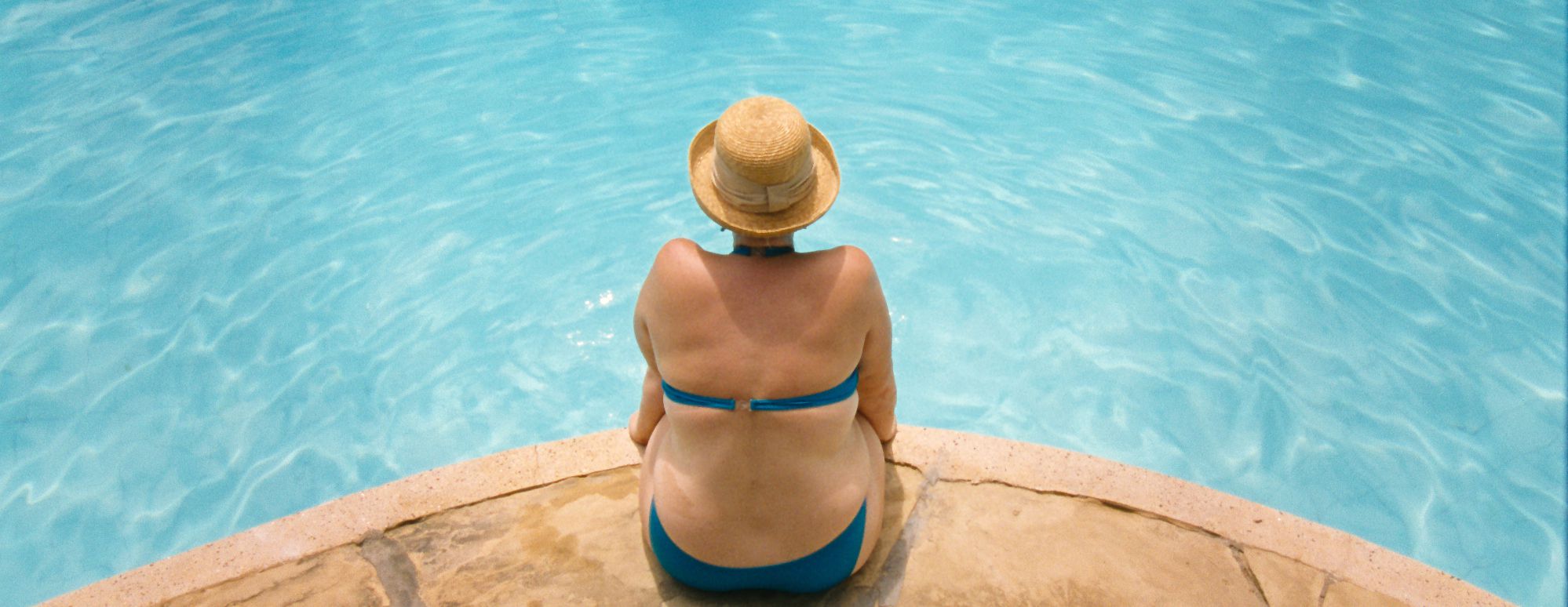
It often seems more intent on spelling out its awareness of the politics involved than in lingering on the aching human engaged in the libidinal transactions.

The film’s initial glimmer of Fassbinder-esque expression quickly veers toward Xavier Dolan-grade affectation.

Suffers from an overtly conventional way of depicting the life events of an anything-but-conventional woman.

The film’s moral lesson is too contradictory to be taken seriously.

A raw, sophisticated, and stomach-turning look at what it means to be a young woman in Serbia, what it means to be a woman tout court.

Downeast is a cogent documentary about the perverse impossibility of the American dream.

This dull piece of Orientalist rubbish stars Antonio Banderas in Arab-face and with an evil-man voice so cartoonish it sounds dubbed.
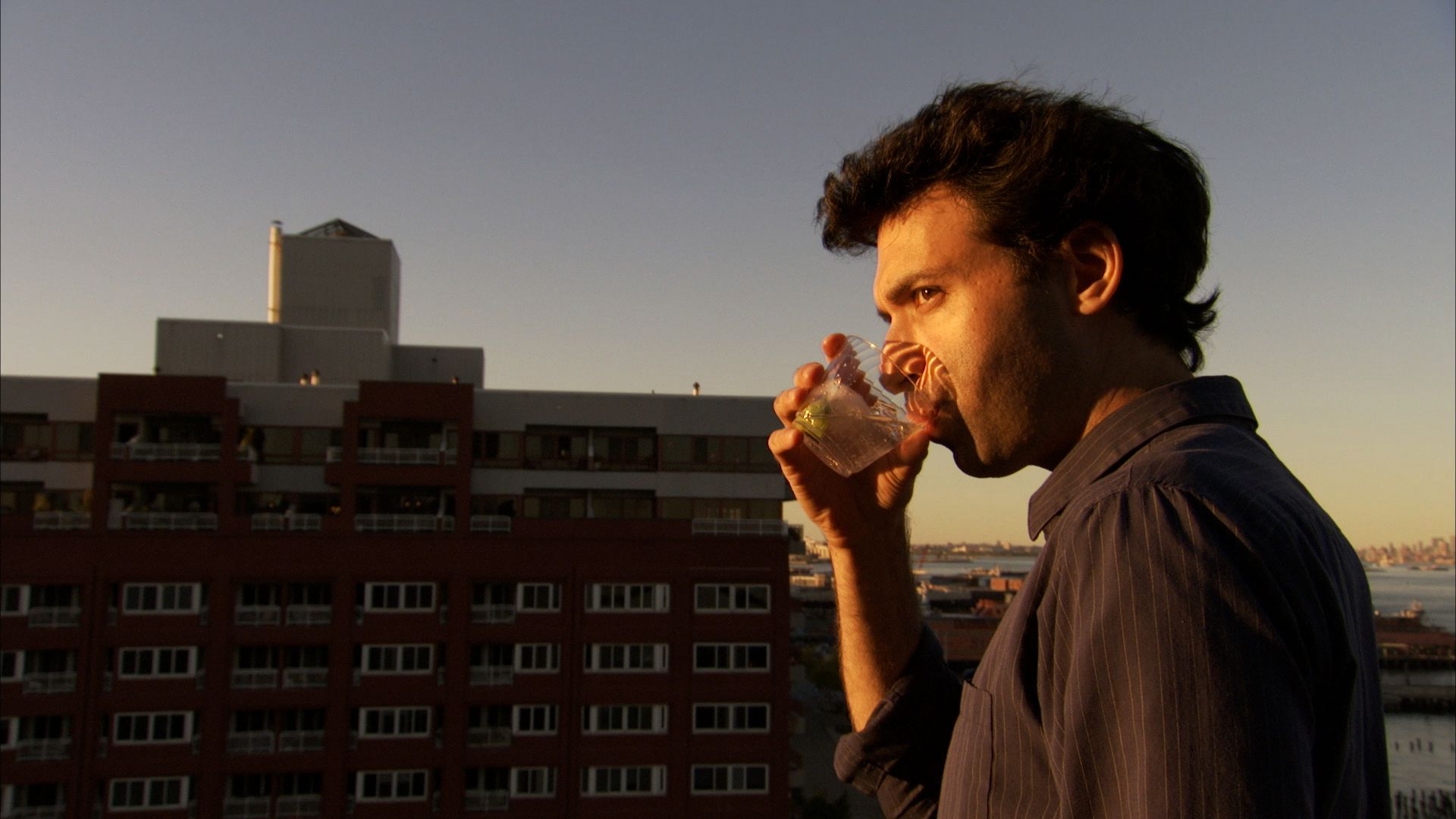
The film confuses the wish to be a Woody Allen-Julie Delpy love child with a cramping formalism that borders on the theatrical.
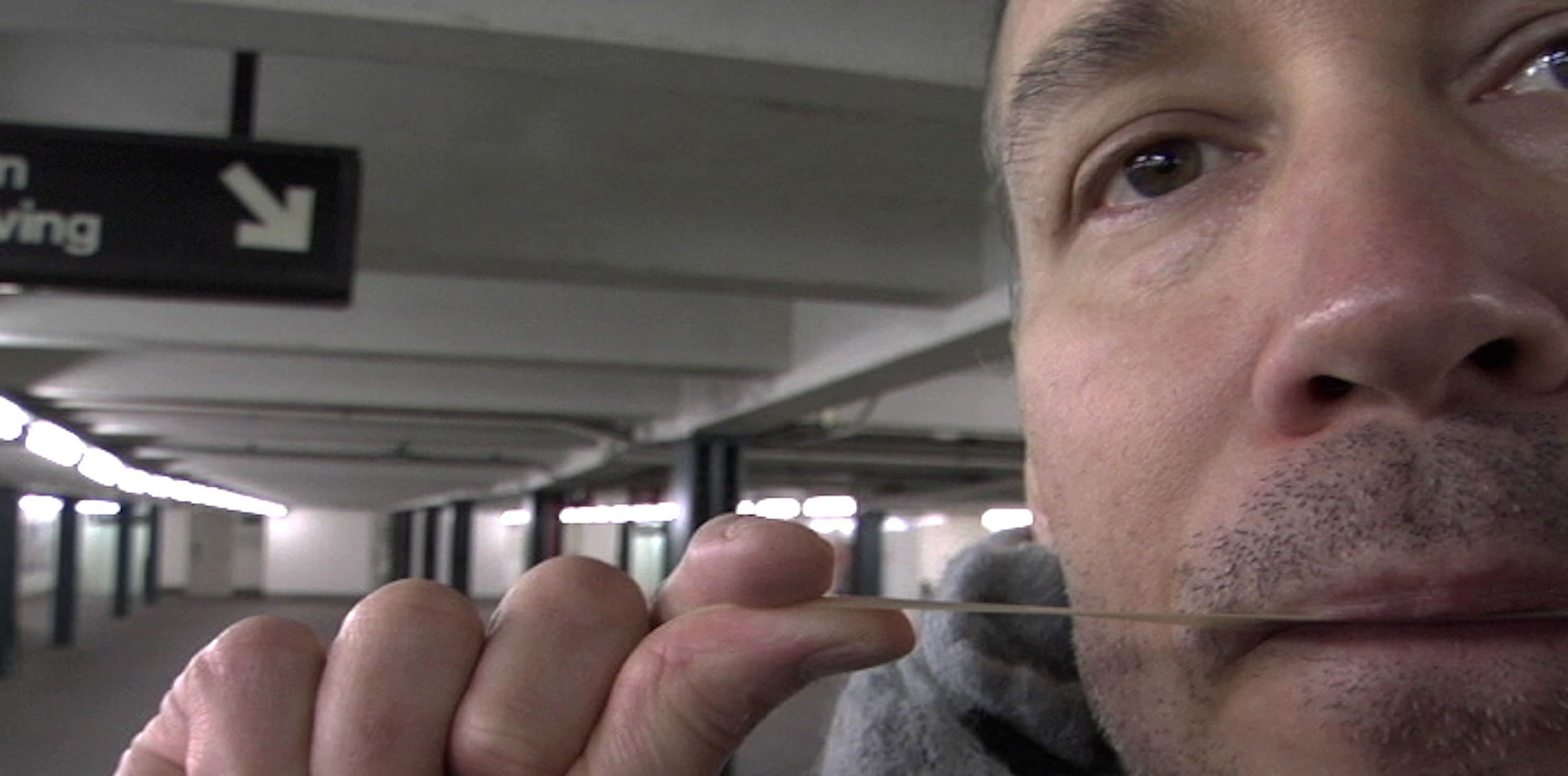
In the film, the idealism of a free-spirited way of life clashes with the financial, and normativizing, demands of the general culture.
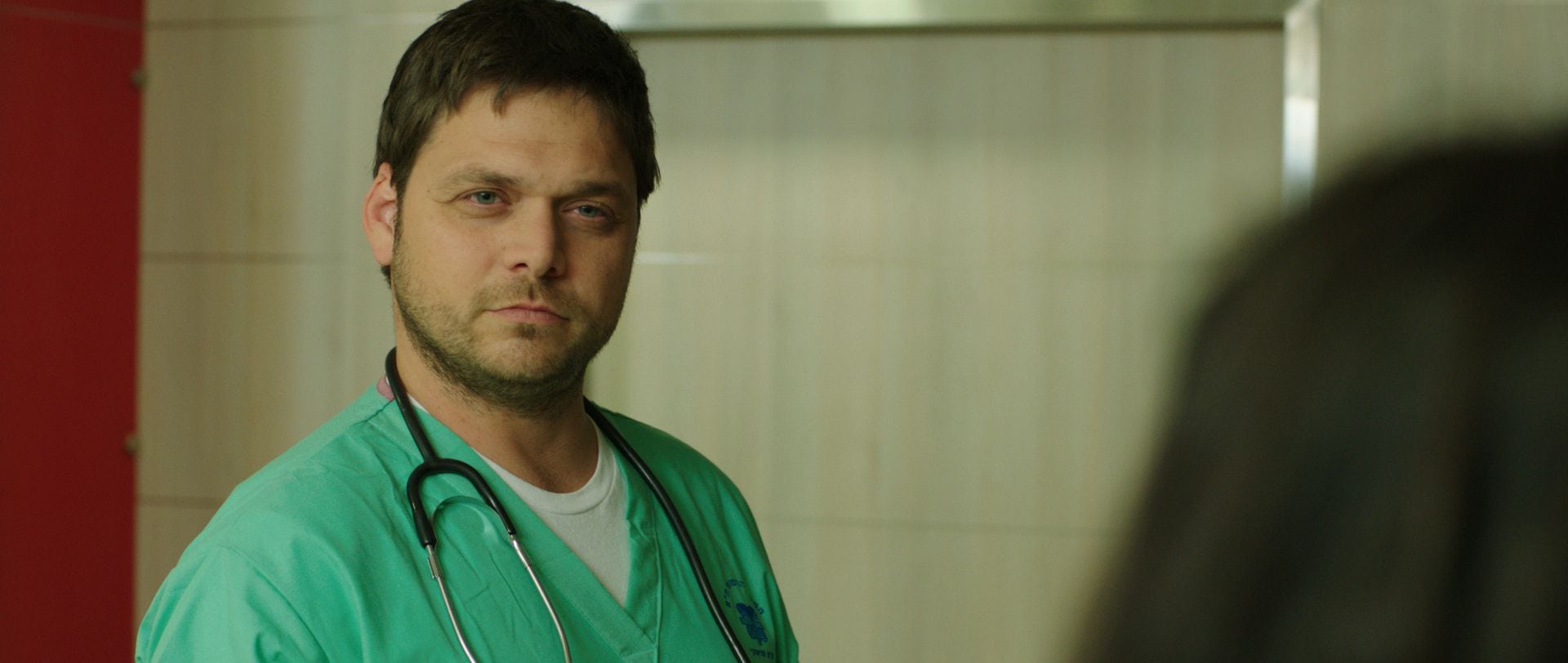
The film is at its finest as a catalogue of its eponymous character’s unspoken ache.
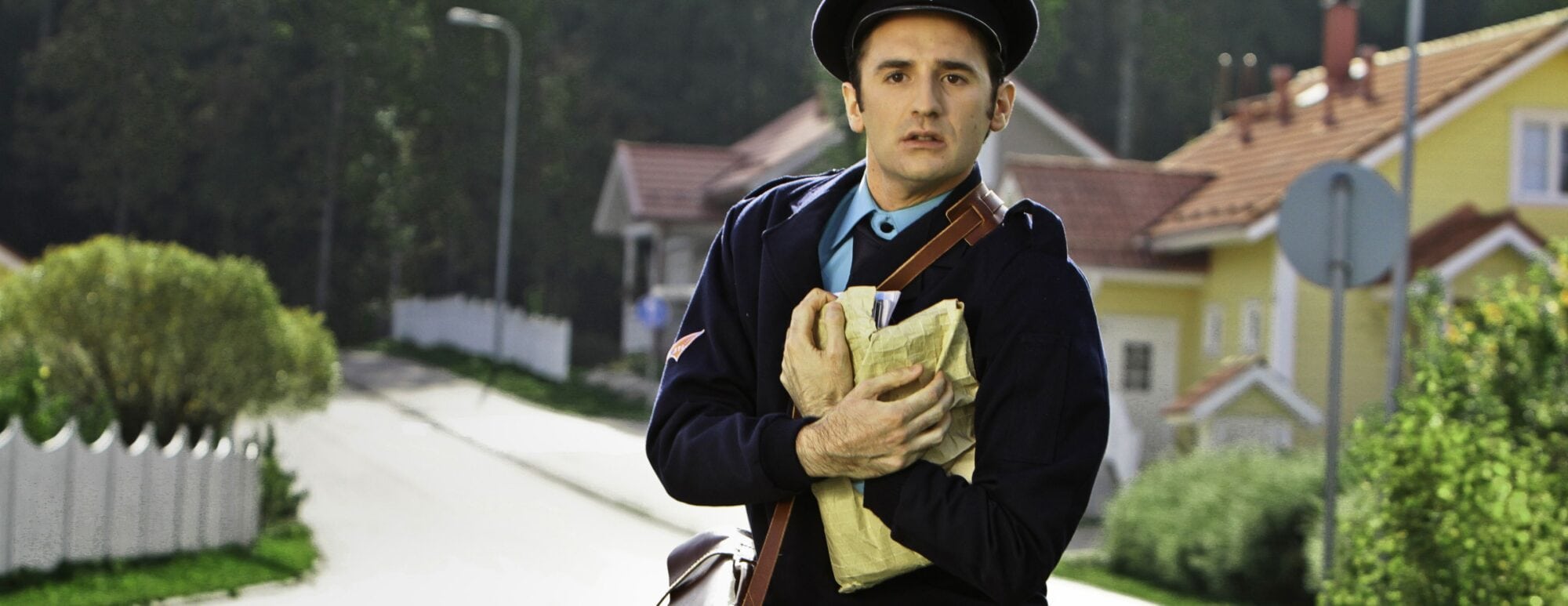
The film’s outrageous situations and over-the-top stock characters feel palatable when the visual style is also excessive.
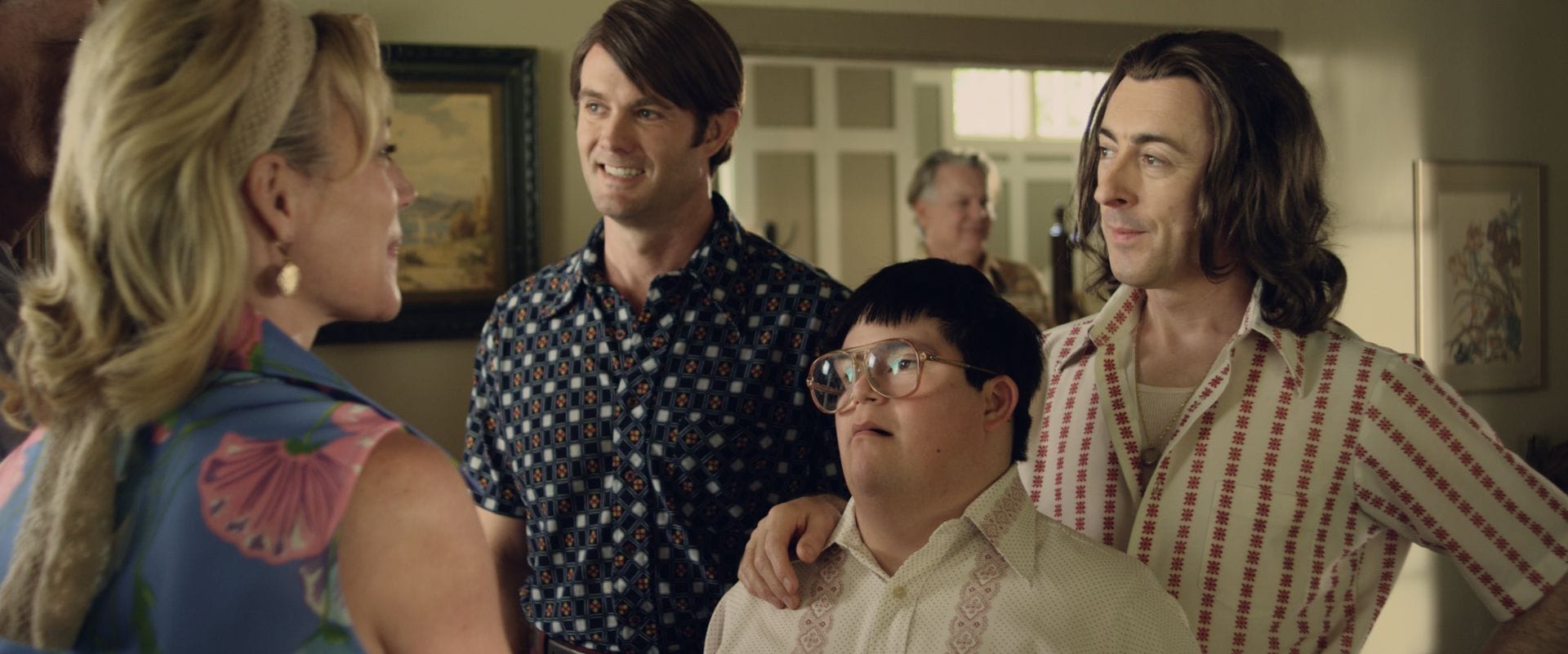
The queer coupledom at the center of Any Day Now is one we don’t normally see at the movies.

In Our Nature’s visual style seems plastered on or allocated, not developed with any sort of authorial singularity.