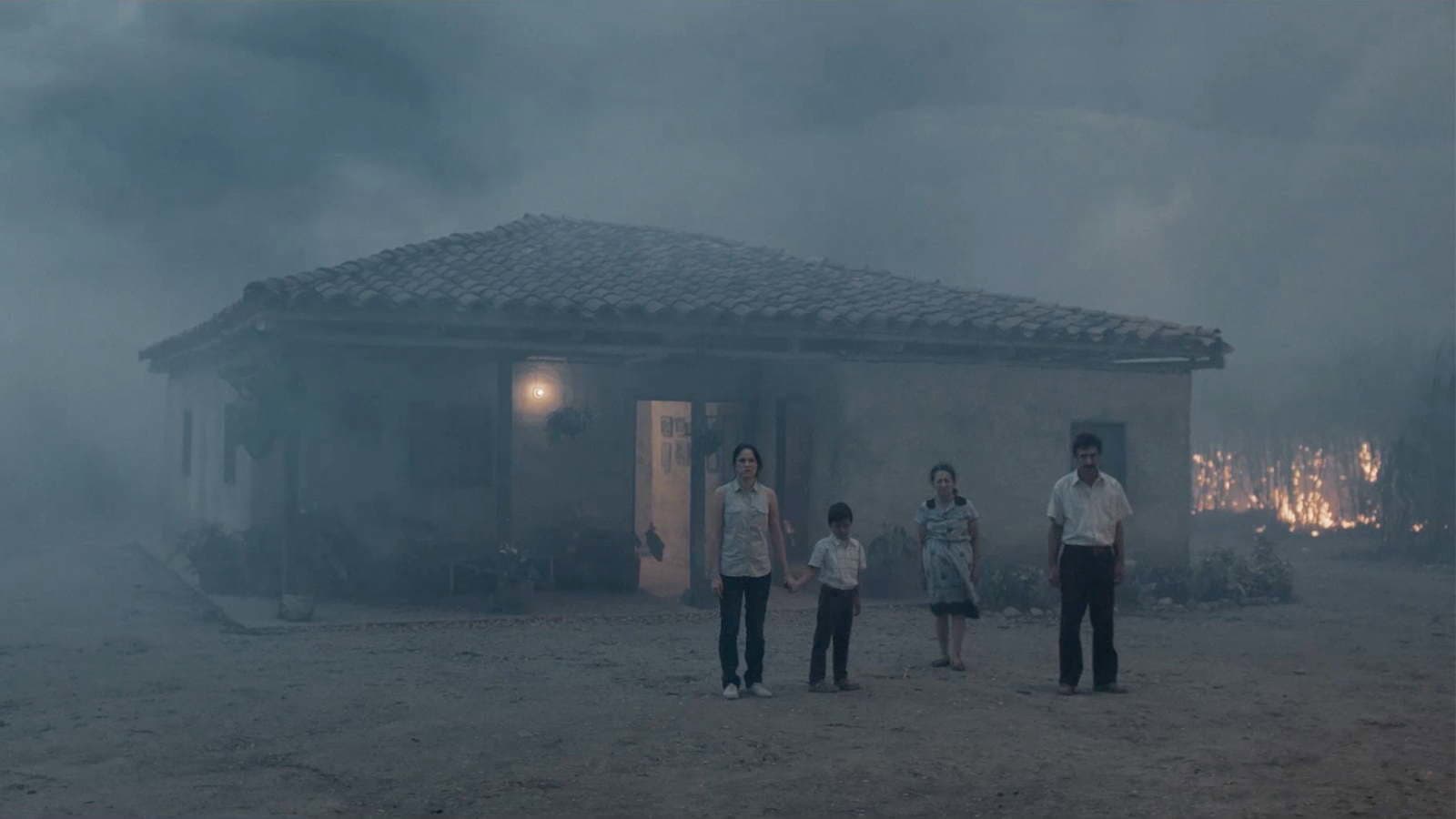
Landscape seems to push the film’s characters away at the same time that it anchors them into place.


Diego Semerene is an assistant professor of queer and transgender media at the University of Amsterdam.
Landscape seems to push the film’s characters away at the same time that it anchors them into place.
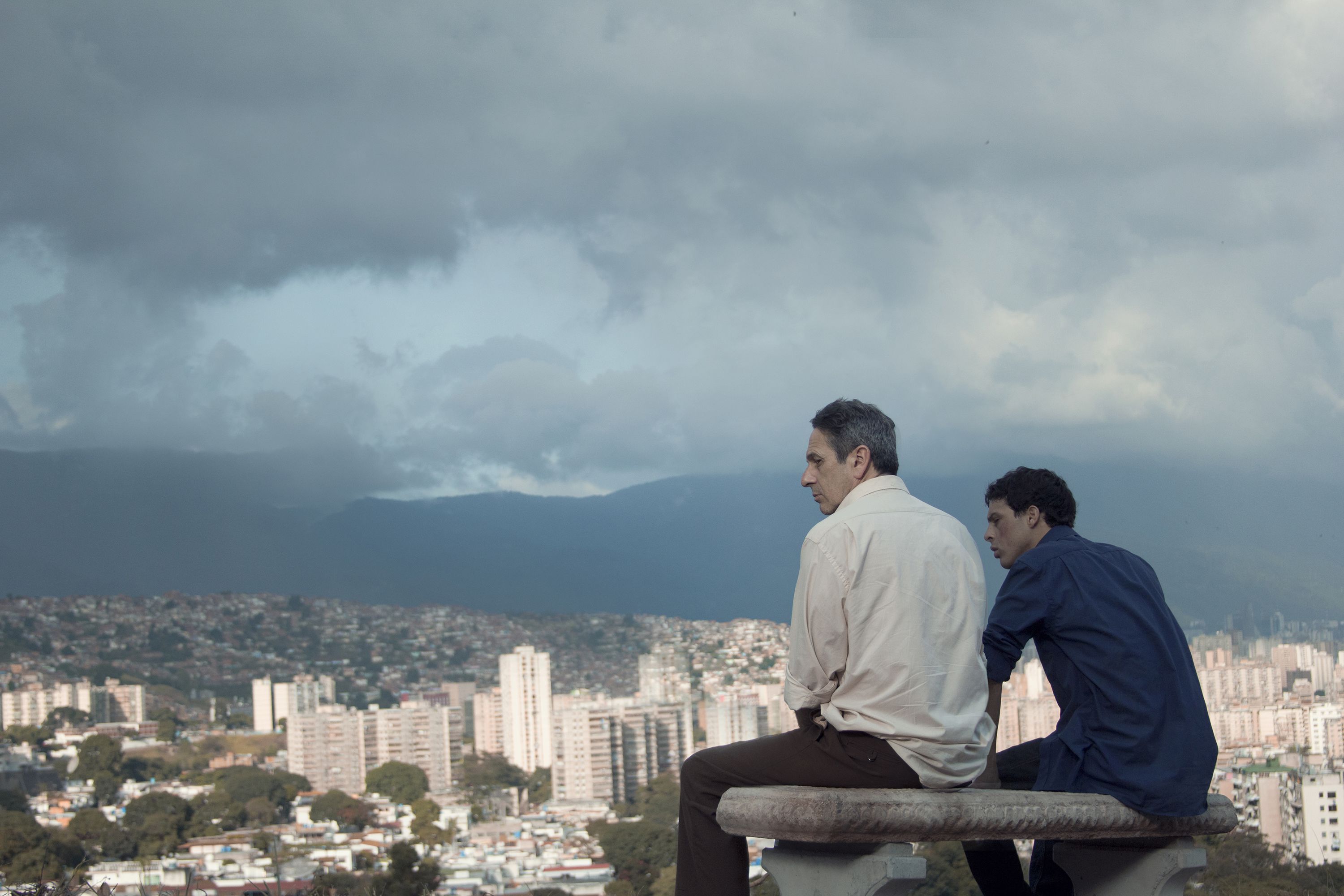
The film renders visible a very complicated, and awfully repressed, truth not only about desire.

Honeyglue is mostly interested in borrowing terminal cancer as a narrative shorthand for intensity.

The ingenuity of writer-director Jeremy LaLonde’s film ends with its title.

The drag in the film rejects the U.S.-centric obsession with “realness” and the acrobatics that come with it.
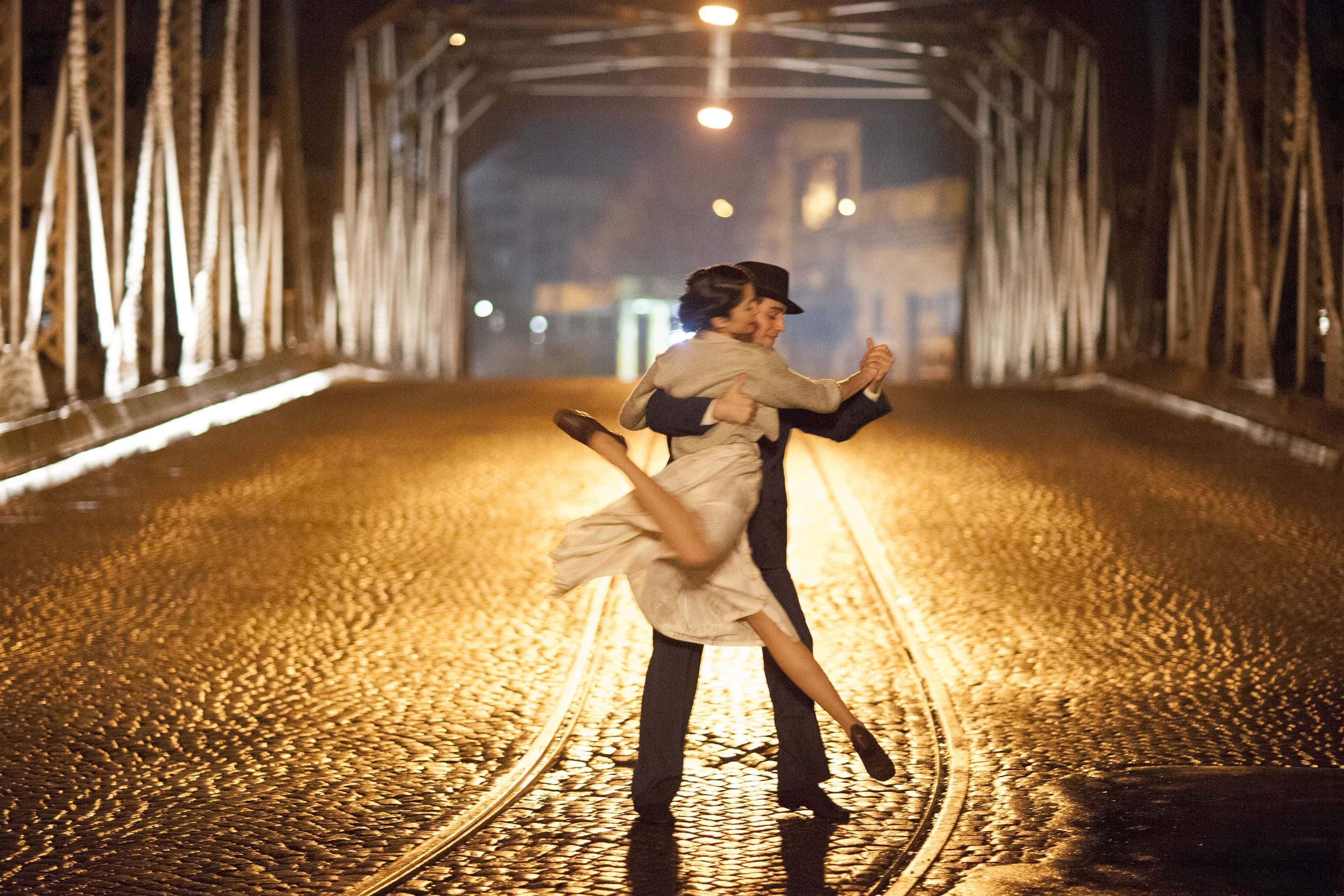
Throughout German Kral’s documentary, the question of truth is equated to the essence of the tango.

The hygienization of Rio into what at times looks like a soulless Southern California town is so scandalous it feels like a spoof of the Cities of Love series.
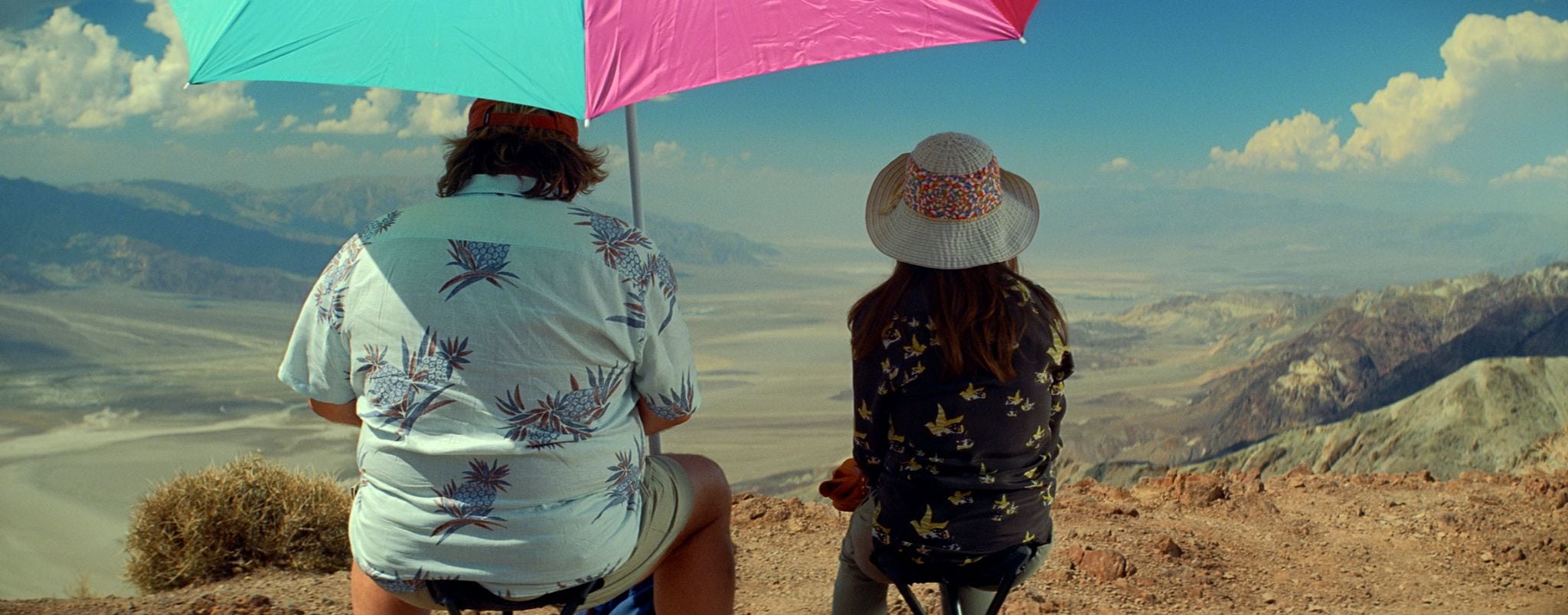
It enables us to feel the emotional weight of a posthumous letter precisely because we can only imagine its contents.
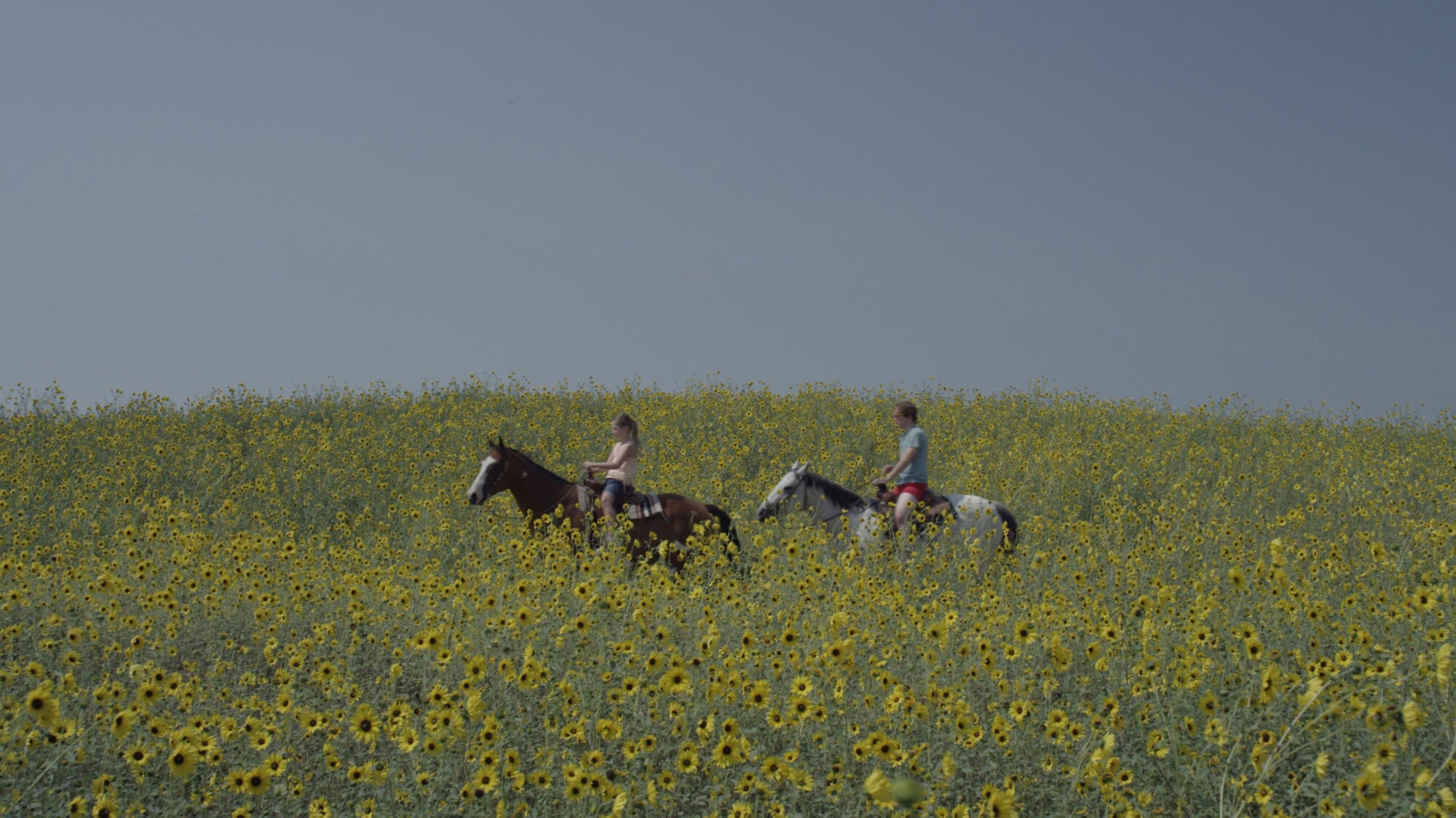
It’s difficult to believe Ryder’s gullibility, if not willingness to be caught in his uncle’s strange web of provocations.

There’s no sense throughout Kill Me Please of anything being at stake for its teenage characters.

The film can sometimes feel as though it takes place inside a nightmare masquerading itself as a harmless dream.
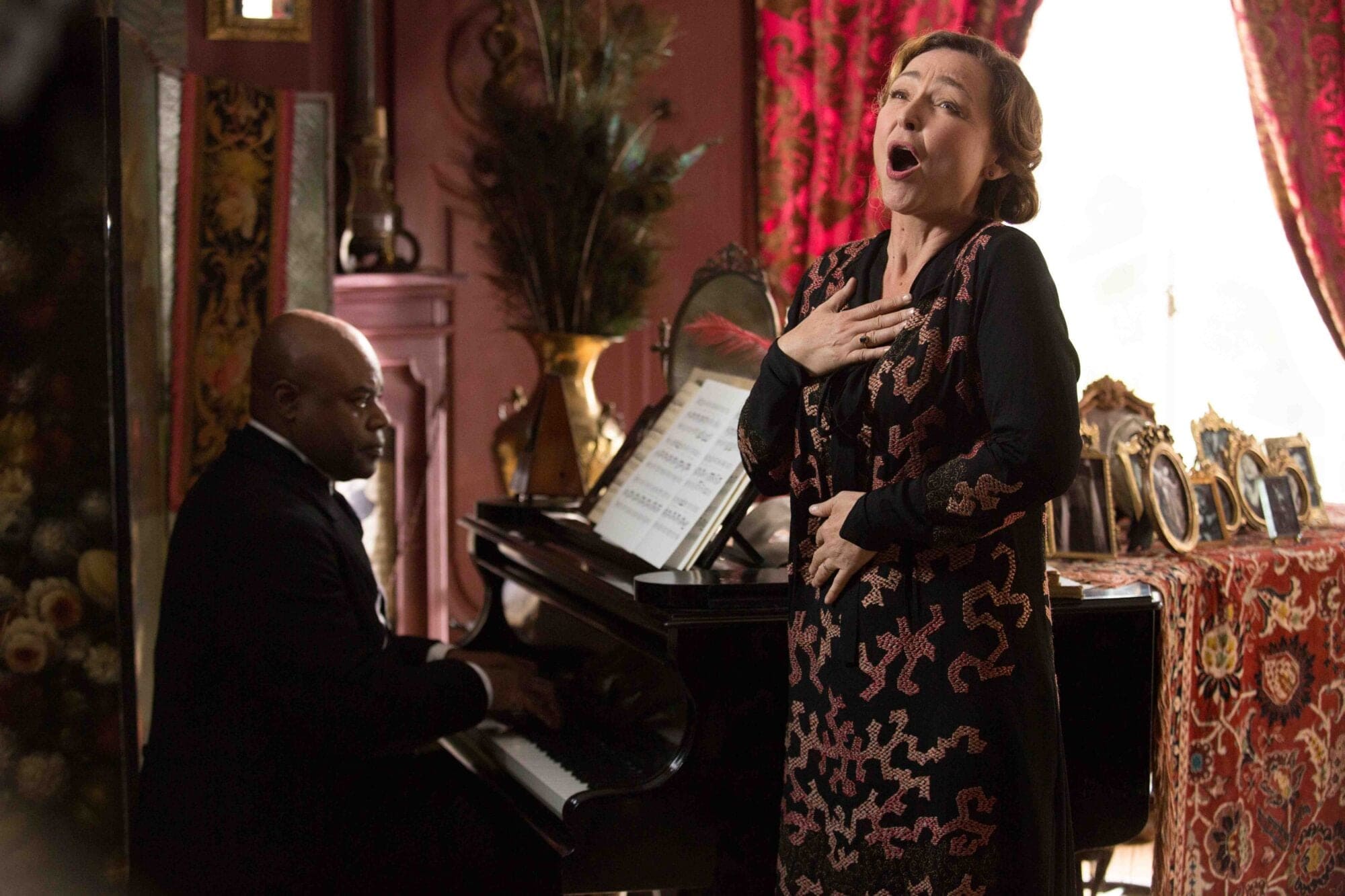
Xavier Giannolli consistently glosses every sequence with a stagey kind of humor, and at the main character’s expense.
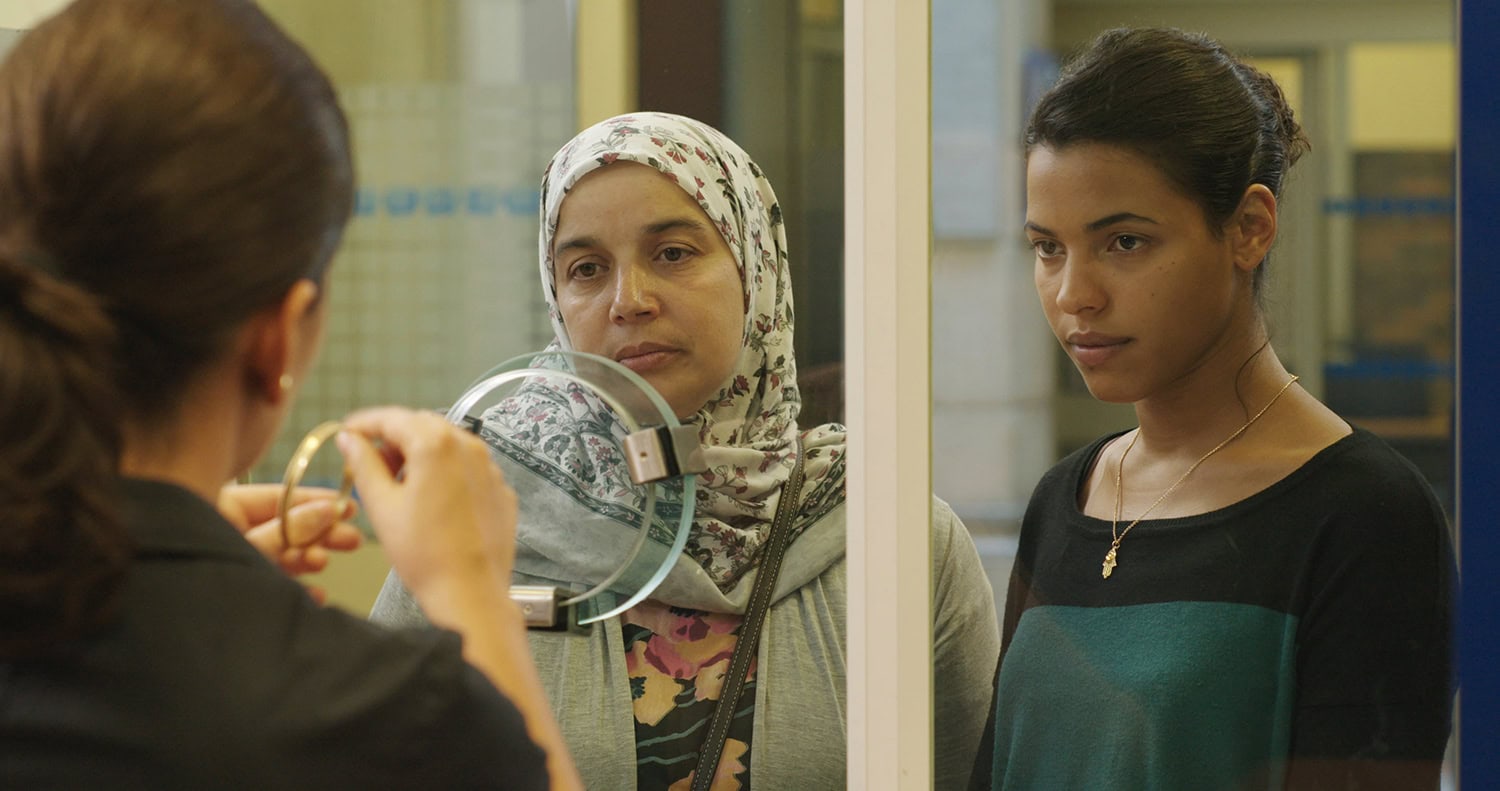
These films present very different versions of motherhood in France, both of which emerge out of social precarity.

More than a great queer film, Don’t Call Me Son is a great career move for Anna Muylaert.

The film is a refreshing and overdue exposure of the violence that white male privilege breeds and needs to reassert itself.

Mia Hansen-Løve suggests that the desire for fulfillment—of ideology through revolution, of true love through coupledom—is a cute illusion wasted on the young.

It never breathes, never looks away, never digresses. Every single scene is a confrontation of its one and only theme.
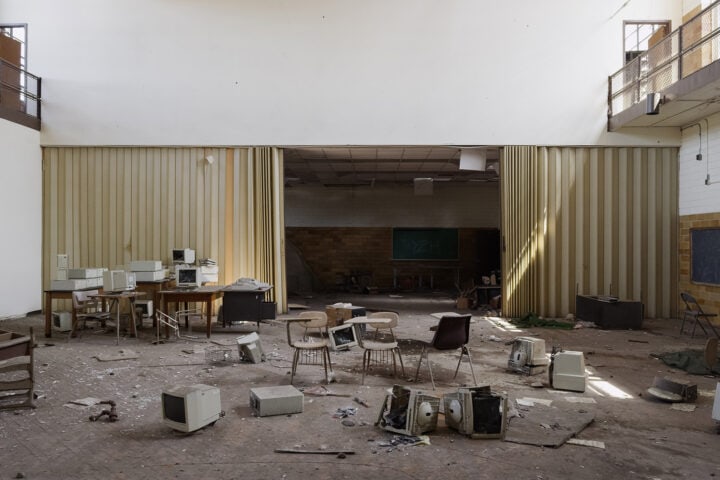
Geyrhalter seems to treat a decomposed space as a form of letter for some kind of alphabet to emerge.

The film is about how the stories we tell children, as well as the ones they witness for themselves, attach themselves to their little bodies like bee stings.
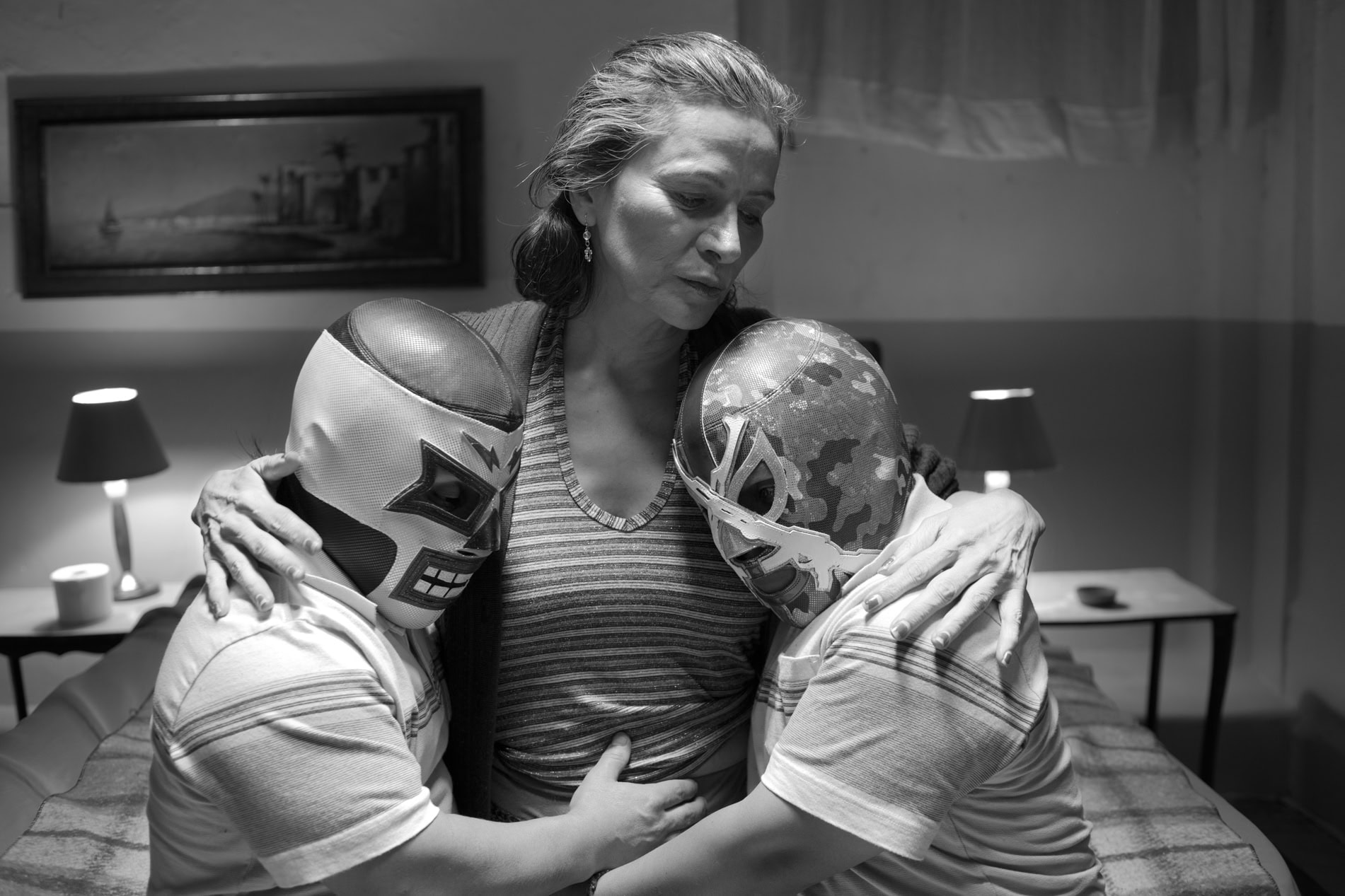
Bleakness, Arturo Ripstein’s film implies, demands different kinds of labor from a man than from a woman.