The film makes an occasionally spirited pretense of injecting the tensions of the United States’s educational system into a familiar zombie-siege scenario.



Chuck Bowen's writing has appeared in The Guardian, The Atlantic, The AV Club, Style Weekly, and other publications.
The film makes an occasionally spirited pretense of injecting the tensions of the United States’s educational system into a familiar zombie-siege scenario.

One watches it with an escalating sense of disbelief, as Warren Jeffs is steadily revealed to be an even greater monster than we initially take him for.

This is a film in which everyone’s dreams are irrevocably broken, the pieces too small to grasp, let alone pick up.

The gorgeous transfer fully honors the film’s distinctly amazing road-fever aesthetic.

A gorgeous presentation that also provides unmissable, revelatory insights into its creation, straight from the Dardennes’ mouths.

The setup is so familiar that frustration sets in before the title has barely faded from view.

Slacker and even less involving than the similarly terrible global kill-fest Last Knights, but easier to watch for the inadvertent camp value.
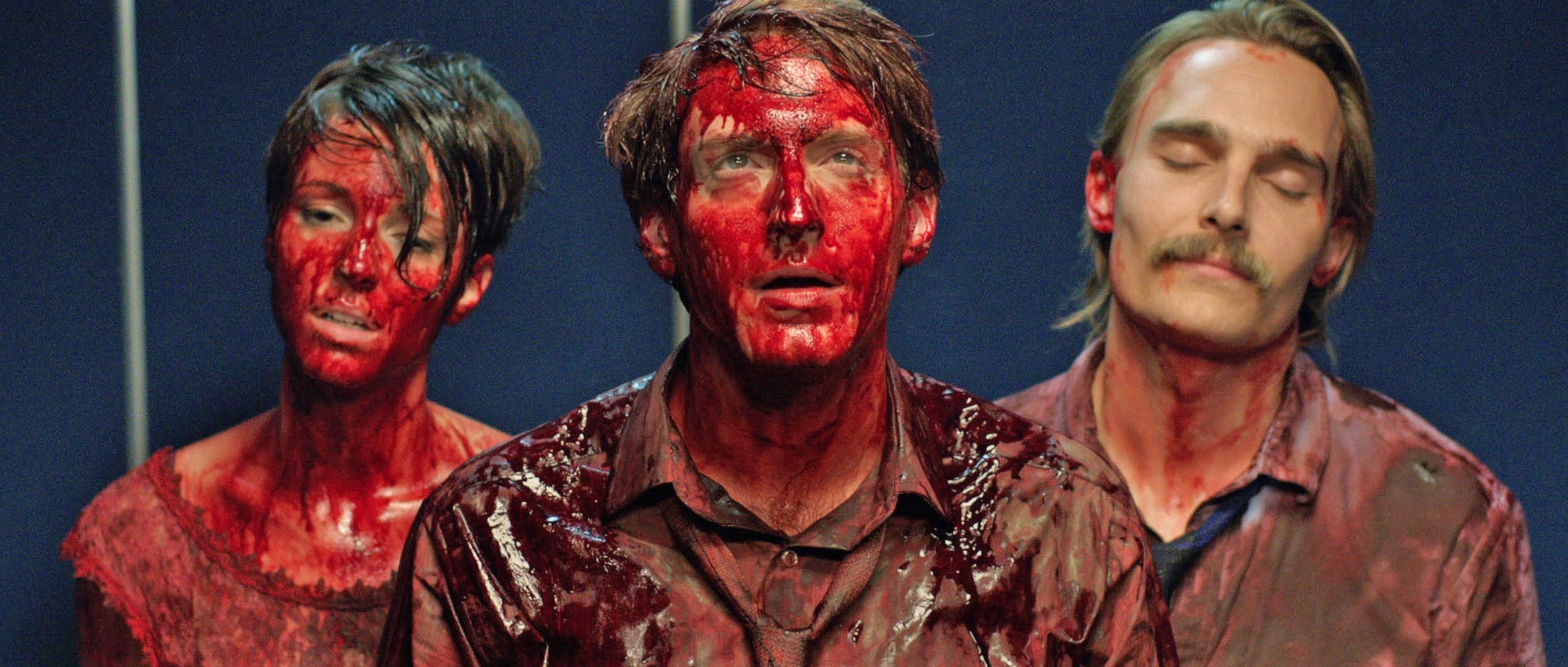
The film evinces a qualified kind of courage in its anonymous convictions, parodying a world that barely ever existed by barely existing itself.

Like Lynch before him, Fuller has shined a light over TV’s capacity for eccentric, follow-thy-master poignancy.
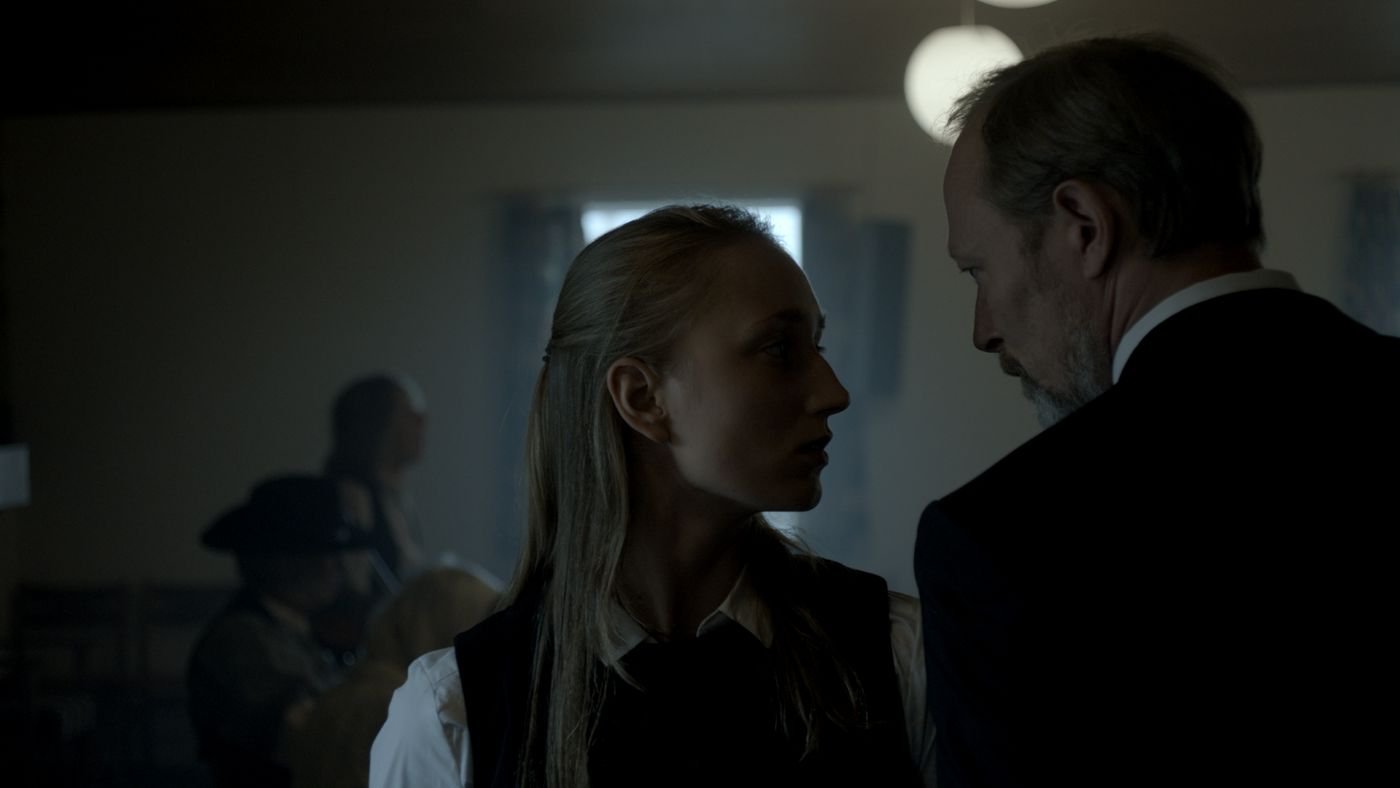
The film is one long funereal slog in which the main character discovers something about herself that’s almost immediately apparent.

Every beautiful, resonant image in Alex Ross Perry’s new film is fraught with neurotic, diaphanous riddles.
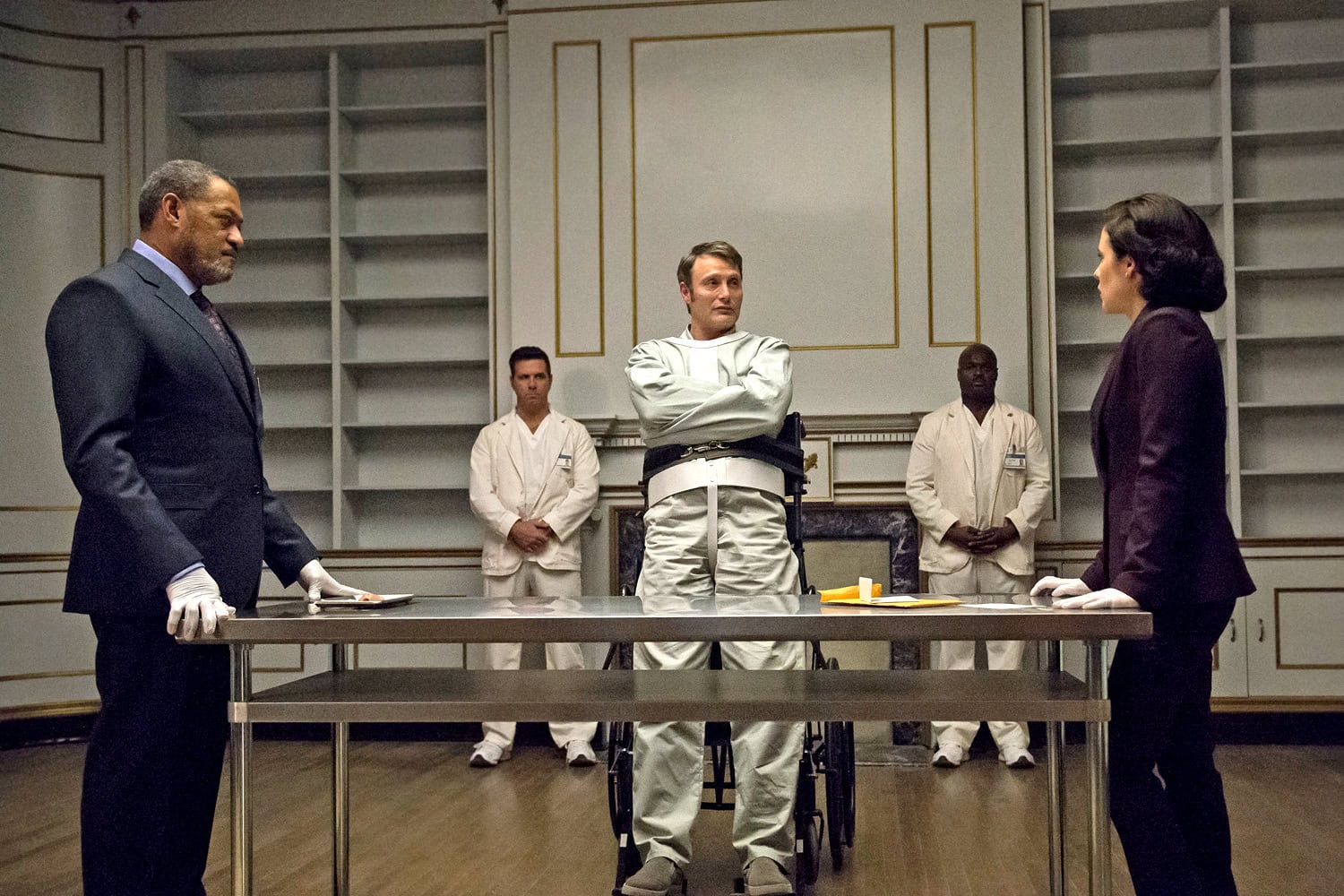
The dialogue is as polished, overheated, and savory as one can routinely expect from creator Bryan Fuller.
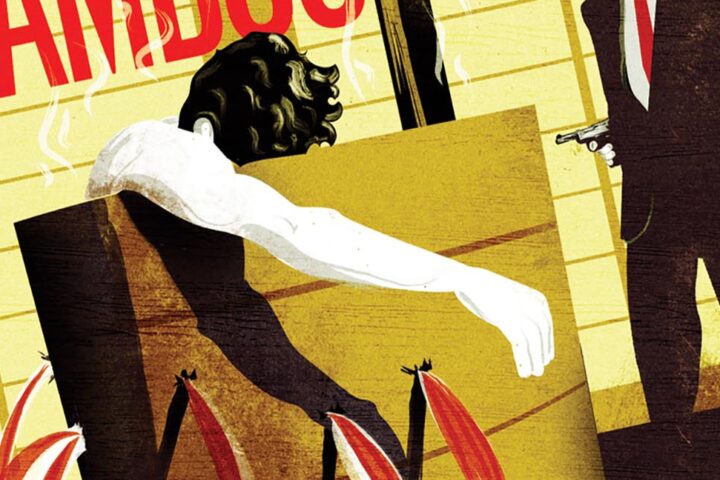
This stellar presentation of a beautifully nasty Samuel Fuller gem also boasts a rich, efficient supplements package.
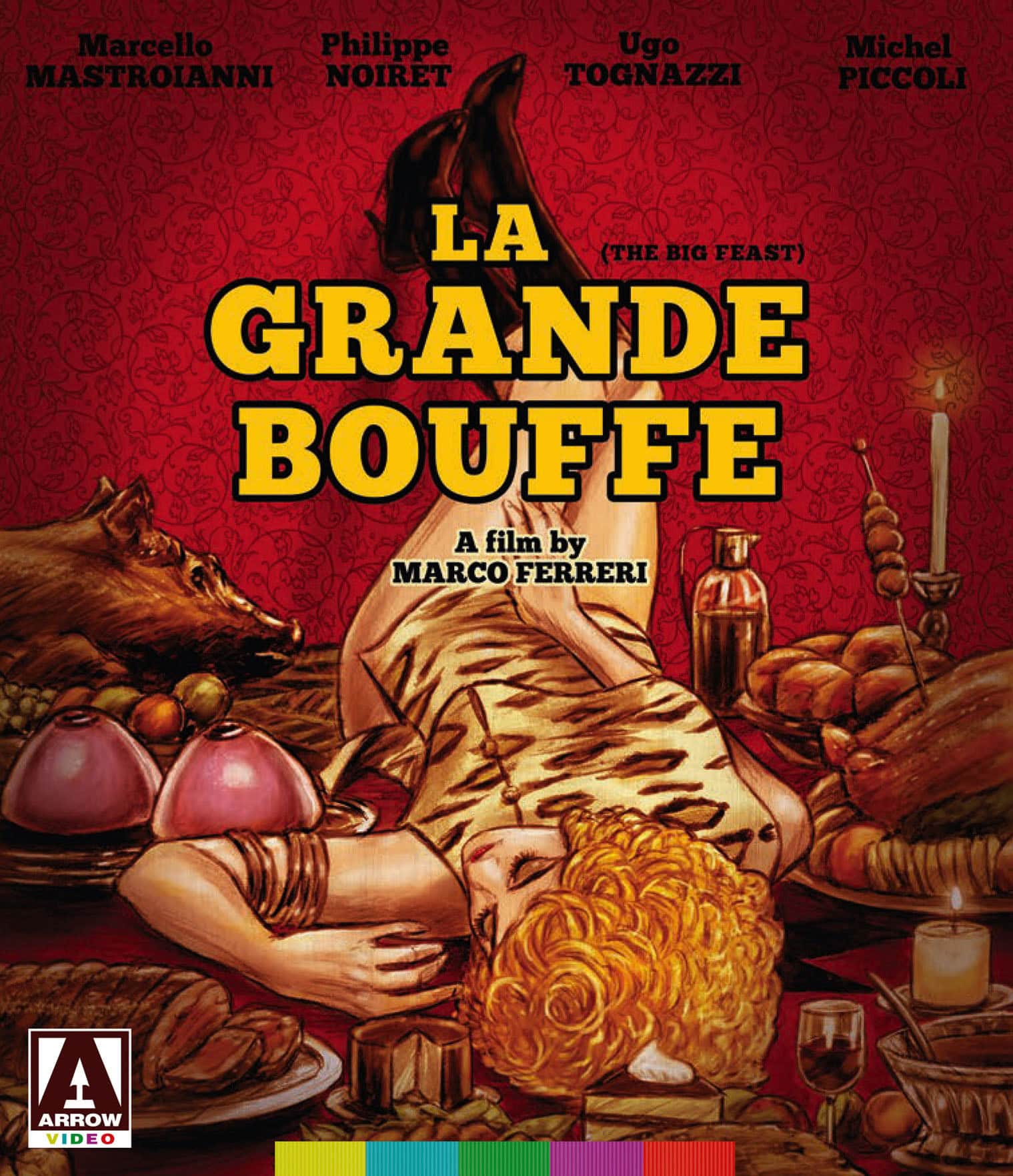
Let the debate and revulsion begin anew.

Craig William Macneill’s film is a sporadically frightening slow burn with a fatally overlong fuse.

Reminiscent of Woody Allen’s Manhattan Murder Mystery, it utilizes a pulp conceit as a shorthand for the regrets that bubble up in a marriage.

The romantic subtext is the central emotional motor of the series, what keeps it from collapsing into absurdity.

The show is torn between Paul Haggis’s love of melodrama and David Simon’s fascination with the social governance.

The filmmakers never really answer inevitable questions: What’s the point of these fussy allusions?

It introduces a promising romantic pentagon, only to let it float away unfulfilled into studiously benign coming-of-age clouds.