The film evolves from an absurdist comedy into a remarkably wounded story of friends who’re beginning to tire of their shared social cocoons.



Chuck Bowen's writing has appeared in The Guardian, The Atlantic, The AV Club, Style Weekly, and other publications.
The film evolves from an absurdist comedy into a remarkably wounded story of friends who’re beginning to tire of their shared social cocoons.

The episode is taken by “reality” as a terrifyingly fluid and elastic realm, dictated by the conditions of the fragile mind.

The Salvation is hemmed in by its fealty to the ghosts of westerns’ past.

The payoff is a huge and telling visual howler, summarizing the entire plot with a blithe indifference that will inevitably mirror the audience’s.

The narrative derives much of its tension from the unsentimental ambivalence Jon Watts displays toward the story’s two pre-teen boys.
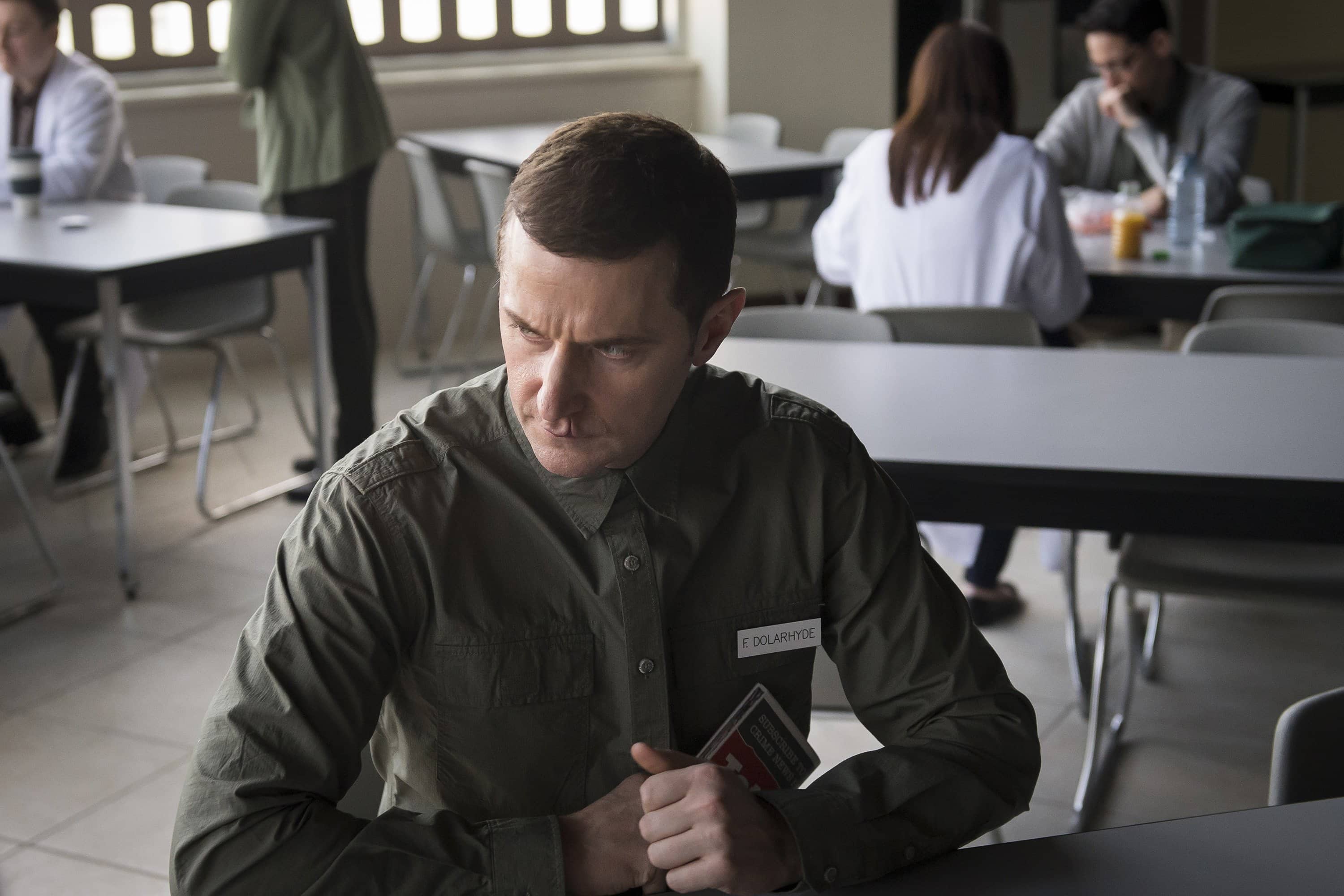
There’s quite a bit of accomplished, bitchy verbal game-playing in this marvelous high point of an episode.
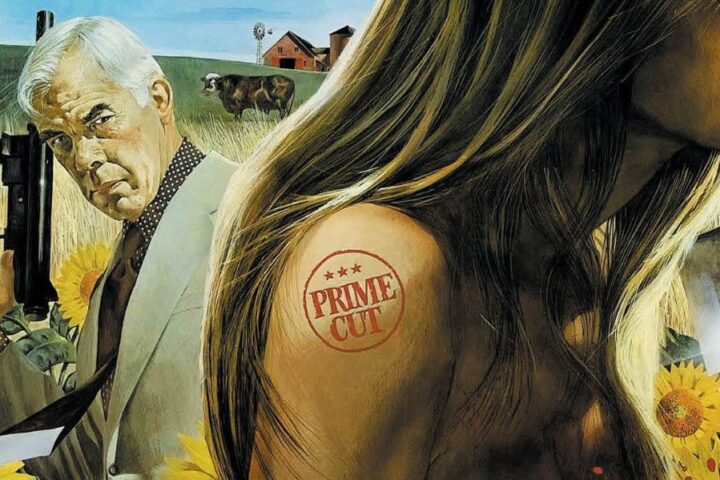
Kino does reasonably right by this relatively obscure 1970s sleaze-fest.
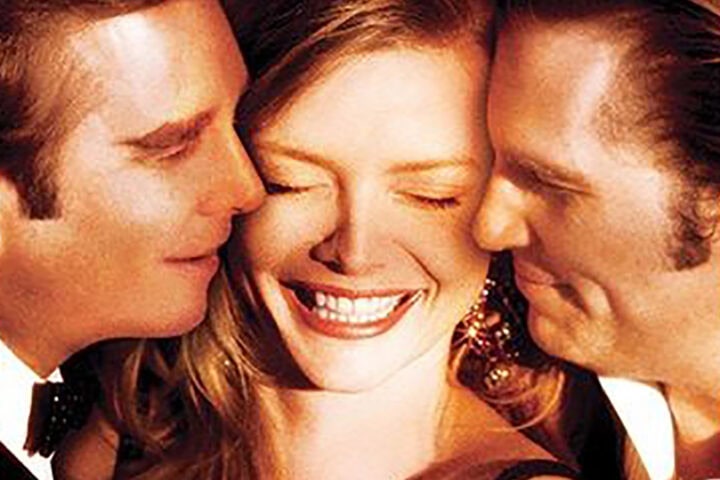
This moody, under-seen, incredibly sexy romantic noir, a highpoint for its superb cast, receives a beautiful, appropriately reverent restoration.

Writer-director Alex R. Johnson’s film is the rare thriller that resounds with an authentic ring of chaos.

It relies on familiar tropes about the sexy, rebellious rock-star artist who does things his own way.

Francis is imprisoned like most of us within a version of life produced by his mind.
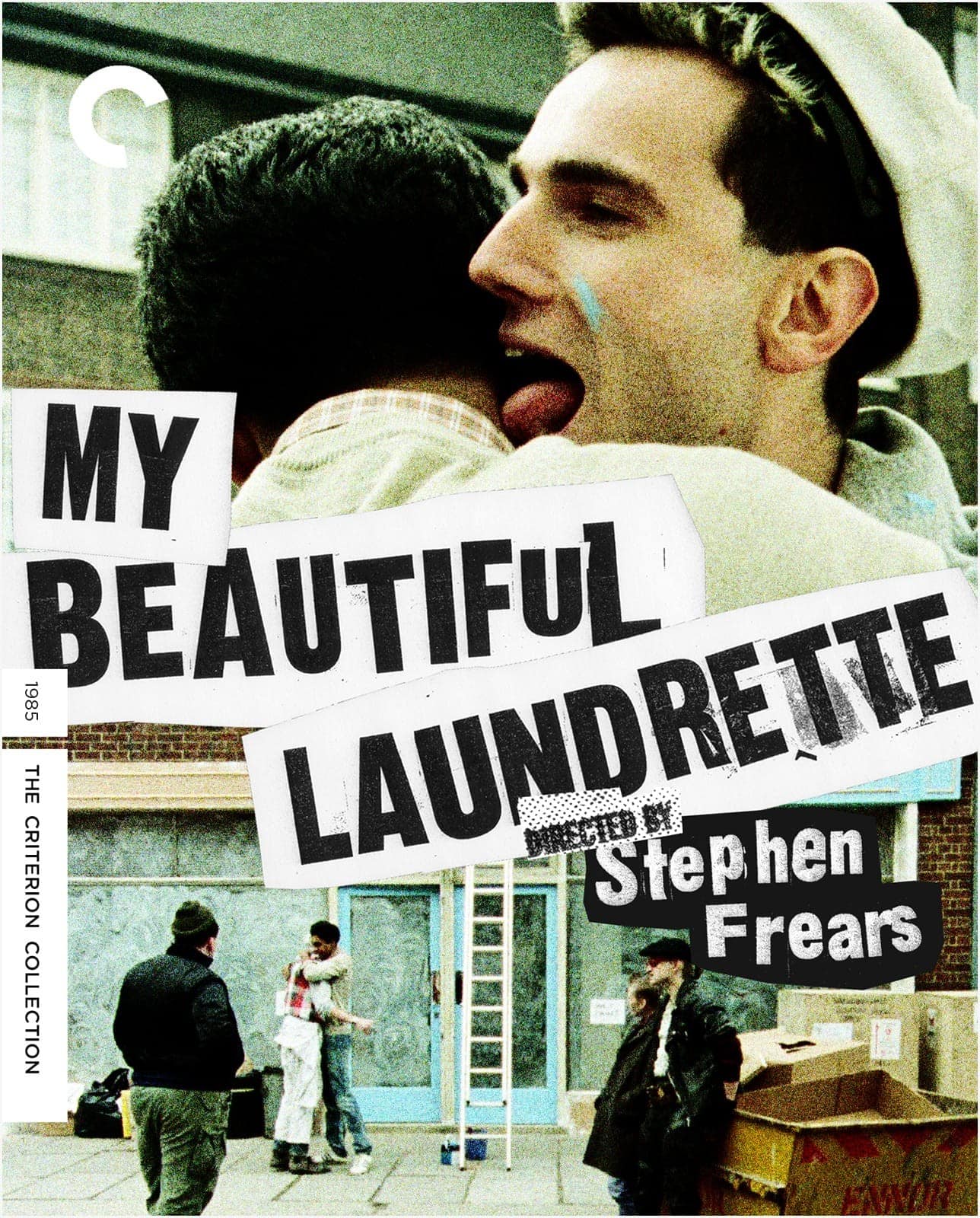
The film is a reminder that truly progressive films present their revolutionary attitudes as a given.
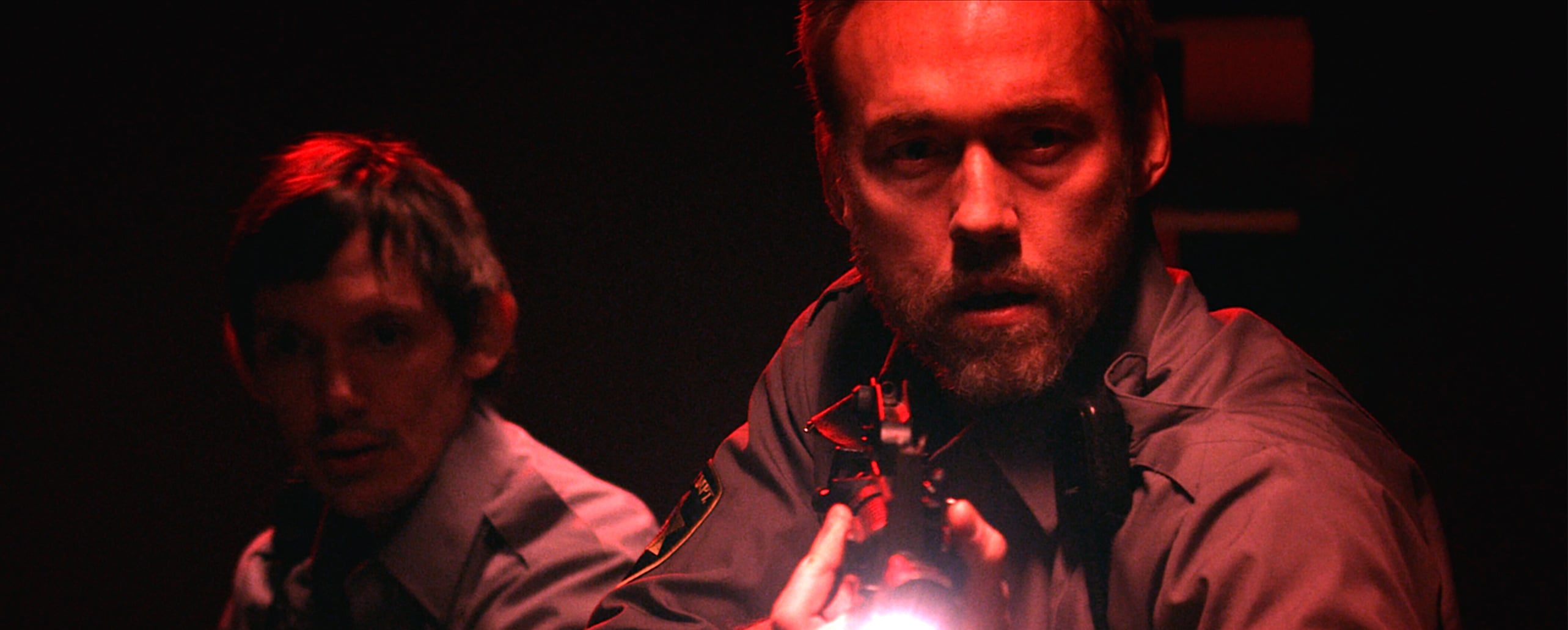
Director Jack Heller’s film may take the notion of implication over illustration a bit too far.

It suggests that Kris Swanberg has taken notes on what a film concerned with pregnancy should include without actually making it.
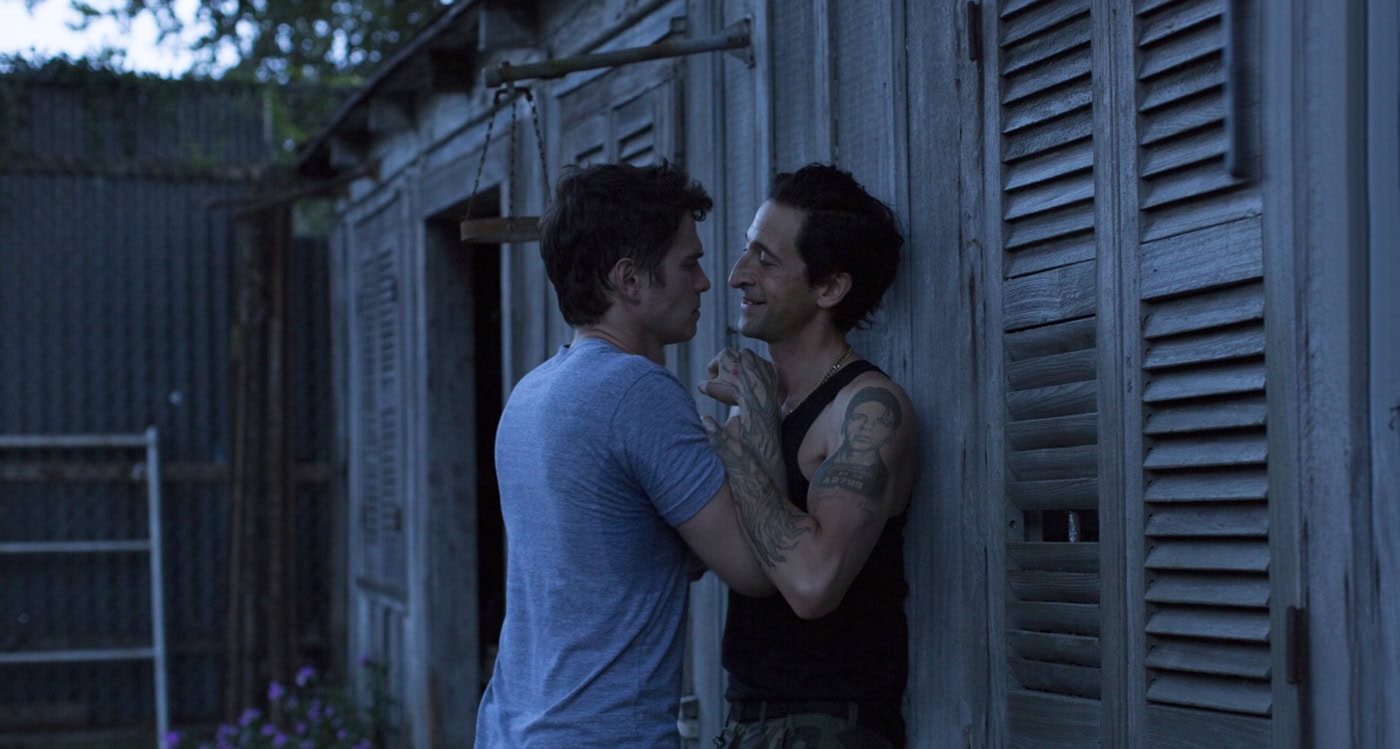
American Heist offers a veritable smorgasbord of dated, only-in-the-movies clichés about the debt-ridden working class.

The episode is bug-fuck baroque even by Bryan Fuller’s incredibly accommodating standards, and the title is telling and apropos.

Though this wannabe in horror classic’s clothing is overrated by its cult, the film offers plenty of formal pleasures.

Murakami has invested the film with the same sort of primal pop-art aesthetic that distinguishes much of his art.

The formalism fashions effective textural shortcuts to behavioral understanding that the remarkable cast fills in with finesse.
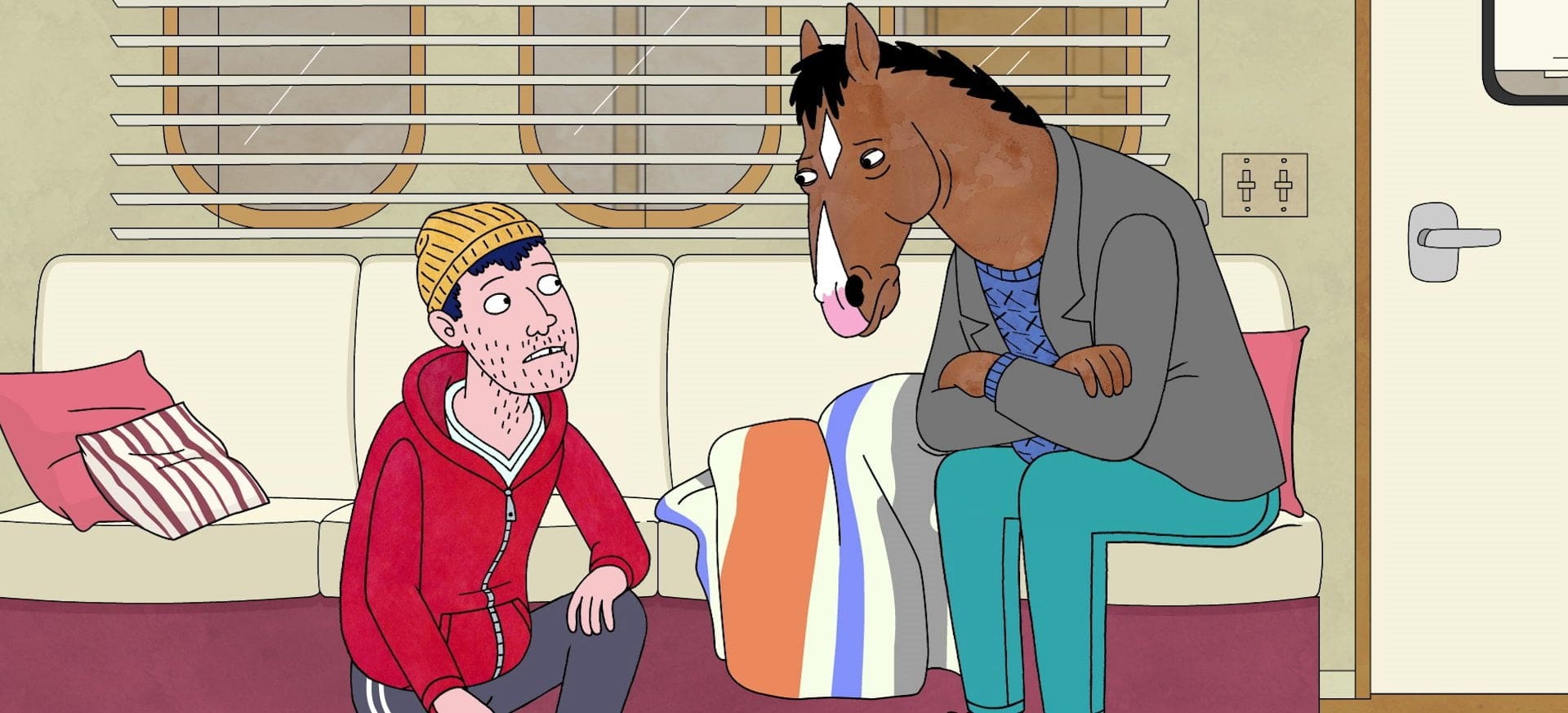
BoJack Horseman exudes a tough-love sense of humanity that recalls the later comedy of George Carlin.