A daring work in New Queer Cinema, featuring River Phoenix’s greatest performance, receives a subtle yet important visual facelift.



Chuck Bowen's writing has appeared in The Guardian, The Atlantic, The AV Club, Style Weekly, and other publications.
A daring work in New Queer Cinema, featuring River Phoenix’s greatest performance, receives a subtle yet important visual facelift.

The film’s sporadic intensity springs from the filmmaker’s implicative complicity with his main character.

Bone Tomahawk is skittish about its racism, self-conscious in a manner reminiscent of Django Unchained.

Stephen Winter’s film doesn’t earn the gall it evinces by pissing on Shirley Clarke’s masterpiece.

This barebones, arbitrarily assembled package of Hammer Horror films is redeemed by the gorgeous aural/visual restorations.

Both Olivia Wilde and Luke Wilson understand the greatest pain of loss to be rooted in its searing inexpressibility.
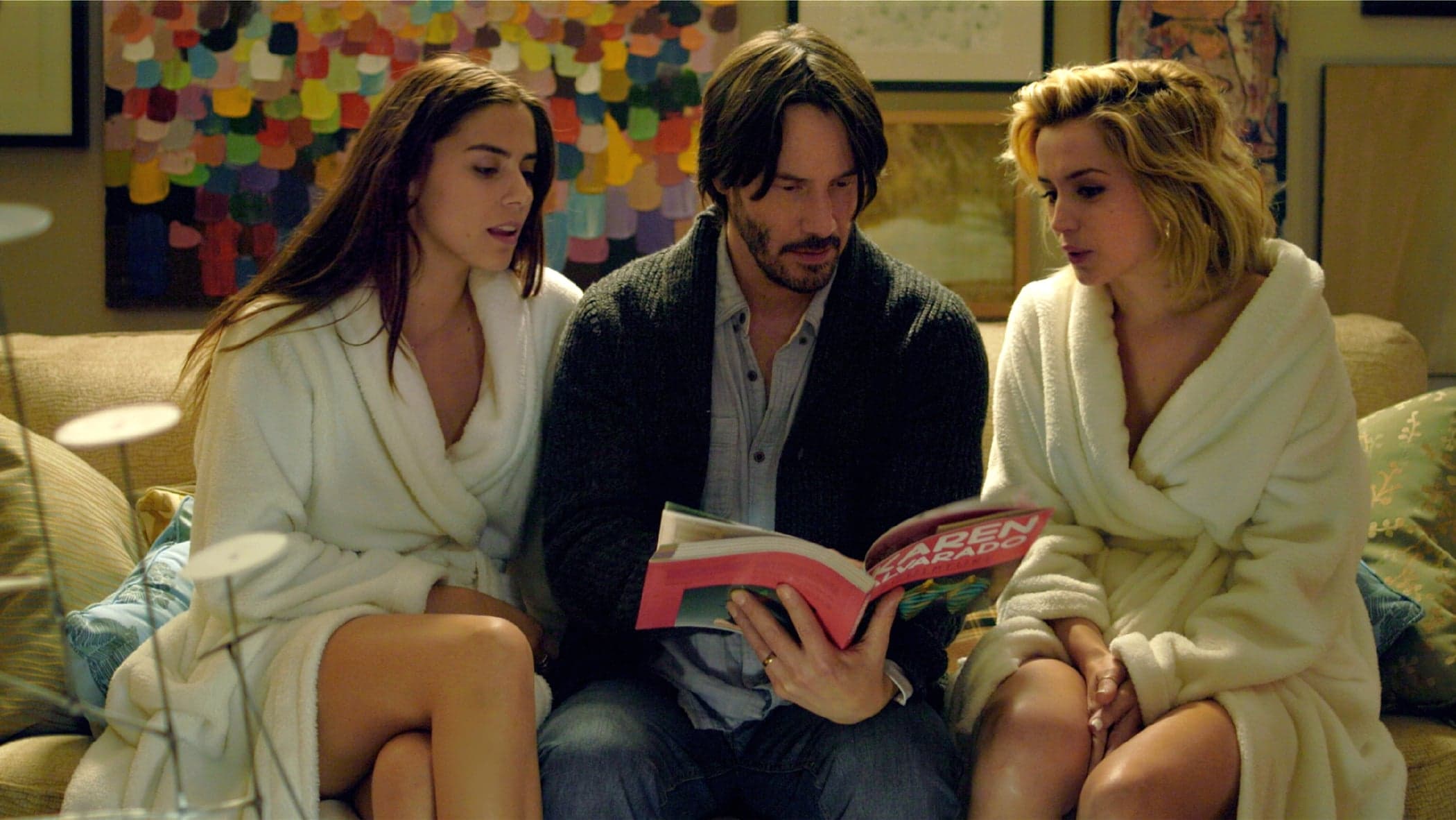
Eli Roth’s sense of humor abandons him when his hero isn’t about to get down with the get down.

The film receives a beautiful transfer and an unconventionally revelatory deleted-scenes collection.

One can chart the very moment that Victoria’s existence slips out of the routine into the nightmarish, and there’s no escape by temporal omission.

The film doesn’t add up to much, but it’s a diverting tour of Takashi Miike’s anything-goes, splatter-paint sensibility.

One of the most intense of all American con-artist films receives a sturdy A/V upgrade from its initial DVD debut.

The film exhibits the spry subtlety of Jean and Luc Dardenne’s work.

Ariel Kleiman fashions an erotic atmosphere of dusty sensuality that complicates our judgement of this world.

Director Jason Lei Howden has a flair for punchlines that are funny for reasons that are essentially impossible to describe.

Aesthetically, the film cunningly suggests life that exists solely within an academic experiment, closed off from chaos that isn’t manufactured.

The Player is pulp trash with an admirable sense of its own disposability.

Miguel Gomes’s formal talents, which include a flair for close-ups of elegantly smooth or weathered faces, transcend his soft spot for the didactic.

Criterion stalwartly continues to ensure that one of America’s finest directors is properly recognized for the master artist that he’s become.

Director Daniel Barber uses a bleak and unresolved portion of American history to justify indulging typical genre-film nihilism.

It’s another series about a hotshot something-or-other who plays by his own rules.