The narrative is just a vehicle for action, the contents of the envelope simply the MacGuffin that drives the plot.



Andrew Schenker is an essayist and critic living in Catskill, New York. His bylines include The Baffler, Bookforum, and The Los Angeles Review of Books.
The narrative is just a vehicle for action, the contents of the envelope simply the MacGuffin that drives the plot.

Why Stop Now feels more empty and underdeveloped than overstuffed.

Above all, Compliance is a sadistic exercise in deliberate, relentless unpleasantness.

Drought is a portrait of a community under siege by forces beyond its control and its attempts to go about the daily stuff of life.

The film is conspicuously devoid of any sops to the adults in the audience.

Carol Morley’s Dreams of a Life is a lament for the unknowability of humankind.
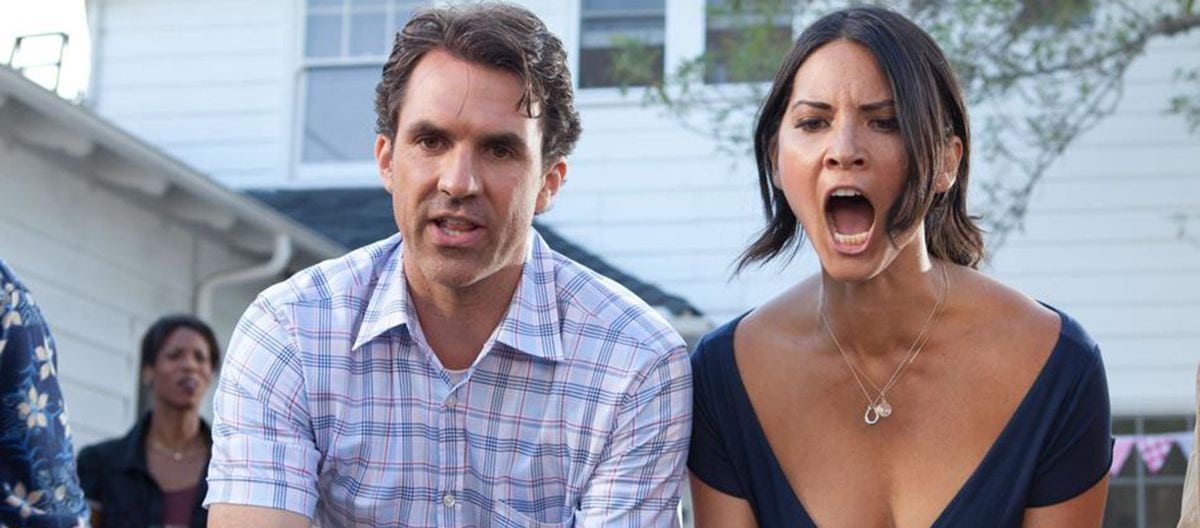
Jay Chandrasekhar’s film unfolds as a silly, juvenile gloss on notions of manhood.

Laughter and inanity go hand in hand in Akiva Schaffer’s The Watch.

Alison Klayman’s clear-minded approach allows her subject’s more challenging aesthetic-political mix to shine through.

Wagner’s Dream is an entertaining, often enlightening look at the difficulties of staging a colossal operatic production.

Union Square begins in caricature and ends in sentimentality, only briefly hitting the sweet spot in between.

In The Do-Deca-Pentathlon, the fragile middle-aged male ego is indulged, massaged, and, finally, critiqued.

The film feels as empty an exercise as its lead character’s adventures in barely-there existence.

This dry-as-dust enterprise bogs down in an almost total lack of energy and imagination that no amount of faux earnestness can overcome.

The film is a predictable, drawn-out romantic comedy that happens to be set in the shadow of impending apocalypse.

Prashant Bhargava spends his time lensing multihued street processions and offering up shots of kites of all varieties framed against the sunny skies.

Here, the town of Woodstock is a magical place where long-simmering familial differences can be dissolved in a vibe of good feelings

The director too often indulges his need for self-affirmation at the expense of the film’s far more compelling central subject.

A year in the life of a young woman unhappy in love and uncertain in career, the film could easily be faulted for the narrowness of its worldview.
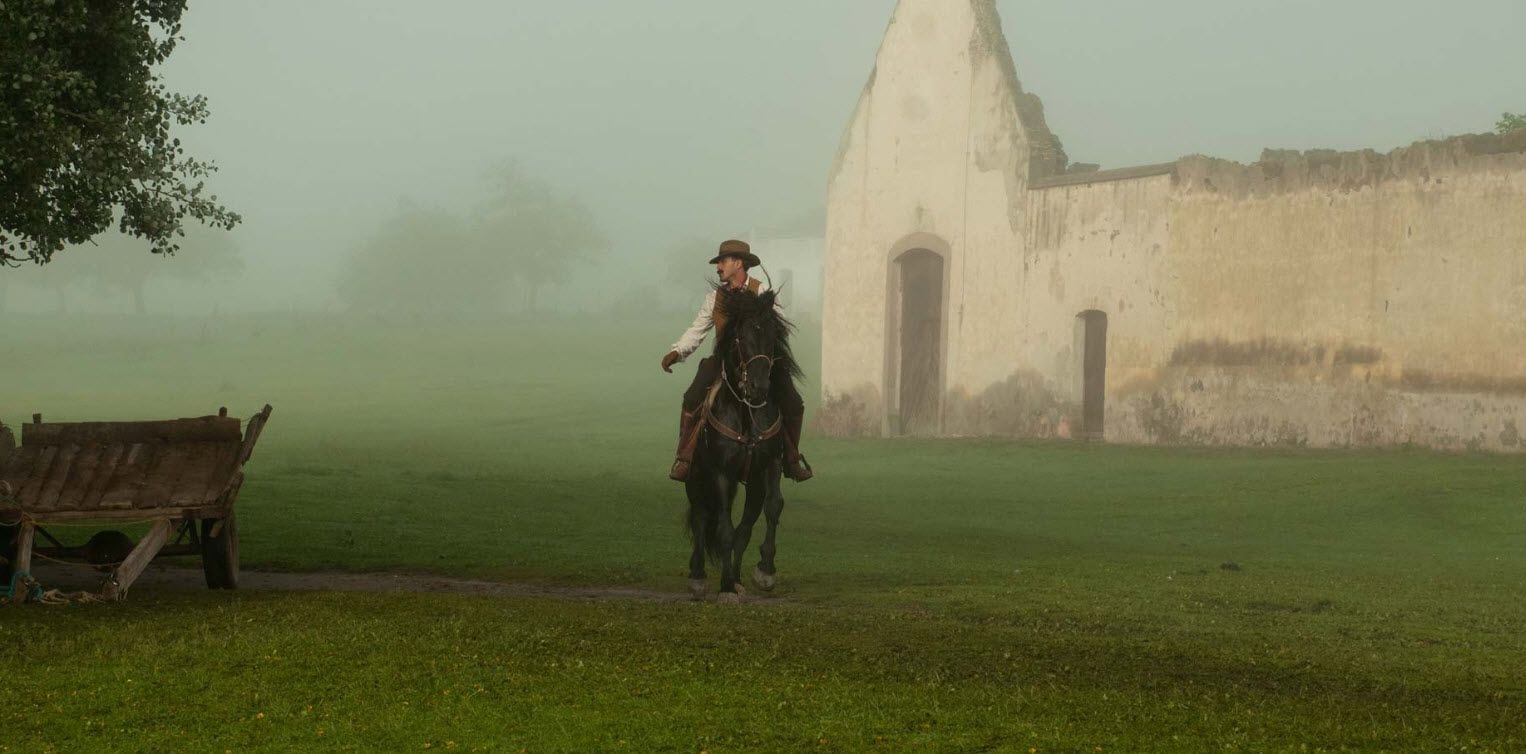
Dean Wright’s For Greater Glory is the type of film that gives the screen epic a bad name.