Joe Wright crafts an engrossing, literate film, treading water even under the weight of its director’s misguided ambitions.



Andrew Schenker is an essayist and critic living in Catskill, New York. His bylines include The Baffler, Bookforum, and The Los Angeles Review of Books.
Joe Wright crafts an engrossing, literate film, treading water even under the weight of its director’s misguided ambitions.

The film attempts to punch up its anodyne tale of forbidden romance among members of the 18th-century Danish court with a few quirky and philosophical touches.
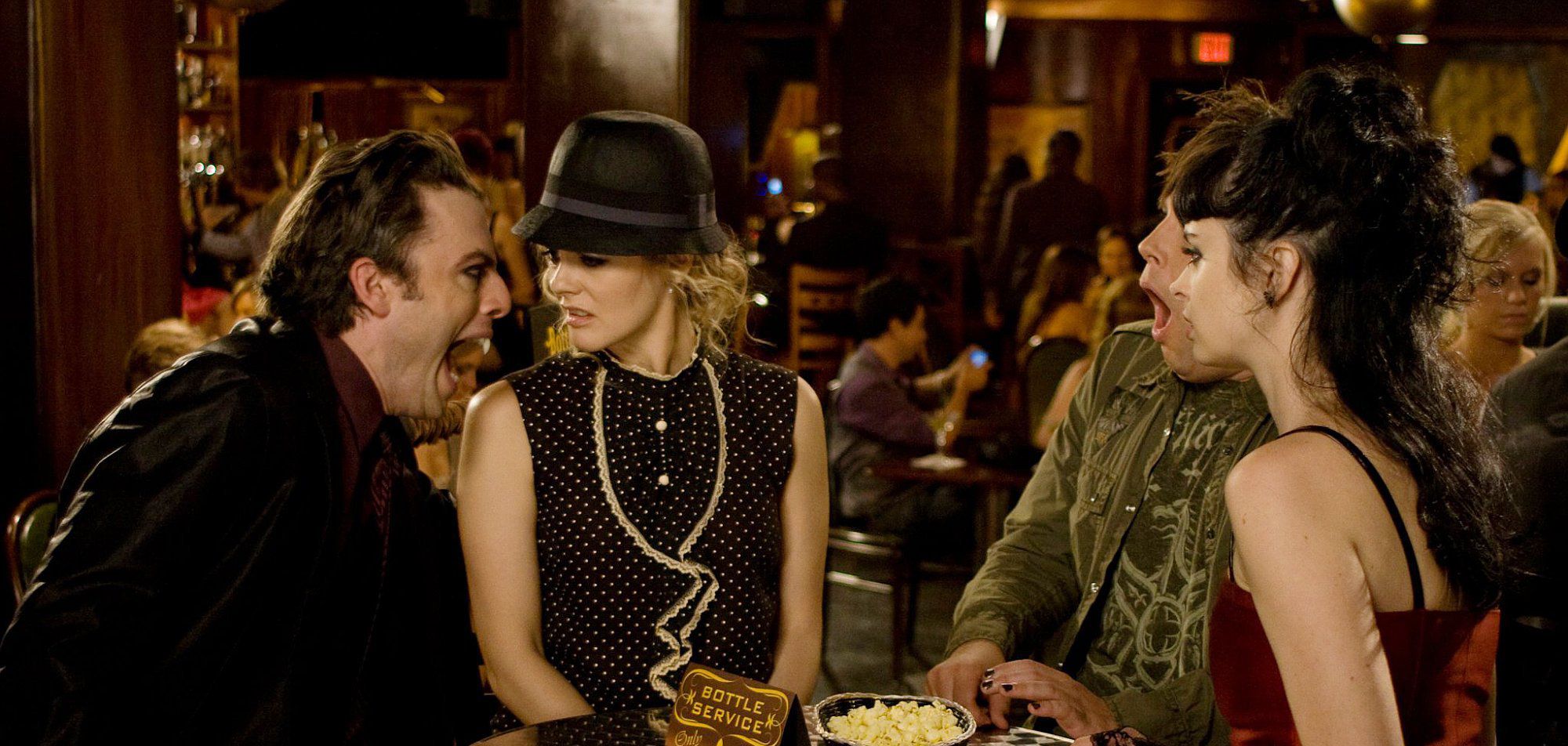
Amy Heckerling’s Vamps is awash in pop-cultural, cinematic, and historical references.

Jacob Aaron Estes’s The Details is as smug and self-satisfied as its privileged lead character.

Bucking the dominant trend of nature docs, Dinotasia eschews anthropomorphism almost entirely.

The film is divided between a desire to present the elderly in all their still-kicking vividness and a tendency to indulge in cutesy old-people caricature.

Undeniably rousing, but deeply irresponsible, Argo fans the flames surrounding historical events likely to still remain raw in the memory of many viewers.

Sally Potter packs so much detail and thematic heft into 90-minute films that, given her elliptical and often unemphatic presentation, feel tantalizing but never overstuffed.

It’s occasionally too icily removed, but it compensates through its perpetual concern with understanding its characters and their untenable situations.

The film more than just treats Edwin Honig as as a helpless subject.

Rama Burshtein’s film unfolds in unhurried dramatic terms that come to take on an almost fatalistic force.
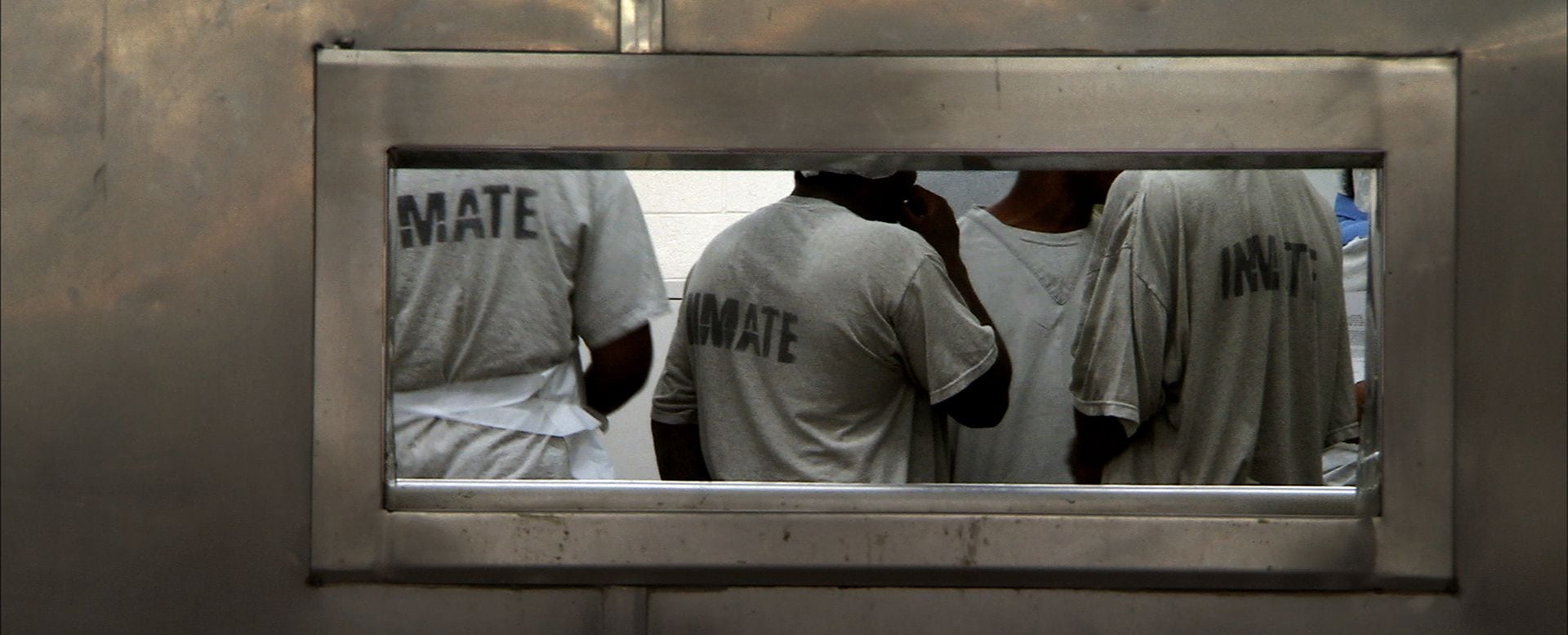
There’s no denying the ways in which Eugene Jarecki’s film effectively weds rhetorical outrage to well-researched fact.

The first sign that something strange is going on in Pitch Perfect is when we learn that 27-year-old Anna Kendrick is playing an incoming college freshman.

The film works best when it focuses viewer attention most acutely on the story, deflecting it away from the director’s manipulations.

Camille Rewinds gets its period fetishism out of the way quickly.
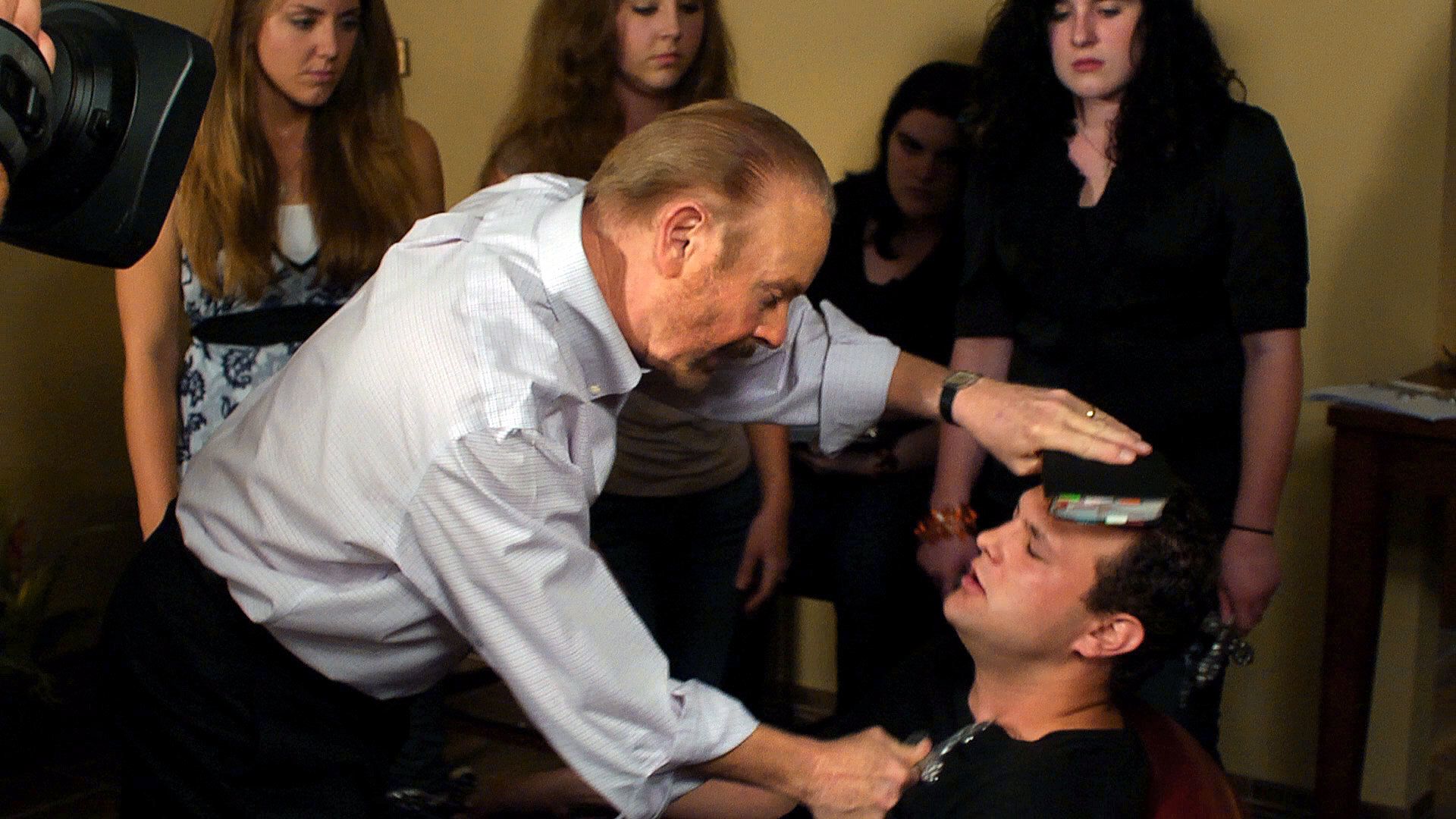
Hellbound? proves fitfully engaging, but it soon turns into a touchy-feely isn’t-it-wonderful-we’re-all-saved love fest.

Vibeke Løkkeberg’s film is about showing the consequences of irresponsible political action.

Melanie Lynskey makes the film feel like a believably worked-out, sympathetically presented study in thirtysomething uncertainty.

It offers a great deal, saturated with characters, plotlines, and, above all, set pieces, but it never seems overstuffed.

The film is Jamie Travis’s female-centric take on friendship, business, and, to a lesser degree, romance.