Aside from its clumsy comic turns, the film’s chief problem is the basic conception of the lead character.


Andrew Schenker is an essayist and critic living in Catskill, New York. His bylines include The Baffler, Bookforum, and The Los Angeles Review of Books.
Aside from its clumsy comic turns, the film’s chief problem is the basic conception of the lead character.

The film is supposedly about the writer-director’s own childhood memories, but there’s little here that feels specific to an individual’s unique experience.

In his understanding of both the pleasures and limits of fancy, Anderson generously leaves his characters with room to live.

Kirk Jones’s film takes procreation not only as its central theme, but as a given.

Annie Howell and Lisa Robinson’s Small, Beautifully Moving Parts is one of those movies.

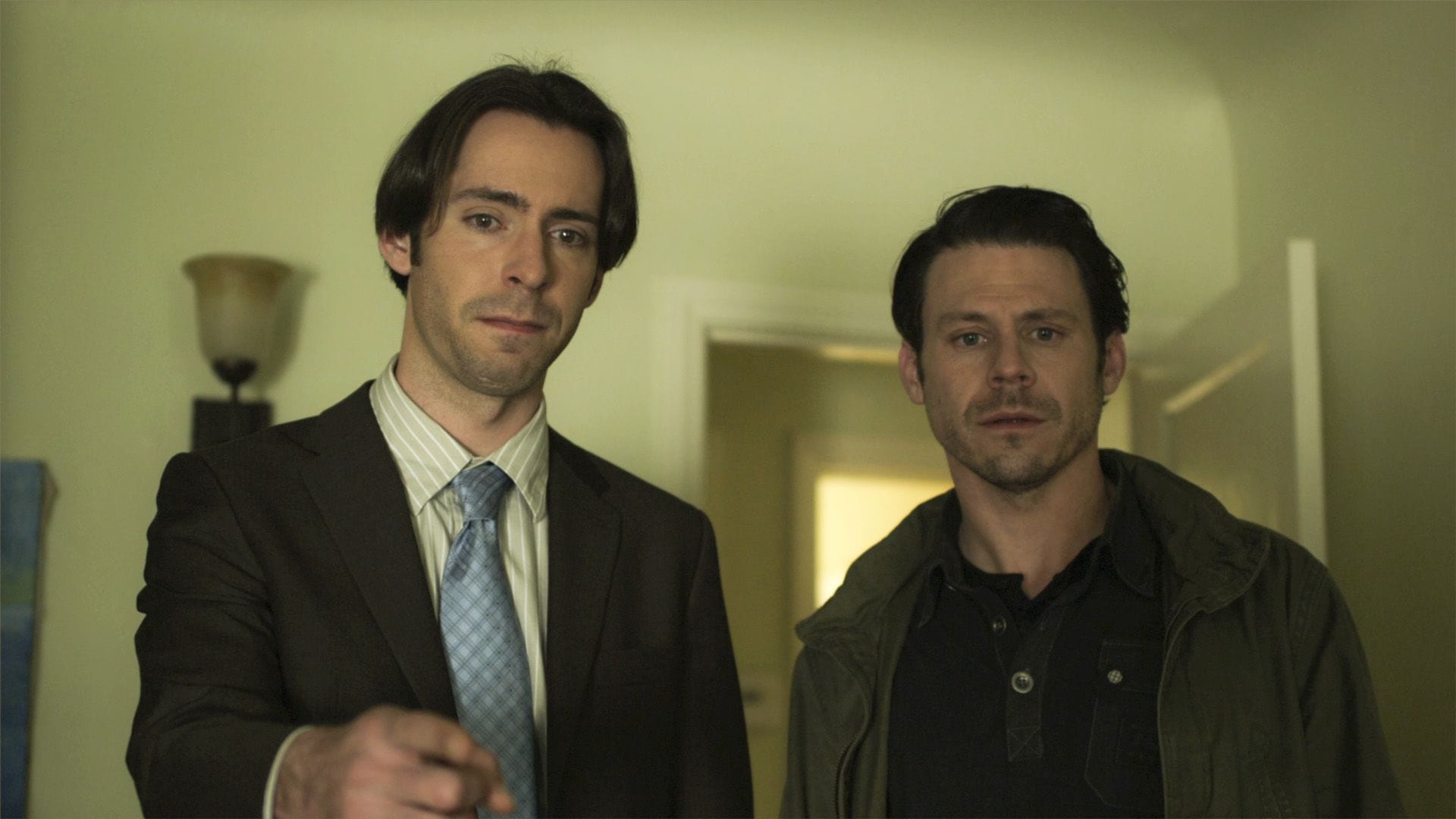
Lightly likable, if finally flimsy, A Bag of Hammers suffers from both an odd, ineffective structure and a low-key tone.

This is a largely solemn affair, often verging on morbidity in its elongated deathwatch.

The film is both an informative bit of agitprop and an ultra slick and slightly self-satisfied bit of entertainment.

Nicholas Stoller’s film is a romantic comedy that gets it.

Class privilege and sexual politics are inextricably linked in Trishna.

The downfall of many a nature documentary is the homo-sapien-ization of its animal subjects.

This is one vampire film whose sexless, generic ending betrays a promise of revisionist complexity.

The film is deliberately withholding, never giving us quite enough to connect to its characters and their situation.

In We Have a Pope, scenes of gently comic melancholy alternate with sequences of gently satirical buffoonery.

Turn Me On, Dammit! gets what it does right, but it finally doesn’t do too much.

An outsider’s perspective is what makes The Island President more than an uncritically sympathetic great-man portrait.
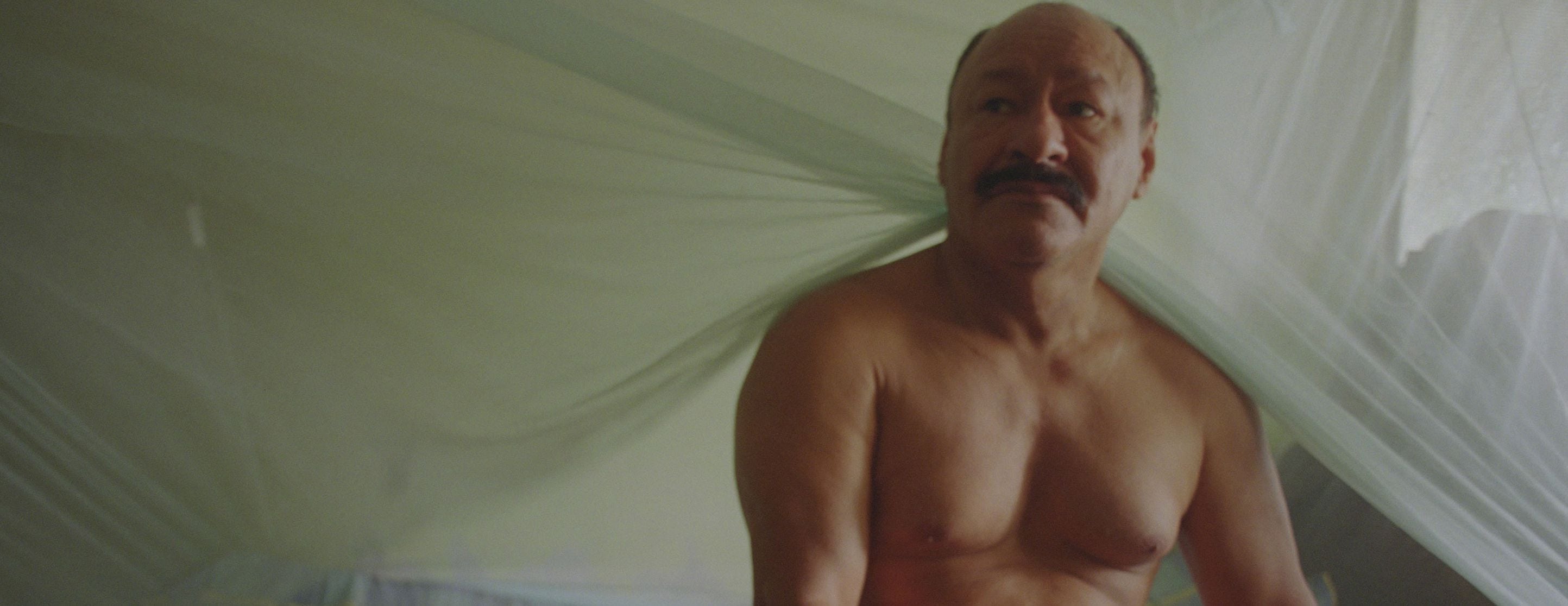
The discomforts of the body define Alejandro Landes’s Porfirio.

A nose-to-the-ground portrait of two believably aspirational protagonists and their constant hustle to make good on the movie’s eponymous demand.
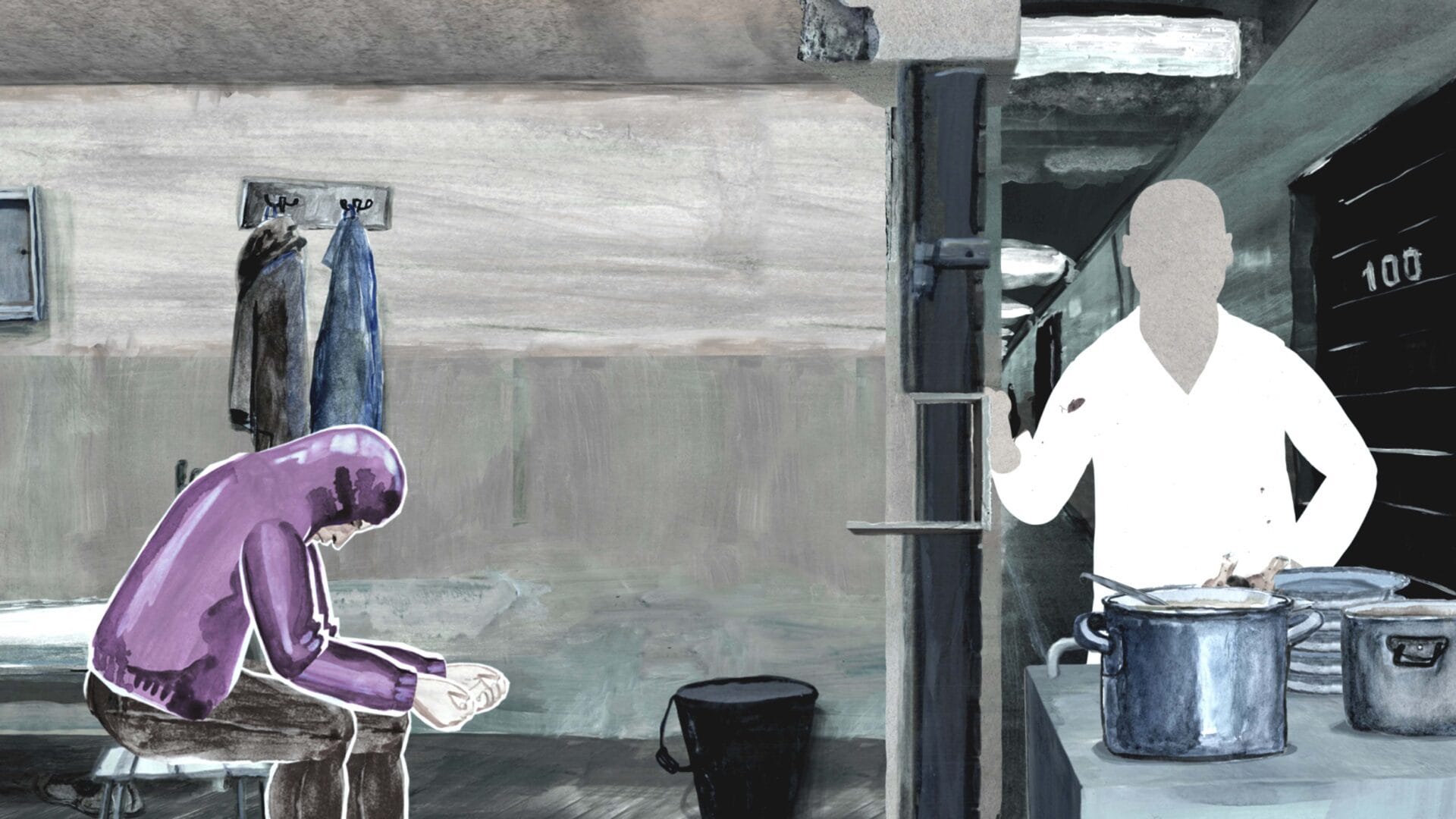
Crulic: The Path to Beyond is little more than a bunch of pretty pictures propping up Cladiu Crulic’s slow, inevitable death march.

Lee Kwang-kuk can scarcely fill 10 minutes of screen time without reminding us of his own commitment to upending traditional concepts of narrative.