Essentially the film aims to trade in the awkwardness of teen sexuality, but too often settles for the gross-out gag instead.



Andrew Schenker is an essayist and critic living in Catskill, New York. His bylines include The Baffler, Bookforum, and The Los Angeles Review of Books.
Essentially the film aims to trade in the awkwardness of teen sexuality, but too often settles for the gross-out gag instead.

At the center of Jamie Babbit’s film, festering like an open sore, is the stereotype of the psycho lesbian bitch.

Make no mistake, for all the deferred killing, this is still a bloody affair, one which takes a grotesque glee in arrows being shot through faces and impromptu torture sessions.

As far as films about couples dealing with the female partner losing her mind go, Still Mine is pretty pedestrian.

With the film, Melissa McCarthy definitively cements her status as a legitimate comic talent, leaving her co-star stumbling behind in her wake.

The film aims for an admirable balance, but fatally upsets that equilibrium in its hurried resolutions.

The film is firmly grounded in the economic and social terrain of contemporary France.

What most rankles about the film is the way that its insistence on paternal instincts as the principal signifier of male adulthood leads it to sanction the most childlike behavior of all.

Shawn Levy’s occasionally uproarious, warm-hearted comedy is about different generations educating each other, but it never seems rote.

The alignment with Herman’s perspective, even as it never downplays the gravity of his crimes, leads the film into a set of obvious conclusions.

James Marsh perfectly matches his aesthetic strategies to the story’s shifting moral terrain.

Writer-director Nika Agiashvili buys into the concept of the American dream with the zeal of a true believer.
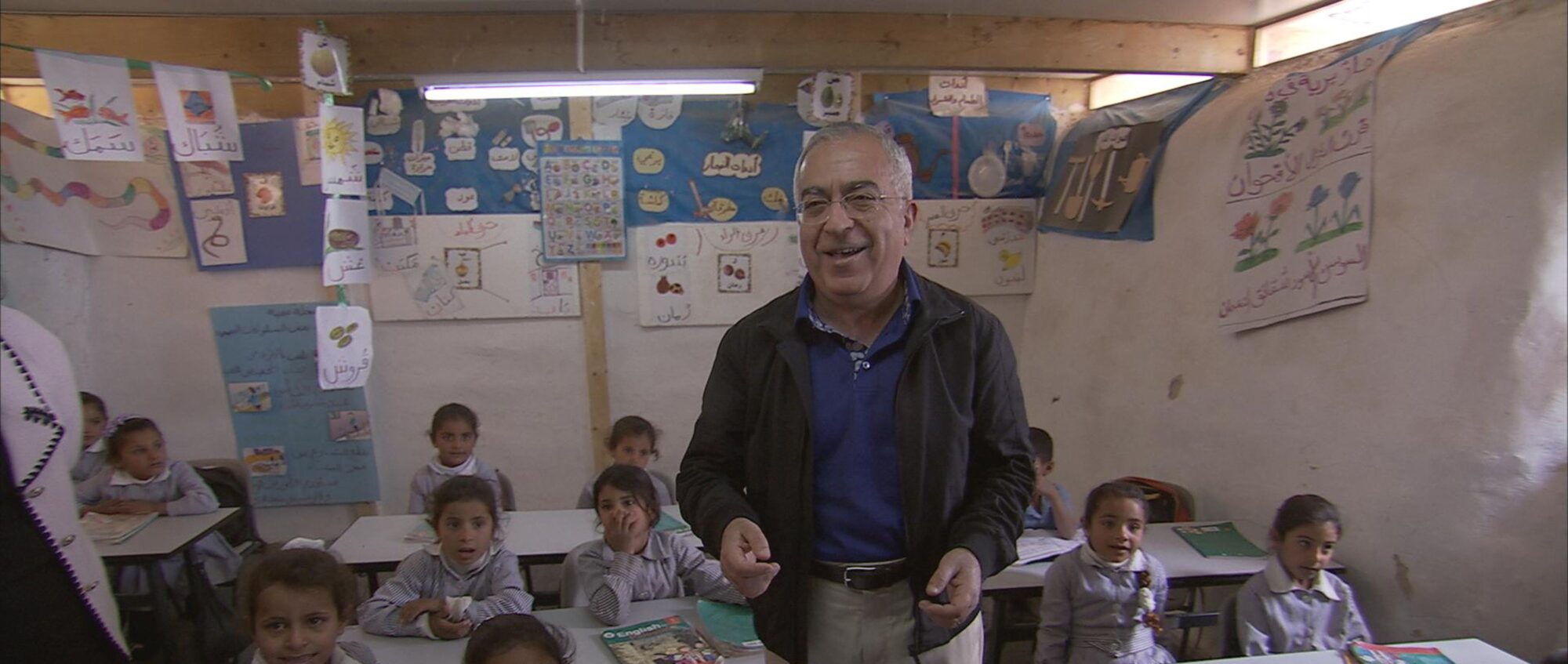
It too often feels like just one more aesthetically uninspired documentary that gives way in the end to a special round of pleading for its specific cause.
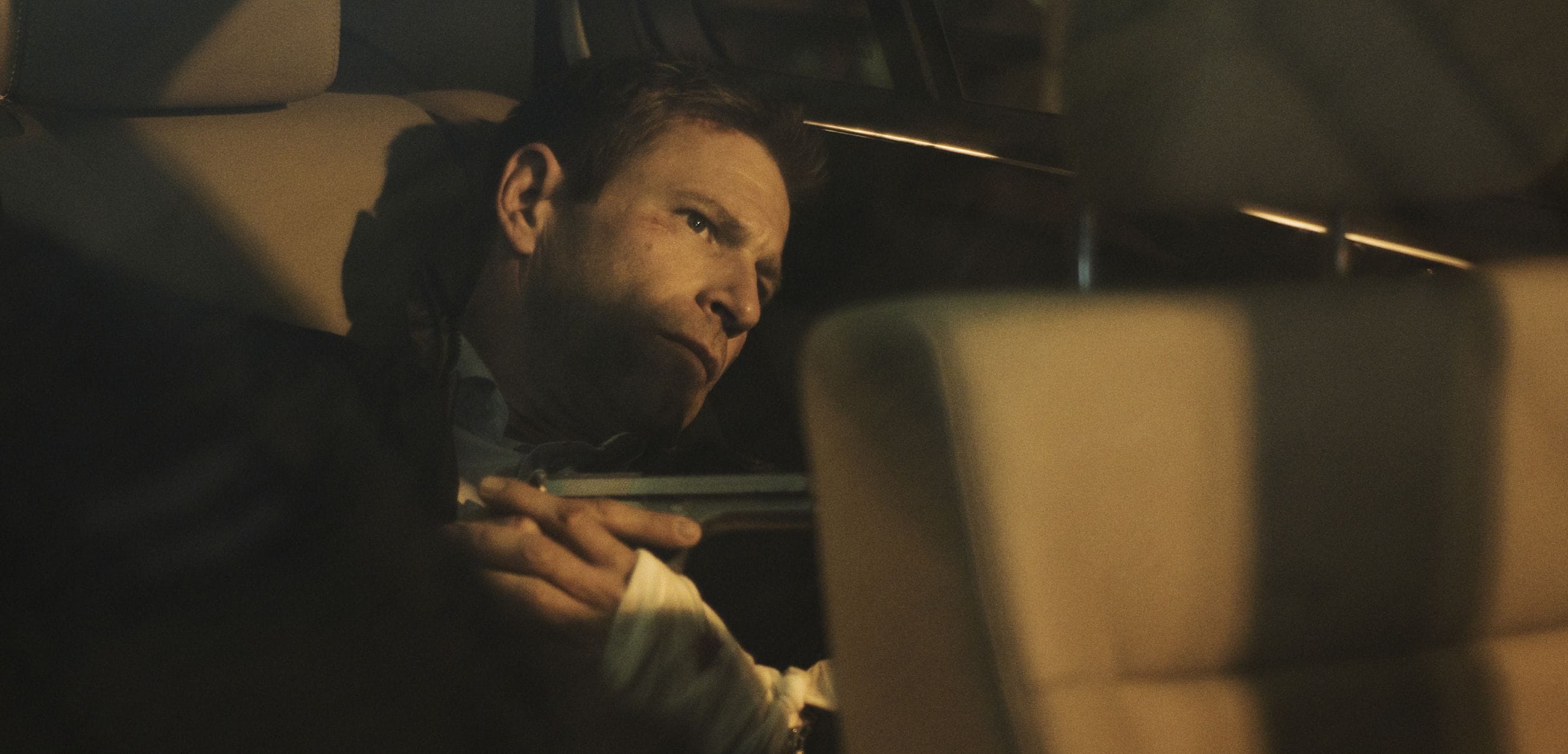
Seldom pushes beyond the bare-minimum dictates of the thriller, only rarely offering up a memorable action sequence.

The levels of insight provided into the characters are exactly commensurate with any conceivable viewer’s interest in learning more about these nonentities.

The modern-day sections with Mariel Hemingway, while detailing the redemptive promise of the title, too often overflow with PSA-level superficiality.

The film has so much fun exploding stereotypes and radiates with such infectious comic gusto and genuine good nature, that it would be almost churlish to resist its charms.

Stephen Fung’s pop-up graphics and jazzy fight scenes feel part of an unwieldy mix in which the director just throws whatever half-baked conceits up on the screen he feels like.

Preserves much of the Salman Rusdie novel’s intricacy and human drama, but it remains singularly unremarkable from a cinematic perspective.
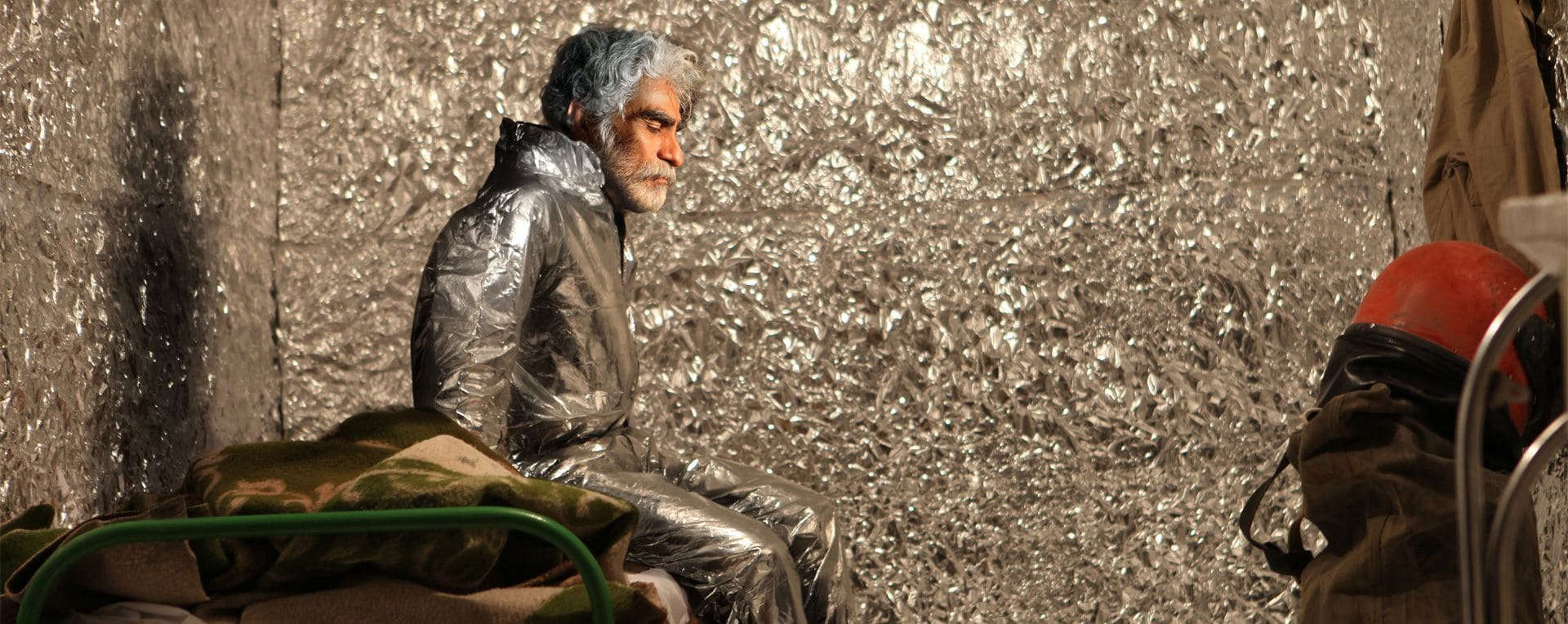
Fear of contamination, whether justified or merely paranoid, is the dominant mode in Taboor.