Alternates between business-world morality play, family drama, and portrait of a local community without ever comfortably integrating these disparate elements into his messy stew.


Andrew Schenker is an essayist and critic living in Catskill, New York. His bylines include The Baffler, Bookforum, and The Los Angeles Review of Books.
Alternates between business-world morality play, family drama, and portrait of a local community without ever comfortably integrating these disparate elements into his messy stew.

There’s but one sequence in the entire movie that offers even the slightest bit of filmmaking verve, and even this speaks to the project’s essential myopia.
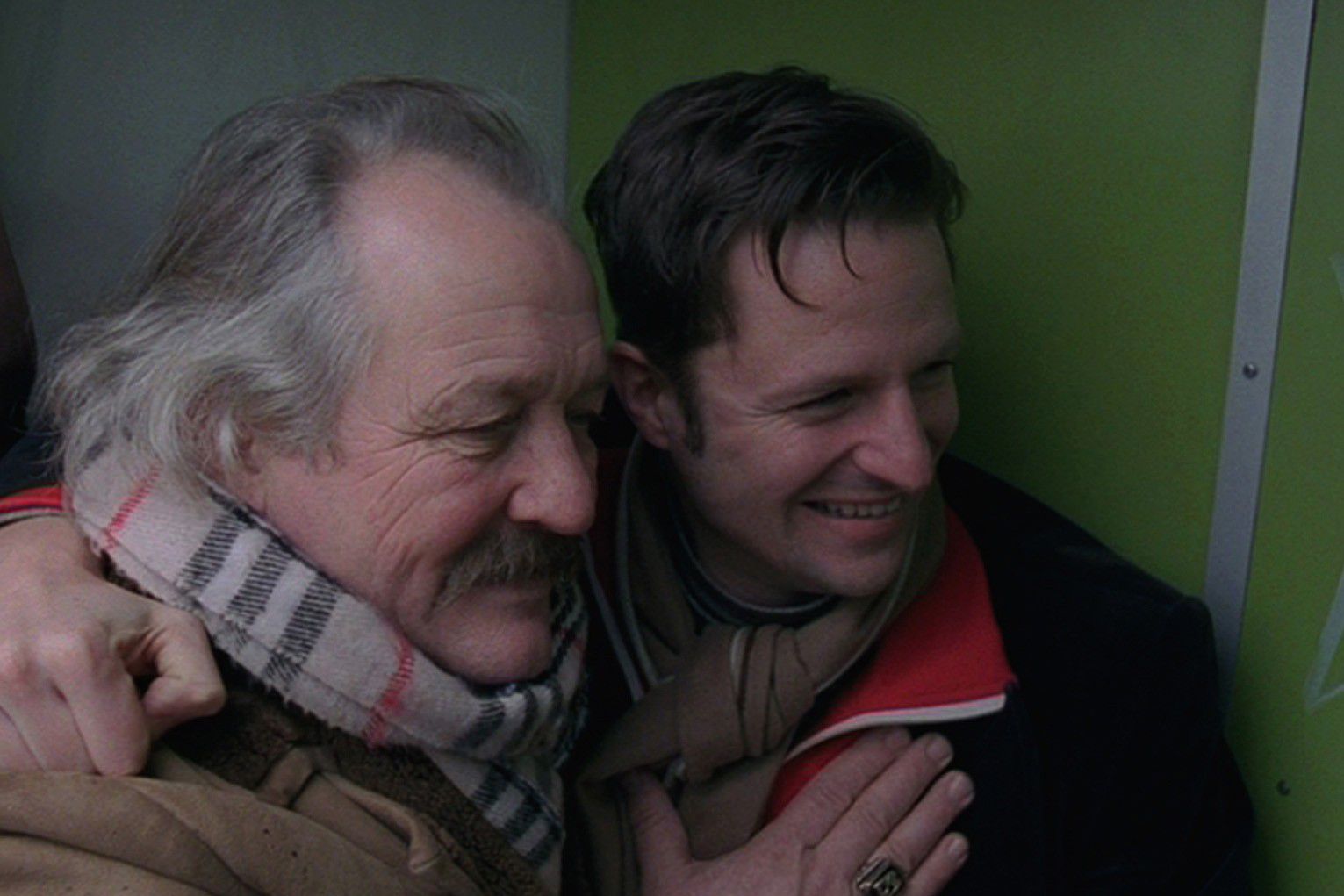
As in Tizza Covi and Rainer Frimmel’s 2009 film, La Pivellina, modesty is the key to The Shine of Day, and sometimes to the detriment of audience involvement and focus.

The societal observations in the film aren’t too much more complex than those of the parodied performance artists.

In Joshua Oppenheimer’s extraordinary documentary, film becomes the medium for a bold historical reckoning—and in more ways than one.

Ana Piterbarg’s handsome, if uninvolving, film privileges mood over narrative and dumb brooding over character.

One of the effects of Harmony Korine’s feverish, hypnotic style is that the whole thing feels like a fantasy—or rather a nightmare perversion of the American dream.

The slightly dour tone is the perfect backdrop for the director to skillfully weave together his varied narrative strands in a surprisingly entertaining medley.

By the dictates of the boys-will-be-boys party genre, the film is so tame that it barely manages to even be offensive.

Jeff Lipsky’s films take place in an alternate universe of human behavior.

Essentially a horror movie in which the source of the horror shifts from capital-M men to crazed lesbianism.
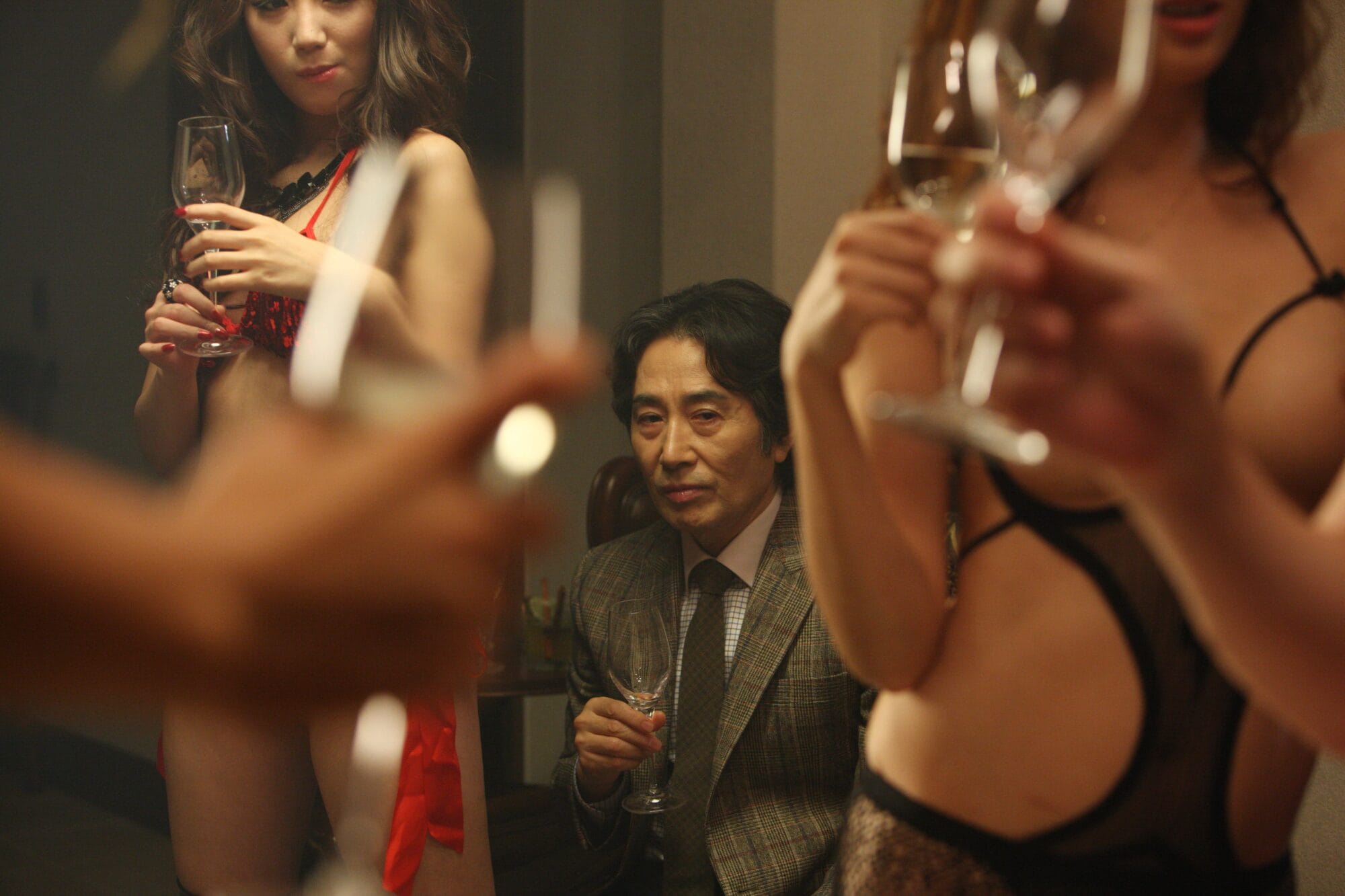
For all the revelations about the way the rich operate, there’s little juicy pleasure to be had in the proceedings.

The film is so enamored of its shimmery, background-effacing nighttime photography that it can’t be bothered with delivering a competent genre set piece.
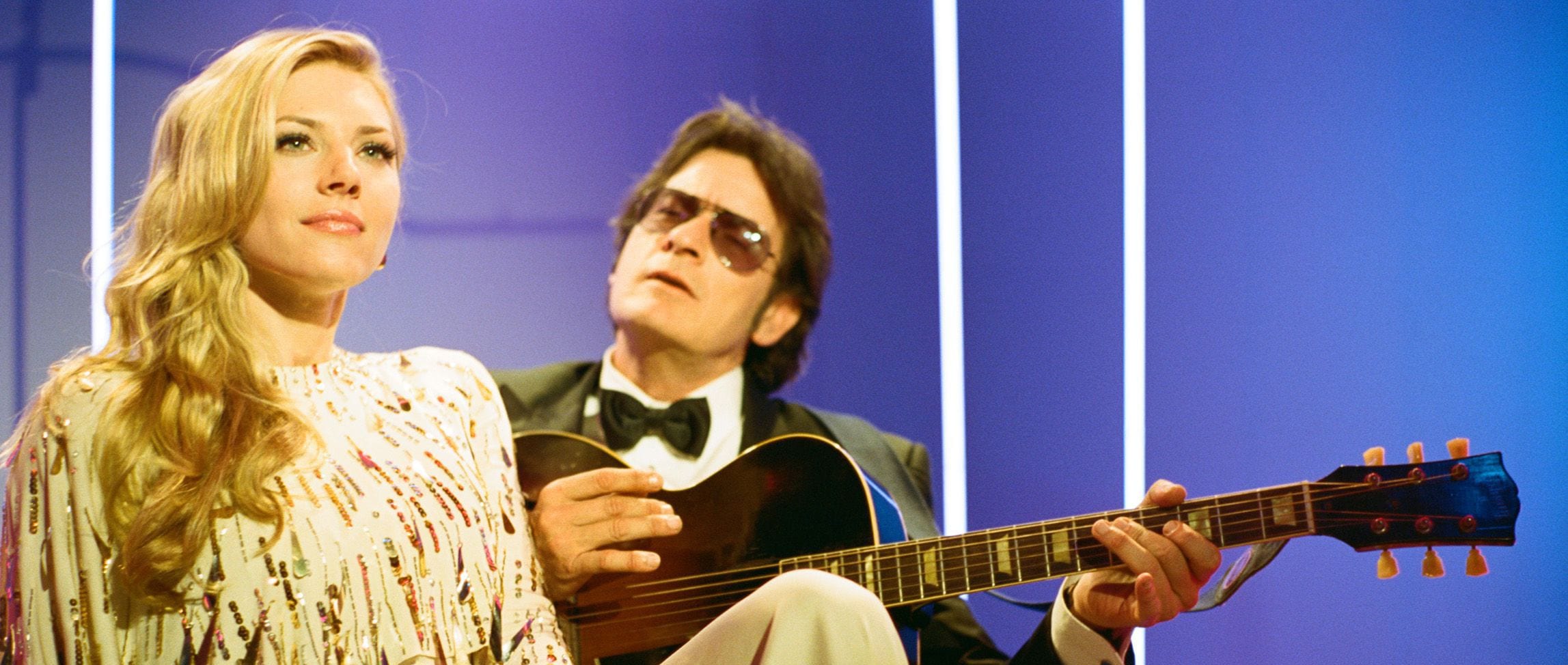
The film’s indulgence of its central, vaguely monstrous figure is as stunning as its not-so-casual misogyny.

Throughout, director Wolfgang Murnberger can’t manage more than a few surface-level ambiguities.

The theme of Jason Tippet and Elizabeth Mims’s aching film is the uncertainty of youth.

At the center of Jacob Rosenberg’s Waiting for Lightning sits a great absence: the subject itself.
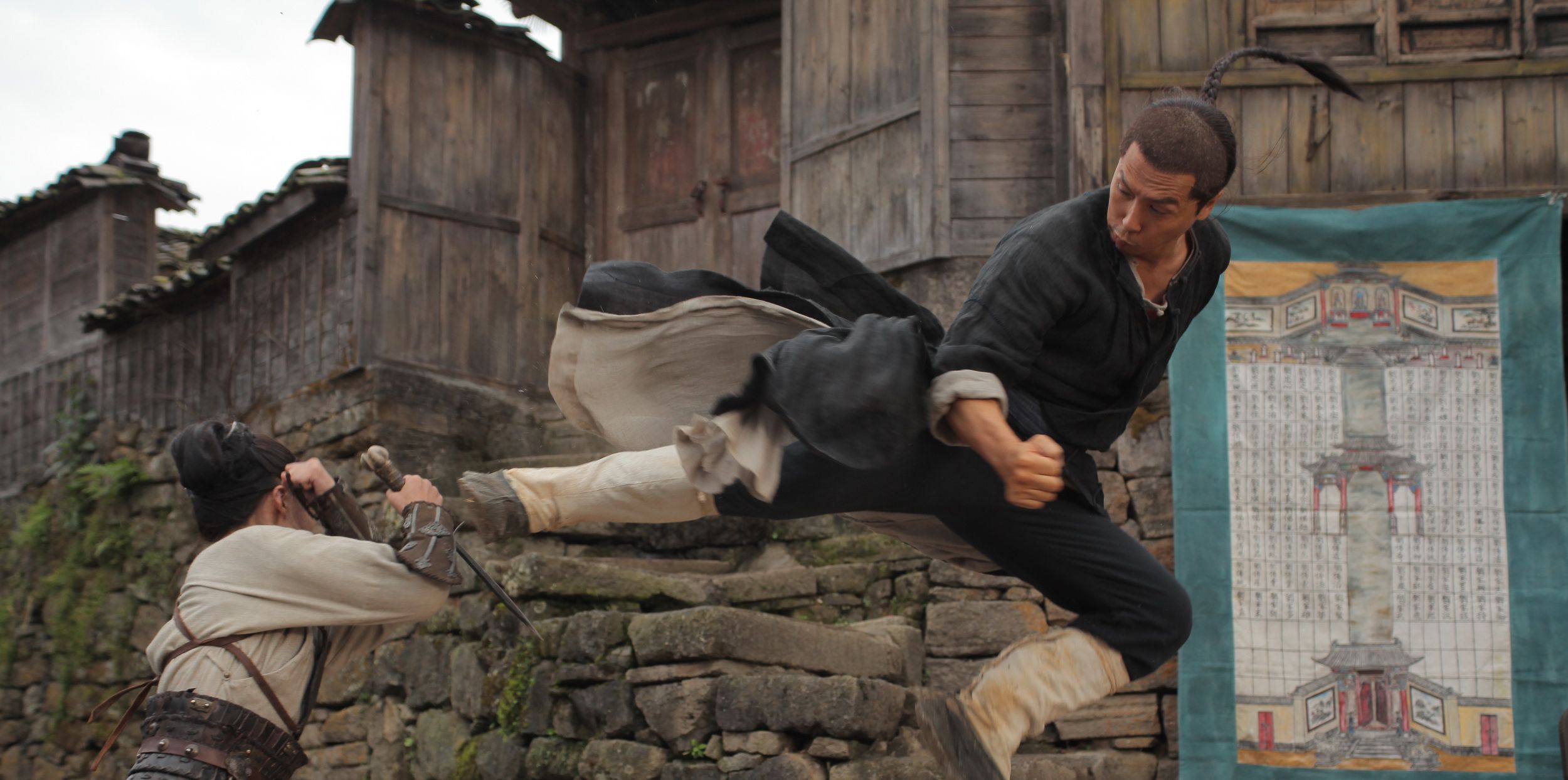
Dragon succeeds as a gallery of memorable moments.
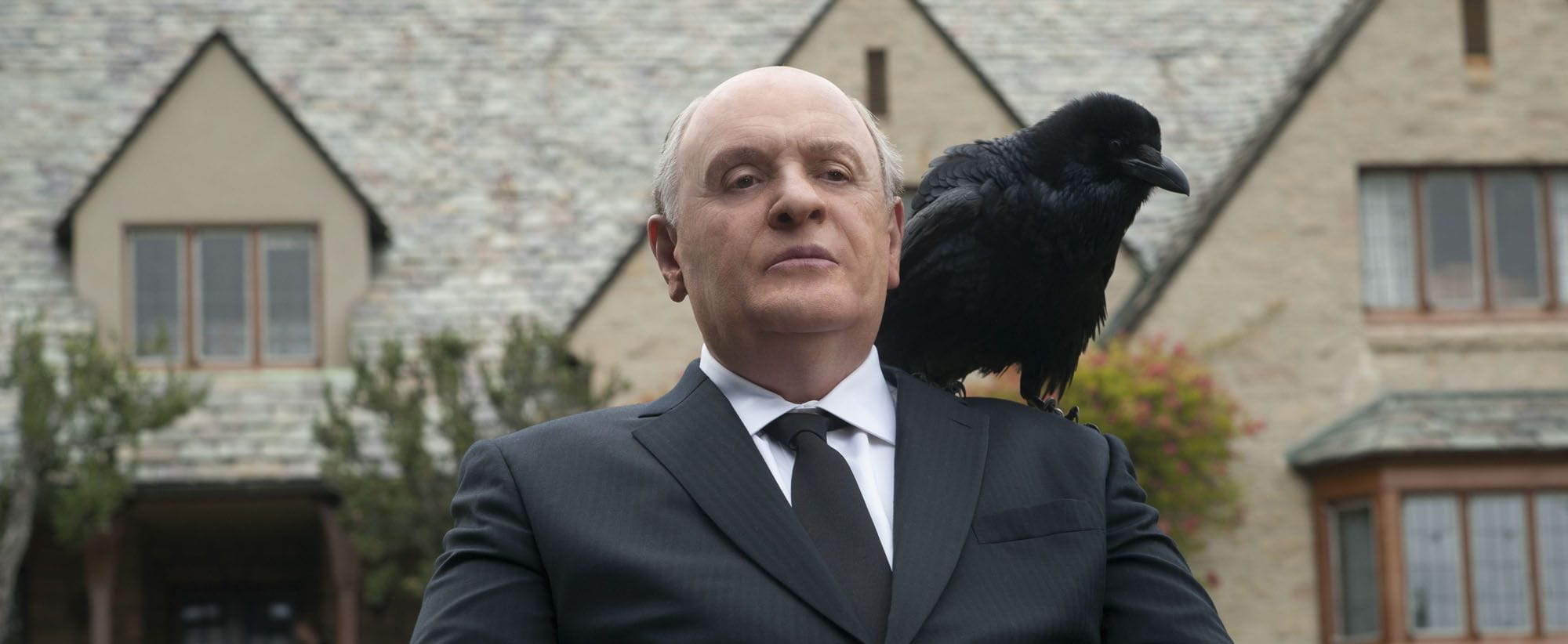
If you’ve ever seen Psycho, or even if you know anything at all about the film, Hitchcock would like to congratulate you on your savvy.

In Barrymore, the levels of theatricality quickly multiply.