We might expect it to end on the performance, as each episode has until now, but Lynch throws us a curveball.


We might expect it to end on the performance, as each episode has until now, but Lynch throws us a curveball.

The episode abounds in the excruciatingly awkward would-be-alpha-male slang that is the show’s specialty.

In American Gods, deities work in a fashion similar to that of politicians, as both bedazzle the public.

Toby Whithouse has a knack of writing memorable one-on-one confrontations between the Doctor and his foes.

Every season of RuPaul’s Drag Race comes to embody the personalities of its frontrunners.

Scene after scene transpires as a discussion about togetherness—as eternal ideal and currency.

The episode consists of comic meditations on the friction between programmers and the people they rely on.

The episode satirically equates exposition to sales as necessary binding agents of contemporary life.
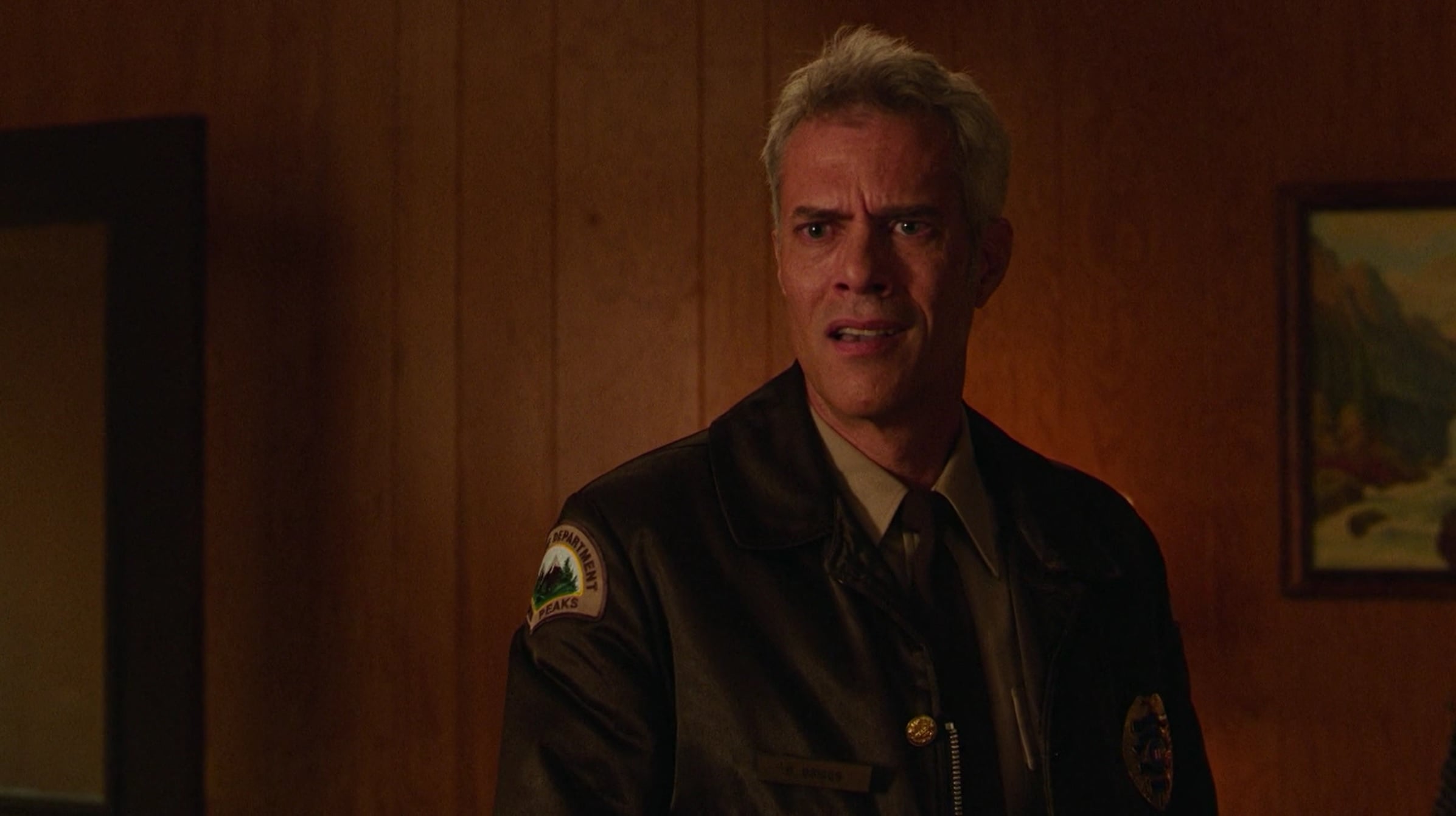
The episode’s emotional epicenter is Bobby Briggs, now white-haired and working as a deputy for the department.

Cannes isn’t the Oscars, but there’s still a certain formula that often defines the recipients of the Palme d’Or.

We’re once again left with the impression that the real story has only just begun.

A very charitable reading might say that Roman Polanski’s Based on a True Story is designed to be self-negating.

The episode sees the editors dividing the remaining pile of wheat into heroines and villainesses.

You Were Never Really Here is possibly the most thrillingly unclassifiable film to play at this year’s Cannes.
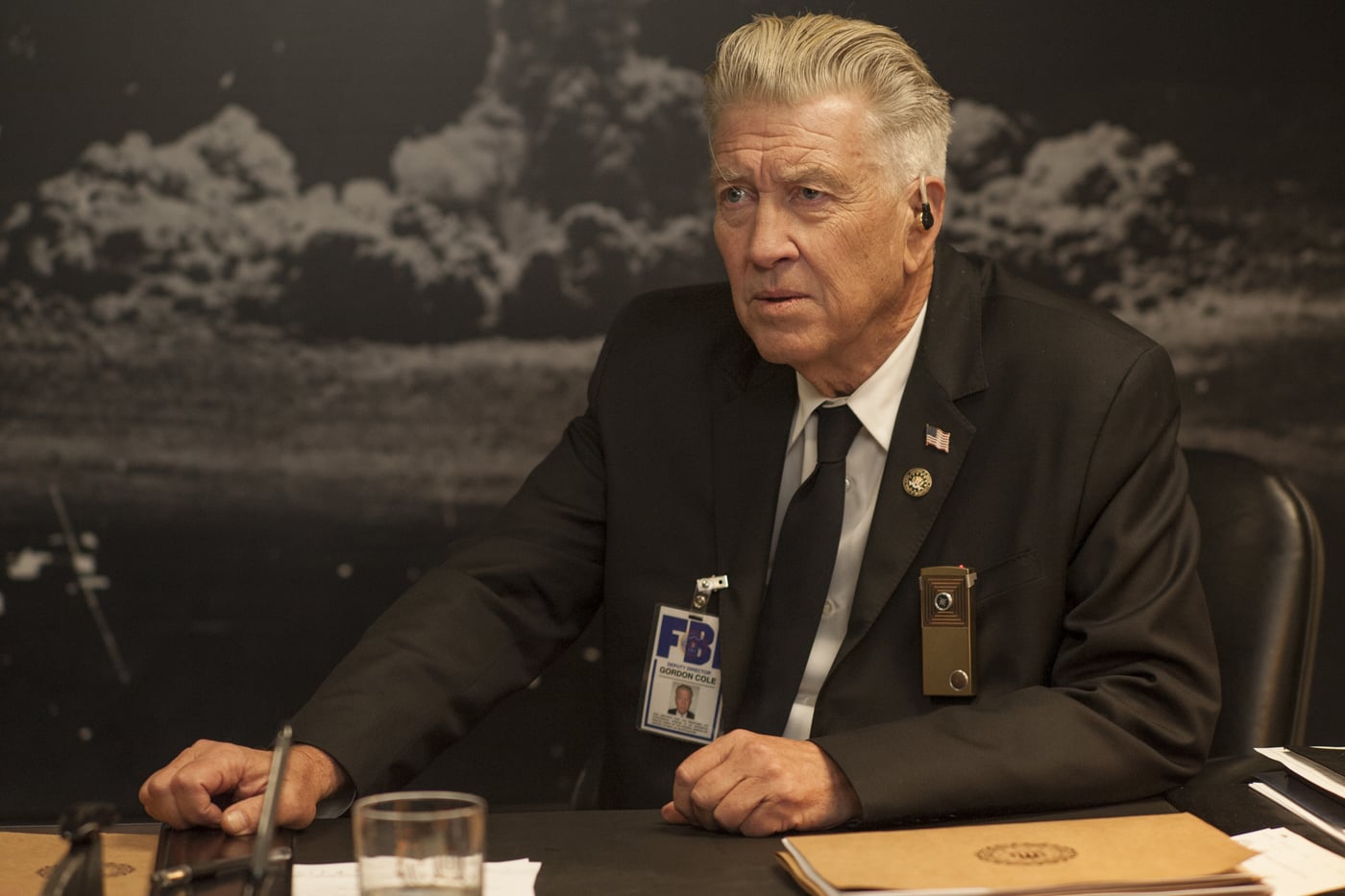
Parts of the episode play like one of David Lynch’s hermetically sealed surrealist short films.

Campillo’s film offers more than just the compelling social-realist ideas on its surface.

Good Time is at its strongest when it keys its intoxicating aesthetic to Robert Pattinson’s performance.

Claire’s Camera is one of Hong’s most formally intuitive and sharply written films in some time.
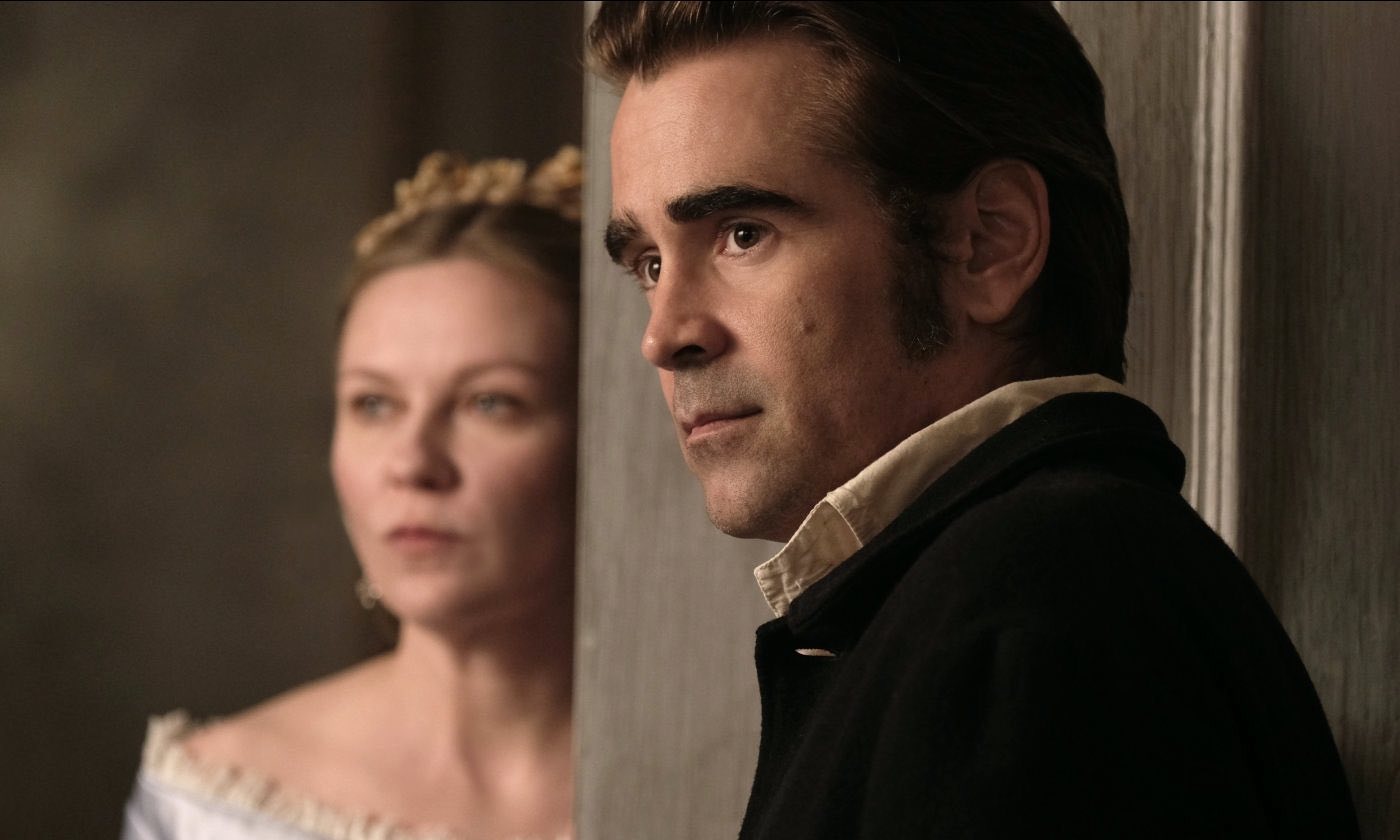
Coppola is faithful to the trajectory of Thomas Cullinan’s original story while reorienting our allegiances.

The Americans is the rolling stone that gathers no moss.