The dealers know the kids, and the kids know the cops.


The dealers know the kids, and the kids know the cops.
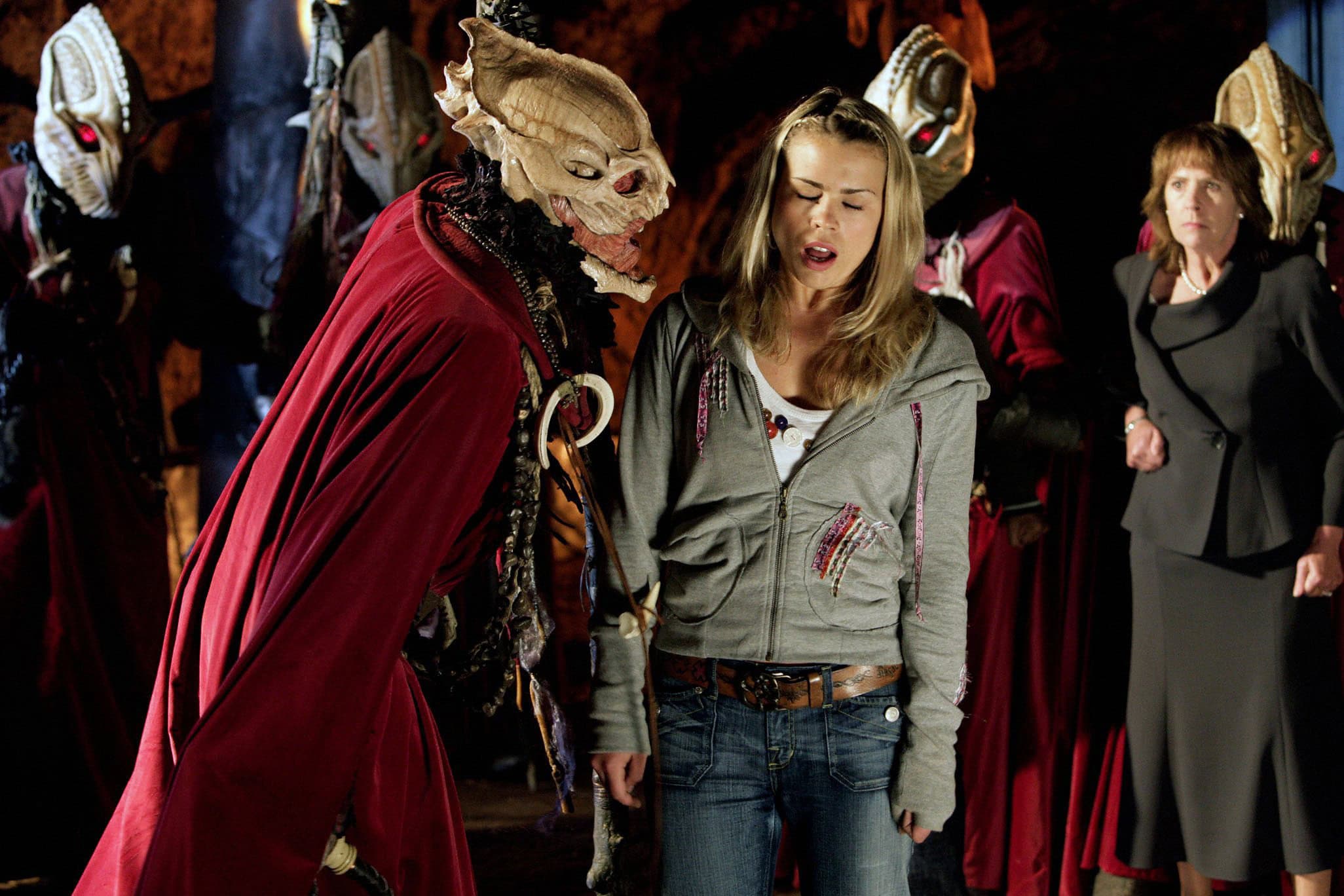
Despite being the 10th Doctor story and the debut of the season two production block, “The Christmas Invasion” feels like a coda for season one.
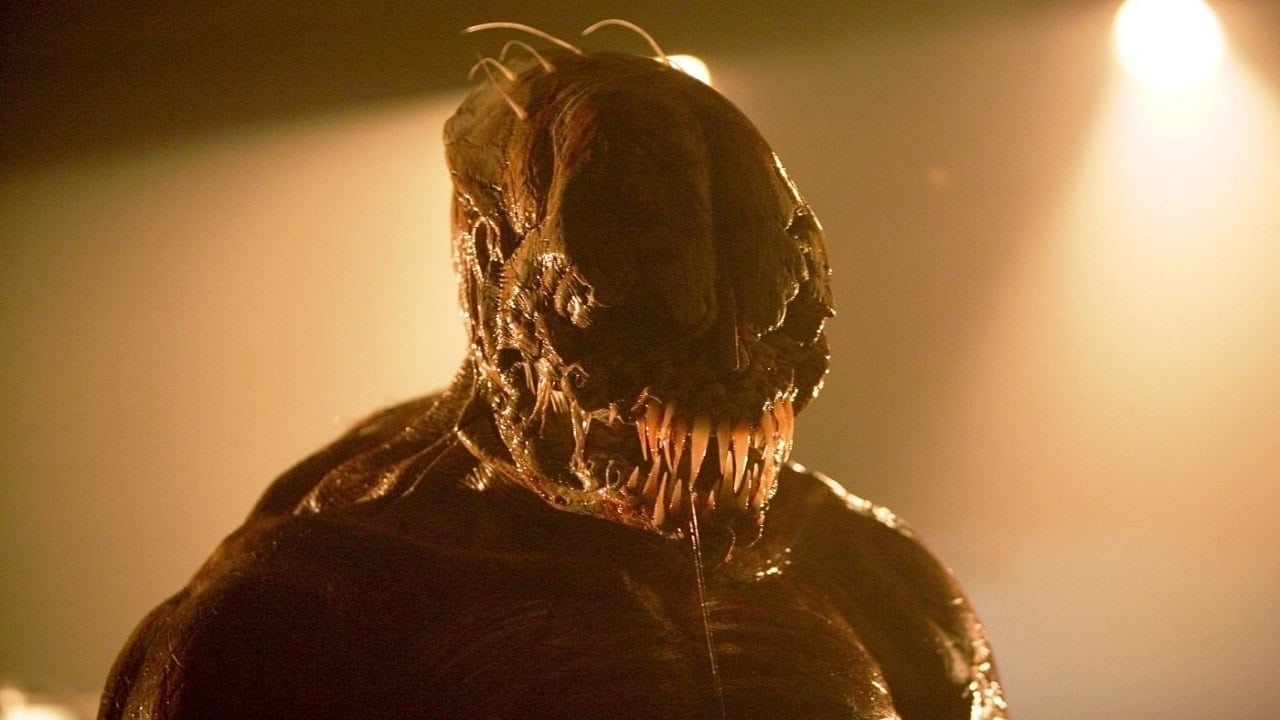
Last weekend marked a dubious footnote in movie history.

There’s little of substance here beyond a slightly pleasurable twinge of recognition.
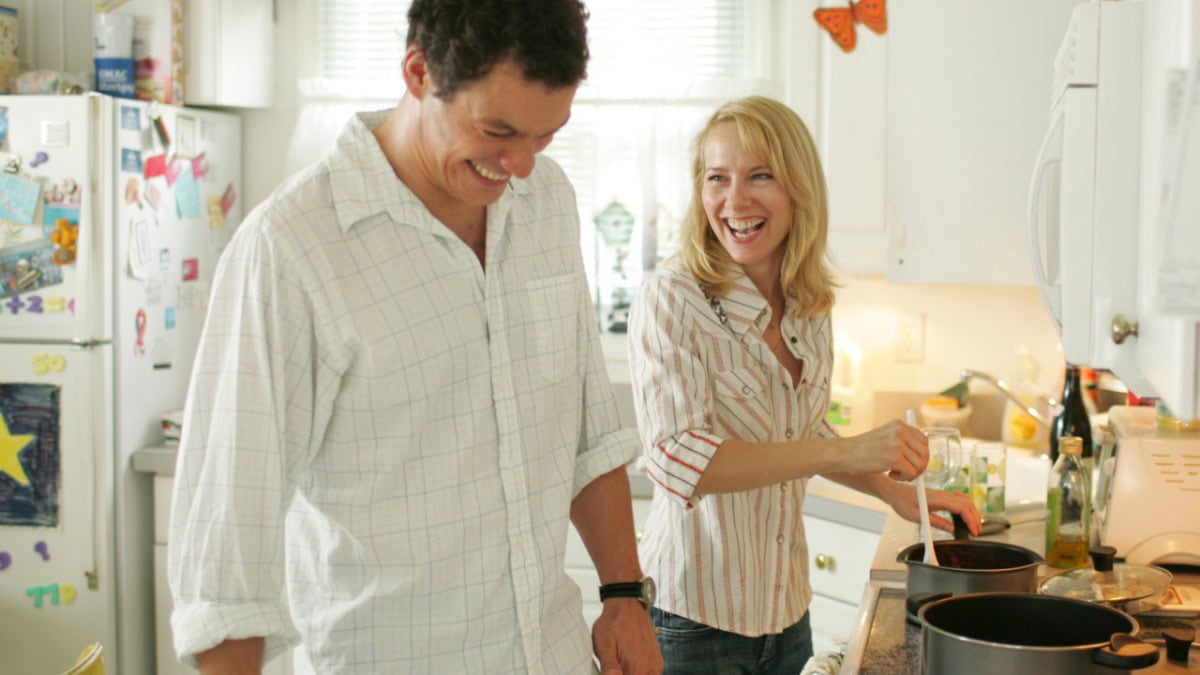
Like Michael, Detective Lester Freamon bumps up against the larger forces of an organization.

Its opening credits are not an ordinary credits sequence, but a series of four short films that distill each season’s themes, goals, and motifs.
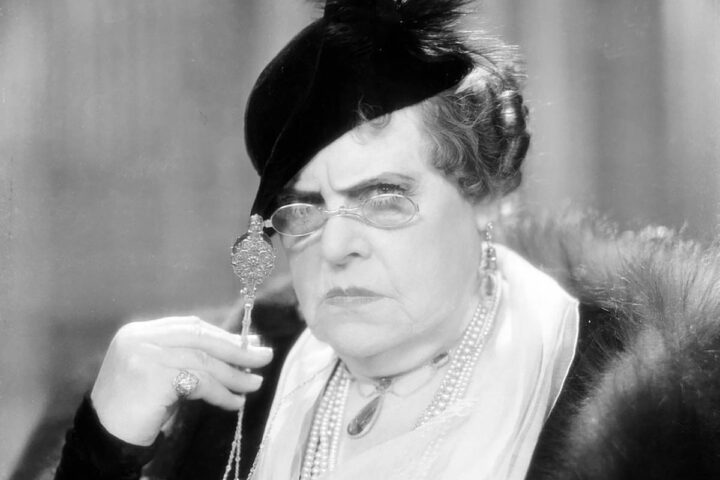
The story of Marie Dressler’s career is one of the most anomalous and curious of show business tales.

An indispensible book, mixing surprising and original insights with the usual amount of bemused and sometimes flatulent Thomsonian pontificating.

Studio 60 on the Sunset Strip veers from feeling like one of TV’s best shows to one of its most mediocre, often in the same scene.

Marlo Stanfield has maneuvered to the top of the West Baltimore drug trade, and he’s executing a broad campaign to stay there.
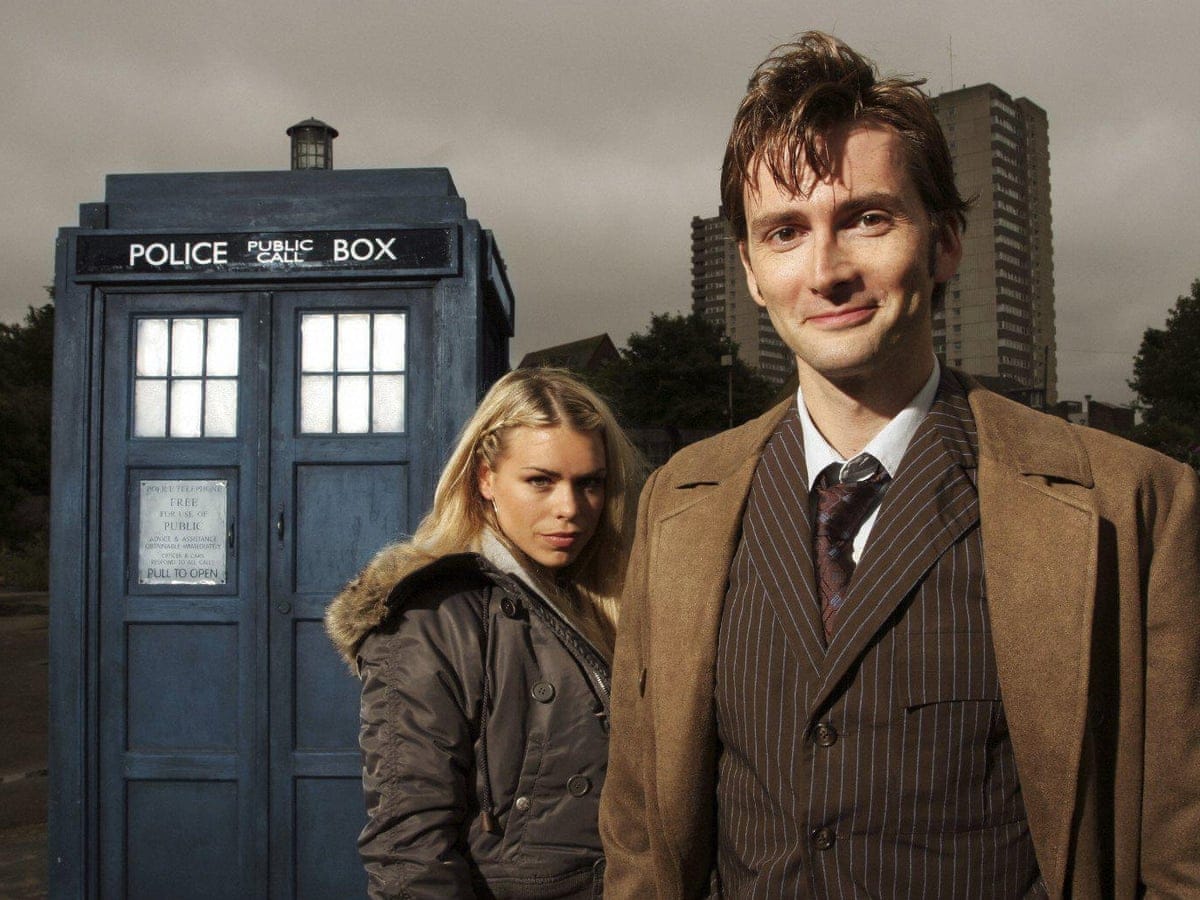
Doctor Who isn’t just a TV show, it’s a way of life.
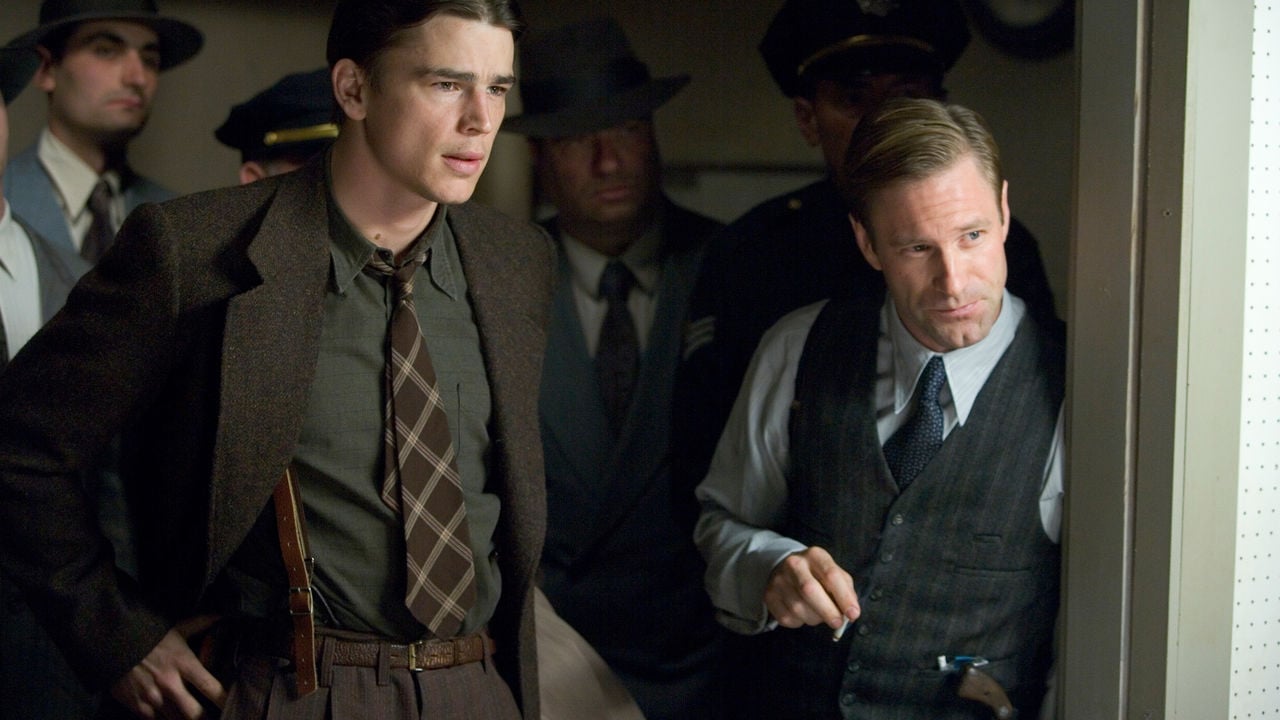
De Palma translates Ellroy’s dick-swinging dialectics into his own, decidedly more sensitive aesthetic.

Yes, for real.
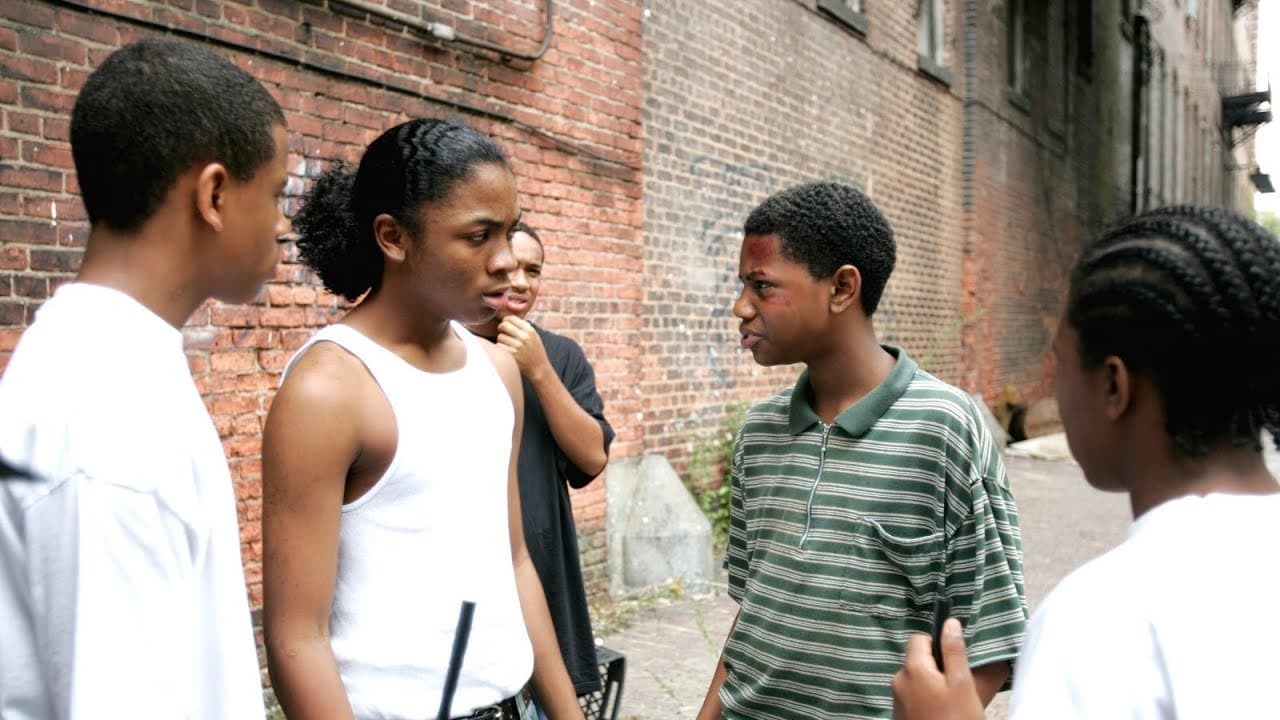
On The Wire, everyone’s in school.

Varied as the street characters are, their African-American counterparts in the police department are just as individualized.

Intensity exacted a high price, and Kim Stanley seems to have paid it willingly, even gloatingly.

Joe may still get backed into a corner, but the big guy seems smart enough to talk his way out and get back to business as usual.

In such a world as the one depicted on the show, there is little place for someone like Bubbles.

In the world of The Wire, it’s the story that rules—and that may even get the great Omar in the end.

There is no pop culture equivalent of a historic landmarks commission, but at times like this, I wish there were.